
High-Precision CNC Glass Milling
Glass machining is perfect for projects that need high precision in glass parts. Many clients ask what CNC glass cutting involves. How milling glass works, or how different methods like laser cutting and water jet cutting compare. The right process depends on design, thickness, and the level of transparency required.
At Ancastings, we simplify complex precision machining. Our team specializes in CNC glass cutting, milling glass, and CNC machining. Ideal for industries like aerospace, medical, and electronics. We deliver accurate results with dependable quality.
Ancastings’ CNC Machining Services deliver smooth finishes, consistent tolerances, and cost-effective production. We guide you in selecting the best machining method among milling glass, water jet cutting, or optical machining. So, you can make the right decision for your project.
In this blog, we’ll explain what glass machining is. Explore its key processes and benefits. And also show how Ancastings helps you achieve high-precision glass parts.
What is Glass Machining?
CNC glass machining is a process of using a Computer Numerical Control (CNC) machine. It can accurately shape, cut, or engrave glass materials. CNC machines can fabricate glass with great accuracy and repeatability.
Precision CNC Glass Machining in Action
Glass is more difficult to machine than other metals due to its brittleness. Too much pressure can result in cracks, and heat can induce microfractures. The process starts with CAD models that define the exact dimensions of the part. Then, the glass is shaped by computer-aided tools using coolants and diamond-coated cutters. The method depends on three applications. These include a water jet for thick panels, optical machining for transparent lenses, and milling for slots or holes.
How is Glass Machined with CNC Technology?
Modern glass machining combines advanced methods with structured workflows. Manufacturers must follow defined steps from design to final inspection to attain accuracy. Ancastings, which specializes in CNC machining services, ensures quality in every glass component.
Stage 1: Design and CAD Modeling
The first stage is the design and CAD modeling. A digital plan is the first step in the process. Engineers create these drawings. The CAD drawings show every angle, thickness, and tolerance of the glass part. Surface finish is also mapped out for complex designs. This meticulous design work reduces costly errors during machining.
Stage 2: Material Selection
The next stage is the selection of the material. The glass materials used in CNC machining vary based on the application. Borosilicate glass is used in scientific lenses. Tempered glass is common in smartphone screens and windows. G10 FR4 is not glass but a fiberglass laminate. Glass-filled nylon is plastic reinforced with glass fibers.
Glass isn’t universal. A microscope lens, an airplane window, and a smartphone display need different grades. These range from standard glass G10 FR4 materials to hybrids like glass-filled nylon.
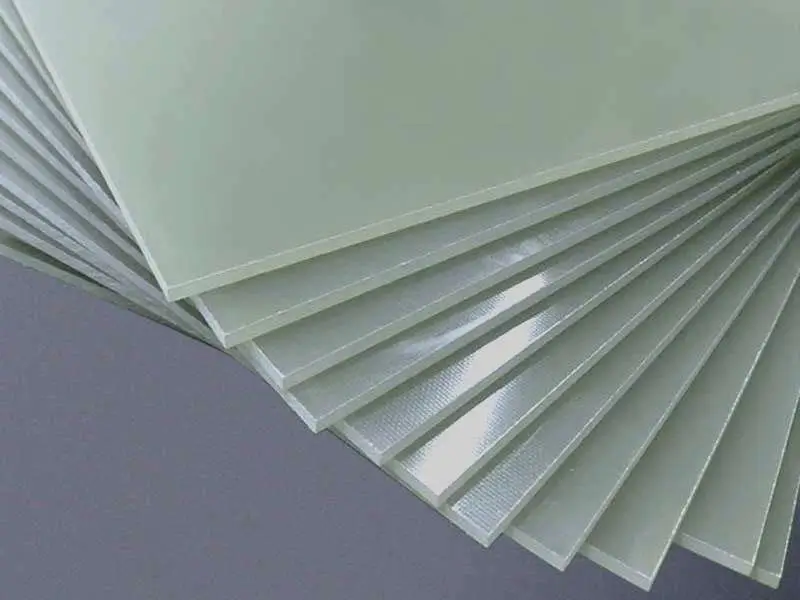
G10 FR4 Fiberglass Sheets for CNC Glass Machining
The wrong decision can result in cracks, reduced transparency, or unnecessary costs. Hence, the right material selection is crucial for the actual machining procedure.
Stage 3: Toolpath Programming
Programmers turn the finished design into machine code after the design is completed. Toolpath programming generates digital instructions for a CNC machine to follow. It guides a cutting tool to remove material and create a part with precision.
This CNC system code specifies where to go, how deep to cut, and how quickly to move. The optimized toolpaths reduce heat, result in fewer microcracks, and provide more consistent precision machining results. A poor program can ruin the glass before cutting even begins.
Stage 4: Machining Operations
CNC Glass Cutting
CNC glass cutting uses computer-controlled machinery to precisely cut, shape, and engrave glass. It offers high accuracy, consistency, and automation for complex designs compared to traditional methods. It is essential for accurate outcomes in modern CNC machining.
Water Jet Cutting
Waterjet cutting uses high-velocity water with abrasive material to cut materials like metal, stone, plastic, and rubber. It can slice glass cleanly without heat. This technique is ideal for thick CNC glass. It can reduce microcracks, unlike traditional cutting.
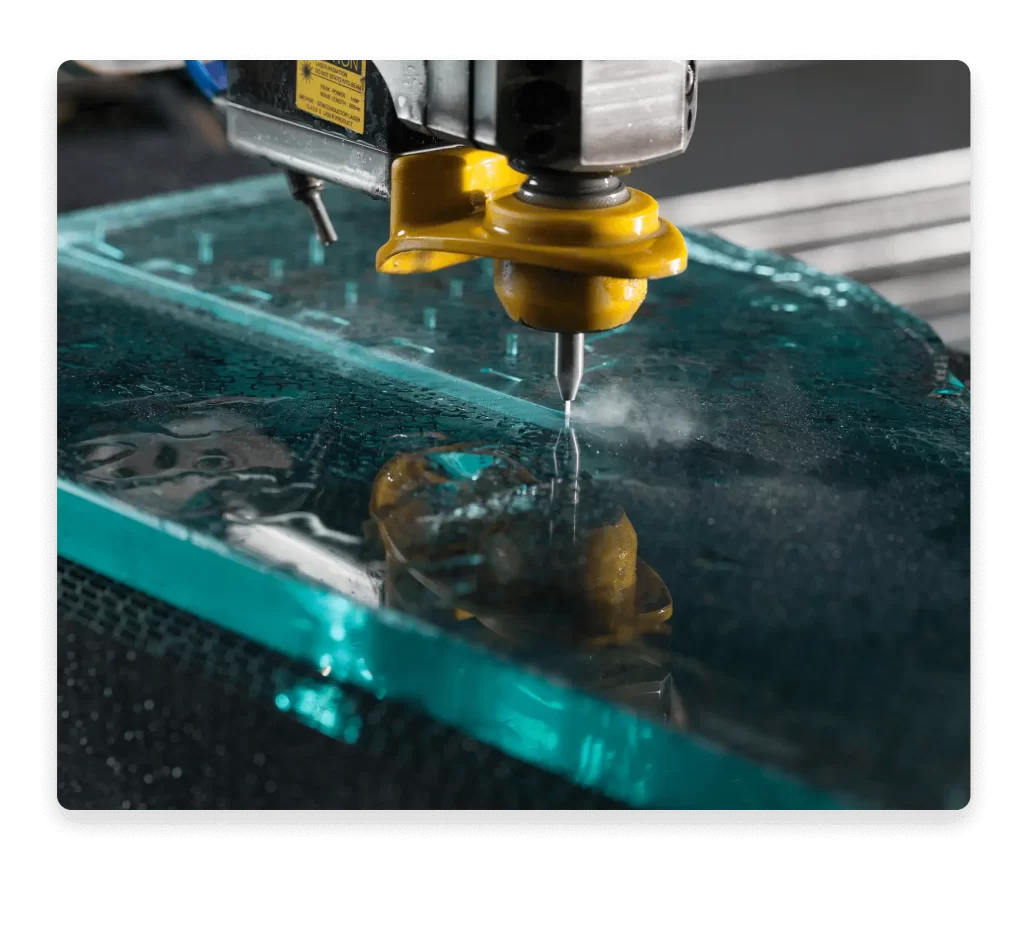
Precision Cutting with Water Jet Technology
Milling Glass
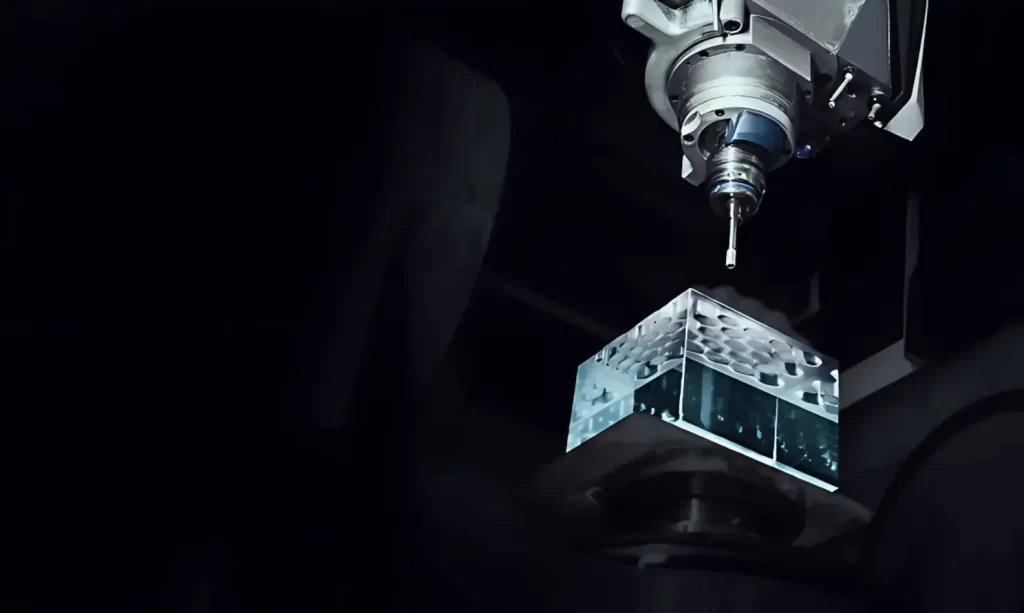
CNC Glass Milling
Milling glass involves the removal of glass material to add slots and channels. It is suitable for adding grooves and complex geometries. Precision machining helps reduce cracks and tool wear using diamond-coated tools and coolants.
Optical Machining
Optical machining uses CNC machines to shape lenses and other optical parts. It is a high-precision subtractive manufacturing process to create ultra-smooth surfaces. It is ideal for optical component manufacturers where a single scratch can blur an image. It is vital for aerospace, telecom, and medical devices.
Laser Cutting
Laser cutting uses a focused beam to fracture glass in a controlled way. Instead of melting or vaporizing, it makes clean breaks for smooth, precise cuts. It is often used alongside CNC glass cutting when fine patterns are required.
Laser cutting is a computer-controlled process that uses a beam to cut, melt, or vaporize materials. This method is used to melt or fracture glass with precision.
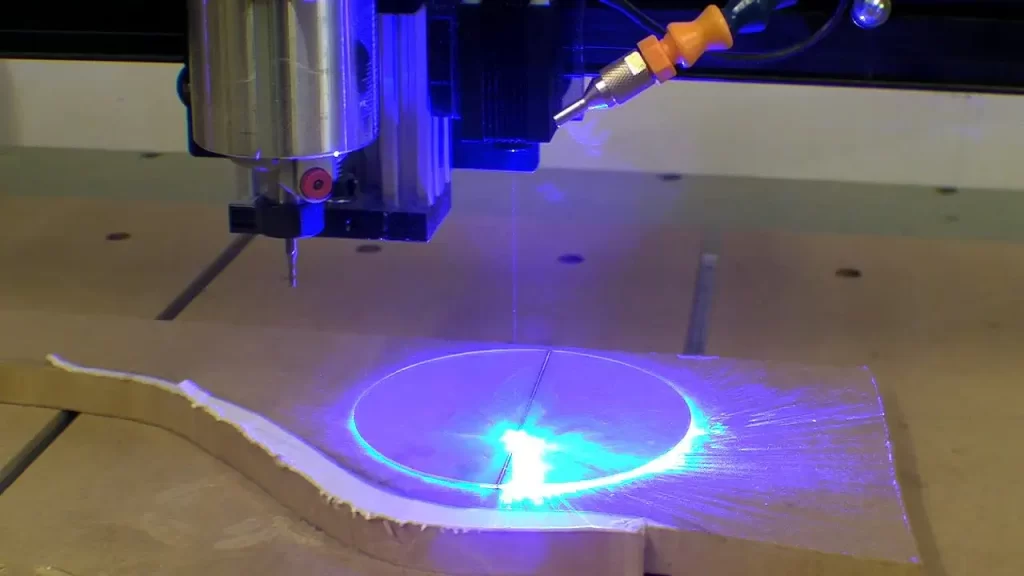
High-Precision CNC Laser Cutting Process
Traditional Grinding vs CNC
Glass grinding removes imperfections and prepares surfaces for further processing. CNC grinding is faster, precise, and better for high-volume production than traditional methods. Precision machining with CNC machining is a preferred choice for scalable production. It achieves higher tolerance, better repeatability, and faster turnaround.
Stage 5: Finishing and Polishing
Finishing and polishing restores the transparency of the freshly machined glass. Polishing removes microdefects and sharp edges. It prepares it for high-performing applications. Finishing is never optional because a tiny imperfection can make the lens unusable. In some cases, tempering or strengthening can be applied to enhance durability.
Stage 6: Inspection and Quality Control
The final stage is the inspection and quality control. Every component is carefully examined for any deviation from the original design requirements. It ensures that the part meets strict ISO/ASTM standards. Measurements for thickness, flatness, and surface roughness confirm the machining quality.
What Are the Benefits of Precision Glass Machining?
CNC precision machining offers many benefits. That’s why it is the preferred technique for glass in industrial and artistic applications:
- Precision: CNC machines can produce glass components with precise requirements. This accuracy is crucial, as even the smallest variation can impact the end product. It is ideal for glass parts in sectors like aerospace, medical, and electronics.
- Freedom of design: CNC machining can handle intricate designs, which is one of its benefits. Manufacturers can create distinctive and complex designs with this customizing feature. This will be impossible to do with traditional glass shaping techniques.
- Consistency at scale: CNC ensures every piece matches the same specification with consistency at scale. So, it’s possible to make a single prototype or a thousand identical parts.
- Faster turnaround: CNC machining reduces lead time from design to production than manual techniques. Meeting strict deadlines and increasing production depend on this efficiency.
- Material efficiency: By precisely cutting glass with predetermined requirements, CNC machining reduces wastage. Both costs and environmental impact are decreased by this economic use of resources.
- Versatility across materials: CNC machines are adaptable instruments in the glass production business. They can handle many types and patterns of glass, like G10 FR4 materials or glass-filled nylon. This versatility across materials makes it possible to explore new products and applications.
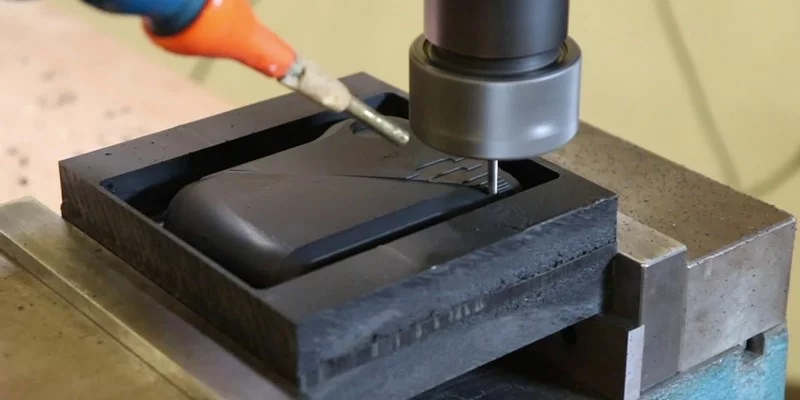
CNC Milling Process on Mold Material
- Cleaner finishes: Additional finishing procedures are less necessary. Since CNC machines produce clean, smooth cuts. Smooth and clean surfaces are essential for the manufacturing of medical devices and other applications.
- Safer operations: Automated CNC procedures increase safety. Safe operations eliminate direct human contact with the cutting machinery. This is crucial in glass machining since handling and cutting can be dangerous.
Try Ancastings Now!
Does CNC Machining Glass Have Any Drawbacks?
CNC glass machining has many benefits. It also has certain limitations that industries must consider before implementing this process. Understanding these disadvantages is critical for optimized precision machining in glass machining operations.
- Material Fragility: Glass is naturally fragile. This causes challenges during the CNC glass cutting procedure. The risk of cracking remains particularly with intricate cuts or thin glass sheets.
- Cost: CNC glass methods need considerable upfront equipment and setup costs. It can be too expensive for smaller projects or enterprises. So, CNC machining is less cost-effective than laser cutting or manual procedures.
- Operational Complexity: CNC glass machining demands trained workers who understand both the hardware and software parts. Projects can become more complicated and expensive due to the need for expertise and training.
What Are the Main Challenges in Machining Glass?
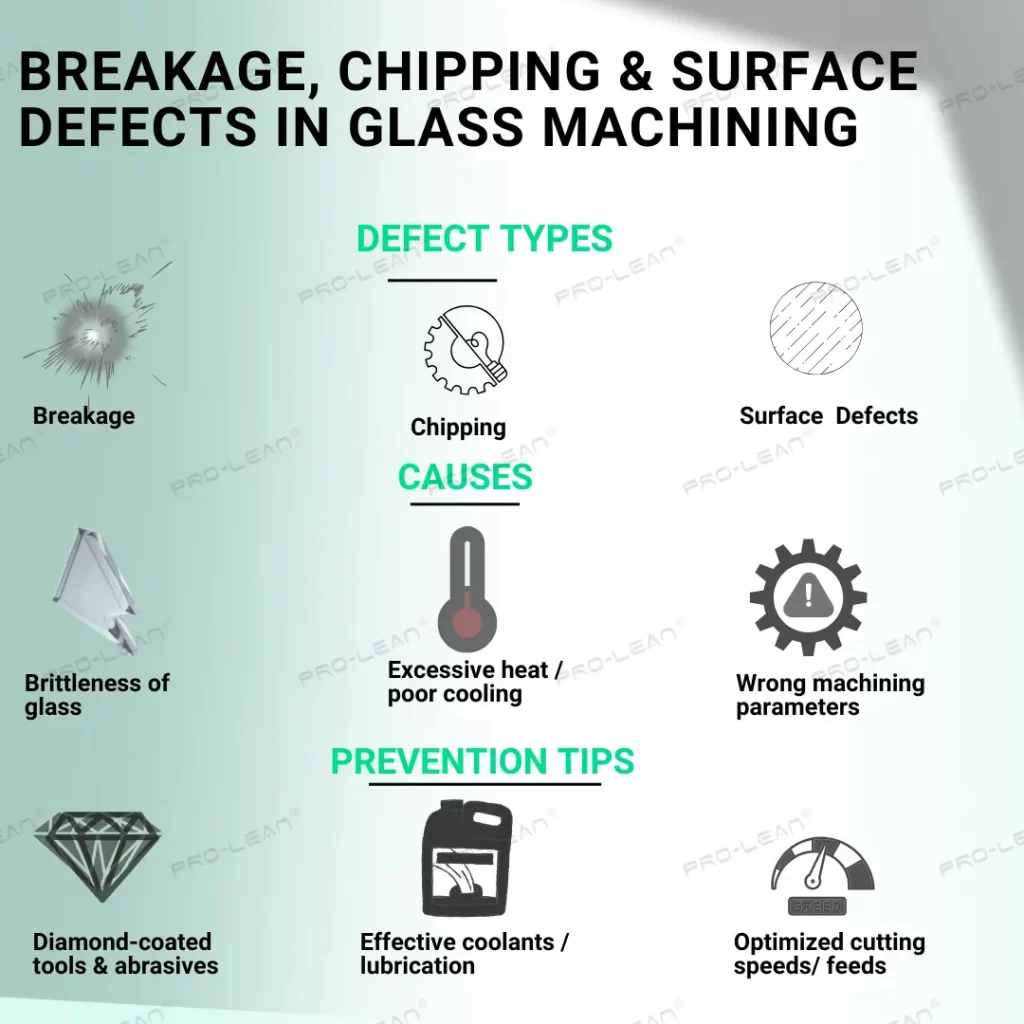
Breakage, Chipping & Surface Defects in Glass Machining
Machining glass is challenging, even with technology like CNC glass systems. The manufacturers must handle issues due to the material’s special qualities.
Tool Wear, Brittleness, and Micro-Cracks
Glass is brittle. It is likely to chip or break during cutting or milling. Additionally, dealing with hard or reinforced glass causes tools to wear down quickly. It necessitates diamond-coated bits and careful supervision.
Heat Sensitivity → Coolant Usage
Heat produced by high friction during precise machining can deform the glass. Maintaining structural integrity and surface quality requires the proper coolant system.
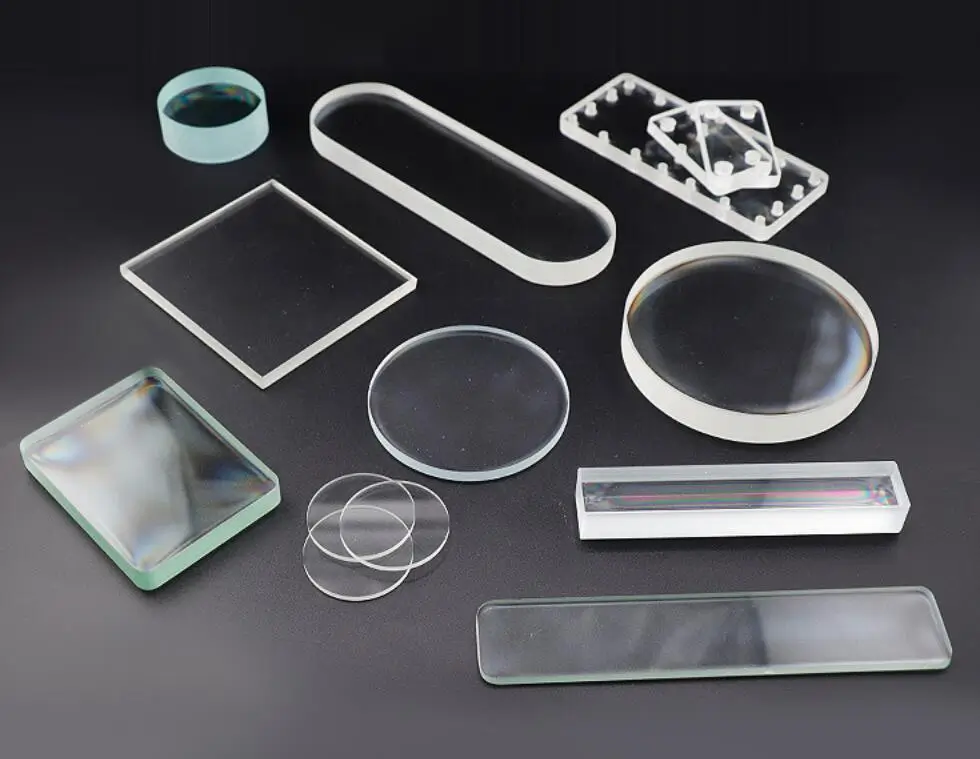
Assorted Precision-Cut Glass Components
Cost Drivers
Investments in machinery, programming, and skilled operators are necessary for CNC glass machining. Budget planning is crucial, as diamond tools and abrasives raise the cost per part.
Mitigation Strategies
Ancastings handles these challenges by:
- Choosing the best tools and machining speeds
- Using cutting-edge lubrication and cooling systems
- Putting in place stringent quality checks to identify flaws early
- Streamlining CNC machining processes to cut down on waste and rework
What are the Applications of Glass CNC Machining?
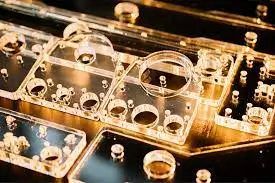
CNC Machined Acrylic Parts
Glass CNC machining is extremely flexible. It allows for a wide range of applications across several sectors. Its capacity to create complicated forms makes it essential in many high-tech industries.
- Optical Industry: Makes quality lenses, prisms, and other optical components. It is necessary for clarity and performance.
- Semiconductor Industry: Used in the production of wafers and other sensitive components. Ensures precise dimensions and smooth surfaces.
- Biotechnology and Medical Devices: Required to create complex devices used in medical diagnostics and therapies. Accuracy is critical for device efficacy.
- Aerospace and Defense: Provides the capacity to create strong yet lightweight glass components.
- Automotive Industry: Used to produce glass components for windows, mirrors, and display covers. Both visually beautiful and long-lasting products are made in the automotive industry.
- Electronics & Consumer Goods: Produce electronic parts like glass displays and protective coverings with accurate and long-lasting.
- Home Appliances and Decor: CNC machining helps to create decorative and useful parts to blend style and utility.
- Telecommunication: The industry machines glass parts for fiber optics and other communication technologies.
- Art & Design: Makes intricate sculptures and artworks with repeated and exact adjustments for artists.
- Research and Development: Facilitates prototypes and experimental designs, enabling researchers to investigate novel glass use applications.
Try Ancastings Now!
What is the Glass CNC Machining Process at Ancastings?
Ancastings is a pioneer in on-demand production, offering superior CNC machining for glass. We use cutting-edge equipment such as Olympus XRF analyzers, Hexagon CMMs, and HAAS CNC mills and lathes. This ensures accuracy, repeatability, and high-quality results across industries.
Here’s a look at their all-inclusive procedure:
- Step 1: Material Examination: All materials are thoroughly inspected upon arrival to meet quality standards. This is critical in glass machining for protecting the end product’s integrity.
- Step 2: Machining Glass Components: To meet a wide range of industrial needs, Ancastings shapes glass components using cutting-edge CNC technology. They are ideal for intricate designs because of their capacity to handle complex geometry.
- Step 3: Quality Control in CNC Glass: Each item is thoroughly checked throughout the machining process. The first part is inspected for performance to ensure accuracy before full production.
- Step 4: Post-Processing & Finishing: Parts undergo any necessary post-processing after milling or cutting. This includes cleaning, polishing, and treatments to increase the glass’s durability and appearance.
- Step 5: Final Inspection & Testing: The final step is a comprehensive examination and a series of tests. It ensures that the parts meet all functional and dimensional specifications. Comprehensive reports and certifications are provided to ensure product quality and correctness.
- Step 6: Packaging & Shipping: Finished items are packaged with care and shipped securely. Ancastings ensures safe delivery by strict quality control until products reach the consumer. Every component is examined according to ASTM and ISO standards before shipment. We ensure clients receive glass components for practical usage in this way.
Conclusion
Glass machining is a blend of accuracy, adaptability, and scalability. The method includes CNC glass cutting, milling, water jet cutting, and optical machining. It allows businesses to produce clean, accurate, and repeatable outcomes.
Ancastings combines skills with cutting-edge machinery and strict quality assurance. We specialize in glass and composite materials. Are you prepared to begin your next project? Get in touch with Ancastings for custom CNC machining services for highly accurate solutions.
FAQs
Can a CNC machine tempered glass?
Tempered glass is not a good choice for CNC glass machining. Tempered sheets are prone to breaking during machining due to their internal tension. Tempered glass is typically cut before the tempering process instead.
What’s the difference between CNC glass cutting and water jet cutting?
Precision tools are used in CNC glass cutting to create fine details and complex designs. In contrast, water jet cutting uses high-pressure streams with abrasives. Since it is more effective in quickly cutting thicker or bigger pieces of glass, each has a role; CNC glass cutting provides more precise tolerances.
What is optical machining used for?
Optical machining is used to create high-precision components like mirrors, prisms, or lenses. Industries like aerospace, telecom, and medicine use it for smooth surfaces and tight tolerances.
What tolerances are achievable in glass machining?
Modern precision machining allows for tolerances as tight as a few microns. This precision ensures glass parts meet strict optical, medical, and electronic standards.