
[et_pb_text content_tablet=”

Sheet metal embossing is a highly specialized process used to create patterns and designs on metal sheets, enhancing their aesthetic appeal and structural integrity. As a vital aspect of modern manufacturing, embossing contributes to a variety of industries, from automotive to construction. Despite its many advantages, the process can be prone to certain defects that may negatively impact product quality and operational efficiency.
This article explains common defects that can occur during sheet metal embossing, their causes, and ways to prevent them. It also provides a detailed overview of the embossing process, including types of embossing and their significance in sheet metal fabrication.
Sheet Metal Embossing: A Closer Look 

Sheet metal embossing is a critical process in many industries. It’s a technique that’s employed to imprint a specific pattern onto a metal sheet under high pressure, either mechanically or hydraulically.
There are two main types of embossing:
- Raised Embossing: This process creates a pattern that protrudes from the metal sheet. It’s achieved by pressing a male and female die together with the metal sheet in between. The high pressure causes the metal to mold into the die’s pattern, producing a three-dimensional effect.
- Sunken Embossing: This is the inverse of raised embossing. The design is indented into the material, resulting in a recessed pattern. It’s achieved by pressing the material into a die with a raised design.
Table 1: Comparing Raised and Sunken Embossing
| Raised Embossing | Sunken Embossing | |
|---|---|---|
| Process | Male and female die press together, raising the metal to form the pattern. | Metal sheet pressed into die, creating a recessed pattern. |
| Appearance | Three-dimensional, protrudes from surface. | Indented, recedes into the surface. |
| Application | Used when structural strength is needed; often seen in automotive and aerospace parts. | Common in decorative applications, e.g., jewelry and coins. |
Importance of Embossing in Sheet Metal Fabrication
Embossing is more than just creating appealing patterns on sheet metals. It serves functional purposes too:
- Structural Stability: The embossing process adds rigidity and structural strength to the metal sheets, reducing the risk of deformation under load.
- Increased Surface Area: Embossed patterns increase the surface area of the metal sheet, which can be advantageous in applications like heat exchangers.
- Non-Skid Surfaces: Embossed patterns can make surfaces less slippery, providing safety benefits.
” content_phone=”
Sheet metal embossing is a highly specialized process used to create patterns and designs on metal sheets, enhancing their aesthetic appeal and structural integrity. As a vital aspect of modern manufacturing, embossing contributes to a variety of industries, from automotive to construction. Despite its many advantages, the process can be prone to certain defects that may negatively impact product quality and operational efficiency.
This article explains common defects that can occur during sheet metal embossing, their causes, and ways to prevent them. It also provides a detailed overview of the embossing process, including types of embossing and their significance in sheet metal fabrication.
Sheet Metal Embossing: A Closer Look
Sheet metal embossing is a critical process in many industries. It’s a technique that’s employed to imprint a specific pattern onto a metal sheet under high pressure, either mechanically or hydraulically.
There are two main types of embossing:
- Raised Embossing: This process creates a pattern that protrudes from the metal sheet. It’s achieved by pressing a male and female die together with the metal sheet in between. The high pressure causes the metal to mold into the die’s pattern, producing a three-dimensional effect.
- Sunken Embossing: This is the inverse of raised embossing. The design is indented into the material, resulting in a recessed pattern. It’s achieved by pressing the material into a die with a raised design.
Table 1: Comparing Raised and Sunken Embossing
| Raised Embossing | Sunken Embossing | |
|---|---|---|
| Process | Male and female die press together, raising the metal to form the pattern. | Metal sheet pressed into die, creating a recessed pattern. |
| Appearance | Three-dimensional, protrudes from surface. | Indented, recedes into the surface. |
| Application | Used when structural strength is needed; often seen in automotive and aerospace parts. | Common in decorative applications, e.g., jewelry and coins. |
Importance of Embossing in Sheet Metal Fabrication
Embossing is more than just creating appealing patterns on sheet metals. It serves functional purposes too:
- Structural Stability: The embossing process adds rigidity and structural strength to the metal sheets, reducing the risk of deformation under load.
- Increased Surface Area: Embossed patterns increase the surface area of the metal sheet, which can be advantageous in applications like heat exchangers.
- Non-Skid Surfaces: Embossed patterns can make surfaces less slippery, providing safety benefits.
” content_last_edited=”on|desktop” _builder_version=”4.27.7″ _module_preset=”default” hover_enabled=”0″ global_colors_info=”{}” sticky_enabled=”0″]
Sheet metal embossing is a highly specialized process to create patterns and designs on metal sheets, enhancing their aesthetic appeal and structural integrity. As a vital aspect of modern manufacturing, embossing contributes to various industries, from automotive to construction. Despite its many advantages, the process can be prone to certain defects that may negatively impact product quality and operational efficiency.
This article explains common defects during sheet metal embossing, their causes, and ways to prevent them. It also provides a detailed overview of the embossing process, including types of embossing and their significance in sheet metal fabrication.
Sheet Metal Embossing: A Closer Look 
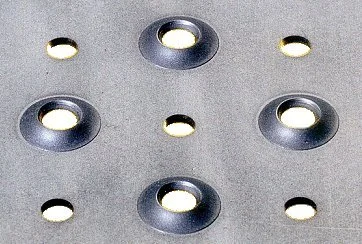
Sheet metal embossing is a critical process in many industries. It’s a technique for imprinting a specific pattern onto a metal sheet under high pressure, either mechanically or hydraulically.
There are two main types of embossing:
- Raised Embossing: This process creates a pattern that protrudes from the metal sheet. It’s achieved by pressing a male and female die together with the metal sheet in between. The high pressure causes the metal to mold into the die’s pattern, producing a three-dimensional effect.
- Sunken Embossing: This is the inverse of raised embossing. The design is indented into the material, resulting in a recessed pattern. It’s achieved by pressing the material into a die with a raised design.
Table 1: Comparing Raised and Sunken Embossing
| Raised Embossing | Sunken Embossing | |
|---|---|---|
| Process | Male and female die press together, raising the metal to form the pattern. | Metal sheet pressed into the die, creating a recessed pattern. |
| Appearance | Three-dimensional protrudes from the surface. | Indented, recede into the surface. |
| Application | Used when structural strength is needed; often seen in automotive and aerospace parts. | Common in decorative applications, e.g., jewelry and coins. |
Importance of Embossing in Sheet Metal Fabrication
Embossing is more than just creating appealing patterns on sheet metals. It serves functional purposes too:
- Structural Stability: The embossing process adds rigidity and structural strength to the metal sheets, reducing the risk of deformation under load.
- Increased Surface Area: Embossed patterns increase the surface area of the metal sheet, which can be advantageous in applications like heat exchangers.
- Non-Skid Surfaces: Embossed patterns can make surfaces less slippery, providing safety benefits.
Common Defects in Sheet Metal Embossing
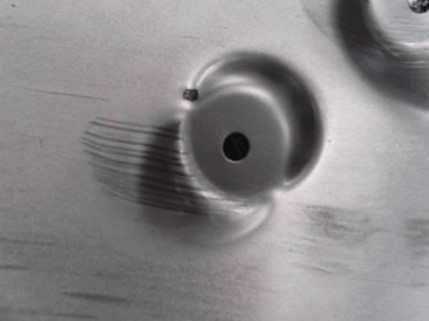
Despite its effectiveness, the embossing process isn’t immune to defects. Defects may arise due to a myriad of reasons, including improper setup, poor working conditions, or subpar material quality.
- Incomplete or Shallow Embossing: The pattern fails to imprint fully on the metal sheet, resulting in a design that’s weak or barely visible. This typically happens when the pressure applied is insufficient, or the die and sheet are misaligned.
- Over-Embossing: Excessive pressure causes the pattern to become too deep, potentially weakening the metal sheet.
- Pattern Distortion: The embossed design appears irregular or deformed. This is often due to die wear, machine vibration, or uneven pressure.
- Surface Scratches or Dents: The metal sheet’s surface sustains damage during the embossing process, affecting the final product’s aesthetic and functional quality.
Root Causes of These Defects
Understanding the root causes of these defects is key to devising effective mitigation strategies. Here are the main culprits:
- Incorrect Press Setup: Misalignment or inappropriate pressure settings can lead to shallow or inconsistent embossing.
- Poor Material Quality: Substandard materials can be more prone to surface damage or may not hold the embossed pattern effectively.
- Unfavorable Operational Conditions: External factors like temperature, press speed, and die condition can also affect the embossing process.
Table 2: Root Causes and Corresponding Defects in Embossing
| Defect | Root Cause |
|---|---|
| Incomplete or Shallow Embossing | Insufficient pressure, Die, and sheet misalignment |
| Over-Embossing | Excessive pressure |
| Pattern Distortion | Die wear, Machine vibration, Uneven pressure |
| Surface Scratches or Dents | Poor material quality, improper handling |
The correlation between defects and root causes is often complex, with multiple factors potentially contributing to a single defect. Thus, a holistic approach is needed when addressing these issues.
Try Ancastings Now!
Mitigating Measures for Embossing Defects
- Proper Machine Setup: Ensuring that the press setup is correct, including alignment and pressure settings, can help prevent defects related to inconsistent embossing.
- Regular Inspection and Maintenance: Regularly inspecting and maintaining the embossing machine, particularly the dies, can reduce the occurrence of defects due to machine wear or malfunction.
- Quality Control of Materials: Selecting high-quality materials and ensuring they are stored and handled correctly can minimize damage-related defects.
- Control of Operational Conditions: Monitoring and controlling factors such as temperature and speed can improve the overall embossing process.
Table 3: Mitigating Measures and Corresponding Defects in Embossing
| Defect | Mitigating Measures |
|---|---|
| Incomplete or Shallow Embossing | Proper Machine Setup |
| Over-Embossing | Proper Machine Setup |
| Pattern Distortion | Regular Inspection and Maintenance |
| Surface Scratches or Dents | Quality Control of Materials, Control of Operational Conditions |
The Role of Quality Control in the Embossing Process
Quality control is crucial in every aspect of manufacturing, including embossing. Ensuring that the embossed patterns meet the desired specifications is key to producing high-quality products. Regular inspections can help identify potential issues before they escalate, saving both time and resources in the long run.
Furthermore, continuous improvement, facilitated by regular quality audits, is essential for maintaining a competitive edge in today’s fast-paced manufacturing environment.
Ancastings’ Sheet Metal Embossing Services: Precision at its Best
Our Sheet Metal Embossing Services combine state-of-the-art technology and experienced professionals to deliver precision and consistency. We prioritize customer satisfaction, taking every step necessary to minimize machining defects and maximize quality. With rigorous quality control, we ensure optimal embossing results that meet even the highest industry standards.
Key highlights of our Services:
- Use of advanced embossing machines for precision and consistency.
- Regular training for operators to stay updated with the latest techniques and safety protocols.
- A robust quality control system to ensure high-quality results.
- Proactive machine maintenance to minimize downtime and maintain optimal performance.
- An unwavering commitment to customer satisfaction.
Conclusion
Sheet metal embossing is a vital process in many industries because it provides aesthetic value and functional benefits to metal components. However, like any manufacturing process, it comes with its challenges, particularly defects that can compromise the quality of the final product.
Understanding these defects, their root causes, and how to mitigate them is crucial for any organization in the sheet metal fabrication industry. Armed with this knowledge, manufacturers can take proactive steps to improve their processes and reduce the occurrence of these defects, ensuring a higher-quality output.
On the other hand, outsourcing to an experienced manufacturer like Ancastings can save time and ensure consistent quality. Our sheet metal service combines skilled engineering, modern equipment, and strict quality control to produce precision-embossed sheet metal parts for a wide range of industrial applications.
FAQs
What is sheet metal embossing?
Sheet metal embossing is a manufacturing process that involves imprinting a specific pattern onto a metal sheet under high pressure, either mechanically or hydraulically.
What are the common defects in sheet metal embossing?
Common defects include incomplete or shallow embossing, over-embossing, pattern distortion, and surface scratches or dents.
What causes these defects in the embossing process?
Defects can be caused by various factors, such as incorrect press setup, poor material quality, and unfavorable operational conditions like temperature and press speed.
What are some ways to mitigate these defects?
Mitigating measures include proper machine setup, regular inspection and maintenance, quality control of materials, and control of operational conditions.
What role does quality control play in the embossing process?
Quality control is crucial in ensuring the embossed patterns meet the desired specifications, identifying potential issues before they escalate, and facilitating continuous improvement.