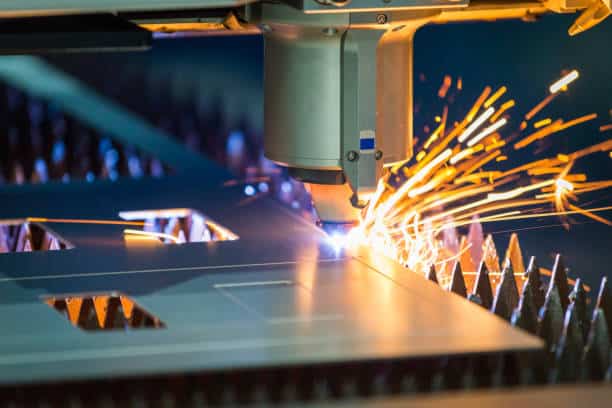
Silver is used frequently for electroplating as it provides unique properties, which differ from most other metals used for electroplating. Numerous people and industries have been using silver for centuries, and it has a good reason why. Silver provides better hardness and durability than the base metal when plated over other metals. It does this at a cheap cost compared to other metals with similar qualities, which allows it to be used expendable while manufacturing various applications. No doubt, silver is one of the best options if you need to be cost-effective while plating as it produces results similar to more expensive coating materials. So, silver has become one of the more popular metals used by people for coating because of these properties.
Methods of Silver Plating
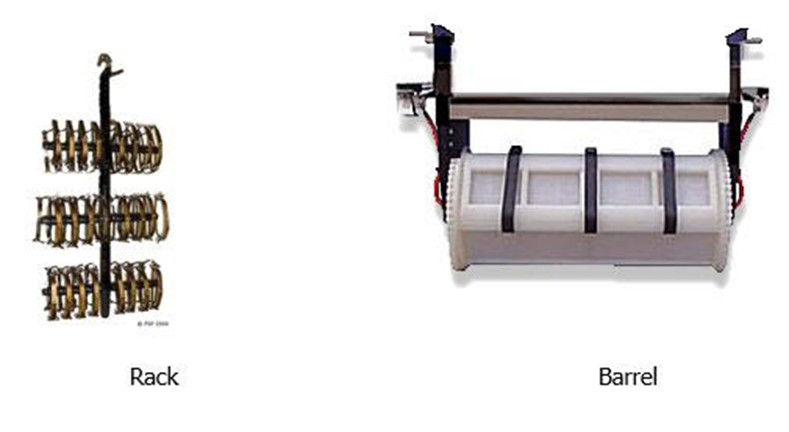
There are multiple methods for plating silver onto some other metal. The commonly used methods for electroplating silver consist of barrel plating and rack plating:
Barrel Plating
This method is advised to plate many small parts simultaneously. A barrel-shaped cage containing a non-conductive material is used into which the substrates are placed. An electrolytic solution of silver ions is used to submerge the cage; bipolar contact is established between each piece. It results in a higher chance of the plating efficiency being uniform.
Rack Plating
The rack is used for submerging the substrate into the ionic solution by attaching the substrate onto the rack using screws and hooks. The silver ions start forming a layer over the product as the screws conduct an electrical current. Suppose the substrate you are dealing with is large or is quite delicate. In that case, it is advised to use this technique.
Silver Plating Process
Silver plating is a simple and most straightforward process, which varies only according to which plating method you are using, either barrel or rack plating. The basic process goes as follows:
- Inspection
Before you start electroplating, you need to examine the part to look for impurities and faults such as cold shuts or sharp edges and remove these issues. Remember that these issues need to be looked over and immediately removed because if it is not done correctly, then the quality of the silver plating will drop, causing problems for you or your customers. - Pre-Treatment
Perform all procedures or pre-treatments necessary for the metal to be coated before plating it with silver. A plating of copper, nickel, or both may also be done on the substrate under the plating of the silver. You can add an anti-tarnish or silver strike coating to achieve a specific result. When plating a copper or nickel layer of 0.0005 inches thickness before silver, the silver layer should be of 0.0005 inches thickness for a total of 0.0010 inches. - Electroplating
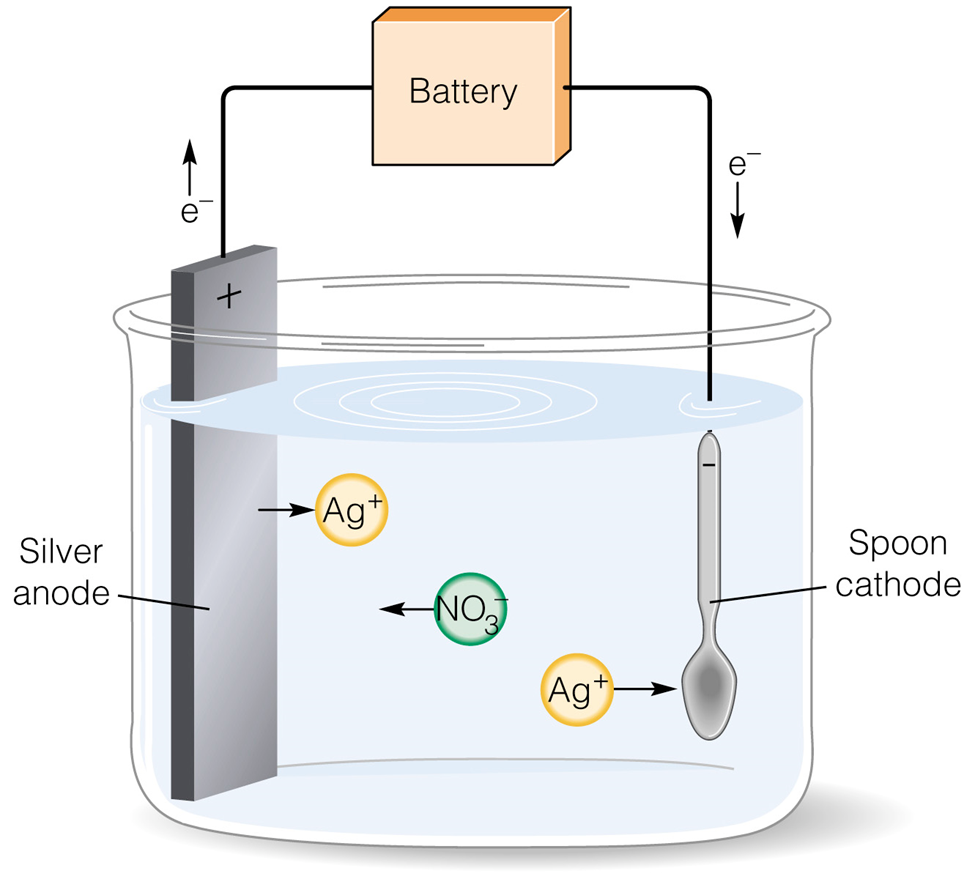
For plating metal with silver, you need to put it into a bath of silver ions and completely submerge it. After the metal parts have been submerged, you pass an electric current through the solution, causing the silver ions in the bath to form a layer on the metal’s surface.
Cost of Plating with Silver
Compared to other methods using different types of metals, silver plating is more cost-effective due to its commonality. Various factors are taken into consideration, which determines the cost of the silver plating, including the number of parts you will be plating, how thick you want the coating, the size of the pieces, and the plating method that you use. The cost for silver plating will also vary from time to time as the market prices for silver can fluctuate.
Benefits of Silver Electroplating
Silver electroplating offers a variety of unique benefits due to its convenient and high-quality nature. For your next set of metal parts, which you will produce, you will find a lot of reasons to use this method over the rest. Some of the advantages are given below:
- Corrosion Resistance
Silver is one of the best options if you are looking for a material, which remains resistant to corrosion. Using silver as a coat on your metal also makes your metal substrate resistant to corrosion. Silver provides you with the most durable product for your money’s worth. - Conductivity
Silver possesses a high electrical and thermal conductivity level, which makes it perfect for electrical and high-heat applications. Silver is often used for its conductive properties by automobile manufacturers, aerospace engineers, and electronics developers. - Lightweight
Silver remains lightweight and easy to work with, despite its high durability. When working with metallic parts, which will ultimately join together, it is necessary to have high soldering potential or solderability. Even when applied to skinny layers, such as 0.0003 inches thickness, silver is still able to impart all of its superior qualities. - Antibacterial
Bacteria growth and harmful organisms that can harm the human body are fought against and resisted by this noble metal – silver. Medical devices entering or coming in contact with the body, such as stethoscopes and insulin pumps, require this characteristic of silver.
Potential Drawbacks of Silver Electroplating
Applying an anti-tarnish coating on the silver plating is essential to retain the product’s appearance as the metal can tarnish otherwise. If this factor is of concern to you as it is not for some, you can choose to apply an anti-tarnish treatment during the process.
It is not uncommon for the adhesion to lose its effect during the electroplating process in any metal. The substrate’s surface is the cause of this phenomenon. Essentially, there might be particles, oils, or particular metal alloys present to interfere with the coating’s effectiveness.
In silver plating with any metal, dull spots can also appear on the plating, similar to the adhesion loss. There are different reasons these problems can arise, such as the electric current being interrupted during distribution or the temperature being wrong in the ion solution. Many of these plating concerns can be eliminated by choosing the right plating experts. Working with silver is lucrative, but it can produce faults if the manufacturer does not handle it properly.
Industrial Applications of Plating with Silver
Numerous industries such as automotive, electronics, medical, and telecommunications commonly use silver plating. Multiple applications use this metal due to its versatile nature, enabling them to serve effectively. Some of these include but are not restricted to flatware and wearable medical devices. Silver-plated elements are incorporated into medical devices, increasing their electrical conductivity and enhancing their longevity. Sterile hospital environments are where silver’s antibacterial qualities shine by preventing the disease from spreading, which is vital.
Silver-plated materials are also present in the increasingly popular renewable energy sector due to their sustainable benefits. Clean energy products like solar panels and batteries are being developed with silver coatings by many companies. The electricity costs can get lowered for business people and individuals, relating the sun’s energy with the silver’s conductive properties.
Common Issues with Silver Plating
Even though silver electroplating is an efficient process, it can occasionally cause some problems, depending on the manufacturer and how they carry out the operation. For instance, all pre-treatments should be completed before starting the silver electroplating process on your substrates; these pre-treatments might include machining, welding, performing heat treatments, or soldering.
Problems might occur during the silver plating process if there are any imperfections such as hydrogen embrittlement or cracks. If the metal part is not treated for the problems mentioned above, it will cause poor adhesion and gaps in the coating coverage.
Troubleshooting Issues with Silver Plating
These issues should not dishearten you from attempting to the process of silver plating. The following troubleshooting methods can be used to solve the common problems:
- Complete Your Treatments
Before plating onto the product, ensure that all the thermal and mechanical treatments have been completed. During pre-treatment, use lubricants that can be easily removed. The chances of defective products drop when these precautions are applied, saving you time from needing to produce more substrates due to your customer getting the wrong product. - Avoid Sulfur
Silver tarnishes when it comes in contact with sulfur. So, the main reason for this reaction occurring is this substance. For keeping your materials from losing their shine, non-sulfuric elements and silver saver paper should be used while packing finished products. - Tell The Manufacturer
Inform your manufacturer if a different electroplating process is required due to specialized alloys on your substrate. The manufacturer will know how to handle your part better and apply plating in the correct order to preserve its function.
Final Words
Silver plating can provide you with many perks, but the condition is that the process must be handled with care and precision. Besides, the process of silver electroplating can offer multiple advantages ranging from excellent conductivity to reduced expenses, which are rarely obtained when plating with some other metals. However, always make sure to turn your face towards an expert plating service provider. Only then would you be able to receive the level of accuracy and care to develop an exceptional product. They will also help you choose the suitable plating technique for your industrial requirements, guaranteeing long-lasting and high-quality results.
Ancastings Can Help Your Manufacturing Project
Work with Ancastings, and you will receive exceptional products with the highest level of precision and excellent quality. Our team of engineers are experts in silver plating technology and will try their best to offer you the most suitable solution. Request an instant quote for your next manufacturing project.
We are specialized in offering CNC turning, 3, 4, and 5-axis milling services. We also provide a series of secondary processing options, packaging, assembly, and shipping to meet your diverse needs.
Learn more about our CNC machining services.
Other Articles You May be Interested in:
Fillet vs. Chamfer: What You Need to Know
Threaded Holes vs. Tapped Holes