
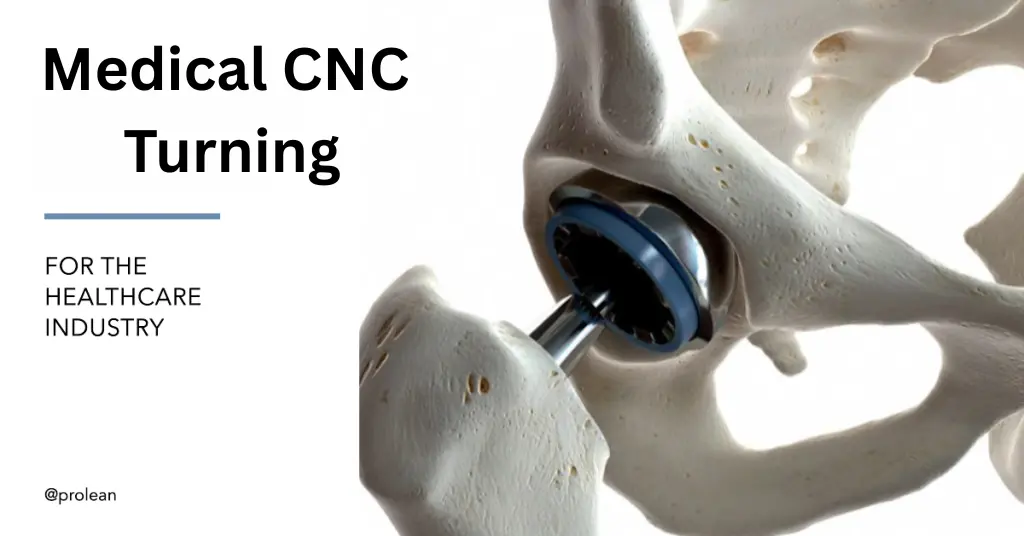
Medical CNC Turning
Medical CNC turning is an essential matching method in the evolving fields of healthcare and medical technology. The tools and components that make medical advancements possible must satisfy the strictest standards for quality, precision, and safety. The CNC (Computer Numerical Control) turning machines play an important role in high precision medical components.
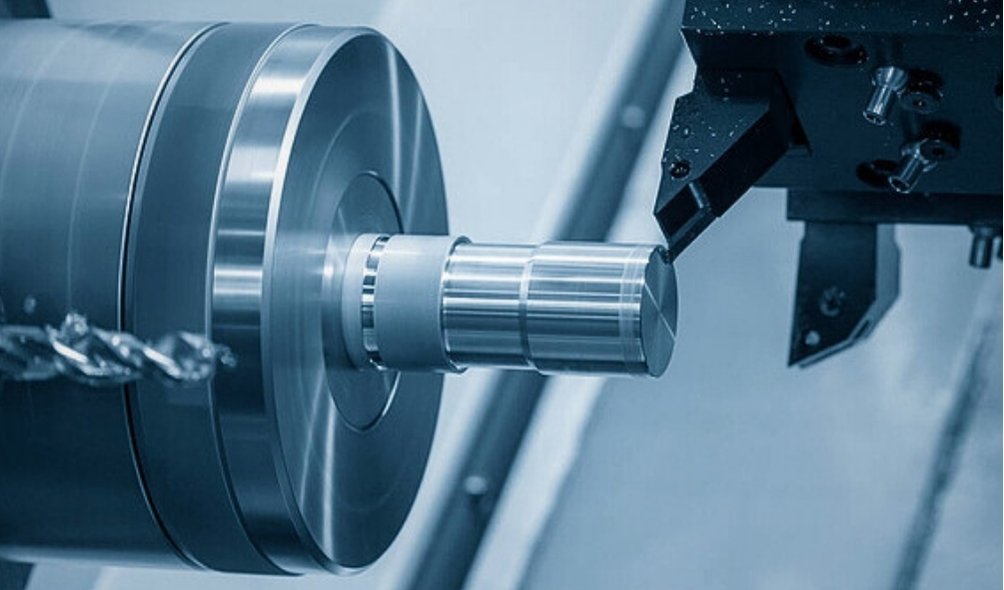
CNC Turning Process
CNC turning machines are a critical part of producing intricate surgical tools, life-altering orthopedic implants, and personalized dental prosthesis. The development of cutting-edge medical technology contributes to improving patient care and healing.
In this article, we will examine the world of medical CNC turning and its vital role in the medical sector. We’ll examine how these tools provide precision, efficacy, and adaptability to advance medical technology while adhering to stringent quality and regulatory requirements.
What Is Medical CNC Turning?
Medical CNC turning is a process for producing cylindrical components in the medical industry. CNC turning rotates a workpiece against a cutting tool on a lathe to create the required shape. This method is ideal for creating parts such as pins, screws, and rods that are used in medical applications.
This makes use of design software-created G-code and M-code predefined instructions. Cutting tools move along many axes as the workpiece rotates to remove metal. This produces intricate medical components with incredibly precise measurements. The medical business relies heavily on CNC machining. 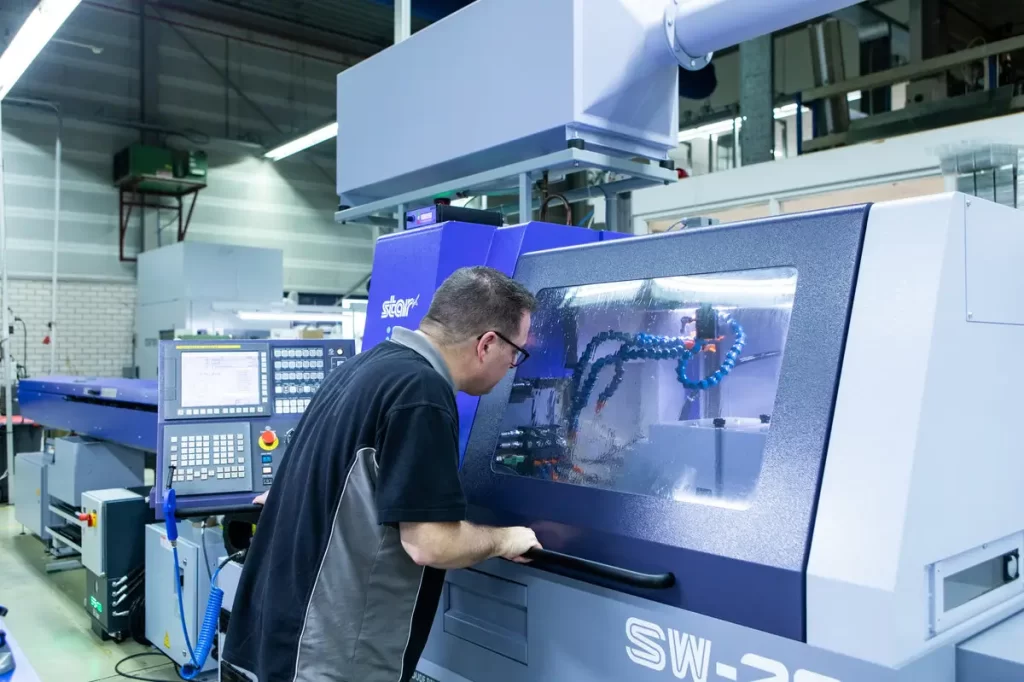
CNC Turning
Moreover, the CNC step turning technique is applicable when a cylindrical shaft with at least two distinct diameters is machined. Using a straight cutting turning tool, material is removed to create the smaller diameters, causing a step change in diameter.
Why CNC Turned Parts Are Critical in Medical Devices
CNC (Computer Numerical Control) turning parts are, in fact, necessary for the medical sector. They are consistent and reliable and act as life-saving devices. Even a small error in part dimension can cause device failure or patient risk in the medical device machining. The following factors make CNC turning parts essential to the medical industry:
- High Precision: CNC turned parts frequently require intricate geometries and extraordinarily tight tolerances, often within a micron (1 micron = 0.001 mm). Turning in CNC machining is known for its accuracy and precision, especially in the production of precision machined medical components. CNC precision turned parts include surgical screws, bone plates, and implant connectors.
- Customization: CNC turning machines can be programmed to produce customized CNC turned parts. This is particularly important in the medical field, where patient-specific implants and devices, such as orthopedic implants or dental crowns, are needed.
- Biocompatible Materials: CNC turning machines can process a wide range of materials, including biocompatible metals, like titanium, stainless steel (316L, 17-4PH), and PEEK, commonly used in medical device machining. Its versatility enables the production of medical components with materials customized to meet the particular requirements of each application.
- Productivity and Efficiency: Because CNC machines can operate continuously with minimal human intervention, production may be accomplished effectively. This is essential to the economic production method used in the medical sector.
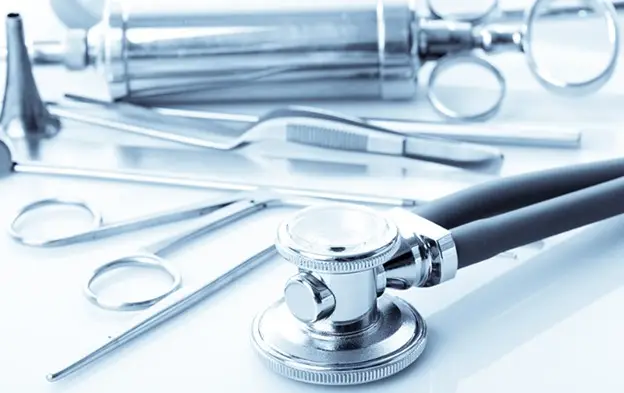
Medical Parts From Different Materials
- Complex geometries: Many precision-machined medical components are miniature and cylindrical in size and shape. This is ideal for CNC turning. For these vital medical components, CNC turning can provide the smooth surfaces, exact diameters, and intricate curves required while upholding strict tolerances and constant quality.
- Regulatory Compliance: Medical devices must adhere to stringent rules required in medical device machining, such as ISO 13485 and FDA guidelines. CNC turning may help ensure regulatory compliance when paired with the proper documentation and quality control processes.
Because of these advantages, CNC turned parts are the cornerstone of dependable precision-machined medical components utilized in a variety of medical device machining applications.
Important Parts of the Medical Turning Process
Each step plays an important role in the medical turning process to achieve the tight tolerances and intricate geometries required in modern medical devices.
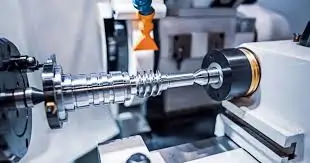
Importance of Turning Medical Parts
| CNC Turning Operation | Description |
| Lathe Operation | Workpiece rotation with linear tool movement, creating helical cutting paths. |
| Boring | Internal surface cutting technique is essential for producing cannulated surgical instruments. |
| Facing | Precise cutting of perpendicular faces to form critical mating surfaces. |
| Multi-axis Control | Simultaneous control of multiple axes to produce intricate and complex shapes. |
Try Ancastings Now!
CNC Precision Turning vs. CNC Milling: What’s Best for Medical Components?
CNC milling and CNC precision turning are both commonly used in medical manufacturing. CNC milling uses a revolving milling cutter to remove material from workpieces. The procedure guarantees that the material remains stationary while the tools create intricate features, extremely precise holes, and shapes, unlike CNC turning, which spins the product. This procedure allows you to generate intricate profiles and forms with greater precision compared to manual methods.
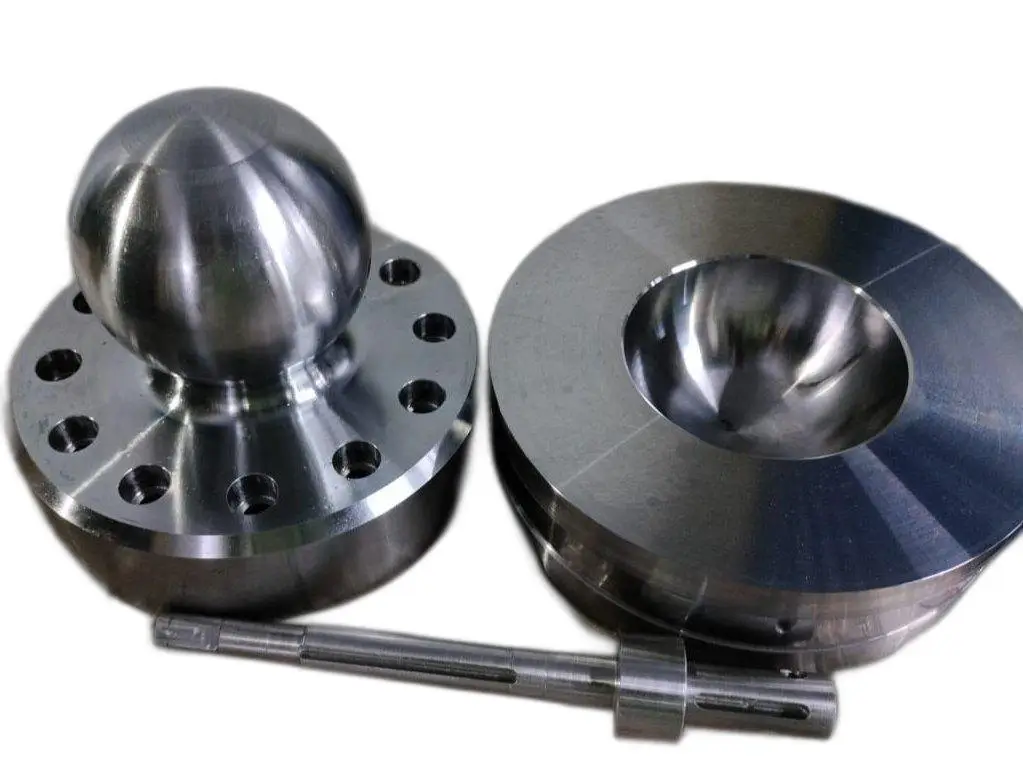
CNC Turning and Milling
CNC turning vs CNC milling provide high precision, but they also have some differences:
| Feature | CNC Precision Turning | CNC Milling |
| Primary Motion | Workpiece rotates; cutting tool remains stationary | Cutting tool rotates; workpiece remains stationary |
| Surface Finish | Excellent for smooth, round surfaces | Excellent for flat or sculpted surfaces |
| Typical Tolerance | Extremely tight (within microns) | High precision, but typically less tight than turning |
| Setup Time | Shorter for simple parts | Longer for multi-axis or complex parts |
| Multi-Axis Capability | Often includes Swiss-type or dual-spindle for intricate shapes | Often, 3- to 5-axis systems for full 3D machining |
| Applications in Medicine | Catheter hubs, bone screws, dental implants | Surgical instrument handles, device enclosures, orthopedic plates |
Benefits of CNC Turning Services for the Medical Industry
The advantages of employing CNC turning services extend beyond accuracy, even if CNC-turned components are necessary for medical equipment to operate. They give businesses strategic manufacturing benefits that support their continued innovation, compliance, and competitiveness.
CNC turning is proven effective in the medical field:
- CAD files are portable and flexible
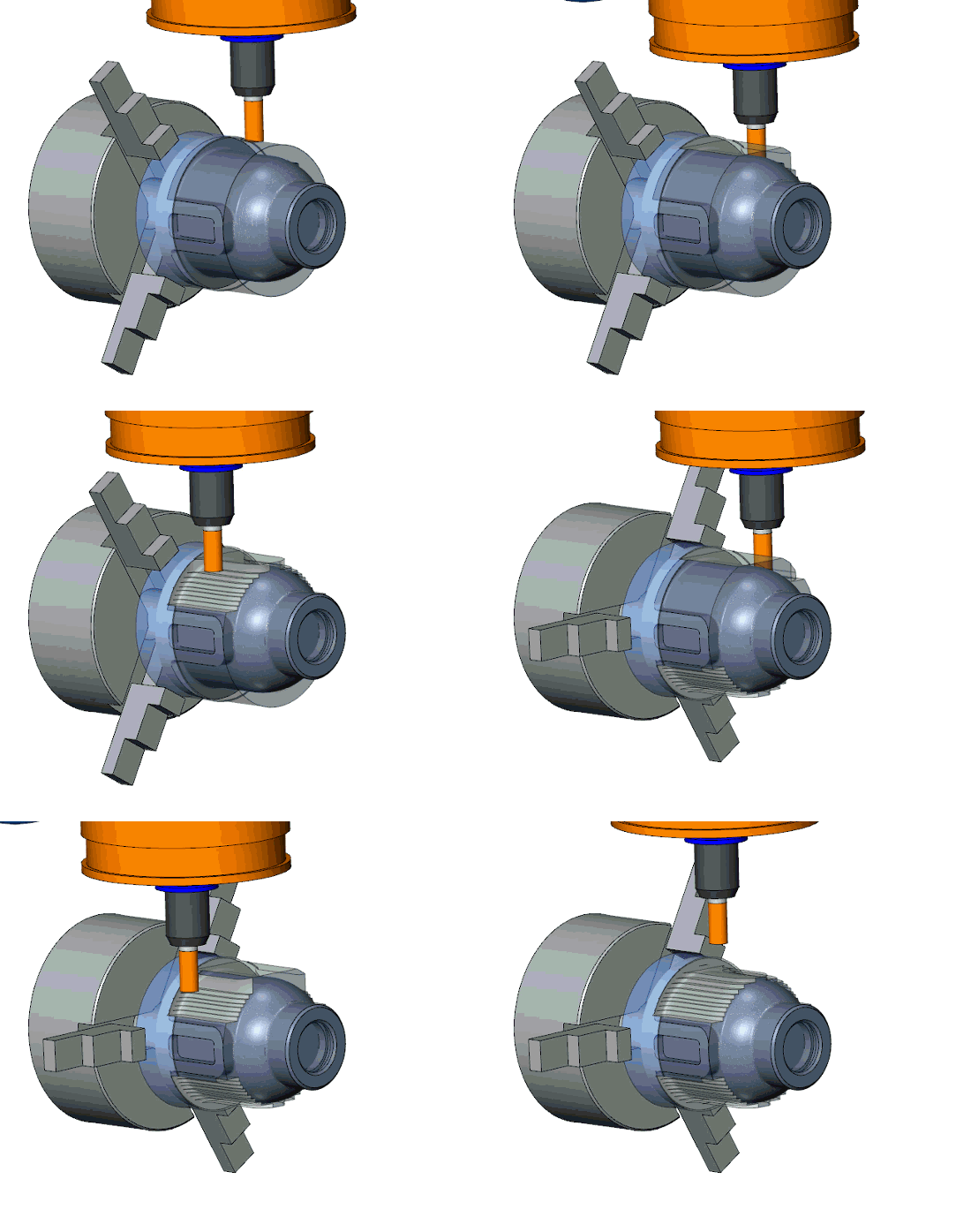
cnc turning and milling cad
Product designers and medical specialists can swiftly exchange digital CAD data to support CNC turning of medical parts. This technique significantly improves CNC machining’s capacity to produce superior specialist medical equipment and gadgets where and when they are most required.
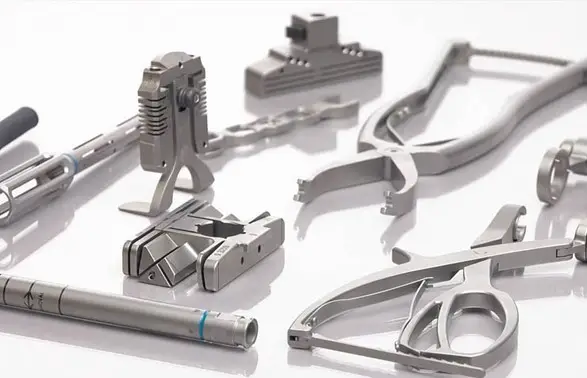
Machined Medical Parts
- Faster Time-to-Market
Medical producers can fulfill deadlines for new launches or urgent requests for medical supplies.CNC turning is used in manufacturing and prototyping.
- Cost Efficiency in Production
CNC turning lowers manufacturing costs with its rapid cycle times, reproducible quality, and little material waste, particularly for large quantities of standardized components.
- Precise and repeatable results
The ability of CNC turning machines to create parts with exceptionally high levels of precision and accuracy is crucial. Every part produced by the machine is consistent and satisfies the required standards when it can replicate a procedure precisely.
- Greater design flexibility
CNC turning can create challenging shapes and complex geometries, which can not be produced via conventional production techniques.
- Improved quality
CNC turning parts have precision and consistency, and they produce a high-quality final product. It is crucial that the machining process be precisely controlled to guarantee that the finished product satisfies all tolerances and criteria for medical parts and products.
- Enhanced safety
Because CNC precision machining eliminates the need for human labor, there is a lower chance of accidents or injuries occurring at work. Additionally, the automation of the machining process reduces the possibility of human error, improving the safety and quality of the final product.
- One-Stop Capabilities
Modern CNC turning centers frequently integrate drilling, tapping, milling, and turning into one operation. This guarantees feature alignment and cuts down on handling time.
- Scalability From Prototype to Production
CNC turning scales effectively without sacrificing precision, whether you want 100,000 units or 10 unique prototypes.
Swiss Turning in Medical CNC Machining
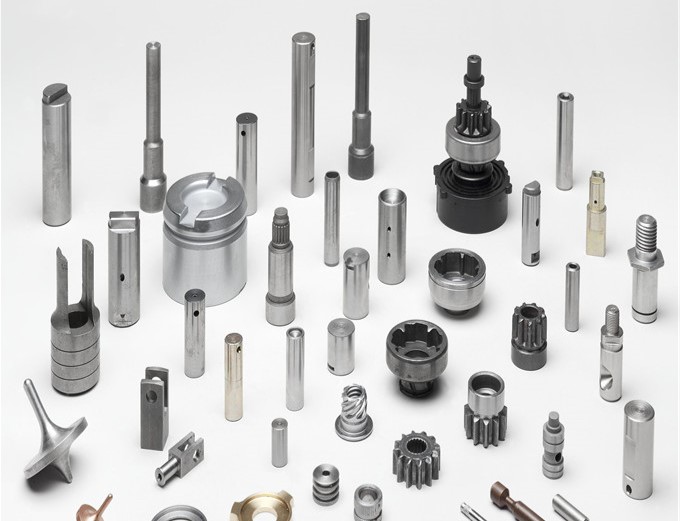
Swiss Turning Parts on the Desk
Computer-controlled (CNC) lathes with Swiss-style mechanics are used in the specialized machining process known as CNC Swiss turning. This technology is perfect for producing complex parts with tight tolerances because it provides unmatched control and accuracy in the production process. As a result, sectors including aerospace, military, and, of course, medical equipment that require a high degree of accuracy now resort to CNC Swiss turning.
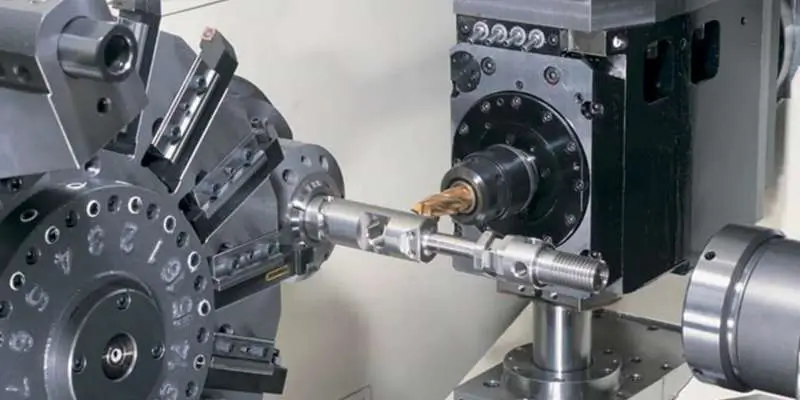
Swiss Machining
- CNC Swiss turning can produce parts with remarkable accuracy, guaranteeing that every component satisfies the most exacting specifications.
- Excellent surface finishes, which lower the need for extra finishing procedures and raise the standard of the finished product.
- CNC Swiss turns can work with a variety of materials; producers may choose the best material for each component without sacrificing quality or precision.
- The ability of Swiss turning machines to create many feature pieces in a single operation lowers the possibility of mistakes and boosts production efficiency.
Medical devices machining will continue to be dependable, secure, and efficient for many years to come, thanks to CNC Swiss turns.
Try Ancastings Now!
Choosing the Right CNC Turned Parts Manufacturer
Today’s market demands for nc precision turned parts due to their extreme accuracy, stringent safety, and performance requirements. To guarantee the efficacy and quality of CNC turning medical equipment, it is essential to choose the appropriate CNC turned parts manufacturer.
When selecting a manufacturing partner for the machining of your medical instruments, you should take into account the following three crucial factors:
- When searching for a trustworthy producer of machined medical equipment, ISO certification is a crucial factor. An ISO-certified management system, such as ISO 13485 and ISO 9001, attests to a business’s compliance with standardization and quality assurance requirements.
- Work with a CNC turned parts manufacturer that has a great deal of experience and knowledge in manufacturing medical parts and components. During the early stages of product development, such an experienced team may identify possible hazards and remedies. They may also offer insightful advice based on their knowledge and experience to help you get the results you want from your product.
- A manufacturer’s quality management systems and methods for meeting standards should also be understood. In order to guarantee that your product is approved for sale in the current market, it is imperative that you inquire about the paperwork that each possible partner will supply.
Applications of Precision Medical Machining in Healthcare
The production of components for a variety of healthcare applications depends heavily on precision medical machining, particularly CNC turning. This method guarantees constant quality, tight tolerances, and biocompatible materials for anything from surgical instruments and implanted devices to diagnostic equipment and dentistry parts.
Medical CNC turning promotes safer treatments, quicker recoveries, and state-of-the-art treatment options in the healthcare sector by making it possible to mass-produce intricate, tiny, and extremely accurate parts.
Future of CNC Turning in Medical Technology
CNC turning keeps changing to satisfy new needs, such as more sophisticated and smarter medical devices. Advanced technologies like automation, AI integration, and sophisticated materials have reshaped the future of medical CNC turning. These technologies allow precise manufacturing and quicker production that were previously unattainable.
Ancastings: Best Bet for Medical CNC Machining
Ancastings is a reliable partner in the field of medical CNC turning and high-precision machining. Ancastings provides components that satisfy the highest industry requirements because of its state-of-the-art machinery, ISO-certified quality procedures, and proficiency in creating CNC turned parts for medical applications.
Their emphasis on precision, material traceability, and compliance guarantees dependability and performance, whether you’re creating surgical instruments, implants, or diagnostic equipment. Ancastings is your reliable option for constant quality and innovation, supported by years of experience in precision medical machining!
Final Thought
With the technological advancements, CNC medical turning has evolved as the most demanding and precise machining method, especially in the medical field. CNC precision turned parts are highly accurate and are ideal for surgeries and life-saving procedures. Turning is also more suitable than milling for small-scale components. CNC step turning and Swiss turning are the techniques that can provide a high-quality surface finish to the medical components. Hence, these technologies, like precision medical machining, play a vital role in the modern healthcare industry.
FAQs
What is the difference between CNC turning and milling in medical machining?
CNC milling and CNC precision turning are both commonly used in medical manufacturing. CNC milling uses a revolving milling cutter to remove material from workpieces. In contrast, medical CNC turning is a process for producing cylindrical components in the medical industry.
What materials are used in medical CNC turning?
Turning in CNC machines can process a wide range of materials, including biocompatible metals, like titanium, stainless steel (316L, 17-4PH), and PEEK, commonly used in medical device machining.
What are CNC precision turned parts?
Screws, valves, and fittings are included in CNC precision turned parts. These are round medical parts made by CNC turning.