
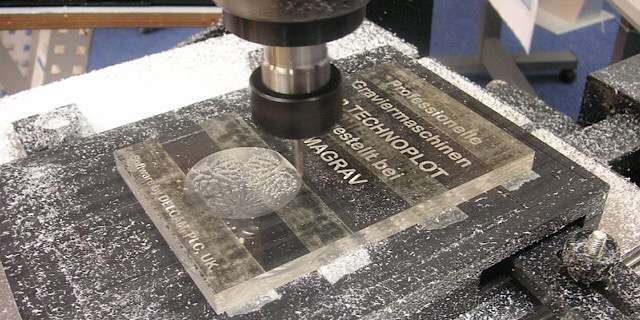
Acrylic machining
Acrylic machining is a specialized process for shaping and cutting acrylic, a transparent thermoplastic material widely used in various industries due to its versatility and excellent optical clarity. This article will delve into the world of acrylic machining, discussing the material properties, benefits, machining techniques, and applications of machined acrylic parts. Moreover, we will explore the differences between acrylic and other clear plastics, address frequently asked questions, and provide insights to help you optimize your acrylic machining projects.
Acrylic Material Properties
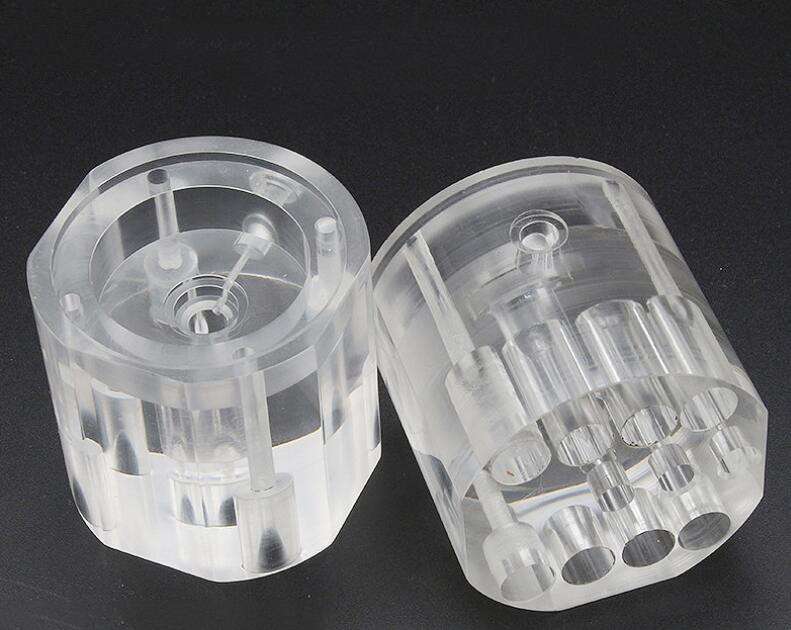
Acrylic parts
Acrylic, also known as polymethyl methacrylate (PMMA), is a versatile thermoplastic material that offers:
- Exceptional optical clarity: Acrylic is known for its high light transmission and low haze, making it an ideal choice for applications requiring excellent visibility.
- Lightweight: Acrylic is approximately half the weight of glass, making it easier to handle and transport.
- Impact resistance: Acrylic is more resistant to impact than glass, providing increased durability.
- Weather resistance: Acrylic can withstand prolonged exposure to sunlight and weathering without significant degradation.
- Chemical resistance: Acrylic has good resistance to many chemicals, including most household cleaners and detergents.
- Ease of fabrication: Acrylic can be easily machined, thermoformed, and bonded using various techniques.
The Benefits of Machined Acrylic Parts
Machined acrylic parts offer numerous advantages over other clear materials, such as:
- Precision: CNC machining can create intricate and complex shapes with high precision, ensuring dimensional accuracy and tight tolerances.
- Surface finish: Acrylic machining can produce parts with smooth, polished surfaces, eliminating the need for additional finishing processes.
- Rapid turnaround: CNC machining allows for quick production of acrylic parts, reducing lead times and increasing overall project efficiency.
- Customizability: Acrylic parts can be customized to meet specific design requirements, including color, thickness, and size.
- Cost-effectiveness: Acrylic machining is an economical solution for small to medium-sized production runs, as it requires minimal tooling and setup costs.
Try Ancastings Now!
Machining Techniques for Acrylic
There are several machining techniques suitable for acrylic, including:
| Machining Technique | Description | Advantages | Disadvantages | Best for |
|---|---|---|---|---|
| CNC Routing | CNC routers are programmed to precisely cut and shape acrylic using high-speed cutting tools. | High precision, repeatability, and smooth surface finish. | May generate heat, requiring proper cooling methods during machining. | Complex 3D shapes, intricate geometries, and tight tolerances. |
| Laser Cutting | Laser cutting uses a focused, high-powered laser beam to vaporize the acrylic material along a specified path. | Non-contact process, clean edges, and intricate designs. | Limited to 2D shapes and may cause localized heat-affected zones. | 2D shapes, fine details, and small features. |
| Saw Cutting | Saw cutting uses a circular or band saw to cut through the acrylic material. | Suitable for straight cuts and large sheets of acrylic. | Less precise than CNC routing and laser cutting, may require additional finishing. | Straight cuts, large sheets, and rough sizing. |
| Diamond Polishing | Diamond polishing uses diamond-tipped tools to polish the edges of the acrylic, resulting in a smooth, glossy finish. | Provides a high-quality, optically clear edge finish. | Limited to edge polishing and may require additional machining processes. | Edge finishing, high-quality appearance, and optical clarity. |
| Flame Polishing | Flame polishing uses a flame to heat and melt the acrylic’s surface, resulting in a smooth, glossy finish. | Quick process and suitable for complex shapes. | May cause surface distortion or bubbles if not done carefully. | Quick surface finishing, complex shapes, and curved edges. |
CNC Routing
CNC routing is a popular method for cutting and shaping acrylic sheets, as it offers high precision and excellent surface finishes. This process involves the use of a computer-controlled router to cut the acrylic material, allowing for intricate designs and complex geometries.
Machining Acrylic by CNC rounting
Laser Cutting
Laser cutting is another effective method for processing acrylic, as it offers precise cutting and clean edges. This technique utilizes a high-powered laser to vaporize the acrylic material, creating parts with smooth, polished surfaces.
CNC Milling
CNC milling is a versatile machining process that involves the use of rotating cutting tools to remove material from the acrylic workpiece. This method allows for the production of complex shapes and tight tolerances, making it ideal for creating custom acrylic parts.
Diamond Polishing
Diamond polishing is a finishing technique used to enhance the surface quality and optical clarity of acrylic parts. This process involves the use of diamond-tipped tools to remove material from the acrylic surface, resulting in a smooth, polished finish.
Machinable Clear Plastic: Acrylic vs. Other Materials
While acrylic is a popular choice for clear plastic applications, other materials, such as polycarbonate and PETG, may also be suitable for specific projects. Here’s a comparison of these materials:
- Acrylic (PMMA): Offers excellent optical clarity, lightweight, and good impact resistance. However, it is more brittle than polycarbonate and can crack under stress.
- Polycarbonate (PC): Provides superior impact resistance and high strength, but it is less transparent than acrylic and more susceptible to scratches.
- PETG: Combines good clarity and impact resistance with easy thermoforming capabilities, but it is not as rigid as acrylic or polycarbonate.
When selecting the appropriate clear plastic material for your project, consider factors such as transparency, strength, impact resistance, and fabrication requirements.
Applications of Machined Acrylic Parts
Machined acrylic parts are used across various industries due to their versatility and optical clarity. Some common applications include:
- Signage: Acrylic is a popular material for creating custom signs, displays, and point-of-purchase materials.
- Lighting: Acrylic is used in light fixtures, diffusers, and lenses due to its excellent light transmission properties.
- Architectural glazing: Acrylic is often used for windows, skylights, and other architectural elements as an alternative to glass.
- Medical devices: Acrylic’s biocompatibility and ease of sterilization make it suitable for medical device components and laboratory equipment.
- Consumer products: Acrylic is used in various consumer goods, such as eyewear, cosmetic packaging, and electronic device enclosures.
EDM (Electrical Discharge Machining) in Medical Device Manufacturing
Conclusion
Acrylic machining is a specialized process that offers numerous benefits, including precision, excellent surface finishes, rapid turnaround, and customizability. By understanding the material properties and machining techniques, you can optimize your acrylic machining projects and create high-quality, transparent parts for various applications. Whether you’re working on signage, lighting, or medical devices, acrylic machining can provide the clear solutions you need to bring your vision to life.
Ancastings’ Expert Acrylic Machining Services
When it comes to acrylic machining, partnering with a reliable and experienced service provider is essential to ensure the success of your project. Ancastings is a leading provider of acrylic machining services, offering unparalleled expertise, advanced technology, and a commitment to quality.
Comprehensive Guide to CNC Machining Services in China
Precision CNC Machining
- Our state-of-the-art CNC machines guarantee high precision and repeatability, ensuring that your acrylic components meet the most stringent specifications.
Rapid Turnaround Times
- We prioritize efficiency and strive to deliver your acrylic parts as quickly as possible, without compromising on quality.
Material Compatibility
- Our team of experts can work with various acrylic materials, including cast and extruded acrylic sheets, to accommodate your specific project requirements.
Quality Assurance
- We adhere to strict quality control measures and international standards, ensuring that every acrylic component we produce meets the highest standards of excellence.
FAQs
What are the main differences between acrylic and polycarbonate?
Acrylic offers better optical clarity and is lighter, while polycarbonate provides superior impact resistance and strength. Acrylic is more brittle and prone to cracking, while polycarbonate is more flexible and scratch-resistant.
Can acrylic be glued?
Yes, acrylic can be bonded using solvent-based adhesives or UV-curable adhesives, which provide strong, clear, and durable bonds.
How do I maintain the clarity of machined acrylic parts?
To maintain the clarity of acrylic parts, avoid using abrasive cleaners or harsh chemicals. Instead, use a soft cloth with a mild soap and water solution or a specialized plastic cleaner to gently clean the surface.
Is acrylic machining suitable for large production runs?
Acrylic machining is most cost-effective for small to medium-sized production runs. For larger volumes, alternative processes like injection molding may be more economical. However, this depends on the specific project requirements and design complexity.
Can acrylic be machined using traditional cutting tools?
Acrylic can be machined using traditional cutting tools, but it is essential to use sharp tools and appropriate cutting speeds to avoid melting or chipping the material. CNC machines specifically designed for acrylic machining can help ensure optimal results.