
Primary Keyword: CNC machining Inconel 718 oil & gas
Supporting Keywords: HPHT valve machining, Inconel 718 machinability, superalloy chip control, API 6A CNC machining, thermal distortion control
Most CNC machining facilities working with the oil & gas industry focus only on general precision parts and basic material descriptions. They rarely address the real technical challenges that engineering, procurement, and operations teams face daily.
Important gaps include practical machining tradeoffs for high-temperature alloys like Inconel 718, process improvements for extreme HPHT environments, and clear, usable compliance methods for API 6A.
This guide fills those gaps with real production insights and field-proven data for machining Inconel 718 — one of the most widely used materials for HPHT oil & gas valves. We share practical solutions, cost-control methods, and compliance best practices that help you make better souring and engineering decisions.
Our audience includes engineering buyers, project managers, procurement leads, and maintenance teams across Europe, UAE, Canada and Australia.
Our goal is to connect buyers with real CNC machining expertise and generate qualified leads for Ancastings Precision.
1. Introduction
Inconel 718 has become the standard material for HPHT (High-Pressure High-Temperature) oil & gas valve bodies, downhole tools, and subsea components — and for good reason. Its high tensile strength, fatigue resistance, and corrosion resistance make it essential for deepwell drilling, offshore platforms, and sour service environments where failure is not an option.
Yet machining Inconel 718 comes with unique challenges that many CNC shops overlook: low thermal conductivity, rapid tool wear, and thermal distortion that ruins dimensional accuracy and compliance. For engineers selecting components, buyers managing costs, and operations teams reducing downtime, the lack of clear, practical guidance creates unnecessary risk and frustration.
At Ancastings Precision, we focus on CNC machining for the oil & gas industry. With decades of experience machining high-temperature alloys and meeting strict industry standards, we created this guide to share what actually works in production. We break down material behavior, machining best practices, quality control, and practical application tips so you can specify, source, and validate Inconel 718 HPHT valve parts with confidence.
2. Why Inconel 718 Dominates HPHT Oil & Gas Applications
- Before jumping into machining techniques, it helps to understand why Inconel 718 performs better than 316L stainless steel, Inconel 625, and duplex stainless steel in HPHT conditions.
- Most CNC machining facilities call Inconel 718 as a “high-performance material” but do not explain its real advantages or when to use it. Below is a clear, data-based breakdown:
- Strength at high temperatures
Inconel 718 keeps roughly 50% of its tensile strength at 650°C — three times better than 316L stainless steel. This is critical for valves operating above 150°C and up to 15,000 PSI.
- Corrosion Resistance for Sour Service: Inconel 718 meets NACE MR0175 requirements, meaning it withstands hydrogen sulfide (H₂S) and carbon dioxide (CO₂) found in many deepwell and offshore projects. It also withstands salt spray for more than 1,000 hours.
- Longer fatigue life: For valve bodies and downhole tools under repeated loading, Inconel 718 lasts about twice as long as carbon steel, reducing replacements and downtime.
- Cost vs. lifecycle value: Although Inconel 718 costs 15–20% more than 316L, it cuts long-term maintenance costs by about 40% due to durability and corrosion resistance. For critical HPHT parts, this difference easily justifies the material investment.
Many CNC machining providers do not compare materials or provide real performance data. We use practical, field-proven information to help you justify material choices and avoid costly mistakes.
3. Machining Inconel 718: Core Challenges & Practical Solutions
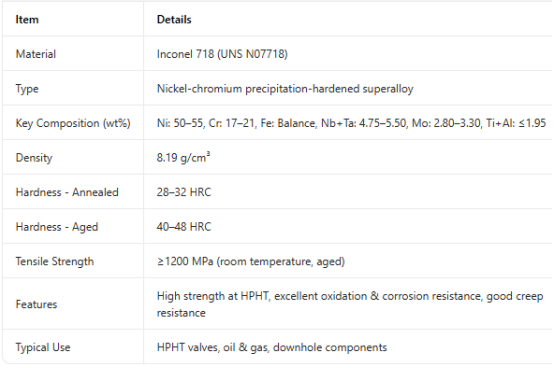
Machining Inconel 718 is very different from machining standard steel. Its low thermal conductivity, high hardness (40–48 HRC), and work-hardening behavior create challenges that require controlled, experienced processes.
Many CNC facilities use generic machining parameters, leading to high scrap, short tool life, and out-of-tolerance parts. Below are the most common issues — and how we solve them.
3.1 Thermal Distortion: The Hidden Cost of Poor Cooling
Inconel 718 does not dissipate heat well. Heat builds up at the cutting edge, causing expansion and distortion. For HPHT valve bodies that require tight sealing tolerances (often ±0.002mm), this can ruin an entire part.
Many CNC factories only suggest “using coolant” without explaining pressure, delivery, or tool path strategy.
Our methods:
- High-Pressure Coolant (70-100 Bar): Directly cools the cutting zone, reduces heat by about 35%, flushes chips, and extends tool life.
- Cryogenic cooling (for ultra-tight tolerances): Eliminates thermal distortion completely for sealing surfaces and critical features.
- Trochoidal milling paths: Reduce tool engagement time and heat buildup while preventing chip wrap and tool breakage.
3.2 Tool Wear: Extending Life Without Losing Precision
Inconel 718’s hardness and work-hardening behavior wear tools quickly. Other suppliers use general carbide tools without proper coatings or parameters, leading to frequent changes and inconsistent quality.
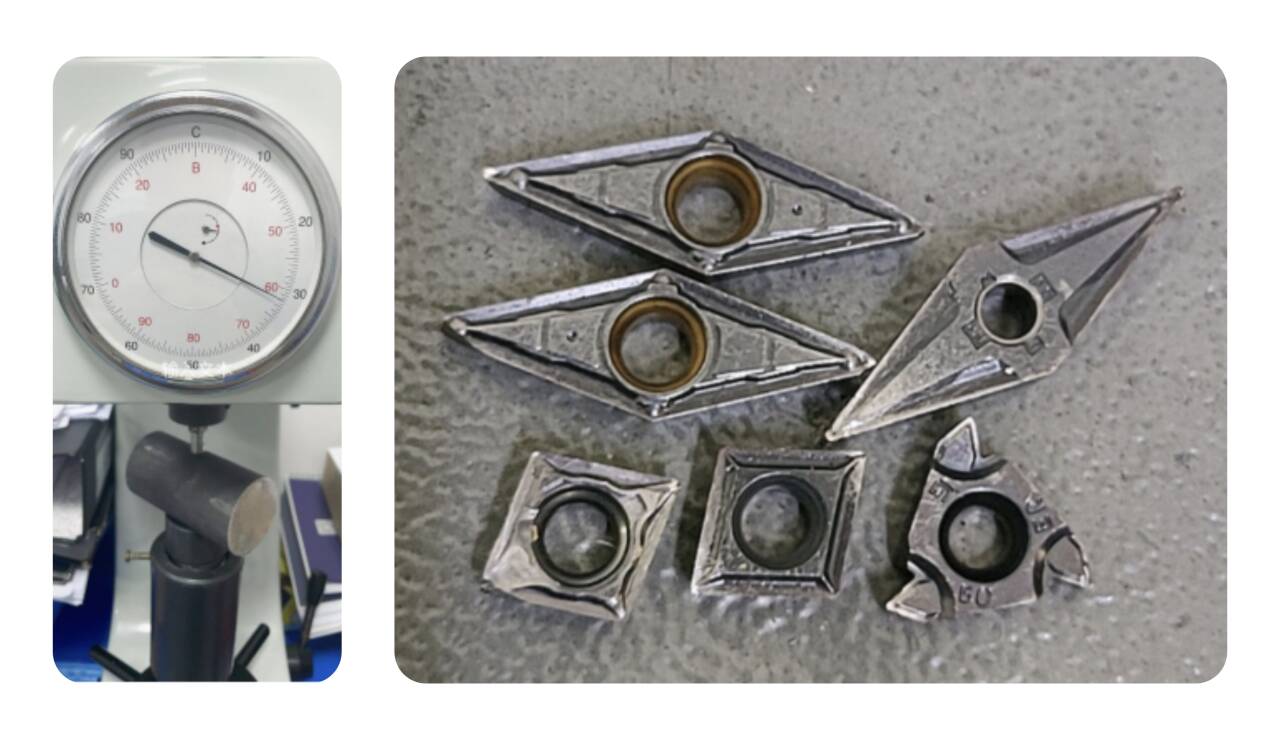
Our tooling approach:
- Micro-grain carbide end mills with TiAlN/AlTiN coatings: Resist heat and abrasion better than uncoated tools.
- CBN inserts for finishing: Maintain sharpness at high temperatures and deliver consistent surface finishes (Ra ≤0.8µm).
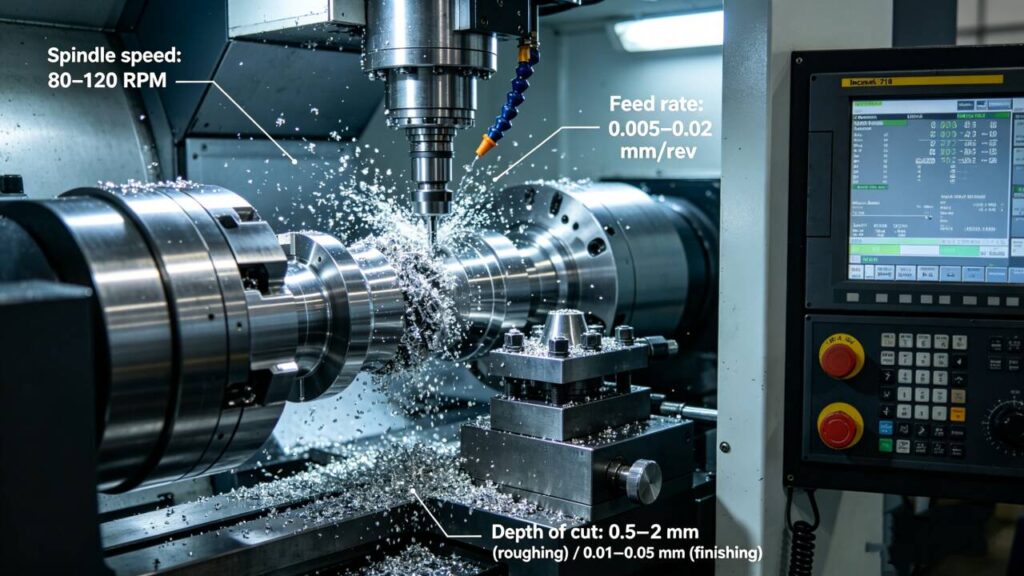
- Stable, field-proven cutting parameters: 1)Spindle speed: 80–120 RPM; 2)Feed rate: 0.005–0.02 mm/rev; 3)Depth of cut: 0.5–2 mm (roughing) / 0.01–0.05 mm (finishing)
3.3 Vibration & Chatter: Stability for Deep-Bore Machining
Chatter during heavy cutting ruins surface finish, breaks tools, and creates dimensional errors — especially in long-reach cuts like deep valve bores.
Other factories do not address vibration for high-temperature alloys.
Our stability solutions:
- Rigid HSK-A63 tool holding: Runout below 0.001mm for minimal deflection
- Vibration-Damping Tool Holders: Absorb resonance in deep bores and long-overhang jobs.
- Pre-machining vibration analysis: Adjust speeds and feeds to avoid natural frequencies, lowering scrap rates by about 25%.

4. Quality Control: Meeting API 6A and Customer Requirements
Oil & gas customers do not just want “precision parts” — they need parts that meet API 6A standards and their own internal specifications.
Factories normally skip the detailed compliance steps, putting you at risk of failed inspections, equipment downtime, and expensive rework. At Ancastings Precision, we build compliance into every stage.
4.1 Material Traceability: The Foundation of Compliance
Inconel 718 parts must meet strict material specifications to avoid failure in HPHT environments. Counterfeit or low-grade alloys are a common problem in the industry, which is why material traceability is non-negotiable.
Required Documentation for Compliance:
- Mill Test Report (MTR): Includes chemical composition (Ni ≥50%, Cr ≥19%, Nb + Ta ≈5.5%) and mechanical properties (tensile strength, hardness) to verify alloy purity.
- Heat Treatment Certificate:Confirms the part was solution annealed at 980°C (1 hour) + aged at 720°C (8 hours) + 620°C (8 hours)—the standard heat treatment for Inconel 718 to achieve optimal strength and corrosion resistance.
4.2 Dimensional Inspection: Beyond Standard Tolerances
HPHT valve components require tight tolerances (+0.002mm) for proper sealing and performance. But people often use basic inspection methods, but we follow a rigorous, temperature-controlled workflow to ensure accuracy.
For Ancastings, we’re following the below steps:
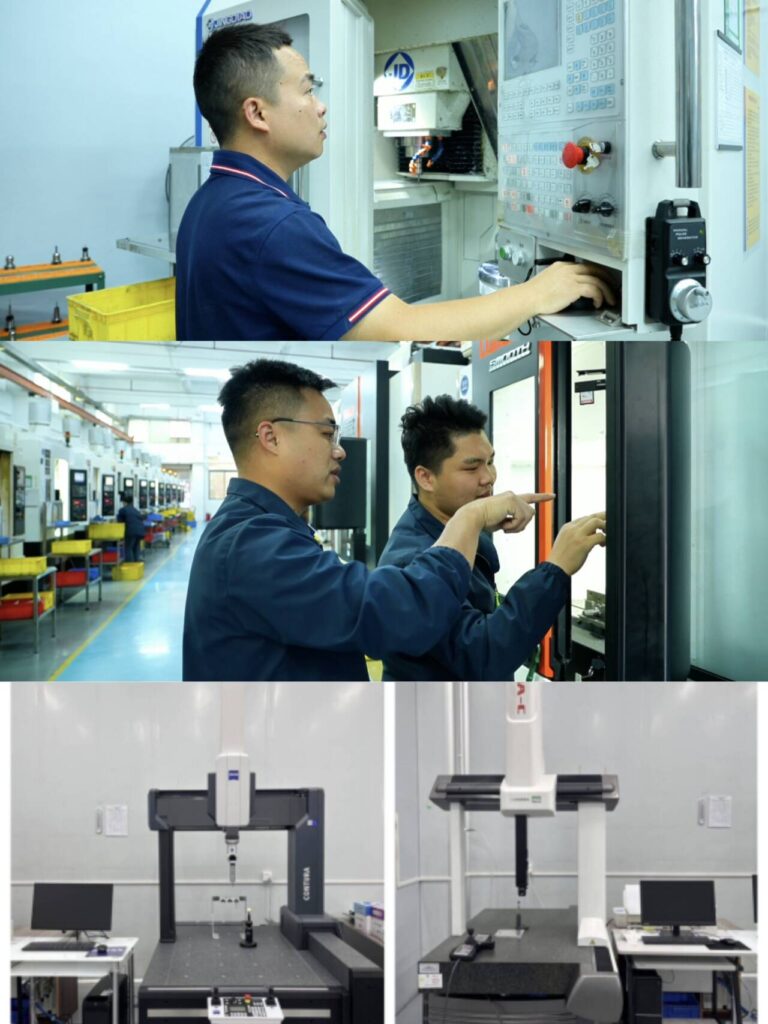
- Pre-Machining Calibration: Calibrate our Coordinate Measuring Machine (CMM) to ±0.001mm accuracy in a temperature-controlled room (20°C ±1°C) to eliminate thermal-induced measurement errors.
- In-Process Inspection: Check critical features (sealing surfaces, thread roots) after roughing to adjust for thermal distortion. This proactive step reduces post-production rework by 40%.
- Final Inspection: Dimensional verification: CMM for complex geometries (e.g., valve bores, flange faces); Surface finish: Profilometer to ensure Ra ≤0.8µm for sealing surfaces; Hardness testing: Rockwell C (40-45 HRC) to verify heat treatment effectiveness
- Compliance Certification: Generate a full inspection report with photos, data, and signatures to confirm API 6A and meet the requirements of our customers.
5. Application-Specific Best Practices: Valve Body Machining
Valve bodies are among the most critical Inconel 718 parts in oil & gas systems. Their quality directly affects safety, performance, and uptime.
They will provide generic part lists but lack application-specific guidance for valve body machining. Below are our proven DFM (Design for Manufacturability) tips and post-machining treatments to ensure optimal performance.
Dimensional verification: CMM for complex geometries (e.g., valve bores, flange faces)
5.1 Design for Manufacturability (DFM) Tips
DFM is critical for reducing costs, improving precision, and minimizing scrap rates. Here are our top tips for designing Inconel 718 valve bodies:
- Avoid Sharp Corners: Use radii ≥1.5mm to reduce tool breakage and stress concentrations. Sharp corners also increase the risk of corrosion in harsh environments.
- Simplify Threads: Use API 6A standard threads or ISO metric threads instead of custom threads. Standard threads are easier to machine, reduce lead times, and ensure compatibility with other components.
- Uniform Wall Thickness: Maintain uniform wall thickness (≥5mm) to minimize thermal distortion during machining. Thick-thin variations cause uneven cooling and warping.
- Coating Allowance: Add 0.05mm allowance for post-machining treatments (e.g., nitriding) to ensure final dimensions meet tolerances.
5.2 Post-Machining Treatments
Post-machining treatments enhance the performance and durability of Inconel 718 valve bodies. Most shops often skip these steps to cut costs, but they are critical for long-term reliability:
- Stress Relief: Anneal at 540°C for 4 hours to reduce residual stresses from machining. This ensures dimensional stability over time, even in extreme temperatures.
- Nitriding (Optional): Case hardening (0.5-1mm depth) to improve wear resistance on non-sealing surfaces (e.g., valve stems).
- Passivation: Remove free iron from the surface to prevent corrosion in offshore or saltwater environments. This step is mandatory for NACE MR0175 compliance.
6. Cost Optimization: Balancing Performance and Budget
Procurement managers face constant pressure to reduce costs without compromising quality. Factories like this rarely address cost-saving strategies for superalloy machining, leaving buyers overspending on materials, tooling, and rework. Below are our actionable tips to optimize costs while maintaining API 6A compliance.
- Material Sourcing: Partner with certified suppliers for Inconel 718 bar stock. This reduces scrap rates by 15% by ensuring consistent material quality.
- Batch Processing: Group similar valve bodies to reduce machine setup time. This saves 20-30% on labor costs and improves production efficiency.
- Prototyping vs. Production: Use 3-axis machining for prototypes (lower cost) and 5-axis machining for production (higher precision, lower lead time). This balances cost and performance for new designs.
- Tool Life Optimization: Recondition tools 3-4 times instead of replacing them. This cuts tooling costs by 50% without compromising quality.
7. Case Study: Inconel 718 Valve Body for Deepwell Drilling
We recently supported a UAE-based oil & gas equipment manufacturer with a critical HPHT valve project — a real-world example of how we solve Inconel 718 machining challenges.
Requirements
This OEM needed 35 Inconel 718 valve bodies for a 12,000-foot deep well. The specs called for an API 6A 15,000 PSI rating, sealing surfaces with a finish no rougher than Ra 0.63, and an 8-week lead time. But their old supplier was running into major issues: a 25% scrap rate from thermal distortion and tool wear, which caused delays and blew their budget.
Our Solution
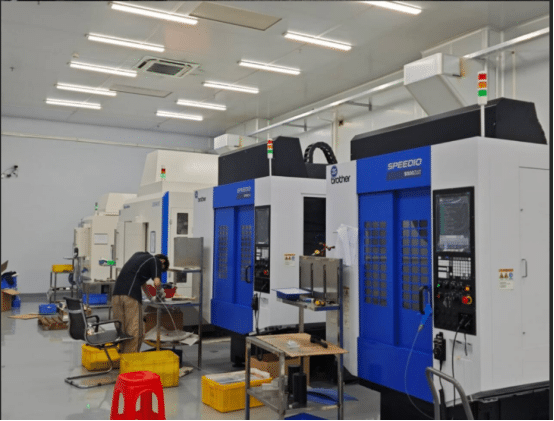
We machined the parts on 5-axis CNC machines with 80-bar high-pressure coolant and vibration-damping tool holders to reduce chatter and avoid thermal distortion. For critical sealing surfaces, we used cryogenic cooling to achieve tight tolerances of ±0.001mm, while also carrying out in-process inspections and PMI testing to guarantee material purity and dimensional accuracy. Plus, by batch-processing similar components, we were able to cut down on setup time and lower labor costs.
Result
All 35 valve bodies passed final testing with zero scrap, and we delivered right on schedule. Thanks to the parts’ durability and precision, the OEM also saw a 35% drop in their lifecycle maintenance costs. They’ve since chosen to partner exclusively with Ancastings for all their Inconel 718 machining work.
8. Conclusion & CTA
CNC machining Inconel 718 for HPHT oil & gas valves is not just about holding tight tolerances. It requires real material knowledge, stable processes, and consistent quality control.
Many CNC shops offer basic machining services. At Ancastings Precision, we bring decades of experience with high-temperature alloys, advanced equipment, and oil & gas industry standards to deliver parts you can trust in the field.
Our team will review your exact needs: part geometry, tolerances, material specs, performance standards, and delivery timeline. Using our production expertise and quality system, we will develop a customized, cost-effective machining solution and provide a clear, detailed quote.
Whether you need small-batch prototyping or full-volume production, we deliver professional, reliable solutions built for the toughest conditions in the oil and gas industry.