
Injection molding is a widely used process for producing high-volume, precision plastic parts efficiently. As industries demand more complex components, overmolding has emerged as an advanced technique that integrates multiple materials into a single part. By layering materials like silicone, rubber, or TPE over a rigid base, over-molding enhances durability, performance, and user experience. From ergonomic grips to waterproof seals, it expands the possibilities of traditional injection molding. Therefore, this guide explores its principles, processes, and applications, highlighting its role in modern manufacturing.
What is Overmolding?
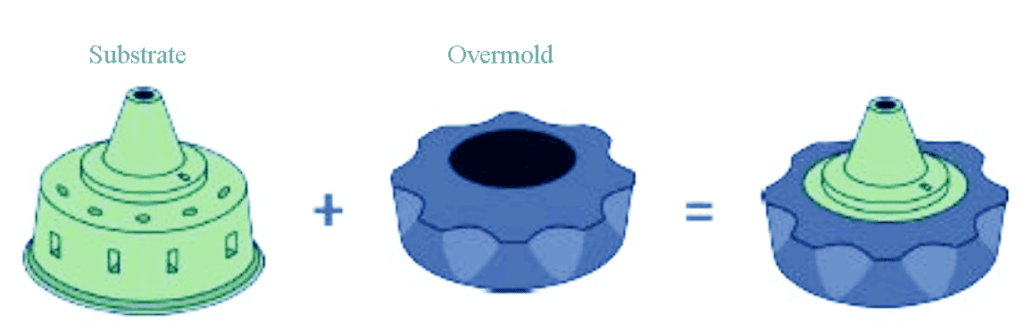
Overmolding refers to a manufacturing process in which a layer of material is molded over another material (called the substrate) to create a single, integrated component. This technique is designed to enhance the functionality, durability, or aesthetics of a product by combining the properties of multiple materials into one cohesive design. For example, a toothbrush might use overmolding to bond a rigid plastic handle with a soft, rubberized grip, resulting in a product that is both sturdy and comfortable to hold.
How Does Overmolding Work?
There are two main process types used in overmolding, each designed to combine multiple materials into a single, integrated component: 2K molding and two-shot molding.
2K molding, also called two-color molding, injects two different materials into one mold during a single production cycle. This approach is ideal for producing multi-material or multi-color components without requiring secondary assembly. It enhances product aesthetics, ergonomic comfort, and functional performance while reducing labor and cycle time.
Similarly, two-shot molding is a sequential overmolding process in which the first material is injected and partially solidified before the second material is molded over or around it. This method often utilizes multiple stations or rotating mold systems to ensure precise alignment and strong bonding between layers.
To better understand how overmolding works in practice, below are the key steps typically involved in the process:
Step 1: Base Material Preparation
Manufacturers start the overmolding process by preparing the initial part, known as the substrate. This substrate is typically made from plastic, metal, or another solid material. Injection molding, machining, or other fabrication techniques are commonly employed to produce the substrate.
Step 2: Material Selection
Next, manufacturers select a second material, often a soft plastic, rubber, or thermoplastic elastomer, to mold over the substrate. This overmold material enhances the part’s properties by providing benefits such as improved grip, insulation, cushioning, or sealing.
Step 3: Injection Molding Process
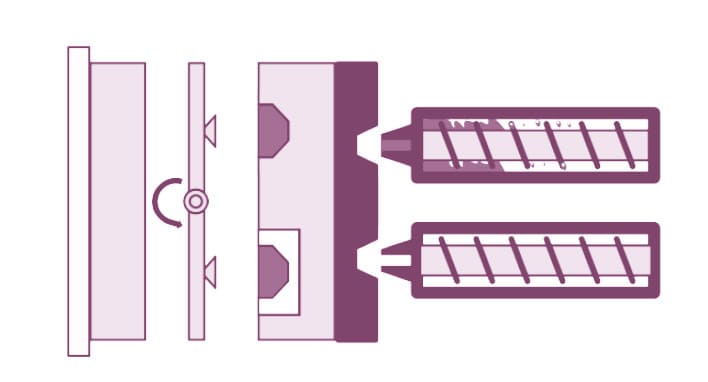
Operators place the substrate into a mold designed to accommodate both the substrate and the overmold material. Then, they inject the overmold material into the mold, where it bonds with the substrate. This bonding occurs either mechanically through interlocking features or chemically if the materials are compatible.
Step 4: Cooling and Ejection
After injection, the part cools and solidifies, ensuring a strong bond between the two materials. Once the part has cooled sufficiently, manufacturers eject the finished product from the mold.
Types of Overmolding
Now that we’ve reviewed how the overmolding process works, we can take a closer look at the specific types of overmolding, each offering distinct applications and performance advantages.
Type 1: Plastic Over Plastic
This process involves molding a second plastic layer over a rigid plastic substrate. It is utilized to enhance functionality, aesthetics, or structural integrity. The substrate is typically a rigid thermoplastic, such as ABS, while the over-molded layer may be softer or differently colored.
Type2: Plastic Over Metal
In this method, plastic is molded over a metal substrate, combining the strength of metal with the flexibility and aesthetic appeal of plastic. The metal part is placed into a mold, and plastic is injected around it. Mechanical interlocks or adhesives are used to ensure adhesion.
Type 3: Elastomer Over Plastic
A soft elastomer, such as thermoplastic elastomer (TPE), is molded over a rigid plastic substrate to improve grip, shock absorption, or sealing. The substrate is molded first, then placed into a second mold for elastomer injection.
Type 4: Elastomer Over Metal
This process combines a metal substrate with a soft elastomer layer, offering durability and functional benefits like vibration damping. The metal part is pre-treated for adhesion, and the elastomer is injected around it.
Overmolding Materials: Compatibility and Selection
Overmolding requires careful consideration of the substrate and overmold materials to ensure strong adhesion, functionality, and durability. Below, we explore the characteristics of common materials used in overmolding and their compatibility considerations.
1. Thermoplastics as Substrates
Thermoplastics, such as ABS, polycarbonate, and polypropylene, are commonly applied as substrate materials due to their rigidity, durability, and ease of molding. These materials provide a strong foundation for overmolding and are often chosen for their chemical resistance, mechanical strength, and versatility. For example, ABS is widely used in consumer electronics, while polypropylene is favored for its flexibility and chemical resistance in automotive applications. When selecting a thermoplastic substrate, it is essential to consider its compatibility with the overmold material. Some thermoplastics, like polypropylene, require surface treatments or adhesives to bond effectively with elastomers or other plastics.
2. Thermoplastic Elastomers for Overmolding
Thermoplastic elastomers, or TPEs, are a popular choice for overmolding due to their soft, flexible, and rubber-like properties. TPEs provide excellent grip, shock absorption, and sealing capabilities, making them ideal for applications like soft-grip handles, seals, and vibration-dampening components. They bond well with many thermoplastics, such as ABS and polycarbonate, without the need for additional adhesives. However, adhesion to low-surface-energy plastics like polypropylene may require surface treatments or specialized TPE grades. TPEs are also available in a wide range of hardness levels, allowing for customization based on the desired tactile feel and performance.
3. Silicone for Over-molding
Silicone is another elastomer commonly used in overmolding, particularly in applications requiring high temperature resistance, biocompatibility, or extreme flexibility. It is widely employed in medical devices, kitchenware, and automotive components. Silicone provides excellent sealing properties and durability but typically requires mechanical interlocks or adhesives to bond with substrates, as it does not chemically bond with most plastics or metals. Its use often involves more complex molding processes, such as liquid silicone rubber injection molding, which requires specialized equipment and tooling.
4. Metals as Substrates
Metals, like stainless steel, aluminum, and magnesium, are used as substrates in overmolding to combine the strength and durability of metal with the functional and aesthetic benefits of plastic or elastomer. Metal substrates are often pre-treated through methods like sandblasting or plasma treatment, or designed with mechanical interlocks such as holes or grooves to improve adhesion with overmold materials. Applications include automotive components, industrial tools, and medical devices.
5. Specialty Materials
In some cases, specialty materials like polyurethane or engineered resins are used for overmolding to meet specific performance requirements. For example, polyurethane offers exceptional abrasion resistance and flexibility, thus its is perfect for high-wear applications. Engineered resins, such as PEEK or PEI, are used in high-temperature or chemically aggressive environments. These materials often require advanced molding techniques and thorough compatibility testing to ensure successful overmolding.
How to Manufacture the Best Over-molding Parts?
Manufacturing the best overmolding parts requires a combination of careful design, material selection, process optimization, and quality control. Below are key steps and considerations to achieve high-quality parts:
Design for Overmolding
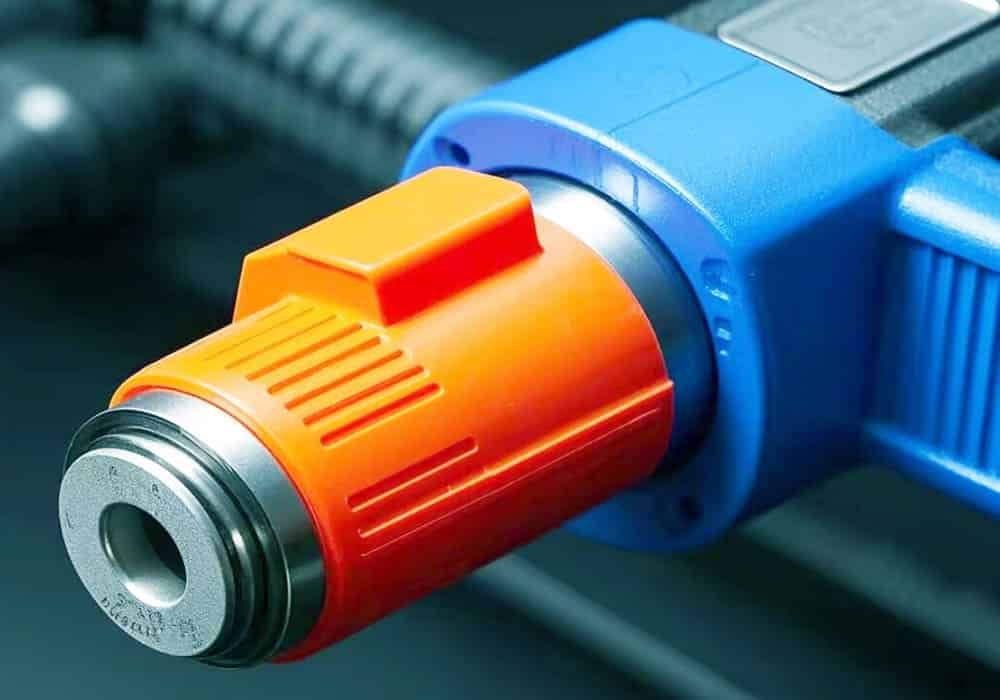
A well-designed part is crucial for successful overmolding. Select materials that are compatible in terms of bonding and thermal properties. Ensure uniform wall thickness and incorporate mechanical features like undercuts or grooves to enhance adhesion. Draft angles and surface texture on the substrate also improve bonding and part ejection.
Material Selection
Choosing the right materials is vital. Rigid materials like ABS or polycarbonate are common for substrates, while TPE, silicone, or polyurethane are used for overmolds based on properties like softness or chemical resistance. Adhesion promoters may be needed if materials do not naturally bond well.
Mold Design and Tooling
High-quality molds ensure precise and consistent parts. Precision tooling aligns substrate and overmold layers accurately. Proper mold temperatures and venting prevent defects like warping or voids. Multi-cavity molds improve efficiency in high-volume production.
Process Optimization
Optimize injection parameters for proper flow and bonding. Balance cooling and cycle times to prevent defects while maintaining efficiency. Techniques like two-shot molding can enhance precision and efficiency.
Quality Control
Rigorous quality control ensures reliability and performance. Conduct adhesion tests and dimensional inspections to verify part quality. Test parts under real-world conditions to ensure durability.
Post-Processing and Collaboration
Post-processing steps like trimming excess material or applying surface treatments enhance aesthetics and performance. Collaborating with experts in material selection, mold design, and simulation software can significantly improve part quality.
Advantages of Overmolding
Overmolding offers numerous benefits across various industries, enhancing product functionality, aesthetics, and durability. Some key advantages include:
- Enhanced Durability and Longevity: Over-molding combines materials with complementary properties, such as a rigid substrate with a tough overmold, improving resistance to impacts, abrasion, and environmental conditions. This leads to longer-lasting products and reduced replacement frequencies.
- Improved Product Performance: High-performance materials can impart specific properties like increased strength, thermal stability, and chemical resistance. For example, overmolding can create seals that protect electronics from water and dust.
- Enhanced Safety and Compliance: Overmolded parts can offer improved safety features, such as non-slip grips, and facilitate compliance with industry standards by incorporating materials that meet regulatory requirements.
- Increased User Comfort and Aesthetics: Soft-touch materials enhance ergonomics, making products more comfortable to use. Overmolding also allows for a wide range of colors and textures, improving product design and brand identity.
- Cost Savings and Efficiency: While initial setup costs may be higher, overmolding reduces the need for secondary assembly processes, lowers defect risks, and decreases material waste. It also leads to lower warranty and replacement costs due to enhanced durability.
Challenges of Overmolding
Despite its advantages, this process presents several challenges:
- Material Compatibility: Ensuring that materials bond well is crucial. Incompatible materials can lead to weak interfaces, delamination, or part failure. Surface treatments may be necessary to enhance adhesion.
- Tooling Complexity and Costs: Over-molding requires more complex molds, which can be expensive and time-consuming to design and fabricate. The process involves multiple steps, increasing production time and costs compared to single-material molding.
- Design Constraints: The need for material compatibility and adhesion limits design freedom. Intricate geometries can be challenging to overmold, requiring advanced mold design expertise.
- Production Complexity: Managing thermal expansion, shrinkage rates, and material flow is critical to prevent defects like warping or voids. This complexity necessitates sophisticated simulation tools and experienced personnel.
- Environmental and Regulatory Concerns: Overmolded parts may be difficult to recycle due to multiple materials. Ensuring compliance with regulatory standards, especially in sectors like medical or automotive, adds complexity.
Applications of Overmolding in Industries
This technique finds widely uses across various industries, including electronics, medical devices, and consumer products. Below are some key applications of overmolding:
Overmolding in Electronics
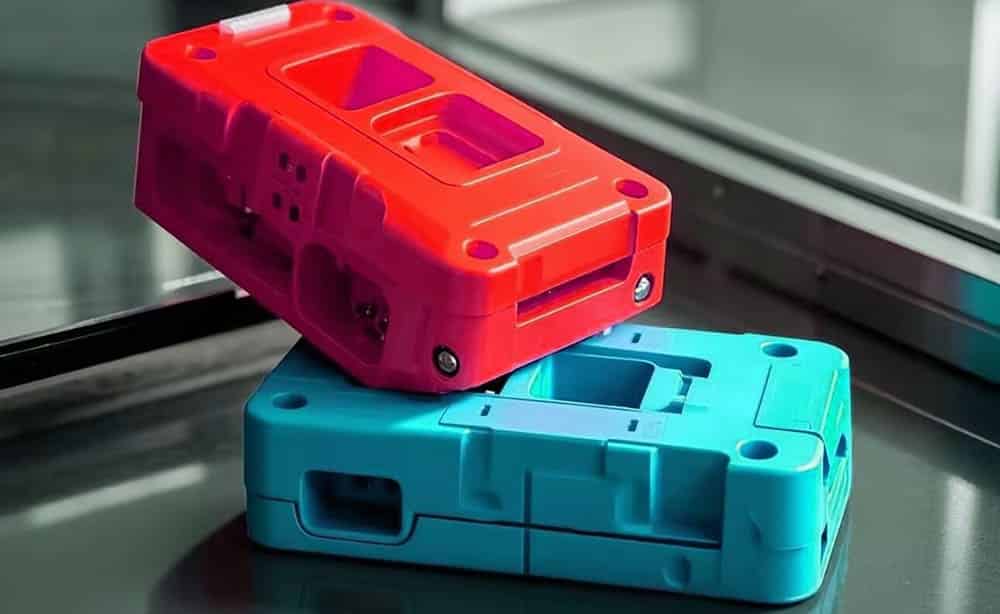
Overmolding is crucial in the electronics industry for improving product safety, durability, and usability. By encapsulating electronic components with protective materials, overmolding offers benefits such as insulation, waterproofing, and resistance to mechanical stress.
- Micro Overmolding: Micro over-molding is used in the production of miniature electronic components, such as sensors and microcircuits. It provides high precision and ensures that delicate parts are protected from environmental factors and physical damage.
- Cable Overmolding: Cable overmolding enhances the durability and flexibility of electrical cables. It prevents wear and tear, offers strain relief, and provides additional insulation to improve electrical performance and safety.
Material-Specific Overmolding Applications
Different materials are used in overmolding depending on the intended application and required properties.
- Silicone Overmolding: Silicone overmolding is widely used for high-temperature electronic components. It provides excellent heat resistance, chemical stability, and flexibility, making it ideal for medical devices, automotive components, and consumer electronics.
- Rubber Overmolding: Rubber overmolding is commonly used in applications where grip and comfort are essential. For example, it is applied to tool handles, sports equipment, and medical instruments to provide anti-slip properties and ergonomic benefits.
- industries for lightweight and durable components.
- Biodegradable Material Overmolding: With the rise of sustainable manufacturing, biodegradable materials are increasingly being used in overmolding applications. These materials reduce environmental impact and are often applied in packaging, disposable medical devices, and eco-friendly consumer products.
Choosing an Over-molding Service Provider
Selecting the right overmolding service provider is essential for ensuring high-quality, durable, and precisely manufactured products. When evaluating potential suppliers, consider the following key factors:
- Advanced Manufacturing Technology: A provider should utilize state-of-the-art equipment to guarantee precision, consistency, and efficiency.
- Material Expertise: The ability to work with a wide range of materials, such as silicone, rubber, thermoplastics, and biodegradable options, ensures versatility for different applications.
- Customization & Flexibility: A good supplier offers tailored solutions to meet specific industry needs and design requirements.
- Quality Assurance: Strict quality control processes are essential to produce reliable and high-performance overmolded products.
- Global Capabilities: A strong logistics network ensures timely delivery and responsive customer support worldwide.
Ancastings Precision excels in all these areas, making it a trusted choice for overmolding services. With advanced technology, diverse material expertise, customized solutions, strict quality standards, and a global reach, we delivers top-tier manufacturing solutions for a wide range of industries.
Conclusion
Overmolding is a powerful and versatile manufacturing process that significantly improves product durability, user experience, and overall performance. By combining multiple materials into a single integrated component, overmolding enables manufacturers to achieve better ergonomics, enhanced grip, superior sealing, and improved structural strength—all while reducing assembly time and production costs.
This guide has outlined the essential elements of overmolding, including its core processes, proper material selection, design considerations, advantages, limitations, and industry-specific use cases. As manufacturing technologies evolve, new innovations such as sustainable resins, recyclable elastomers, and eco-friendly overmolding solutions are becoming increasingly important. These advancements will drive the next generation of high-performance, lightweight, and environmentally conscious products.
For companies seeking to improve quality and accelerate product development, mastering the principles of overmolding is a strategic advantage. With a clear understanding of its capabilities and requirements, businesses can confidently integrate overmolding into their design and production workflows to achieve superior product functionality, aesthetics, and market competitiveness.
FAQs
Overmolding is a manufacturing process where a second material is molded over a base material (substrate) to form a single, durable part. It is commonly used to enhance grip, improve durability, or add functional features.
Overmolding typically involves molding a rigid plastic or metal substrate first, then applying a second layer of softer or different material using injection molding techniques such as two-shot molding or insert molding. Proper material selection and bonding compatibility are essential for a successful overmolded product.
A common example is a power tool handle with a soft rubber grip over a hard plastic base. Other examples include medical device casings, toothbrushes, and waterproof electronic connectors.
Overmolding improves product functionality by providing a better grip, increasing durability, adding insulation, enhancing aesthetics, and offering protection against environmental factors like moisture or impact.
Overmolding is a process where two materials are molded in separate stages, allowing for more material flexibility. 2K molding (two-shot molding) is a specialized injection molding process where two different materials are injected sequentially within a single cycle, often requiring advanced equipment.
Overmolding bonds one material over another to form a single component, while insert molding places a pre-formed part (like metal or electronics) into a mold, and plastic is injected around it to encapsulate the insert. Insert molding is commonly used for embedding metal parts into plastic housings.