
Metal prototyping is a critical phase in modern product development—especially in industries where performance, durability, and precision cannot be compromised. From aerospace brackets and medical implants to automotive housings and industrial tooling, metal prototyping ensures that designs are validated before committing to full-scale production.
As metal rapid prototyping technologies continue to evolve, engineers now have more options than ever, ranging from CNC machining and metal 3D printing to hybrid manufacturing approaches. This guide offers a comprehensive breakdown of prototyping methods, materials, costs, testing procedures, and practical considerations—empowering you to choose the right metal prototyping strategy based on your goals, functional requirements, and budget.
What is a Metal Prototype?
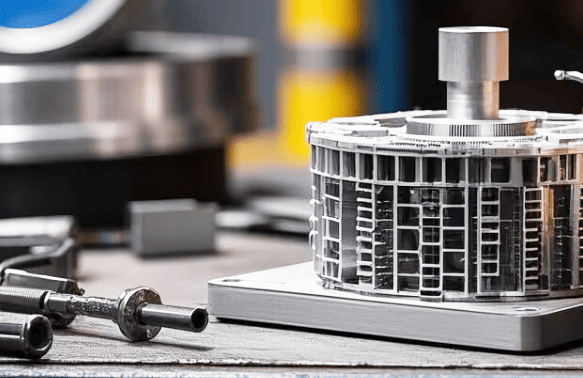
A metal prototype is a functional or visual representation of a product produced using metals such as aluminum, stainless steel, titanium, brass, or nickel alloys. Metal prototypes validate:
- Form — geometric dimensions, fitting, aesthetics
- Function — mechanical performance, load-bearing capability
- Manufacturability — assess production feasibility for scaling
- Material behavior — corrosion, heat resistance, strength
Because of this, metal prototyping is indispensable for industries requiring high reliability, including aerospace, energy, automotive, medical devices, robotics, and precision engineering.
Types of Metal Prototypes
These classifications are typically based on the purpose and objectives of the metal prototypes, which can be broadly categorized into the following types:
- Functional Prototypes: Built to test mechanical properties, durability, and real-world application performance.
- Aesthetic Prototypes: Focused on appearance, surface finish, and design validation for marketing or investor presentations.
- Pre-Production Prototypes: Used to fine-tune manufacturing processes, ensuring a smooth transition from prototype to full-scale production.
Metal vs. Plastic Prototypes
When comparing metal and plastic prototypes, several key differences emerge that influence their selection for various applications.
| Feature | Metal Prototypes | Plastic Prototypes |
| Strength | High mechanical strength | Lower mechanical strength |
| Durability | Resistant to wear and heat | Prone to deformation and melting |
| Thermal Conductivity | Excellent heat resistance | Limited heat resistance |
| Manufacturing Cost | Higher due to material and processing | Generally lower |
While plastic prototypes are often applied for quick form validation, metal prototypes are essential in aerospace, automotive, and medical applications.
5 Methods to Make Your Metal Prototypes
The most common methods include CNC machining, metal 3D printing, metal casting, sheet metal forming, and hybrid manufacturing. Each has its advantages and limitations, and below will explore them in detail:
1. CNC Machining
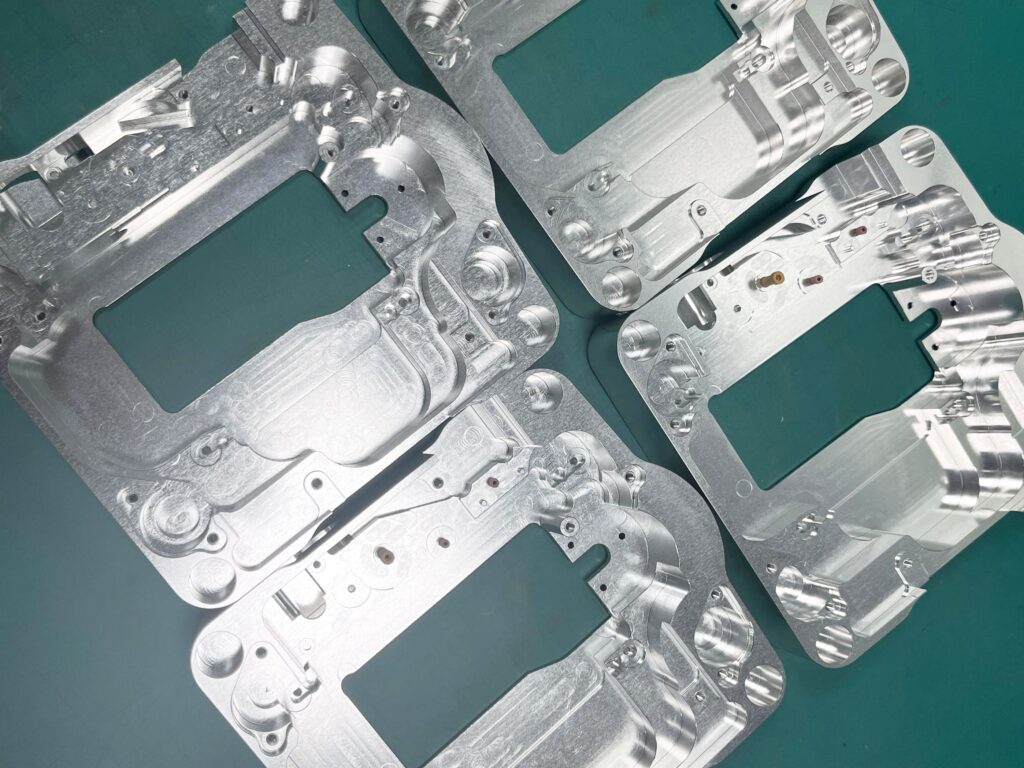
CNC machining is one of the most widely used methods for high-precision metal prototypes, particularly in industries like aerospace and automotive engineering. It involves the subtractive process of cutting away material from a solid metal block using tools such as mills, lathes, and drills.
Advantages:
- High Precision and Accuracy: Capable of tolerances as tight as ±0.005mm, making it ideal for complex geometries.
- Wide Material Compatibility: Works with aluminum, titanium, stainless steel, and more.
- Excellent Surface Finish: Smooth finishes can be achieved without extensive post-processing.
- Scalability: Prototypes can transition smoothly into low-volume production.
Limitations:
- Material Waste: Since CNC is a subtractive process, it generates more material waste than additive methods like 3D printing.
- Higher Cost for Complex Geometries: If the part requires extensive machining, costs increase significantly.
CNC machining is often the go-to choice for prototypes requiring mechanical strength, durability, and tight tolerances. However, when design flexibility and material efficiency are priorities, metal 3D printing might be a better alternative.
2. Metal 3D Printing
Metal additive manufacturing is commonly known as metal 3D printing. It has revolutionized prototyping by enabling intricate and lightweight designs that are difficult or impossible to achieve with traditional methods. Technologies such as Selective Laser Sintering (SLS), Selective Laser Melting (SLM), and Direct Metal Laser Sintering (DMLS) use high-powered lasers to fuse metal powder layer by layer into a solid structure.
Advantages:
- Complex Geometries: Enables the creation of internal channels, lattice structures, and organic shapes.
- Material Efficiency: Uses only the necessary material, minimizing waste.
- Rapid Iteration: Design changes can be implemented quickly without modifying tooling.
- Lightweight Structures: Optimized designs reduce material usage while maintaining strength.
Limitations:
- Post-Processing Required: Support structures must be removed, and surface finishing is often needed.
- Higher Material Costs: Metal powders are generally more expensive than raw blocks used in CNC machining.
- Limited Material Choices: While options are expanding, CNC machining still offers a broader range of materials.
Generally, metal 3D printing is ideal for lightweight, high-strength prototypes, complex internal structures, and low-volume production. However, when dealing with larger batch production, metal casting may offer a more cost-effective alternative.
3. Metal Casting:
Metal casting is a time-tested process that involves pouring molten metal into a mold, allowing it to cool and solidify into the desired shape. It is particularly well-suited for batch production of prototypes and early-stage product testing. The two most commonly used casting methods in prototyping are sand casting and investment casting.
Sand Casting vs. Investment Casting
| Feature | Sand Casting | Investment Casting |
| Surface Finish | Rougher (Ra 12.5–25μm) | Smoother (Ra 3.2–12.5μm) |
| Dimensional Accuracy | Moderate | High |
| Cost | Lower setup cost, higher unit cost | Higher setup cost, lower unit cost for large batches |
| Best For | Large, simple parts | Complex, detailed parts |
Advantages:
- Ideal for Medium to Large Batches: Reduces per-unit costs when producing multiple prototypes.
- Allows for Complex Geometries: Particularly investment casting, which captures fine details.
- Broad Material Selection: Works with aluminum, steel, brass, and more.
Limitations:
- Longer Lead Times: Mold creation takes time, making it slower than CNC or 3D printing for single prototypes.
- Less Precision than CNC: While investment casting offers good accuracy, it still may require secondary machining for tight tolerances.
Metal casting is a cost-efficient solution for prototyping large parts or producing multiple units, but for thin-walled components and high-precision applications, sheet metal forming is a better choice.
4. Sheet Metal Forming:
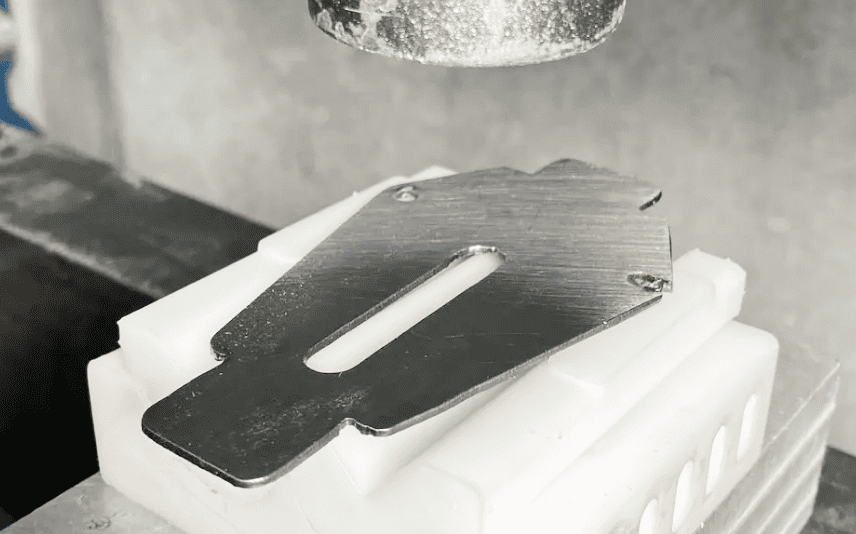
Sheet metal forming involves processes such as laser cutting, bending, and stamping, where flat sheets of metal are shaped into the desired form. Commonly, this method is employed for enclosures, brackets, and structural panels in industries like electronics and automotive manufacturing.
Advantages:
- Fast Turnaround: Laser cutting and bending are quick, making this ideal for rapid prototyping.
- Lower Material Waste: Unlike subtractive machining, forming methods use nearly all of the raw material.
- Scalability: Prototypes can seamlessly transition into mass production.
Limitations:
- Thickness Constraints: Sheet metal parts typically range from 0.5mm to 6mm thickness.
- Limited Complexity: More intricate shapes may require additional welding or assembly.
- For flat or thin-walled prototypes, sheet metal forming is one of the most cost-effective and efficient methods, but for components requiring both high precision and complex features, a hybrid approach may be the best solution.
5. Hybrid Manufacturing: Combining CNC Machining and 3D Printing
In many cases, a single prototyping method does not fully meet the design, cost, and performance requirements of a project. Hybrid manufacturing, which combines CNC machining with 3D printing, offers the best of both worlds—allowing for high-precision parts with complex geometries and optimized material usage.
How Hybrid Manufacturing Works:
- 3D Printing for Complex Internal Structures: Lattice structures and lightweight features are printed using SLM or DMLS.
- CNC Machining for High-Precision Surfaces: Key functional surfaces, holes, and threads are finished to high tolerances.
- Process Optimization: Reduces material waste and improves overall efficiency.
Best Use Cases for Hybrid Manufacturing:
- Automotive and Aerospace Components: Optimized weight and strength balance.
- Medical Implants: Complex geometries with biocompatible materials.
- Custom Tooling and Jigs: Rapidly produced but with precision-finished features.
Common Materials in Metal Prototyping
Depending on the application and required properties, different metals are used in prototyping, each offering distinct advantages.
Aluminum
Aluminum is a popular choice due to its lightweight, corrosion-resistant, and easy-to-machine properties. It is particularly well-suited for applications in aerospace, automotive, consumer electronics, and heat dissipation. Common grades of aluminum include 6061, which is used for general purposes, 7075, known for its high strength, and 5052, often used for sheet metal forming.
Titanium
Titanium is valued for its exceptional strength-to-weight ratio, biocompatibility, and high-temperature resistance. These properties make it an ideal material for medical implants, aerospace components, and high-performance automotive parts. Titanium comes in various grades, with Grade 2 being commercially pure and suitable for forming, while Grade 5 is the strongest and most commonly used.
Stainless Steel
Stainless Steel is renowned for its high strength, corrosion resistance, and good wear resistance. It is commonly utilized in medical instruments, industrial machinery, and structural components. Different grades of stainless steel cater to specific needs, such as 304 for general use, 316 for marine and chemical applications, and 17-4 PH for high-strength aerospace and defense applications.
Brass
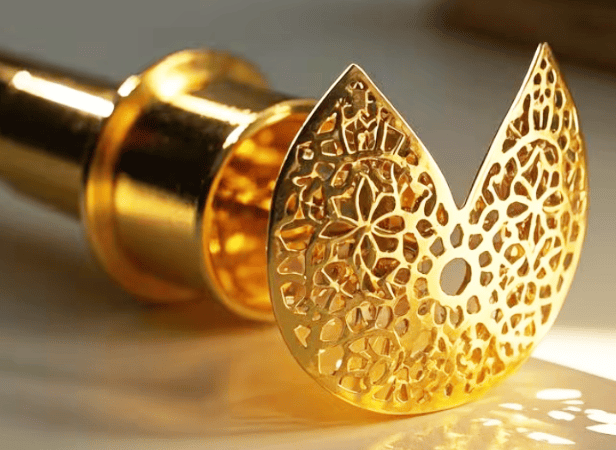
Brass is chosen for its excellent machinability, good corrosion resistance, and aesthetic appeal. It is often used in decorative parts, electrical connectors, and precision components. Common grades of brass include C360, which offers high machinability, and C464, which provides marine-grade corrosion resistance.
| Material | Strength | Corrosion Resistance | Machinability | Weight |
| Aluminum | Medium | High | Excellent | Light |
| Titanium | High | Excellent | Difficult | Light |
| Stainless Steel | High | Excellent | Moderate | Heavy |
| Brass | Low | Good | Excellent | Medium |
Surface Finishing in Metal Prototyping
Metal surface finishing techniques are crucial for enhancing both the aesthetic appeal and durability of metal products. Here are some common methods:
Polishing
Polishing is a process that involves mechanically or chemically smoothing the surface of a material to achieve a reflective, smooth finish. This technique not only enhances the aesthetic appeal of metals by creating a mirror-like effect but also reduces surface roughness, which can minimize stress concentrations and improve corrosion resistance. Consequently, polishing is often used for decorative or high-end products such as jewelry, medical instruments, and consumer electronics.
Plating
Following the polishing process, plating is another crucial surface treatment method. It involves electroplating or electroless plating to deposit a thin layer of metal, such as nickel, chrome, or gold, onto the surface. This process provides a shiny, metallic finish and can add color, for instance, through gold plating. Moreover, plating enhances wear resistance, corrosion resistance, and electrical conductivity. As a result, it is commonly applied in automotive trim, electronics, and industrial components.
Anodizing
In addition to plating, anodizing is an electrochemical process that forms a protective oxide layer on aluminum or other non-ferrous metals. This process allows for dyeing in various colors while maintaining a metallic appearance, thereby enhancing the aesthetic appeal of the material. Furthermore, anodizing improves corrosion resistance, hardness, and wear resistance. Therefore, it is widely used in aerospace components, consumer electronics, and architectural elements.
Sandblasting
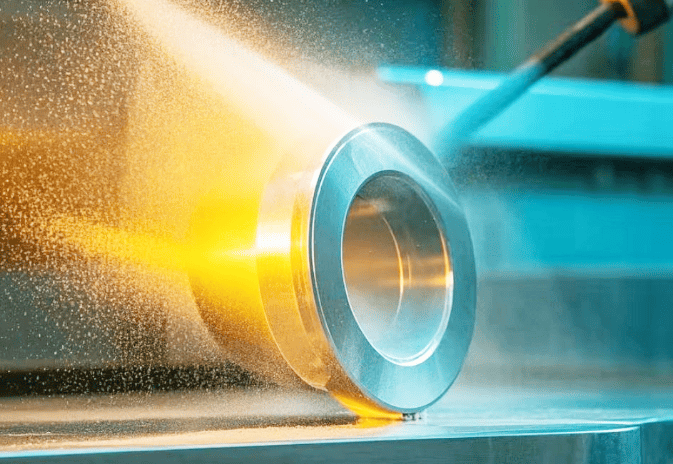
Another important surface treatment is sandblasting, which involves propelling abrasive media, such as sand or glass beads, at high velocity to clean or texture the surface. This technique creates a uniform matte or textured finish, often used for non-reflective surfaces. Moreover, sandblasting removes surface contaminants and improves adhesion for coatings. Consequently, it is applied in automotive parts, industrial equipment, and artistic metalwork.
Coating
Lastly, coating involves applying a protective layer, such as powder coating, paint, or PVD/CVD coatings, to the surface. This process offers a wide range of colors and finishes, including glossy, matte, and textured options. Additionally, coatings provide excellent corrosion resistance, UV protection, and wear resistance. As a result, they are commonly used in outdoor equipment, automotive parts, and consumer goods.
Testing and Validation of Metal Prototypes
Testing and validation ensure that the final product meets the required performance standards and functional requirements. These tests evaluate the prototype’s mechanical, thermal, and electrical properties, depending on its intended application.
Mechanical Testing
Mechanical testing assesses the prototype’s ability to withstand physical forces and stresses. Common tests include:
- Tensile Testing: Measures the material’s strength and elongation under tension, providing data on yield strength, ultimate tensile strength, and ductility.
- Fatigue Testing: Evaluates the prototype’s performance under cyclic loading to determine its lifespan and resistance to failure over time.
- Hardness Testing: Determines the material’s resistance to deformation, often using methods like Rockwell or Vickers hardness tests.
Thermal Testing
Thermal testing evaluates how the prototype performs under temperature variations and its ability to conduct or resist heat. Key tests include:
- Heat Resistance Testing: Measures the material’s ability to maintain structural integrity and performance at high temperatures, which is essential for applications like engine components or industrial machinery.
- Thermal Conductivity Testing: Determines how efficiently the material transfers heat, important for heat sinks, electronic enclosures, or thermal management systems.
- Thermal Expansion Testing: Assesses the material’s dimensional stability under temperature changes, ensuring it won’t warp or crack in varying environments.
Electronic Enclosure Testing
For metal prototypes used in electronic enclosures, specific tests are conducted to ensure they meet electrical and electromagnetic performance requirements:
- EMI Shielding Testing: Evaluates the enclosure’s ability to block electromagnetic interference (EMI), ensuring it protects sensitive electronic components from external signals and prevents internal emissions from interfering with other devices.
- Electrical Conductivity Testing: Measures the material’s ability to conduct electricity, which is critical for grounding or shielding applications.
- Corrosion Resistance Testing: Ensures the enclosure can withstand environmental factors like humidity or chemical exposure, which could degrade its performance over time.
How to Choose the Right Metal Prototyping Manufacturer?
Choosing the right metal prototyping manufacturer is crucial for ensuring the high-quality, cost-effective, and timely production of your prototypes. Here are key factors to consider:
- Experience and Expertise: Look for a manufacturer with a proven track record in metal prototyping and expertise in your specific industry.
- Capabilities: Ensure they offer the necessary technologies and finishing processes for your project.
- Quality Standards: Verify certifications like ISO 9001 or AS9100, which indicate adherence to strict quality control measures.
- Material Options: Choose a manufacturer that works with a wide range of metals to meet your material requirements.
- Lead Times and Scalability: Assess their ability to deliver prototypes quickly and scale production if needed.
- Cost-Effectiveness: Compare pricing while ensuring no compromise on quality.
- Customer Support: Opt for a manufacturer that provides clear communication, design feedback, and post-production support.
For precision and reliability, consider Ancastings Precision, a trusted name in metal prototyping known for its advanced capabilities, stringent quality standards, and commitment to customer satisfaction. Our expertise ensures your prototypes meet the highest performance and aesthetic requirements.
Conclusion
Metal prototyping is an essential phase of product development, enabling engineers and designers to validate performance, durability, and manufacturability before full-scale production. From CNC machining and metal 3D printing to casting and hybrid manufacturing, each method offers unique advantages for accelerating innovation.
As metal rapid prototyping technologies continue to advance—especially in automation, additive manufacturing, and multi-axis CNC—the process becomes faster, more precise, and increasingly cost-effective. By understanding the available methods, materials, and testing requirements, you can confidently choose the ideal prototyping strategy and bring your product from concept to creation with greater efficiency and reliability.
FAQs
A metal prototype is a functional or visual model of a metal part or product created using techniques like CNC machining, 3D printing, casting, or sheet metal fabrication. It allows designers and engineers to test and validate designs before moving to full-scale production.
Common materials include aluminum, stainless steel, titanium, copper, and brass. Aluminum is popular for its lightweight and corrosion resistance, stainless steel is chosen for its strength and durability, and titanium is ideal for high-strength, lightweight applications in industries like aerospace.
Surface finishing options include polishing (for a smooth, reflective finish), anodizing (to improve corrosion resistance and add color), plating (to enhance wear resistance and conductivity), and sandblasting (to create a uniform matte or textured surface). These finishes improve both aesthetics and functionality.
The Blogs You May Be Interested In:
- How CNC Design Impacts Sterilization Cycle Time & Cost
- Magnesium Alloy Housings: CNC Anti‑Oxidation & Deformation Control
- Preventing Built-Up Edge When Machining Soft Aluminum for Semiconductor Gas Distribution Panels
- White Layer Formation in Medical Grinding: Risks & Removal
- Titanium TC4 Robot Arms: 5-Axis CNC for 30% Lighter Weight & High Rigidity
Contact us