
Precision machining plays a crucial role in various industries in producing high-quality machined parts. Among these, lapping acts as a surface finish process to achieve exceptionally high levels of flatness. As such, this article aims to provide a comprehensive guide to lapping, covering fundamental concepts, the mechanics of the lapping process, various types of lapping, and their applications. By comparing lapping with other machining techniques, we will gain insights into the advantages and limitations of each method. Additionally, we will discuss the pros and cons of lap machining, the selection of lapping equipment, and more.
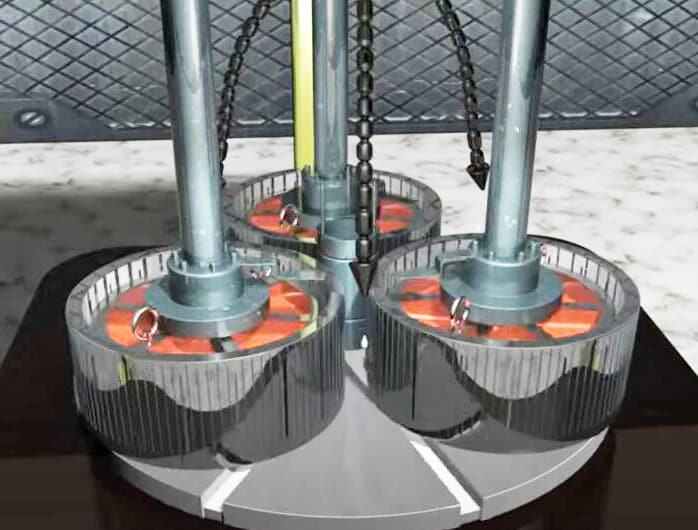
What is Lapping?
The lapping process typically involves applying a soft abrasive material between a workpiece and a moving lapping plate, allowing for the gradual removal of material. It intends to achieve superior surface finish and dimensional accuracy on workpieces. Moreover, this method is capable of producing very flat surfaces, smooth finishes, and tighter tolerances than many other machining processes.
How Does the Lapping Process Work?
We’ve learned the definition of lapping in the last section; now let’s move on to how it works. The lapping process consists of several key steps and components:
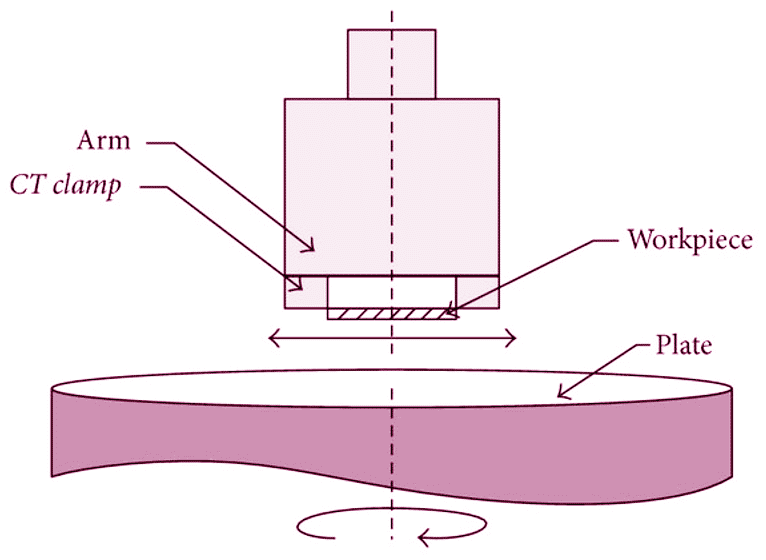
1. Materials:
- Abrasives: The lapping process utilizes abrasive particles, which can be hard materials like aluminum oxide, silicon carbide, or diamond. These are often mixed with a liquid lubricant to facilitate the process.
- Lapping Plate: A flat and hard surface is placed onto the workpiece. The plate comes with a variety of materials, including cast iron and ceramic. Further, it is sometimes textured to enhance the abrasive action.
2. Setup:
The workpiece is typically mounted on a flat lapping plate. The surface of the workpiece is in direct contact with the abrasive slurry applied on the plate.
3. Motion:
The lapping plate rotates and moves the workpiece in a circular, oscillating, or linear motion against itself. This motion helps distribute the abrasive particles uniformly across the surface of the workpiece. In some cases, a double-sided lapping process occurs when two workpieces are placed between two lapping plates, allowing for simultaneous processing.
4. Material Removal:
As the motion continues, the abrasive particles wear down the surface of the workpiece. This action gradually removes material and flattens the surface while simultaneously generating a polished finish.
5. Surface Finish:
Lapping can produce finishes in the range of micro to sub-micrometer levels, making it ideal for applications that require very tight tolerances.
Types of Lapping
Lapping is a versatile machining process with various methods suited to specific applications and materials. Here are the main types of lapping processes:
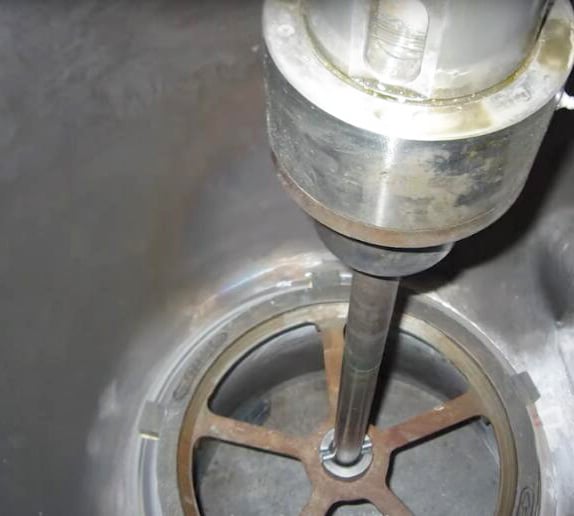
1. Single-Sided Lapping
In this type, a workpiece is placed against a flat lapping plate, and the lapping action occurs on one side of the workpiece. The lapping plate rotates while the workpiece is either stationary or moved in a linear or oscillating motion. This method is common for applications requiring precise flatness and smooth surfaces.
2. Double-Sided Lapping
In double-sided lapping, two workpieces are placed between two lapping plates or discs. Both plates rotate in opposite directions, allowing for simultaneous lapping of both sides of the workpieces. This method is efficient in achieving uniform thickness and producing parts like semiconductor wafers, optical elements, and mechanical seals.
3. Slurry Lapping
Slurry lapping involves the use of a liquid mixture that contains abrasive particles. The slurry is applied to the lapping plate or the workpiece, facilitating the abrasive action while keeping the surfaces lubricated. This technique is beneficial for reducing friction and heat generation, allowing for smoother and more effective lapping.
4. Fine Lapping
Fine lapping is a precision variant aimed at achieving extremely high surface finishes. This type of lapping employs finer abrasives and slower speeds to produce ultra-smooth surfaces.
5. Coarse Lapping
Coarse lapping utilizes larger abrasive particles and is employed for initial material removal to achieve a flat surface before proceeding to fine lapping. This type is suitable for roughing out surfaces where high material removal rates are necessary.
6. Magnetic Lapping
This method uses magnetic forces to hold and manipulate the workpiece on a lapping plate. Magnetic lapping is beneficial for small, thin, or fragile components, allowing for secure positioning while allowing the lapping action to occur.
Pros and Cons of the Lapping Process
Lapping is a widely utilized precision machining process, but like any technique, it has its advantages and disadvantages. Here’s a breakdown of the pros and cons of the lapping process:
Pros of Lapping
- High Precision and Flatness: It achieves extremely tight tolerances and flatness, making it ideal for applications requiring high precision.
- Superior Surface Finish: The process can produce exceptionally smooth surfaces, often achieving finishes in the micro to sub-micrometer range.
- Uniform Material Removal: Lapping offers uniform removal of material across the workpiece surface, which contributes to the overall dimensional accuracy and consistency.
- Versatility: It can be applied to a wide variety of materials, including metals, ceramics, glass, and plastics.
- Minimal Workpiece Distortion: The gentle nature of the lapping process minimizes stress on the workpiece, reducing the likelihood of warping or distortion.
- Complex Geometries: Lapping can effectively handle complex shapes and delicate components that require precision finishing without damaging the part.
Cons of Lapping
- Slower Rate of Material Removal: Lapping is generally a slower process compared to other machining methods like grinding or milling, making it less efficient for high-volume production.
- Limited Depth of Cut: The lapping process typically removes only small amounts of material per pass, which may not be suitable for initial roughing operations.
- Higher Cost: The need for specialized equipment, abrasives, and potential labor-intensive setups can make lapping a more expensive option in some cases.
- Wear of Abrasives: Abrasives used in the lapping process can wear out over time, necessitating frequent replacements or adjustments, which may add to production costs.
Applications of Lapping Machining
1. Optics and Photonics
- Lenses: Lapping is widely used in manufacturing optical lenses, such as those for cameras, microscopes, telescopes, and corrective eyewear, to achieve the required curvature and surface finish.
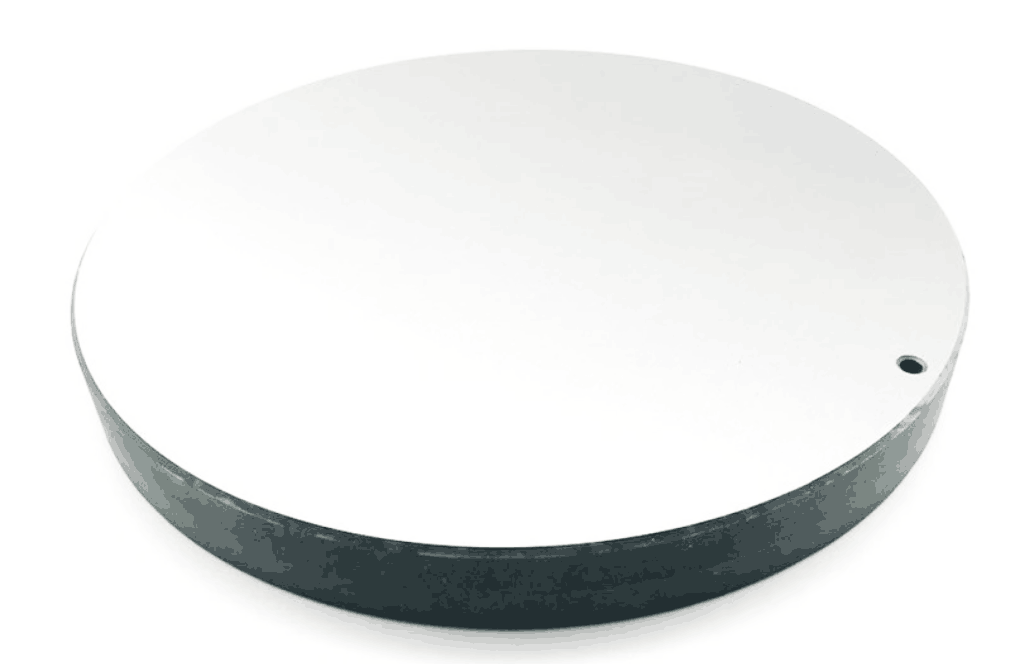
- Mirror Surfaces: High-quality reflecting surfaces are created for optical mirrors, ensuring minimal distortion in light reflection.
2. Semiconductor Industry
- Wafer Production: Lapping is crucial in the processing of semiconductor wafers, where extremely flat surfaces and precise thickness control are necessary for microelectronics.
Die Manufacturing: It’s also used in the finishing of semiconductor dies, which require high precision to ensure performance in electronic devices.
3. Precision Engineering
- Mechanical Components: Lapping is employed in the production of precision components such as valve seats, pump components, bearings, and gears.
- Gauge Blocks: High-precision gauge blocks used for measuring lengths are frequently lapped to ensure accuracy.
4. Aerospace and Defense
- Aerospace Components: Critical components such as landing gear, fuel injectors, and turbine blades undergo lapping to achieve the design specifications necessary for safety and performance.
- Defense Equipment: Precision parts for defense applications, including optical sights and weapon systems, often require the benefits of lapping.
5. Automotive Industry
- Engine Components: Parts like cylinder heads, piston rings, and valve trains are manufactured using lapping to achieve the desired fit and finish, contributing to engine efficiency and performance.
- Transmission Components: Lapping is also used for finishing gears and synchronizers in automotive transmissions.
6. Medical Devices
- Surgical Instruments: High-precision medical instruments are often lapped to ensure they meet strict tolerances and surface standards for safety and effectiveness.
- Implants: Surface finishes on medical implants are critical for biocompatibility and performance.
7. Electronics
- Connectors and Contacts: Electrical contacts and connectors are lapped to ensure optimal conductivity and surface quality, essential for reliable electrical connections.
- RFID Chips: The surfaces of RFID chips may be lapped to ensure they meet the required dimensional tolerances for functionality.
8. Jewelry and Watchmaking
- Face and Case Finishing: Lapping is used in the finishing of watch faces and jewelry pieces to provide a high-gloss finish that enhances aesthetics and durability.
Gear and Metal Lapping Processes
Gear and metal lapping are specialized applications of the lapping process that focus on achieving high precision and superior surface quality in gears and various metal components.
Particularly, gear lapping ensures that the tooth profiles and surfaces meet stringent specifications for smooth operation and extended durability. The process begins with gears typically machined to near net shape through methods like hobbing or shaping. Once prepared, the gears are mounted in a lapping machine equipped with a rotating lapping plate. An abrasive slurry, composed of fine particles combined with a lubricant, is applied to facilitate the lapping action. During the process, the gears are rotated against the lapping plate under controlled pressure, allowing for uniform material removal that refines both the surfaces and the tooth profiles. This improves the surface finish significantly, reduces friction and wear, and ultimately extends the lifespan of the gears in applications such as automotive transmissions and industrial machinery.
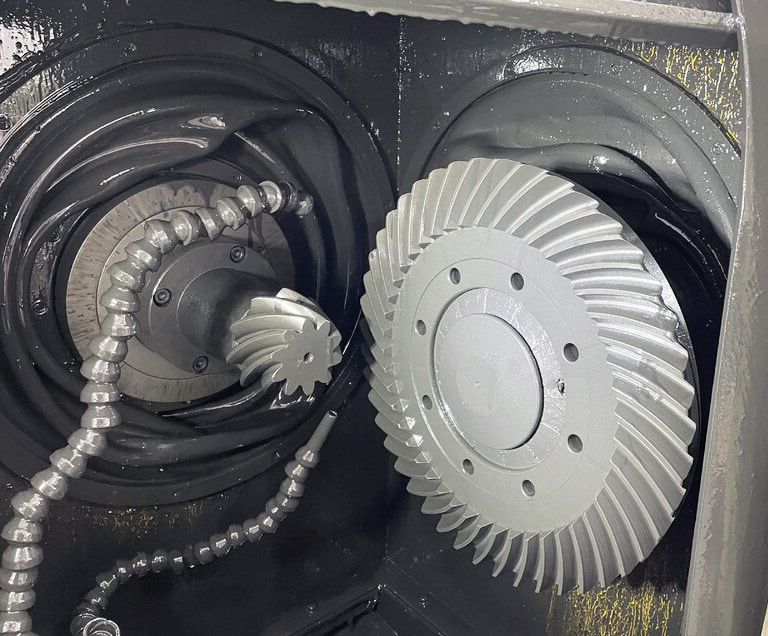
Metal lapping, on the other hand, is a versatile process applied for finishing various metal components to attain a high degree of flatness and smoothness. Similar to gear lapping, metal parts are first pre-machined to remove bulk material before being mounted on a flat lapping machine. An abrasive slurry is then applied to a flat lapping plate, and the metal workpieces are moved across it in a controlled manner, allowing for even material removal. This process can accommodate a variety of metals, including aluminum, steel, and copper, making it suitable for many industries. The benefits of metal lapping include achieving high surface quality and ensuring dimensional accuracy.
Overall, both gear and metal lapping are essential processes that enhance the performance and reliability of gears and other metal parts in numerous applications.
Lapping vs Grinding vs Honing vs Knurling
Lapping, grinding, honing, and knurling are all machining processes used to finish parts and improve surface characteristics, but they serve distinct purposes and employ different techniques. Here’s a comparison of these processes based on their methods, applications, and benefits.
Lapping
As we introduced before, it is a precision machining process that utilizes a soft abrasive slurry applied to a flat lapping plate or disk. This process is primarily employed to achieve superior surface finishes and high dimensional accuracy. This method is particularly effective for applications requiring exceptional smoothness and tight tolerances, making it ideal for manufacturing optical components, semiconductor wafers, gears, and precision mechanical parts.
Grinding
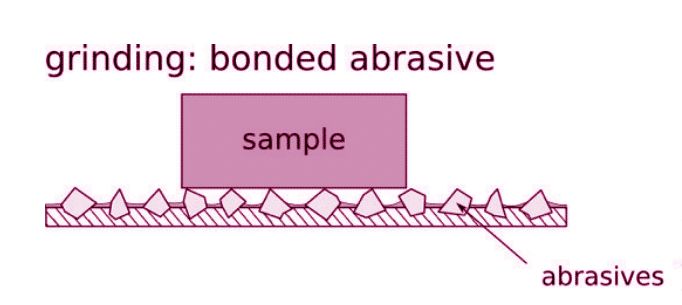
Grinding is a widely utilized machining process that involves a rotating wheel coated with abrasive grains, which effectively removes material from a workpiece. This process is designed for bulk material removal and surface finish improvement, making it efficient for various applications. In grinding, the workpiece is held against a spinning grinding wheel that cuts away material through friction and abrasive action. Depending on the setup, grinding methods can be flat, cylindrical, or surface-based. It commonly finds uses in the automotive industry for components such as bearings, tools, and other metal parts that require a high level of precision. While grinding can provide reasonable surface finishes, its primary focus is on achieving efficient material removal.
Honing
Honing is a precision finishing process that is specifically designed to enhance the geometric form and surface finish of workpieces. This technique employs abrasive stones or sticks affixed to a flexible hone, which reciprocates or rotates inside a workpiece. Honing effectively removes material to correct the shape and refine the finish of the surface. Honing is often applied to engine cylinders, hydraulic components, and any application where precise bore dimensions are essential. The key benefits of honing include improved dimensional accuracy and a fine surface finish, ensuring that components fit and perform as intended.
Knurling
Knurling is a forming process to create a patterned texture of ridges or teeth on a cylindrical surface, enhancing grip and functionality. In this process, a knurling tool featuring a textured surface is pressed into a rotating workpiece, causing material deformation to create a raised pattern. Unlike other machining processes that remove material, knurling displaces it to form the desired texture. This technique commonly acts on producing handles, knobs, and grips for tools and equipment, where improved manual grip is required. The benefits of knurling extend beyond functionality, as it can also enhance the aesthetic appeal of parts.
| Process | Method | Applications | Benefits |
| Lapping | Soft abrasive slurry on a flat plate | Optical components, semiconductor wafers, mechanical parts | Excellent surface finish, tight tolerances |
| Grinding | Rotating abrasive wheel | Automotive parts, tools, bearings | Quick material removal, effective for roughing and finishing |
| Honing | Abrasive stones in a reciprocating motion | Engine cylinders, hydraulic components | Improved accuracy, specific geometric form |
| Knurling | Forming tool creating raised patterns | Handles, knobs, grips | Improved grip, aesthetic appeal |
Lapping Machines and Equipment
Various types of lapping machines are designed to accommodate different applications, materials, and production requirements. Below is an overview of different types of lapping machines.
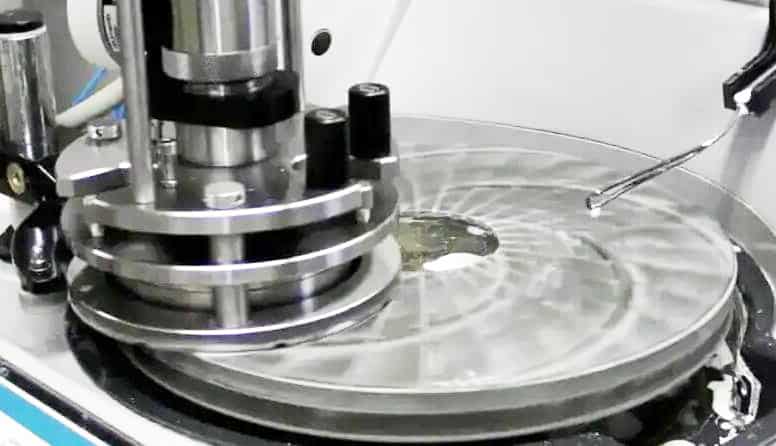
1. Manual Lapping Machines
Manual lapping machines are operated by a skilled technician who controls the movement of the workpiece against the lapping plate. These machines aim for small production runs or specialized applications where high precision is required but production volume is low. Manual lapping is more labor-intensive and may require more skill and experience to achieve consistent results.
2. Semi-Automatic Lapping Machines
Semi-automatic lapping machines are equipped with various automation features to assist the operator in controlling the lapping process. These machines may include automated feeding mechanisms or adjustable speed settings, allowing for improved consistency and efficiency compared to manual machines. They are suitable for small to medium production volumes and provide a good balance between precision and productivity.
3. Fully Automatic Lapping Machines
Fully automatic lapping machines are designed for high-volume production where precision and efficiency are paramount. These machines can handle multiple workpieces simultaneously and typically incorporate advanced features such as programmable settings, automatic slurry delivery systems, and in-process gauging.
Common Problems in Lapping and Solutions
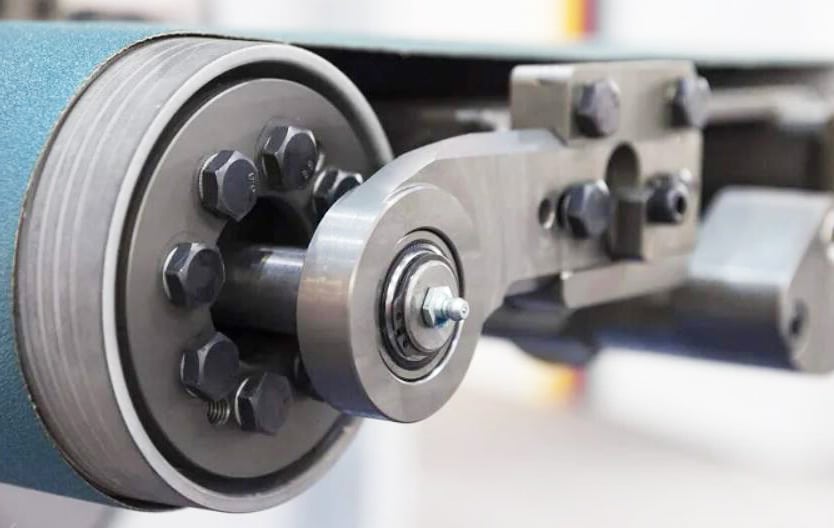
Lapping is an effective precision machining process, but it can encounter several common problems that affect the quality of the finished parts. One significant issue is inconsistent surface finish, which can arise from uneven abrasive distribution or improper machine settings. To mitigate this problem, it is crucial to regularly check and maintain the lapping plate for even wear and ensure that the abrasive slurry is adequately mixed and evenly distributed onto the lapping plate. Additionally, adjusting the pressure and speed settings of the lapping machine can optimize material removal and enhance surface uniformity.
Another common problem is the presence of scratches on the workpiece, often caused by contamination from debris or improper handling. To prevent scratches, it is essential to keep the lapping area clean and free from debris by regularly cleaning the lapping plate and workpieces before loading. Furthermore, using soft and non-abrasive materials for holding and handling parts can minimize accidental damage during the process.
Uneven or overlapping edges may also occur due to improper clamping or inconsistent movement during lapping. It is vital to secure workpieces firmly and uniformly within the holding fixtures to avoid this issue. Additionally, monitoring the motion of the parts on the lapping plate can help ensure even coverage and consistent material removal.
Finally, dimensional inaccuracy can also occur, preventing parts from achieving the desired dimensions or tolerances. Regularly calibrating and maintaining lapping machines is essential to ensure they operate correctly. Employing in-process measurements to monitor dimensions allows for timely adjustments during production, helping to maintain precision.
Conclusion
While lapping may not match the speed of certain methods, such as grinding or milling, its capacity to deliver superior surface finish and dimensional stability makes it highly valuable in industries like aerospace, electronics, and medical devices. Understanding the various types of lapping, their applications, and equipment requirements will provide manufacturers and engineers with valuable guidance to enhance product quality and production efficiency.
In addition, Ancastings offers tailored surface finish services that leverage advanced technologies and expertise, ensuring optimal results for your specific needs. With our commitment to quality and precision, we help clients achieve their desired specifications while improving their overall production processes. Please feel free to contact our experts or ask for an instant quote to begin your project.
FAQs
Lapping is a precision machining process that uses a rotating flat plate with a slurry of abrasive particles to achieve fine surface finishes and tight tolerances on workpieces.
Lapping can be performed on a wide range of materials, including metals, ceramics, glass, and plastics. The specific abrasives used vary depending on the material being processed.
The primary advantages of lapping include exceptional surface finish quality, improved dimensional accuracy, minimal distortion of the workpiece, and the ability to achieve very tight tolerances.
Lapping is a softer abrasive process aimed at producing finer finishes with low material removal rates, while grinding is more aggressive and is used primarily for bulk material removal and achieving a rougher surface.