
If you’ve ever worked with metal parts, you’ve probably noticed small, unwanted imperfections on the edges—those pesky burrs. While they may seem minor, burrs can affect the performance, safety, and overall quality of your parts. That’s where deburring comes into play, a vital process that ensures your components are clean, smooth, and up to standard.
As such, this article will walk you through everything you need to know about deburring. We’ll dive into what causes burrs, the tools and methods used to remove them, and the different types of burrs you may encounter. You’ll also find tips on how to achieve the best finish for your parts, along with a comparison of deburring to processes like chamfering and polishing, helping you make well-informed choices for your machining projects.
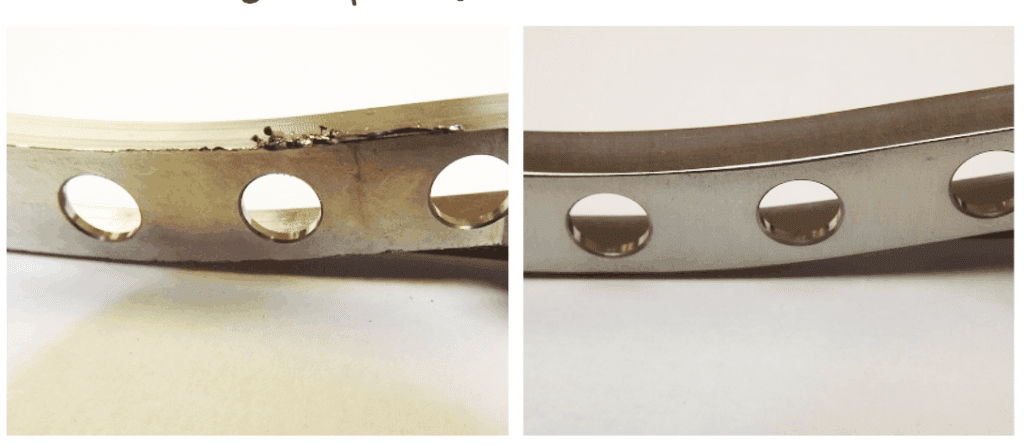
What is Deburring?
Burrs are small, sharp imperfections that appear on the surface of metal parts during machining processes like welding and stamping. These imperfections may form as uneven edges from cold cuts, hot saws, or as extrusions along weld seams. No matter how advanced the equipment, these ridges or protrusions often remain after shaping metal, affecting the part’s smoothness and functionality. Beyond diminishing the part’s appearance, burrs can also affect precision and, in some cases, pose safety risks. A person handling a part with burrs might risk injury from the sharp edges.
Why is Deburring Important?
In the previous section, we provided a detailed explanation of burrs. Now, we’ll delve into why deburring is crucial for ensuring part quality.
- Precision and Fit: Protrusions or ridges on machined surfaces can interfere with accurate assembly. Deburring ensures components fit seamlessly and function as intended.
- Quality Control: Defects on the surface may compromise the reliability and lifespan of parts. As a result, smoothing out these flaws maintains strict quality standards and ensures optimal performance.
- Efficiency in Manufacturing: Additionally, uneven edges or rough surfaces can disrupt coating, painting, or automated processes. Eliminating them early streamlines production and reduces potential delays.
- Aesthetic Appeal: Imperfections make parts appear unfinished or substandard. Deburring delivers a polished, professional look that enhances the overall presentation of the product.
- Safety: Sharp edges left behind after machining can cause cuts or injuries during handling. Thus, removing these imperfections ensures the parts are safe to use.
- In summary, deburring is vital for producing safe, functional, and aesthetically pleasing parts. It ensures the product’s integrity and helps meet the strict tolerances and standards necessary for high-quality manufacturing.
What Causes a Burr?
Burrs can form during different stages of machining, and several factors contribute to their occurrence. While machining processes are often the primary cause, external factors like material properties and tool conditions also play a significant role.
1. Machining Processes:
- Drilling: Burrs often form at the entry and exit points of holes, particularly when drill speed or bit type is not optimized.
- Engraving: This process can lead to small raised edges along the carving path, especially if the tool is not sharp enough or the material is difficult to engrave.
- Milling: Burrs can appear at the edges of cuts when the material isn’t fed evenly into the tool, or when abrupt tool movements occur.
- Turning: In turning operations, burrs typically form at the point where the tool enters or exits the material, particularly under poor cutting conditions.
2. Cutting Processes:
- Blanking: During blanking, burrs often appear along the edges of cut shapes, especially if the die is misaligned or worn.
- Punching: Burrs form around punched holes or shapes due to the shear forces that cause material deformation.
- Laser Cutting: While precise, laser cutting can generate burrs as the heat-affected zone, which causes the material to melt and form jagged edges.
- Plasma Cutting: similar to laser cutting, plasma cutting involves high temperatures, which can melt and splatter the material, resulting in rough edges.
- Shearing: In addition, shearing operations can leave burrs when there’s too much pressure or improper blade alignment.
3. Other Factors:
- Material Type: Softer materials, like aluminum, are more prone to burr formation than harder metals, such as steel, due to differences in ductility and hardness.
- Cutting Speed and Tool Conditions: High cutting speeds or worn-out tools can increase friction, leading to more burrs. Maintaining sharp tools and adjusting cutting speeds can help reduce burr formation.
- Tool Wear: Dull or worn tools fail to create clean cuts, causing more burrs. Regular tool maintenance or replacement is essential.
- Temperature: Excess heat from machining, especially in processes like welding or laser cutting, can soften the metal, causing it to deform and form burrs.
- Feed Rate: An inappropriate feed rate can result in excessive force, causing burrs. Optimizing the feed rate ensures smoother cuts and reduces the likelihood of burrs.
Different Types of Burrs
Burrs can be generally grouped into two main types based on their shape and how they form. Here’s a simple overview of the different types of burrs you might find in manufacturing processes.
1. Classification by Shape
- Edge Burrs: Formed along the edges during cutting or shearing, they appear as raised or rough edges.
- Hole Burrs: Found around holes, these create raised edges due to drilling, punching, or laser cutting.
- Form Burrs: Arise on curved surfaces during turning or milling, often creating irregular or rounded protrusions.
- Internal Burrs: Located on the inside edges of holes, typically on the exit side, these are smaller and finer than other burr types.
- Feather Burrs: Fine, long protrusions resulting from shearing or cutting under pressure, often looking like wisps or strands.
- Tear Burrs: Jagged, irregular burrs caused by excessive heat from processes like plasma cutting.
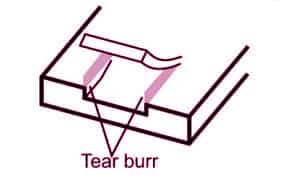
- Weld Burrs: Form at weld seams, often caused by material extrusion during welding.
2. Classification by Formation Mechanism
- Flying Edge Burrs: Arise at the parting surface of molds or from clamping force failures during machining.
- Sharp-Edged Burrs: Jagged, broken glass-like edges created by high material strength or rough cutting surfaces.
- Splash Burrs: Occur when molten metal splashes during welding or cutting, creating uneven edges.
- Poisson Burrs: Result from pressure in multiple directions, causing plastic deformation during cutting.
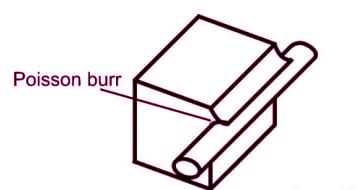
- Tumbling Burrs: Form when the cutting tool stops, causing the material to fold back toward the cutting edge.
- Cut Burrs: Appear from material separation, leaving rough or protruding edges, often found on sawn pieces.
- Hot Burrs: Develop as the molten metal cools after cutting processes like laser cutting, caused by residual stresses.
How to Use a Deburring Tool?
Proper deburring ensures not only a refined finish but also enhances the overall functionality and safety of the part. Now, let’s dive into the essential steps for achieving the perfect deburring process.
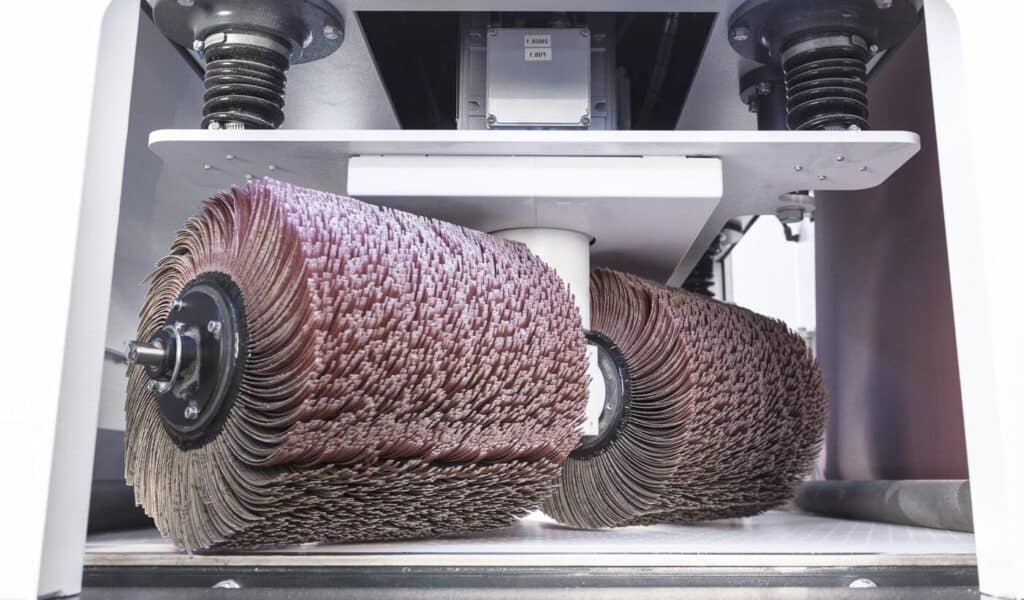
1. Choose the Right Deburring Tool
Select a tool based on the material and the type of burr, involving a hand deburring tool, rotary tool, or deburring blade.
2. Prepare the Workpiece
Secure the workpiece on a stable surface or in a clamp to prevent movement while deburring.
3. Angle the Tool
Hold the deburring tool at a slight angle, typically 15-30 degrees, to the edge of the burr. This ensures even removal without damaging the surface.
4. Apply Even Pressure
Gently push the tool across the burr, applying consistent pressure. Avoid pressing too hard, as this can cause damage.
5. Use Smooth, Controlled Movements
Move the tool in smooth strokes to gradually remove the burr. Work in the direction of the burr’s edge for a cleaner finish.
6. Inspect the Edge
After deburring, inspect the edge to ensure all burrs have been removed and the surface is smooth.
7. Clean Up
Clean the workpiece to remove any debris or filings left behind from the deburring process.
How to Remove Burrs From Metal?
The method you choose depends on factors like the type of metal, the burr formation, and the scale of the job. Here are the most common deburring methods:
1. Manual Deburring
Manual deburring is the most straightforward method, involving the use of hand tools like files, scrapers, or deburring blades. Burrs are scraped or smoothed away by hand, giving you direct control over the process. While this method is cost-effective and suitable for small jobs, it can be quite time-consuming, especially when dealing with large quantities. Additionally, it may slow down production, making it less ideal for high-volume manufacturing.
2. Mechanical Deburring
Mechanical deburring involves the use of specialized machines equipped with abrasive tools to grind away burrs. These machines can quickly remove burrs, making the process much faster than manual deburring. Mechanical deburring is efficient for high-volume operations where speed is essential. However, the equipment required can be costly, and regular maintenance is necessary to keep the machines running smoothly.
3. Thermal Deburring
Thermal deburring uses controlled combustion to generate intense heat, which burns away burrs from the workpiece. This method is particularly effective for reaching burrs in tight spaces or on parts with intricate shapes. Thermal deburring is ideal for removing burrs in hard-to-reach areas or on multiple surfaces simultaneously. Nevertheless, it comes with a high cost and is typically reserved for specialized applications that require this level of precision.
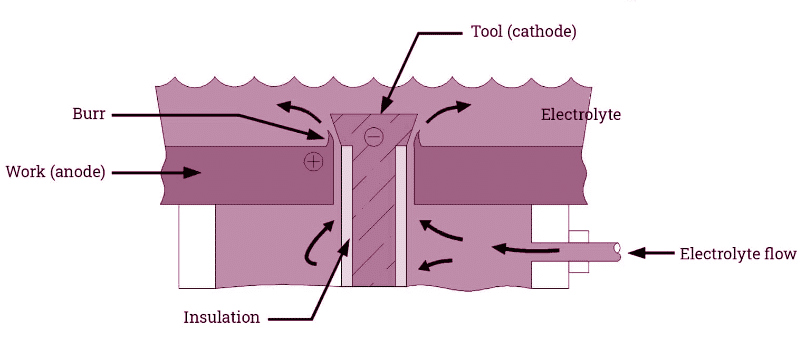
4. Electrochemical Deburring
Electrochemical deburring involves using an electrolyte solution and electrical current to remove burrs. The electrical energy dissolves the burrs without damaging the surrounding metal, making this method ideal for precise work on delicate or complex parts. It’s especially useful for working with tough metals or parts with fine details. On the downside, electrochemical deburring is a complex process and is typically utilized for specialized jobs where high precision is crucial.
Tips for Deburring Metal
1. Automatic Deburring
For high-volume production or complex parts, consider using automatic deburring machines. These machines offer faster and more consistent results than manual methods, saving time and improving efficiency, especially when dealing with large batches or intricate shapes.
2. Cutting Fluid
When deburring metal, especially during mechanical or rotary deburring, using cutting fluid can significantly reduce friction and heat. It helps prevent tool wear and ensures a smoother finish. Additionally, cutting fluid minimizes the risk of overheating and improves the overall efficiency of the deburring process.
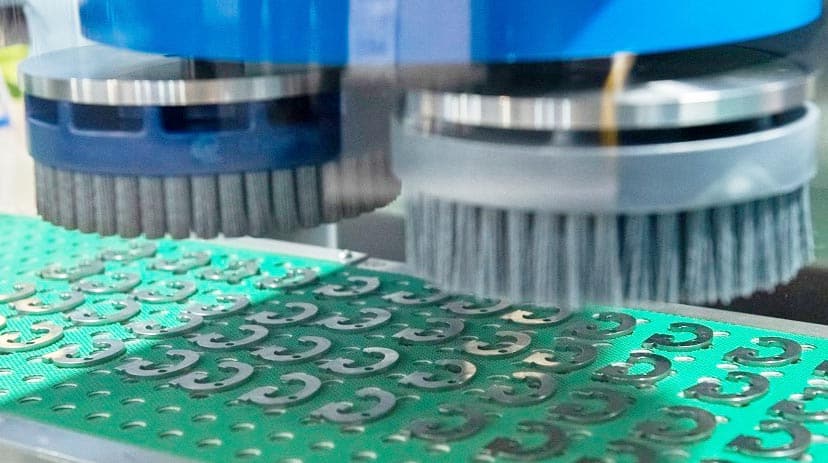
3. Rotary Brushes
If your metal parts have surface coatings like anodizing or plating, rotary brushes are an excellent choice. These brushes are gentle enough to remove burrs without damaging the coatings, leaving a clean edge while preserving the integrity of the finish.
4. Deburr and Finish Simultaneously
To save time and increase productivity, consider deburring and finishing the metal part in one step. Some tools, such as deburring tools with abrasive discs, allow you to smooth and polish edges as you deburr. This simultaneous process eliminates extra steps, reducing overall production time and ensuring a uniform finish.
Deburring Vs. Chamfering Vs. Polishing
Deburring
As we mentioned before, deburring is the process of removing sharp edges or small raised bits (burrs) from metal parts after machining. Burrs can form during cutting, drilling, or other processes and can be hazardous or cause parts to malfunction. Deburring involves techniques like scraping, grinding, or abrasive methods to smooth out the rough edges. This process is crucial in industries where safety and precision are essential, such as aerospace or automotive manufacturing. The result is a smoother, safer edge, ensuring parts are safe to handle and assemble.
Chamfering
Chamfering is the process of beveling the edges of a part at a specific angle, usually 45 degrees. This technique reduces the sharpness of the corners and is often used to create a more uniform fit between components. Chamfering tools cut or grind the edges at the desired angle, and it’s especially common in mechanical assemblies where parts need to fit together easily or avoid damage during handling. The result is a clean, sloped edge that improves the part’s functionality and makes it easier to assemble.
Polishing
Polishing is the process of enhancing the surface finish of a part, typically to create a smooth, glossy, or reflective appearance. This involves using abrasive compounds or polishing wheels to smooth out micro-imperfections and achieve a high-quality finish. Polishing is often applied to decorative or precision parts where surface quality is crucial, such as jewelry, medical implants, or optical lenses. The outcome is a flawless, shiny surface free from visible scratches or imperfections, making the part both functional and aesthetically appealing.
Key Differences:
While deburring focuses on eliminating sharp edges for safety, chamfering shapes the edge at a specific angle to improve assembly. Polishing, on the other hand, enhances the surface finish for visual appeal or precision.
| Process | Purpose | Method | Application | Result |
| Deburring | Remove sharp edges or burrs | Scraping, grinding, or abrasive methods | Safety and functionality in various industries | Smooth, safe edges |
| Chamfering | Bevel edges at a specific angle | Cutting or grinding at an angle | Mechanical assemblies and fit | Clean, angled edges for assembly |
| Polishing | Enhance surface finish | Abrasive compounds or polishing wheels | Decorative or precision parts | Smooth, glossy surface |
Ancastings Machining Services
Looking for a reliable machining partner? Ancastings Precision offers a comprehensive range of services, including CNC milling, turning, and precision grinding, ensuring that your parts are produced to the highest quality standards, free from burrs. Whether you need custom tolerances, materials, or surface finishes, we tailor our solutions to meet your exact specifications. We provide quick-turn prototypes within one day and flexible production runs to suit your needs. The process is simple—just send us your design file, and we’ll provide a detailed quote within 12 hours. We also offer a free design feasibility review to help optimize your parts for manufacturing.
Conclusion
In general, deburring is a critical process in machining that ensures the safety, functionality, and aesthetic quality of metal parts. By understanding the principles behind burr formation and the various types of burrs, manufacturers can choose the most effective deburring methods and tools to achieve smooth, clean edges. Whether through manual, mechanical, or advanced techniques like thermal or electrochemical deburring, the goal is to eliminate sharp edges and imperfections that can affect part performance. Furthermore, knowing the differences between deburring, chamfering, and polishing helps to select the right process for each application.