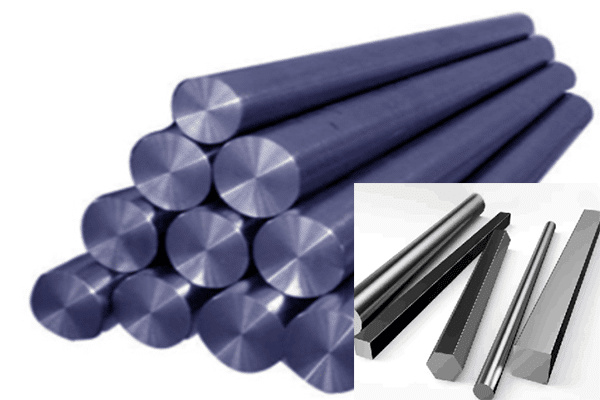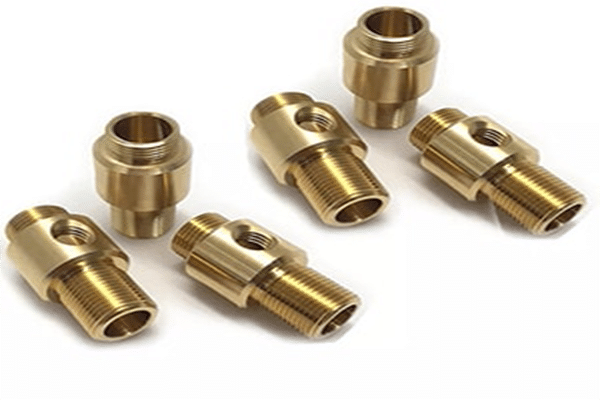
As an important surface finish technology, metal plating is extensively utilized in industry and everyday life. Aside from enhancing the appearance and durability of metal machined parts, it can also give unique functionality.
As such, this article will comprehensively introduce the basic principles of metal plating, as well as different types and applications. Furthermore, it delves into related pros and cons, providing readers with a comprehensive guide to metal plating knowledge.
What is Metal Plating Finish?
Metal plating is a surface treatment technique that utilizes chemical reactions to deposit a thin layer of metal onto the surface of another material. It aims to improve the surface roughness, aesthetics, durability, and electrical conductivity.
Additionally, common metal electroplating processes include chromium plating, nickel plating, copper plating, and zinc plating. This technique widely finds in the fields of automotive parts, household appliances, decorative products, and more.
What is the Metal Plating Process?
Based on the above explanation, we now have a clear understanding of metal electroplating. So what are the specific steps involved in this process? Next, let’s delve into the details of how metal plating is carried out.
- Surface Pretreatment:
- Degreasing: Surface pretreatment typically begins with the use of alkaline or acidic solutions to remove any oil and impurities from the surface.
- Acid Pickling: Then utilizing acidic solutions to remove surface oxidation and rust.
- Polishing: Utilizing mechanical or chemical polishing to make the surface smooth and flat.
- Activation: Applying acidic solutions to activate the surface and enhance the adhesion of the plated layer.
- Electroplating:
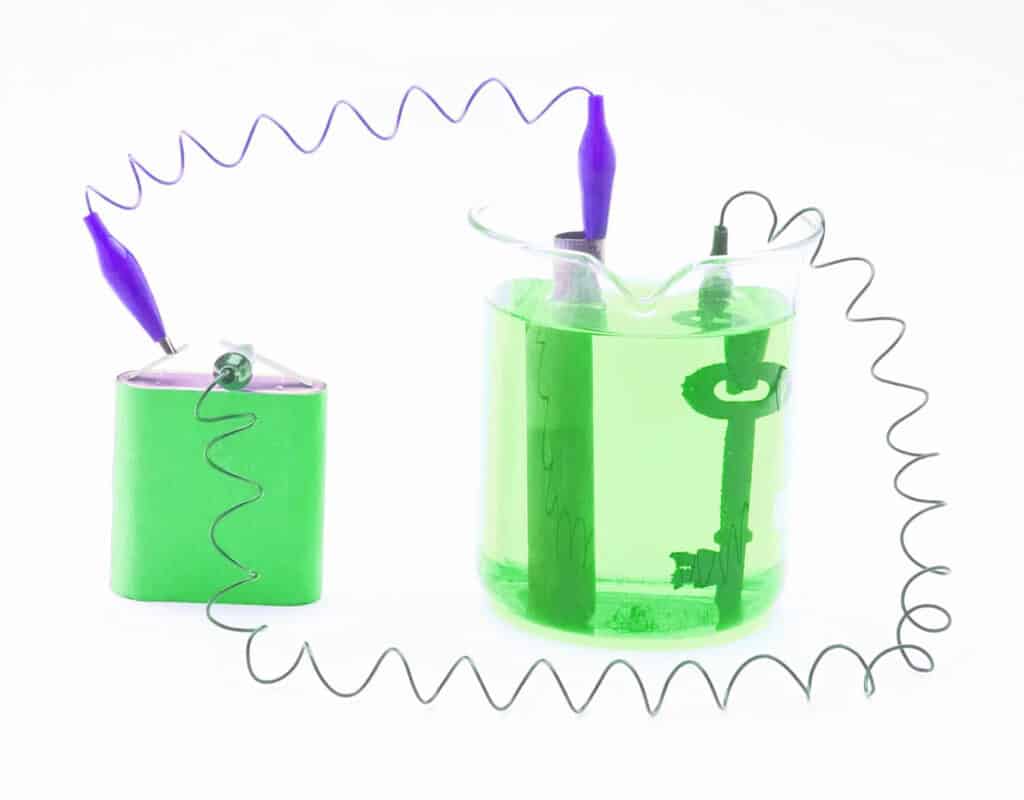
- Plating Tank: Immersing the workpiece in an electrolyte solution containing the required metal ions.
- Anode: Typically using the same metal as the plating material as the anode.
- Power Supply: Providing a constant current or voltage to drive the electrochemical reaction.
- Plating Time: Adjusting the plating time according to the required plating thickness.
- Post-treatment:
- Rinsing: Repeatedly rinsing with clean water to remove impurities from the electrolyte.
- Drying: Using hot air or vacuum drying to prevent surface oxidation.
- Inspection: Checking the thickness, luster, and adhesion of the plated layer.
- Supplementary Treatment: Performing additional polishing, coloring, or other treatments as needed.
The entire electroplating process requires strict control of various parameters to ensure the quality and performance of the plated layer.
Types of Metal Plating Finishes
1. Galvanizing (Zinc Plating)
Galvanization is the process of applying a layer of zinc to the surface of metal, alloy, or other materials. This process serves to provide corrosion protection and enhance the durability of the material. The galvanized layer can be achieved through different methods, including hot-dip galvanization, electroplating, and mechanical galvanization. Hot-dip galvanization is the most common method, which involves immersing the metal in molten zinc, forming a relatively thick layer of zinc with excellent corrosion resistance. It is suitable for the fields of construction, automotive, and agricultural machinery. Electroplating is perfect for situations requiring fine protection, resulting in a thinner but very uniform zinc layer, while mechanical galvanization is appropriate for complex-shaped parts.
2. Cupellation (Copper Plating)
Copper plating includes cyanide copper plating, sulfate copper plating, and pyrophosphate copper plating. These plating solutions have different chemical properties and application characteristics. For example, cyanide copper plating has relatively high toxicity, but it has good leveling ability and covering power. Sulfate copper plating is fit for plastic plating and finishing applications. However, pyrophosphate copper plating is favored for its non-toxicity, no need for ventilation, and high current efficiency.
3. Nickel Plating
There are two types of nickel plating: electroplated nickel and chemical nickel plating. Electroplated nickel is formed by reducing nickel ions to deposit a nickel layer on the cathode in an electrolyte containing nickel salts under the application of direct current. Chemical nickel plating, on the other hand, deposits a nickel layer on the material surface through self-catalytic reactions. The nickel plating layer has good corrosion resistance, wear resistance, and electrical conductivity.
4. Chroming (Chromium Plating)
Chrome plating aims to improve the hardness, wear resistance, and corrosion resistance. The chrome plating layer has excellent chemical stability and is not easily reactive with most organic acids, sulfides, and alkalis. Therefore, it is commonly employed as a protective and decorative plating layer.

5. Tinning (Tin Plating)
Tin plating can be applied to a variety of metal materials, such as iron, copper, aluminum, and steel. It can achieve a tin plating layer through electrochemical methods or hot-dip methods.
6. Silver Plating
Silver plating has good electrical conductivity, reflectivity, and decorative properties. Generally, manufacturers apply this method in the fields of electronics, jewelry, and tableware.
7. Gold Plating
The gold plating layer possesses excellent chemical resistance, with the ability to withstand all acids except aqua regia. Moreover, plating gold over a silver layer can prevent the discoloration of silver, and gold alloy plating layers can present a variety of color tones.
In addition to the metal plating methods mentioned above, there are also other processes, such as rhodium plating, palladium plating, and cadmium plating.
Different Techniques for Metal Plating
Below are several common types of plating metal techniques with their unique characteristics.
- Electroplating: This is the most common metal plating method, using electric current to deposit a metal layer on the substrate surface. It can plate various metal metal materials, including copper, nickel, and chromium.
- Chemical Plating: It relies on chemical reactions to deposit the metal layer on the substrate surface. It is suitable for plating nickel, silver, and other metals.
- Physical Vapor Deposition (PVD): The metal is evaporated or sputtered onto the substrate surface, thereby forming a metal thin film.
- Chemical Vapor Deposition (CVD): Utilizes gas-phase chemical reactions to deposit the metal layer on the substrate surface. It is well-suited for plating refractory metals like tungsten and molybdenum.
- Immersion plating: The substrate is immersed in a solution containing metal ions, and the metal is deposited on the surface through chemical reactions. This is commonly applied for zinc and chromium plating.
- Mechanical plating: Mechanical force is to attach metal powders onto the substrate surface. Generally, it is applicable for zinc, copper, and other metal platings.
Pros and Cons of Metal Plating Finishes
While metal plating processes are widely applied in various fields, they also have their pros and cons. Below are some benefits and limitations.
Benefits:
- Corrosion Resistance: Provide a protective layer that enhances the corrosion resistance of the underlying substrate.
- Improved Appearance: Enhance the aesthetic appeal of a product by providing a uniform, shiny, or decorative finish.
- Wear Resistance: Improve the hardness and wear resistance of the coated surface.
- Electrical and Thermal Conductivity: Offer the electrical and thermal conductivity of the substrate.
- Cost-Effectiveness: Plating can be a cost-effective way to add desirable properties to a product.
Limitations:
- Thickness Limitations: The thickness of the plated layer is typically limited
- Adhesion Issues: Poor adhesion can lead to peeling or flaking of the coating.
- Post-Processing Challenges: Additional finishing steps, such as polishing or buffing, may be necessary to achieve the desired surface appearance.
- Disposal and Waste Treatment: It must properly handle the spent plating solutions.
Applications of Metal Plating
Metal plating has a wide range of applications across various industries due to the diverse benefits it can provide. Here are some of the common applications of metal plating:
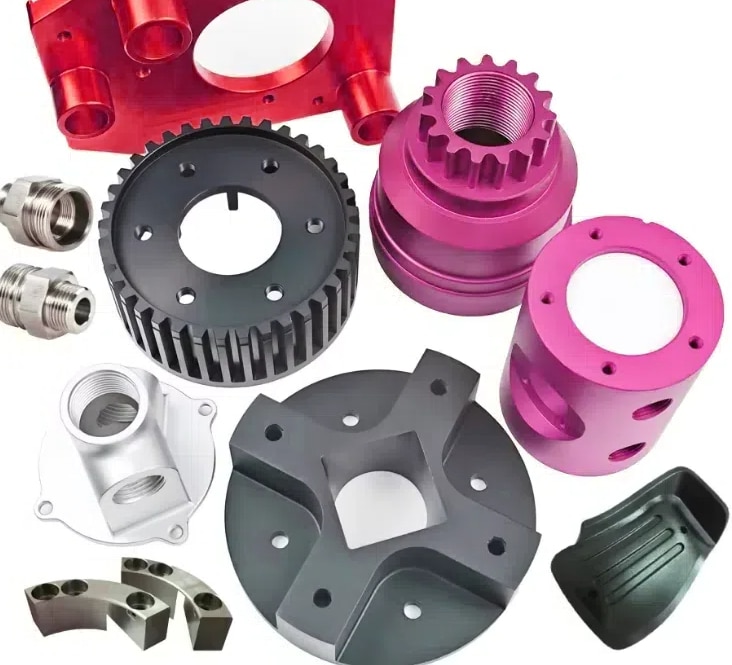
- Automotive Industry: Decorative plating on trim, wheels, and other exterior components
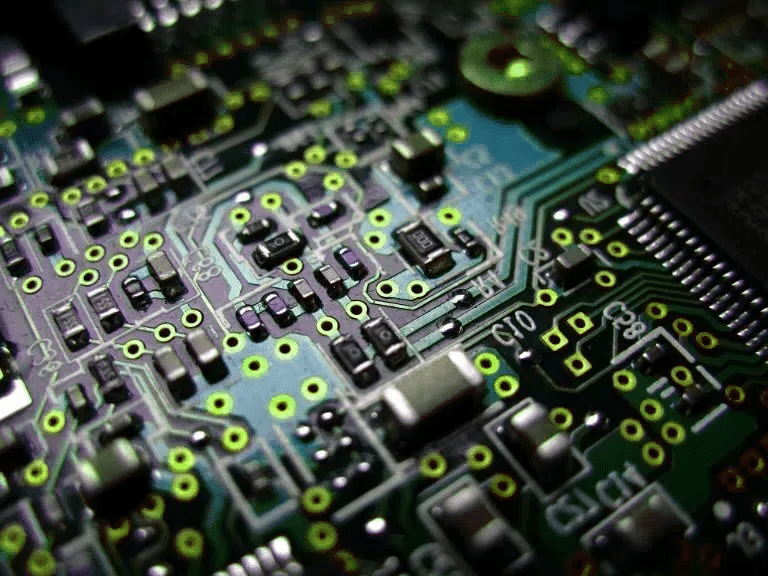
- Electronics and Electrical Equipment: Printed circuit boards, connectors, smartphones, laptops, and household appliances.
- Jewelry and Decorative Items: Jewelry, watches, and other luxury goods.
- Construction and Building Materials: Such as door handles, hinges, and fixtures.
- Medical Devices and Implants: Including medical instruments, implants and prosthetics.
Tips for Successful Metal Plating Finishes
- Surface Preparation: Thoroughly clean and degrease the substrate surface to improve the adhesion of the plated layer.
- Plating Bath Maintenance: Regularly monitor and maintain the composition, pH, and temperature of the plating solution to ensure consistent plating quality.
- Plating Process Control: Carefully control the current density, plating time, and agitation parameters to achieve the desired thickness and uniformity of the plated layer.
- Post-Plating Treatments: Consider post-treatments, such as heat treatment or passivation, to enhance the properties of the plated layer, such as corrosion resistance or hardness.
- Quality Assurance: Establish a comprehensive quality control system to regularly inspect and test the critical characteristics of the plated layer.
Difference between Metal Plating and Metal Coating
| / | Metal Plating | Metal Coating |
| Thickness | Thin layer, typically a few μm to a few hundred μm | Thick layer, typically a few hundred μm to a few mm |
| Deposition Process | Electrochemical or chemical deposition | Physical or thermal processing |
| Surface Uniformity | Higher, with better controllability | Lower, with less controllability |
| Primary Purpose | Improve the surface properties of the substrate, such as corrosion resistance, wear resistance, and electrical conductivity | Improve surface characteristics, such as wear resistance, thermal insulation, and decorative appearance |
| Representative Processes | Electroplating, Electroless plating | Thermal spraying, Galvanization, Thermal barrier coatings |
Plating Metal Services for Custom Products at Ancastings Precision
Ancastings Precision is a company that specializes in CNC machining and metal surface treatment, providing comprehensive metal plating services for customers. We recommend the most suitable plating process based on the product’s characteristics. In addition, we also provide subsequent surface treatment to ensure the product’s performance, appearance, and service life m
Other articles you may be interested in:

CNC Machining in the Wind Energy Industry
As a renewable energy source, wind energy plays an crucial role in the green energy industry. Further, CNC machining provides a foundation for the production of high-quality wind power equipment, such as turbine blades, gearboxes, and other key parts. Therefore, this article will explore the applications … Read more
Comprehensive Guide to Types of Washers