
Selecting the right metal is crucial for the success of metalworking projects, as each material has unique characteristics suited to specific needs. In this article, we will delve into the contrasts between cast iron vs. steel. Specifically, we will explore their definitions, types, and the pros and cons of each. Ultimately, understanding these key distinctions will empower you to make informed decisions for your projects.
What is Cast Iron?
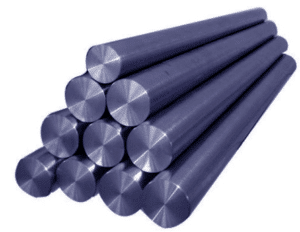
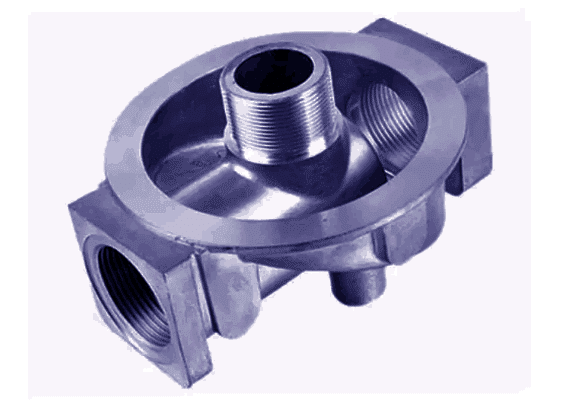
Cast iron is a category of iron-carbon alloys that contain more than 2% carbon. Thanks to its excellent castability, manufacturers often use cast iron for cookware, pipes, and engine blocks. Its high carbon content gives it a distinctly brittle nature, facilitating easy shaping during the casting process while also providing good wear resistance. Typically, cast iron contains 1-3% silicon, which enhances its casting performance, along with manganese (0.5 to 1.0%), sulfur (up to 0.1%), and phosphorus (up to 1.0%). Additionally, cast iron comes in several types, each tailored for specific applications, making it a versatile choice across various industries.
Types of Cast Iron
Generally, there are four main types of cast iron, and this section will introduce each of these types.
1. Grey Cast Iron
Grey cast iron is the most common and least expensive type. It consists of carbon content ranging from 2.5 to 4%, silicon content between 1 and 3%, and manganese content of 0.4 to 1%. Known for its good compressive strength, corrosion resistance, and excellent machinability, grey cast iron finds typical use in applications such as machine tool bodies, engine blocks, and household appliances. Overall, its properties make it a popular choice across various industries.
2. White Cast Iron
White cast iron, named for its distinctive white fracture surface, contains carbon ranging from 1.8 to 3%. In addition, it includes manganese in the range of 0.25 to 0.8%, sulfur between 0.10 and 0.30%, silicon from 0.5 to 1.9%, and phosphorus up to 0.2%. This type of cast iron offers high abrasion resistance and tensile strength, although it has low compressive strength. As a result, it is often used in applications such as wear plates and pump linings.
3. Malleable Cast Iron
Malleable cast iron is a type of cast iron that has undergone heat treatment to enhance its ductility and malleability. It typically contains carbon in the range of 2.0 to 3.0%, manganese between 0.2 and 0.6%, sulfur at 0.10%, silicon from 0.6 to 1.3%, and phosphorus up to 0.15%. Furthermore, it exhibits excellent ductility and is widespread in automotive components like levers and gears.
4. Spheroidal Graphite (Nodular) Cast Iron
It contains 3.2 to 4% carbon and offers excellent ductility and strength compared to other types. Its corrosion resistance and machinability make it suitable for valves, crankshafts, and other machinery components.
Pros and Cons of Cast Iron
Cast Iron Pros
- Achieve excellent heat retention and distribution, making it great for cooking.
- Enjoy long-lasting durability; cast iron won’t crack or dent like other materials.
- Utilize its natural non-stick capabilities for easy cleaning and maintenance.
- Take advantage of excellent machinability to cut and finish the material efficiently.
- Prevent deformation with its durable nature, making it ideal for various applications.
- Benefit from high vibration damping, especially for machine bases and supports.
- Embrace its versatility; use it in a variety of applications from cookware to construction.
Cast Iron Cons
- Beware of rusting; regular exposure to moisture can accelerate damage.
- Handle with care, as cast iron is heavy and can make work challenging.
- Avoid using acidic foods for prolonged periods, as they can react with the surface.
- Be prepared for a longer heat-up time compared to other materials, which can affect cooking efficiency.
What is Steel?
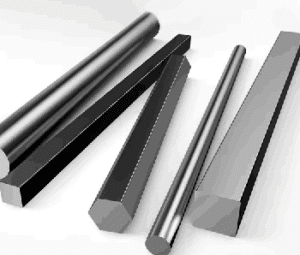
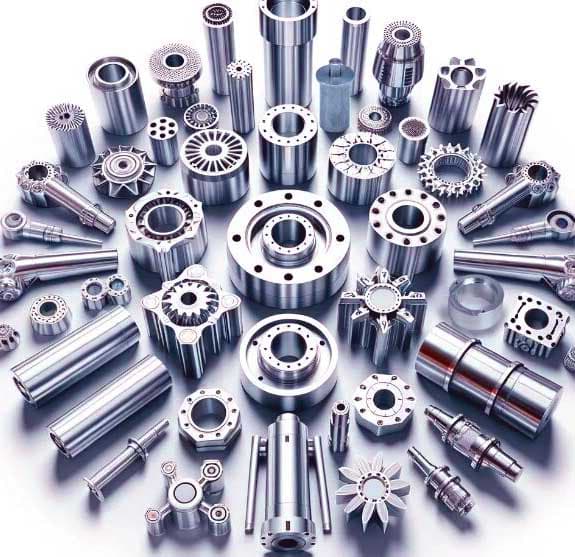
Steel is primarily an alloy of iron with a small percentage of carbon, usually less than 2%. In addition to chromium and nickel, it often contains elements like silicon, manganese, phosphorus, sulfur, and oxygen. These enhancements improve its overall qualities. Steel’s ability to withstand heavy loads makes it a popular choice. Moreover, its high tensile strength ensures its essential role in structural and mechanical components.
Types of Steel
Below are several main types of steel, each tailored for specific applications and properties:
1. Carbon Steel:
Carbon steel stands out due to its minimal presence of other elements, creating a strong and durable material that comprises about 90% of steel production. generally, it falls into three categories. The first type, low carbon, contains up to 0.30% carbon and commonly serves in wires and bolts. The second type, medium carbon, has a carbon content ranging from 0.31% to 0.60% and often appears in gears and railroad tracks. Lastly, high carbon steel contains over 0.61% carbon, making it ideal for tough building materials and cutting tools.
2. Alloy Steel
Alloy steel combines iron with various elements to enhance its properties, creating versatile materials for numerous applications. Key elements include:
- Aluminum: Lightweight and heat-resistant, often used in hot exhaust systems and power generators.
- Copper: Corrosion-resistant, ideal for electrical wiring and industrial heat exchangers.
- Manganese: Tough and impact-resistant, found in bulletproof cabinets and high-strength safes.
- Molybdenum: Corrosion-resistant and weldable, suitable for high-pressure environments like oil pipelines.
- Silicon: Malleable and magnetic, applied in electrical transformers.
- Vanadium: Shock-absorbent, often employed in automotive parts.
3. Stainless Steel
Stainless steel is well-known for its use in medical equipment, but it serves many more purposes beyond kitchen appliances. Chromium, which makes up 10.5% to 30% of the alloy, provides stainless steel with its distinctive luster and oxidation resistance, enhancing durability by preventing rust. Higher chromium content results in increased gloss and better corrosion resistance. While high-chromium stainless steel may resemble chrome, it differs by containing nickel and other metals, giving it a shiny yet less reflective finish.
4. Tool Steel:
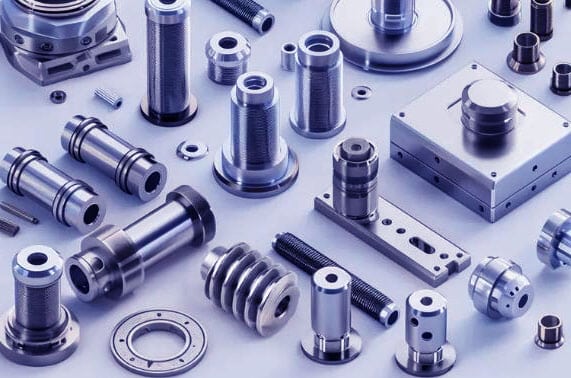
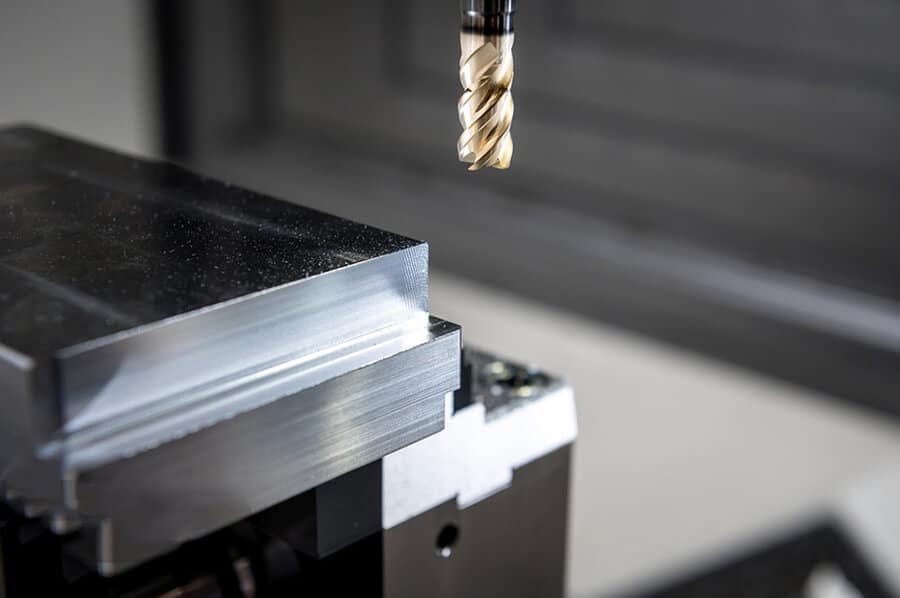
Tool steels are high-carbon steels designed for tools like drills and saw blades. They incorporate alloying elements such as tungsten and chromium to enhance strength and wear resistance. The tempering process creates a material that withstands high-impact environments. With high carbon content, tool steels maintain sharp cutting edges effectively. Common types include air-hardening, water-hardening, and hot-working, each fit for specific applications across various industries.
5. Spring Steel:
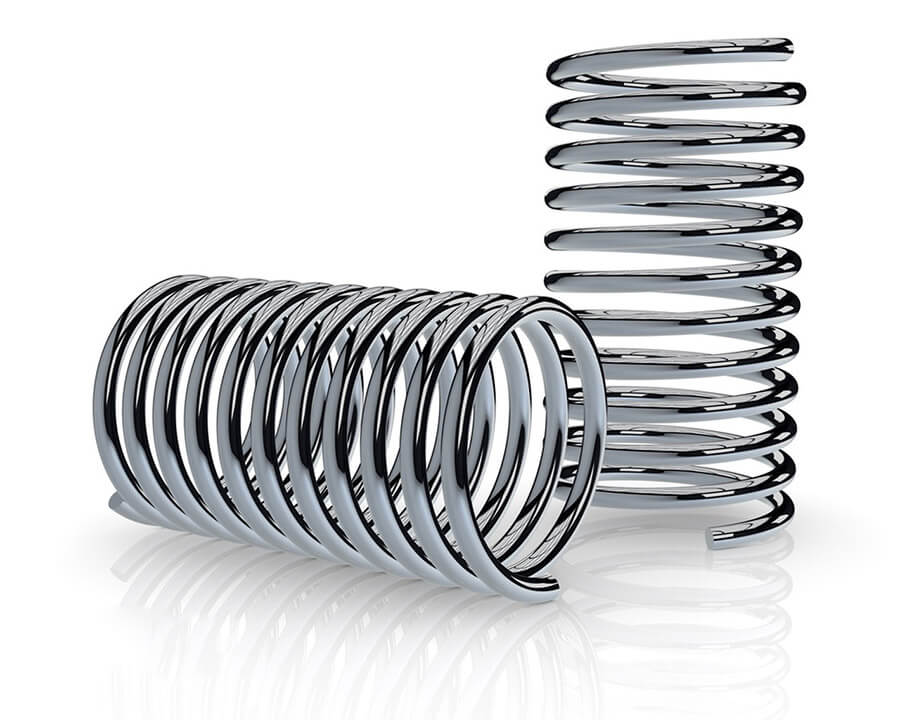
Spring steel is a carbon steel designed for high elasticity and durability, ideal for springs and applications requiring significant tensile strength. Typically containing 0.5% to 1.0% carbon, it offers hardness and resistance to deformation. This steel features excellent fatigue resistance and returns to its original shape after stretching. Common uses include automotive suspension systems and machinery components.
Pros and Cons of Steel
Steel Pros
- Ensure long-lasting durability, as steel resists corrosion and fire.
- Leverage high tensile strength for structural applications under pressure.
- Choose cost-effective steel for its longevity and lower manufacturing costs.
- Embrace versatility; steel fits various applications and comes in many forms.
Steel Cons
- Consider weight; transporting and installing steel can be challenging.
- Address heat conductivity, which may lead to thermal bridging in buildings.
- Maintain steel regularly to prevent rust and corrosion.
Key Differences between Cast Iron Vs. Steel
| Feature | Carbon Steel | Cast Iron |
| Strength | Higher tensile strength | More compressive strength |
| Corrosion Resistance | Higher | Moderate to low |
| Cost | More expensive | Cheaper |
| Applications | Infrastructure, vehicles | Pipe fittings, machine parts |
| Castability | Less easy to cast | Easy to cast |
| Impact Resistance | High | Low |
| Carbon Content | Less than 2% | 2% to 4% |
| Melting Point | 2500 – 2800°F | 2200°F |
1. Strength
Carbon steel exhibits higher tensile strength, making it ideal for structural applications where resistance to pulling forces is crucial. Cast iron, on the other hand, demonstrates more compressive strength, making it better suited for applications where weight-bearing is essential.
2. Corrosion Resistance
Carbon steel generally offers higher corrosion resistance compared to cast iron, especially when alloyed with other elements like chromium. Cast iron has moderate to low corrosion resistance, making protective coatings necessary for outdoor applications.
3. Cost
Cast iron tends to be cheaper due to lower material, labor, and energy costs in production. However, carbon steel is often more expensive, although it offers a wider range of cheaper alternatives, such as prefabricated forms.
4. Applications
Carbon steel finds extensive use in infrastructure, vehicles, electrical appliances, and tools due to its strength and versatility. Cast iron is commonly used for pipe fittings, washers, farm equipment, and machine parts, leveraging its durability and ease of casting.
5. Castability
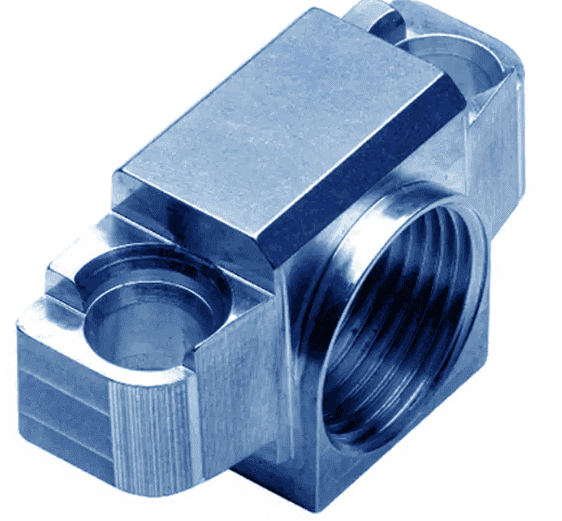
Cast iron’s low shrinkage and good flowability make it easier to cast complex shapes. Conversely, carbon steel is less easy to cast due to its low flowability and greater shrinkage, which can complicate the manufacturing process.
6. Impact Resistance
Carbon steel provides high-impact resistance, making it suitable for heavy-duty applications that experience significant shocks. In contrast, cast iron has low impact resistance, limiting its use in environments where sudden force is a factor.
7. Carbon Content
Carbon steel contains less than 2% carbon, while cast iron has a higher carbon content ranging from 2% to 4%. This difference in composition significantly influences their mechanical properties and applications.
8. Melting Point
The melting point of carbon steel typically ranges from 2500 to 2800 degrees Fahrenheit, making it suitable for high-temperature applications. In contrast, cast iron melts at around 2200 degrees Fahrenheit, which can limit its use in certain scenarios.
Casting Metal Services at Ancastings
Ancastings Precision offers a wide range of casting metal services to meet diverse industrial needs, including sand casting for complex shapes, investment casting for precision, and die casting for large production runs. Additionally, we also provide CNC machining for finishing and various materials like aluminum, bronze, and iron. Our rapid prototyping capabilities ensure quick turnarounds for faster product validation. With a focus on quality and efficiency, Ancastings guarantees adherence to industry standards and client specifications. Feel free to contact us and ask for an instant quote.
FAQs
Cast iron has a higher carbon content, making it more brittle but excellent for heat retention, while steel is stronger, more ductile, and versatile.
The main types include gray cast iron, ductile cast iron, white cast iron, malleable cast iron, and compacted graphite iron, each with unique properties.
Steel is commonly utilized in construction, automotive parts, tools, and machinery due to its strength and versatility.
Consider the application, strength requirements, weight, thermal properties, corrosion resistance, budget, and maintenance needs.