
A machinist vise is an essential workholding tool, designed to hold workpieces securely during machining operations. Its sturdy construction and precise alignment make it a critical component for tasks ranging from drilling and milling to grinding. Understanding the distinctions between a machinist vise and other types is crucial for selecting the right tool for the job. As such, this article will delve into its functionality, types, application, maintenance, and selection criteria. Additionally, we’ll touch upon the vise holding solutions offered by Ancastings, providing further insights into optimizing your machining operations.
What is a Machinist Vise?
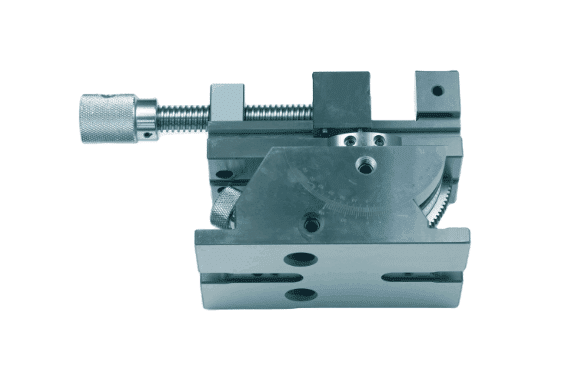
A machinist vise, also known as an engineer’s vise or fitter’s vise, is a clamping device used primarily in machining operations. Typically, the vise consists of two parallel jaws—one fixed and one movable, with a width ranging from 7 to 20 cm—that securely hold the material in place. This firm clamping allows the engineer to perform precise cutting, drilling, or shaping operations without the risk of the material shifting or moving.
Furthermore, metalworking bench vises come in high-strength materials, including cast iron or steel, and more. They often feature a swivel base for easy angle adjustments and precision alignment, ensuring accurate machining operations.
What is the Use of a Machinist Vice?
In summary, a machine vice is an indispensable tool in machining, ensuring stability, precision, and safety. Its primary functions include:
- Holding workpieces: It provides a firm grip on the material, preventing movement or vibration during drilling, grinding, or cutting operations.
- Enhancing precision: By keeping the workpiece steady, a machine vice helps achieve accurate cuts and alignments, which is critical for precision machining.
- Improving safety: It reduces the risk of slippage, ensuring the workpiece stays in place, which minimizes potential accidents or damage to tools and materials.
- Versatility: It can adjust engineer vices for different angles or orientations, allowing machinists to work on the workpiece from various positions.
- Efficiency: By reliably clamping the machined parts, a machinist can work more efficiently, focusing on the operation rather than adjusting or stabilizing the material constantly.
Machinist Vise Vs. CNC Machine Vise
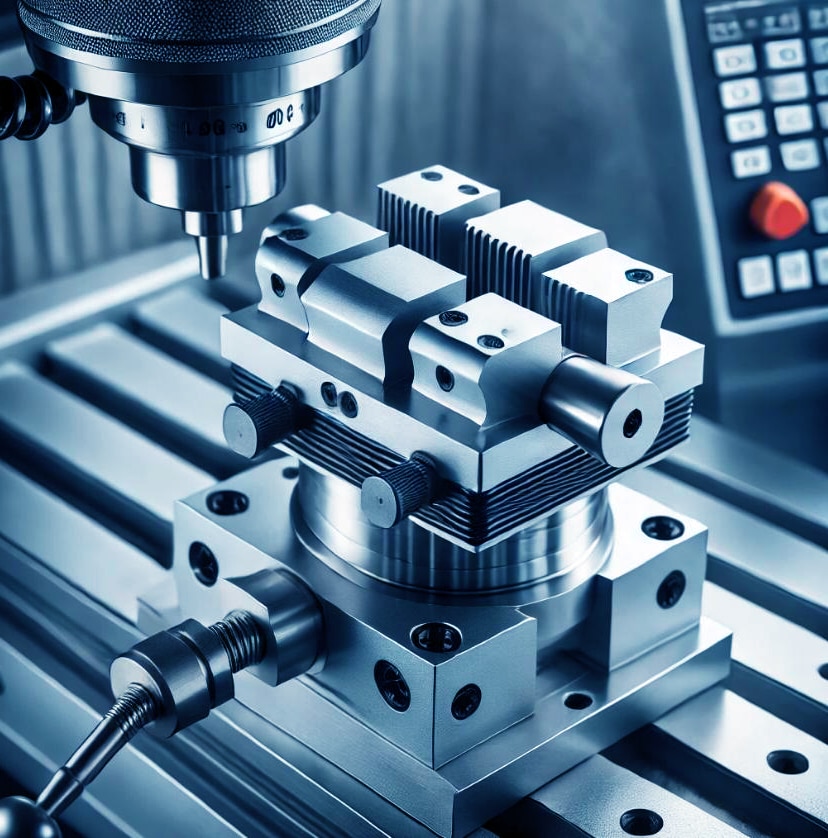
CNC machine vises are designed for automated precision clamping in CNC machining. While both these two vises serve the purpose of holding workpieces stably during machining, they differ in design, functionality, and application, particularly in manual vs. automated machining environments.
Purpose and Application
- Machinist Vise: Machinist vises typically serve in manual machining operations like drilling, milling, or grinding. They offer versatility for various materials, allowing manual adjustments and setups in traditional workshops.
- CNC Machine Vise: In contrast, CNC vises cater specifically to CNC machines, providing high precision and repeatability for automated processes. They enable rapid setups, making them ideal for mass production.
Construction and Design
- Machinist Vise: Machinist vises are constructed from durable materials like cast iron or steel and often feature a simple design with manual adjustment. Equipped with a fixed jaw and a movable jaw, these vises use a screw mechanism for tightening. Some models include swivel bases, but they primarily emphasize versatility and manual control.
- CNC Machine Vise: On the other hand, CNC vises prioritize precision and often provide higher tolerance levels and rigidity. Their advanced clamping systems often utilize hydraulic or pneumatic pressure for consistent force during automated operations.
Precision and Adjustability
- Machinist Vise: Although machinist vises deliver accuracy, they rely on manual clamping and adjustments. This limitation makes them suitable for less complex or small-scale operations where extreme precision is not always necessary.
- CNC Machine Vise: In contrast, CNC vises offer high precision and repeatability, essential for automated processes. CNC vises provide high precision and repeatability, allowing quick positioning with minimal manual intervention, perfect for demanding CNC environments.
Speed and Efficiency
- Machinist Vise: Adjusting machinist vises by hand can slow setup and alignment, making them less suitable for high-volume production.
- CNC Machine Vise: Conversely, these vises enhance speed and efficiency with automated clamping, reducing setup time and increasing productivity in large-scale manufacturing.
Cost
- Machinist Vise: Generally, machinist vises are more affordable, making them a cost-effective choice for manual or small-batch operations.
- CNC Machine Vise: In contrast, CNC vises typically cost more due to their precision construction and advanced features.
| Category | Machinist Vise | CNC Machine Vise |
| Purpose | Manual machining (drilling, milling, etc.) | Automated high-precision machining |
| Construction | Durable materials, manual adjustment | Precision design, hydraulic or pneumatic clamping system |
| Precision | Suitable for small-scale operations | Provides high precision and repeatability |
| Efficiency | Slower setup | Automatic clamping enhances productivity |
| Cost | Lower price | Higher price |
Different Types of Engineer Vises
Machinist vises exist in various types, each engineered to fulfill specific applications and needs in machining processes.
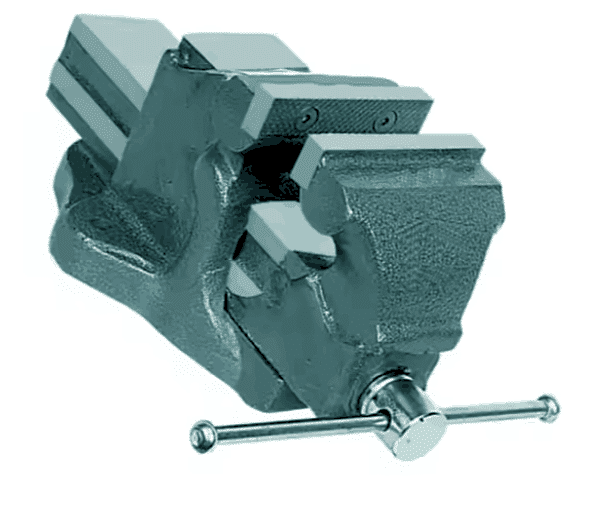
1. Standard Machinist Vise
The most common vise with a fixed and movable jaw, ideal for general machining tasks like drilling and milling.
2. Swivel Base Vise
Features a base that can swivel, allowing for angular adjustments, making it versatile for angled work.
3. Cross-Slide Vise
Allows movement in both horizontal and vertical directions, perfect for intricate machining that requires precise positioning.
4. Pipe Vise
Designed specifically to hold cylindrical objects securely, commonly employed in plumbing for cutting or threading pipes.
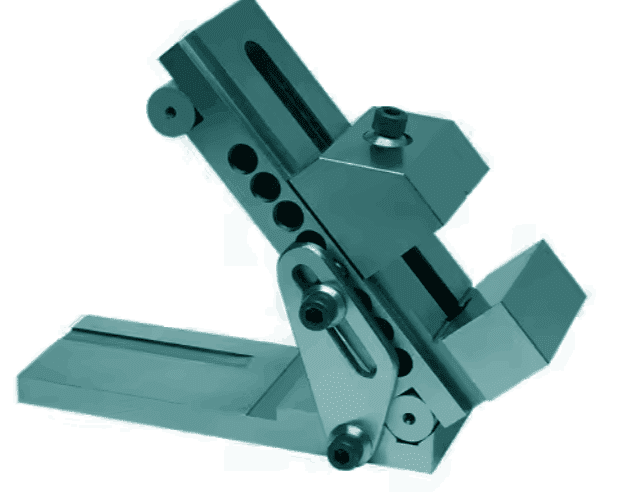
5. Angle Vise
Holds workpieces at specific angles, useful for operations requiring precise angled cuts, such as dovetails.
6. T-slot Vise
Fits into T-slots on machine tables, providing stability and is ideal for holding larger workpieces during milling.
How to Use a Machinist Vise?
Using a machinist vise effectively involves several important steps. First, it is crucial to select the right vise according to the size and shape of the workpiece you intend to clamp. After you have chosen an appropriate vise, ensure that it is clean and free of debris to provide a secure grip.
Next, securely mount the machinist vise to the workbench or machine table using suitable bolts or clamps, making sure it is level and stable. Following that, position the workpiece between the vise jaws, aligning it correctly for the upcoming machining operation. At this point, open the movable jaw by turning the handle or screw mechanism, and adjust it to accommodate the workpiece.
Subsequently, slowly tighten the movable jaw until the workpiece is held stably. However, be cautious not to over-tighten, as this can damage the material. After clamping, check the alignment of the workpiece to ensure it is not tilted or misaligned before proceeding with the machining task.
When everything is properly set up, carry out the desired machining operation, keeping an eye on the workpiece to confirm it remains secure throughout the process. Upon completion of the task, loosen the movable jaw by turning the handle counterclockwise to release the workpiece.
Finally, carefully remove the workpiece from the vise and inspect it for any imperfections or necessary adjustments. After use, remember to clean the vise and remove any debris to ensure it is ready for the next operation. By following these steps, you can ensure the safe and effective use of a machinist vise, ultimately enhancing the quality and precision of your machining tasks.
How to Choose the Right Machinist Vises?
Choosing the right engineer vise involves considering several key factors. Here are the steps to help you select the appropriate vise:
- Workpiece Size: Ensure the vise can accommodate the dimensions of your workpiece.
- Jaw Design: Choose between smooth or serrated jaws in accordance with the material being clamped.
- Construction Material: Look for durable materials like hardened steel or cast iron.
- Jaw Width and Depth: Wider jaws provide better stability and support.
- Clamping Mechanism: Ensure smooth operation and adequate holding force.
- Compatibility: Check that the vise fits with your machinery and mounting options.
How to maintain Machinist Vises
Proper maintenance and care of a machinist vise are essential for ensuring its longevity and optimal performance. To begin with, regularly clean the vise after each use to remove chips and dust, and wipe it down with a clean cloth to prevent rust. Additionally, apply light machine oil to the screw and moving parts for smooth operation, but be cautious to avoid over-lubrication. Moreover, regularly inspect the jaws and mechanism for wear or damage, and ensure that the vise is securely mounted with properly aligned jaws.
In addition to these practices, it is important to prevent rust by storing the vise in a dry location and using a rust inhibitor. Furthermore, avoid over-tightening when clamping workpieces, as this can lead to damage. For those who use their vises heavily, considering periodic professional servicing can help maintain functionality. By following these guidelines, you can enhance the performance and lifespan of your machinist vise, ensuring it remains a reliable tool in your machining operations.
Vise Holding Solutions for Your Machined Parts at Ancastings
At Ancastings Precision, we specialize in providing enhanced custom part services for vise holding solutions. Our team collaborates closely with you to design and manufacture custom vises, modular clamping systems, and specialized jaw designs that ensure maximum stability and precision for your unique applications. Explore our custom part services to discover the ideal vise solutions to meet the specific requirements of your machining projects.
Conclusion
In general, a machinist vise is an indispensable tool in the machining process, providing stability, precision, and versatility. Selecting the right vise and maintaining it properly are crucial for optimizing performance and ensuring longevity. By considering factors such as workpiece size and jaw design, you can make informed choices that enhance your machining capabilities.