
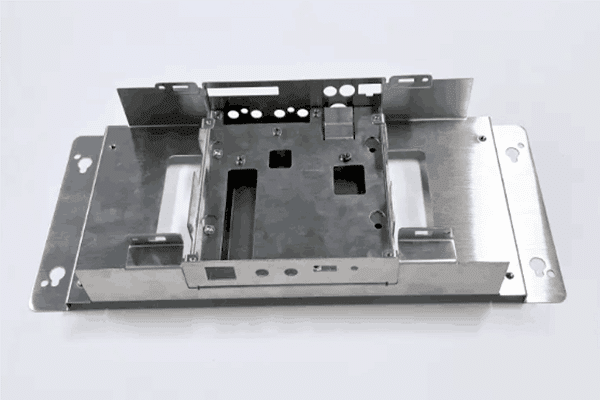
Sheet metal stamping plays a vital role in metal manufacturing, offering efficient ways to shape and form metal components. This article will delve into the definition of sheet metal stamping, how it works, and the equipment involved. Furthermore, it’ll explore the materials used, the pros and cons of the process, and its diverse applications across industries.
What Is Metal Stamping?
Sheet metal stamping involves using dies and stamping presses to shape flat metal sheets into specific designs. In this process, pressure is applied to cut, bend, or form the sheet into the desired shape. As a result, it efficiently produces components for industries like automotive, aerospace, electronics, and appliances. These industries depend on stamping for its high precision, consistency, and production speed. Additionally, different techniques—such as punching, blanking, embossing, coining, and flanging—allow the process to handle various part complexities. Overall, each method offers distinct advantages, making metal stamping ideal for a wide range of production needs.
Stamping Process in Sheet Metal
The stamping process in sheet metal involves several key steps to transform flat sheets into shaped components. It begins with designing the part and creating custom tooling, including dies tailored for precision and repeatability. The prepared metal sheets, often made from materials like steel or aluminum sheets, are fed into a stamping press, either manually or automatically. The press then applies high pressure, executing various operations such as cutting, bending, and forming to shape the metal. After stamping, parts undergo quality control inspections and necessary finishing processes, such as deburring or coating. Finally, the finished components are packaged and shipped, making stamping an efficient method for producing high-quality metal parts in large volumes across various industries.
Below is a summary of additional forming techniques that enhance the stamping process:
- Stretching: Used to elongate the metal sheet, allowing for the creation of complex shapes without adding material.
- Coining: Involves compressing the metal with a die to achieve detailed features and precise dimensions.
- Embossing: Raises specific areas of the sheet to add texture or patterns while maintaining the overall flatness.
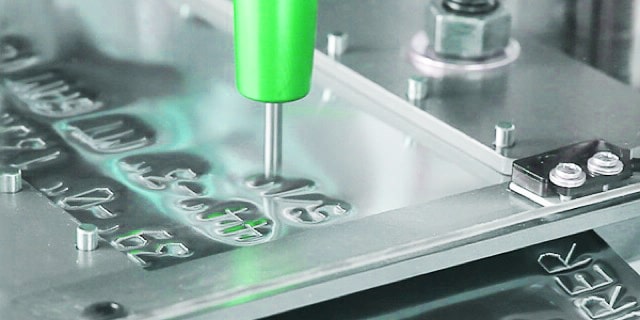
- Flanging: Bends the edges of the metal sheet to create flanges, enhancing strength and enabling better assembly.
- Bending: Deforms the sheet along a line to achieve a specific angle, which is crucial for forming angular features.
Sheet Metal Stamping Dies
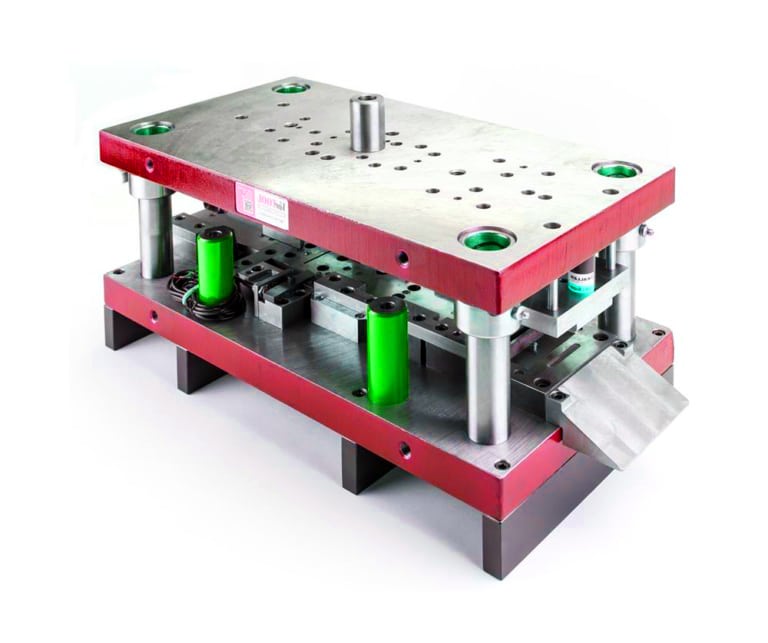
Sheet metal stamping dies are essential tools employed in the stamping process to shape and cut metal sheets into desired forms. They consist of two main parts: the punch and the die. The punch is the component that applies force to the metal sheet, while the die serves as the mold that defines the shape of the final product. Here’s a closer look at different types of sheet metal stamping dies:
- Progressive Dies: These dies perform multiple operations in a single pass, allowing for the efficient production of complex parts. Each station in the die carries out a specific operation, such as cutting, bending, or forming.
- Compound Dies: These dies perform two or more operations simultaneously, usually cutting and forming, in a single stroke.
- Single Operation Dies: These are utilized for basic operations, such as punching or blanking, where only one action occurs at a time.
Sheet Metal Stamping Machines
Sheet metal stamping machines are specialized equipment designed to perform the metal stamping process. These machines come in various types and sizes, each suitable for specific applications and production volumes. Key types of sheet metal stamping machines include:
- Mechanical Stamping Presses: These use a mechanical flywheel to store energy, releasing it quickly to create high-speed stamping. They are ideal for high-volume production and can deliver precise, repeatable results.
- Hydraulic Stamping Presses: Utilizing hydraulic systems, these machines provide a smooth and consistent force, allowing for the processing of thicker materials and more complex shapes. They are versatile and often used for both small and large production runs.
- Servo-Driven Stamping Presses: These machines use servo motors to control the stamping process, offering enhanced precision and flexibility. They can adjust the speed and force of each stroke, making them fit for a wide range of applications.
- CNC Stamping Machines: CNC stamping machines allow for automated and programmable stamping operations. They are ideal for intricate designs and complex parts, providing high precision and efficiency.
- Progressive Die Stamping Machines: These machines use a series of dies that perform multiple operations in a single pass. As the sheet metal moves through the machine, it is gradually shaped into the final product, making this process efficient for high-volume production.
Stamping Sheet Metal Materials
The choice of material depends on the specific application, desired properties, and production requirements. Common materials used in sheet metal stamping include:
| Material | Properties | Applications |
| Steel | Excellent ductility, durable | Automotive, appliance parts |
| Stainless Steel | High corrosion resistance | Kitchenware, medical devices |
| Aluminum | Lightweight, corrosion-resistant | Aerospace, automotive, consumer goods |
| Copper | Excellent conductivity | Electrical components, wiring |
| Brass | Good corrosion resistance | Decorative applications, plumbing fittings |
| Titanium | Lightweight and high strength | Aerospace, medical implants |
| Nickel Alloys | Corrosion and high-temperature resistance | Specialized industrial applications |
| Plastics and Composites | Modern materials, lightweight | Specialized applications, such as corrosion-resistant parts |
Pros and Cons of Stamping Sheet Metal
While metal stamping offers many advantages, it also comes with certain limitations. Here are the main pros and cons of stamping sheet metal.
Benefits:
- High Precision: Consistent dimensions and tight tolerances.
- Efficiency: Quick and cost-effective for high-volume production.
- Material Utilization: Minimizes waste, reducing costs.
- Versatility: Suitable for various techniques and applications.
- Durability: Strong and reliable parts for demanding uses.
Limitations:
- Initial Setup Costs: High costs for die design and fabrication.
- Limited Flexibility: Difficult and costly to modify designs.
- Material Limitations: Best for specific metals; not suitable for all materials.
- Surface Finish: May require additional finishing processes.
Applications for Metal Stamping Parts
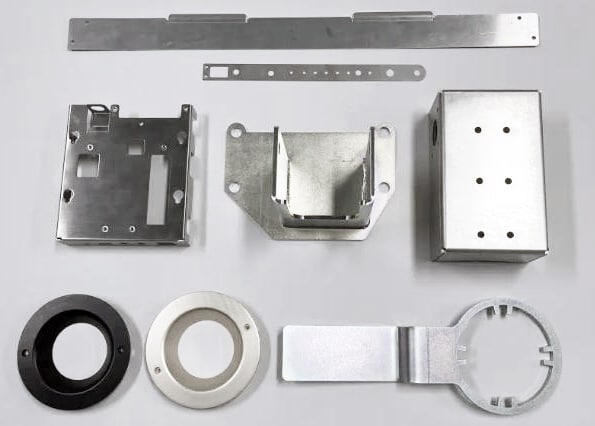
Metal stamping parts are extensively used across various industries due to their precision and durability. In the automotive industry, they are essential for producing components like brackets and panels, while in aerospace, they create lightweight yet strong parts for fuselage sections and structural assemblies. The electronics sector relies on stamped parts for enclosures and connectors in devices like smartphones and appliances. In construction, they serve as fasteners and brackets, and in medical devices, they ensure the reliability of surgical instruments and diagnostic equipment. Additionally, metal stamping is crucial in manufacturing components for home appliances and industrial equipment, as well as consumer products like furniture hardware, and toys. This versatility highlights the critical role of metal stamping in modern manufacturing.
Sheet Metal Stamping Vs. Punching
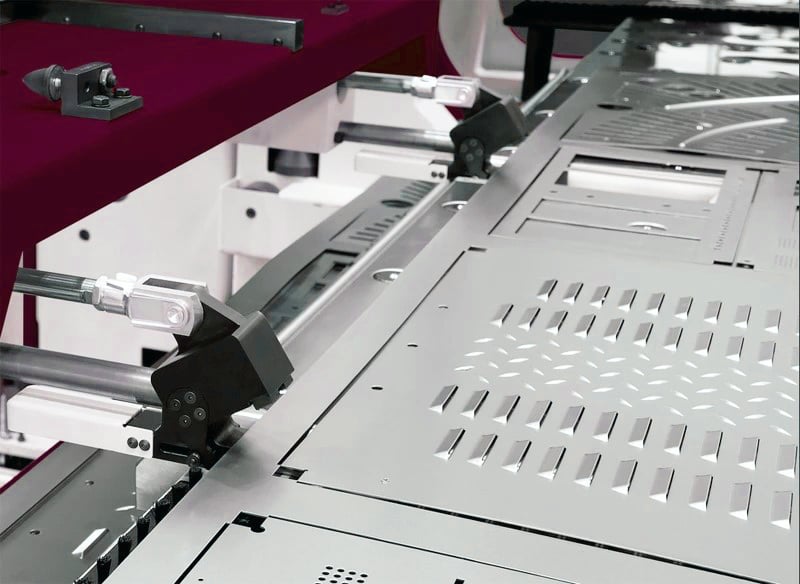
Sheet metal stamping and punching are both essential processes in metalworking, but they differ in techniques and applications. Here’s a comparison:
| Feature | Sheet Metal Stamping | Sheet Metal Punching |
| Definition | Comprehensive shaping process | Specific cutting operation |
| Applications | Complex parts in various industries | Simple holes and cutouts |
| Process | Multiple stages; can create intricate designs | Primarily focuses on cutting |
| Advantages | High precision, versatile for mass production | Quick, cost-effective for simple shapes |
| Material Usage | Minimizes waste, utilizes an entire sheet | May generate waste |
Sheet Metal Stamping Service at Ancastings
At Ancastings Precision, our sheet metal stamping services are designed to meet the diverse needs of various industries, offering precision and efficiency in every project. We utilize advanced stamping technology and state-of-the-art machinery to produce high-quality components that adhere to strict tolerances and specifications. Our team of skilled engineers and technicians collaborates closely with clients to ensure that every aspect of the design and manufacturing process is tailored to their requirements.