
In the field of plastic engineering, selecting the right material is responsible for ensuring product performance. Delrin and Nylon are two commonly used engineering plastics, each with unique physical properties and applications.
As such, this article will delve into the key differences between these two materials, covering aspects including friction coefficient and wear resistance. Additionally, we will explore their performance in 3D printing, rapid prototyping, and practical applications. Hope it can help you make an informed decision when choosing the appropriate material.
What is Delrin?
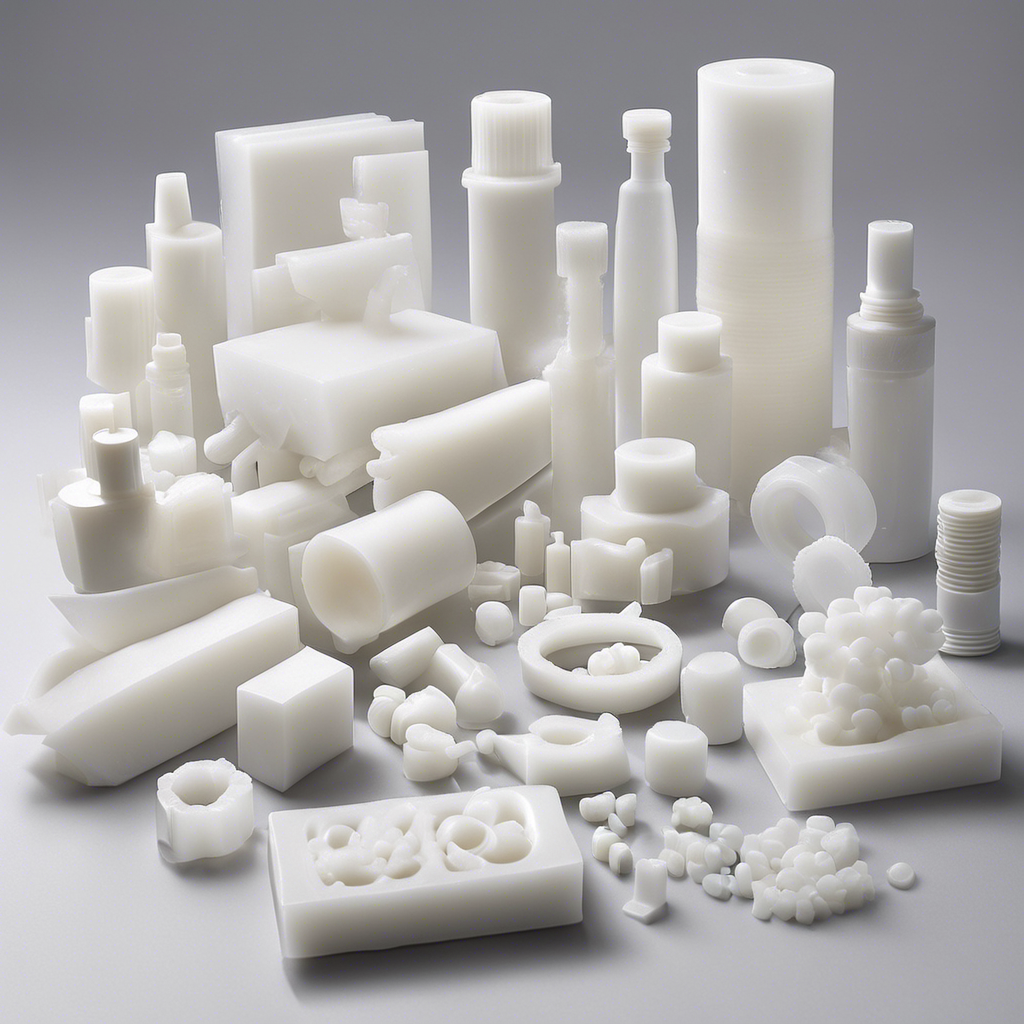
Delrin is a brand name for a type of acetal resin, also known as polyoxymethylene or POM. It is a highly crystalline thermoplastic that is opaque white, valued for its strength, stiffness, and excellent dimensional stability. Generally, Delrin plastic comes in two forms: homopolymer and copolymer. The process for making the homopolymer starts with reacting aqueous formaldehyde with alcohol to form a substance called semiformal. This semiformal is then dehydrated, which releases formaldehyde. Finally, manufacturers use anionic catalysis to convert the semiformal into the final Delrin plastic product. In addition, Delrin is also resistant to solvents, chemicals, and moisture, making it suitable for use in mechanical parts like gears, bearings, and fasteners.
What is Nylon?
Nylon is a type of synthetic polymer with durability, elasticity, and resistance to wear and tear. It was first introduced in the 1930s as a revolutionary material for its versatility in applications ranging from textiles to engineering. Manufacturers create nylon through polymerization, a process involving the combination of specific chemical monomers, resulting in a strong, flexible material that’s then hardened for use. Therefore, it is extensively employed in manufacturing processes from nylon injection molding to nylon machining.
Differences Between Derlin and Nylon
Derlin and nylon are both engineering plastics but they feature distinct properties. This section thus will explain their differences in detail.
1. 3D Printing Capability:
Generally, Delrin is not suitable for 3D printing because of its high crystallinity and tendency to warp. It requires high-temperature extrusion and specialized equipment to be processed effectively. Nylon, on the other hand, is more appropriate for this technology for its good layer adhesion and flexibility.
2. Friction Coefficient:
Regarding friction coefficient, Delrin has a low friction coefficient, making it ideal for applications that require smooth, low-friction sliding surfaces. Nylon also exhibits a low friction coefficient but may be slightly higher than Delrin. Additionally, moisture absorption can affect its friction properties.
3. Machinability:
Delrin plastic excels with excellent machinability, allowing for high-quality surface finishes and ease of machining. As such, it is popular in precision engineering. Nylon is machinable but can be more challenging compared to Delrin. It’s often prone to warping and requiring careful handling during machining.
4. Moisture Resistance:
Delrin has high resistance to moisture and absorbs only a small amount of water, about 0.2%, maintaining its mechanical properties in humid conditions. Nylon, however, absorbs moisture up to 8%, which can impact its dimensional stability and mechanical properties. As a result, it often requires drying before machining or use in critical applications.
5. Temperature Tolerance:
For temperature tolerance, Delrin performs well up to about 80°C, retaining its mechanical properties within this range. Nylon’s mechanical properties may degrade if exposed to high temperatures for extended periods. However, it still has a higher temperature tolerance, with some types able to withstand temperatures up to 120°C.
6. Tensile Strength:
Delrin boasts high tensile strength and rigidity, reaching up to 10,000 psi, which makes it ideal for load-bearing applications. While nylon also exhibits strong tensile strength, with a maximum of 12,000 psi, it is generally less rigid than Delrin. However, nylon’s flexibility can be beneficial in applications where impact resistance is important.
7. Wear Resistance:
Delrin demonstrates good wear resistance thanks to its low friction properties and high strength. However, nylon offers even better wear resistance, particularly in the presence of moisture, which can affect Delrin’s performance.
| Material Properties | Delrin | Nylon |
| 3D Printing Capability | Easy | Challenging |
| Friction Coefficient | Low | Low |
| Machinability | High | Good |
| Moisture Resistance | Higher | High |
| Temperature Tolerance | Good (80°C) | Better (120°C) |
| Tensile Strength | 10,000 psi | 12,000 psi |
| Wear Resistance | Good | Excellent |
Pros and Cons of Nylon Vs. Delrin
Nylon and Delrin are both popular engineering plastics with distinct properties and applications. Here’s a comparison of their pros and cons:
Nylon’s Benefits:
- High Impact Resistance: Nylon plastic has excellent impact resistance and can absorb shocks, making it suitable for applications where toughness is required.
- Good Wear Resistance: It exhibits good wear and abrasion resistance, which is beneficial for moving parts and gears.
- Self-Lubricating: Nylon has inherent lubricating properties, reducing friction in many applications without the need for additional lubrication.
- Flexibility and Toughness: It offers a good balance between flexibility and strength, making it useful for parts that need to bend without breaking.
- Chemical Resistance: Nylon is resistant to various chemicals, oils, and fuels, although it can be affected by strong acids and bases.
Limitations:
- Water Absorption: Nylon plastic absorbs moisture, which can lead to dimensional changes and reduced mechanical properties in humid conditions.
- Lower Strength at High Temperatures: Nylon can lose its strength at elevated temperatures, which may limit its use in high-temperature environments.
- Potential for Warp: Due to its moisture absorption, nylon can warp or distort, especially when used in precision applications.
Delrin’s Benefits:
- High Dimensional Stability: It has excellent dimensional stability and low moisture absorption, which helps maintain its shape and size in varying environmental conditions.
- High Strength and Stiffness: Delrin is known for its high strength and rigidity, making it fit for applications requiring high mechanical load-bearing.
- Low Friction: It has low friction properties, which makes it ideal for gears and bearings where reduced friction is crucial.
- Good Chemical Resistance: Delrin plastic is resistant to many chemicals, including solvents and fuels, making it versatile in various industrial applications.
- Good Machinability: It is easy to machine and fabricate, allowing for precise and complex part designs.
Limitations:
- Brittleness at Low Temperatures: Delrin can become brittle at low temperatures, limiting its use in cold environments.
- Higher Cost: Delrin is generally more expensive than nylon, which can be a consideration for cost-sensitive applications.
- Lower Impact Resistance: Compared to nylon, Delrin has lower impact resistance, which might make it less appropriate for applications that require high toughness.
Applications of Delrin Plastic Vs. Nylon Plastic
As mentioned above, these two engineering plastics have a wide range of applications due to their versatility. Below, we will delve into some common machined Delrin and nylon parts.
Applications of Delrin:
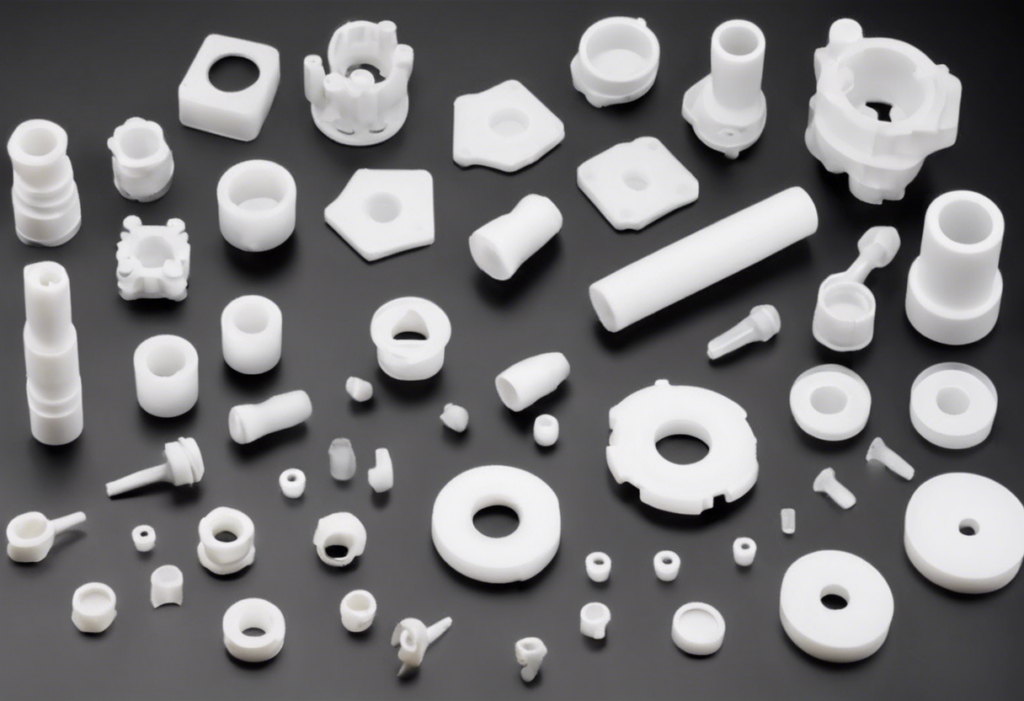
- Gears
- Bearings and Bushings
- Electrical Insulators
- Automotive Components
- Valve Components
- Fasteners and Clips
Applications of Nylon:
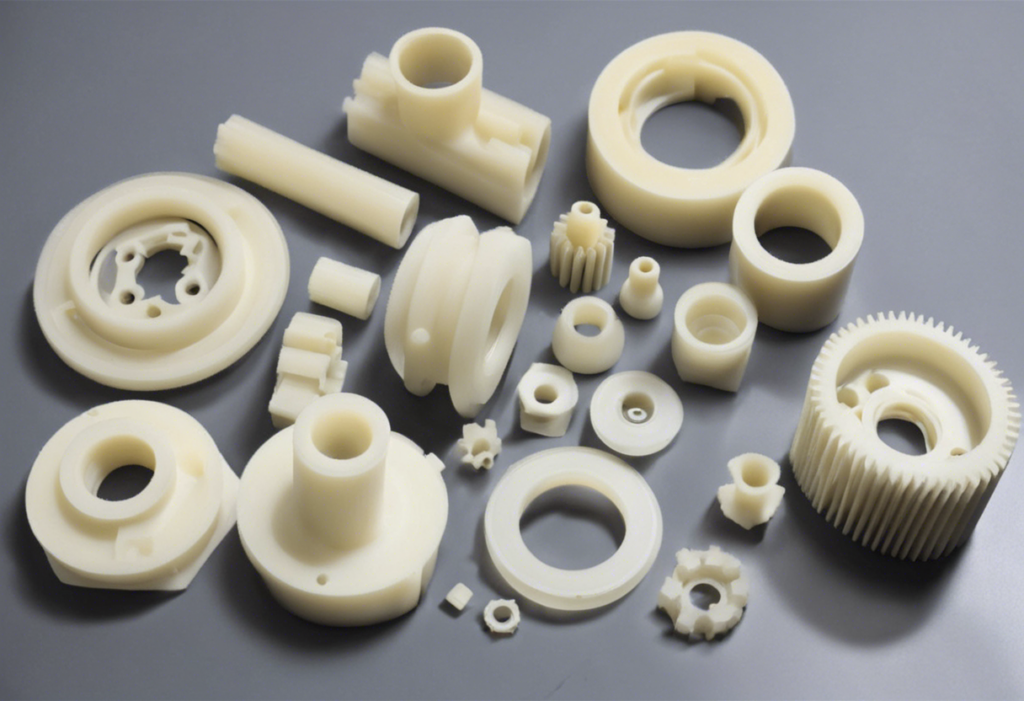
- Wear Pads
- Bushings
- Cable Ties and Clamps
- Gears and Pulleys
- Automotive Engine Components
- Marine Applications
Delrin or Nylon Grades Suitable for Rapid Prototyping
Both materials offer excellent machinability, making them ideal for rapid prototyping. Nevertheless, the choice depends on the specific requirements of the prototype and its end-use environment.
Delrin Grades
- Delrin 150: A homopolymer acetal grade with excellent mechanical properties and dimensional stability. It is commonly used for parts requiring high stiffness and low friction.
- Delrin 100AF: This grade has enhanced wear resistance due to the inclusion of Teflon fibers. Thus, it is well-suited for parts needing low friction and wear resistance in rapid prototyping.
- Delrin 500P: A versatile grade with a good balance of strength, stiffness, and impact resistance, often acting on gears, bearings, and structural parts.
Nylon Grades
- Nylon 6: Offers high impact resistance and toughness. It’s commonly used for mechanical parts, gears, and fasteners in prototyping.
- Nylon 6/6: Similar to Nylon 6, but with slightly better mechanical properties and higher temperature resistance. This makes it ideal for higher-performance applications in prototypes.
- Nylon 12: This grade has lower water absorption compared to Nylon 6/6, making it suitable for parts that require more dimensional stability in humid environments.
Conclusion
https://ancastings.com/Both Delrin and nylon have unique strengths for different applications. At Ancastings Precisoin, we can help you choose the right material for your custom parts. Moreover, we offer expert machining and CNC machining services to meet your prototyping and production needs. Please feel free to contact our experts or ask for an instant quote.