
Are you tired of using the wrong drill bit for your metalworking projects? Do you want better precision, speed, and tool life? This guide will help you understand how to choose the right metal drill bit, explain the different types, coatings, and use cases, and show you best practices for drilling safely and effectively.
The Significance of Metal Drill Bits
When it comes to working with metal, the choice of drill bit is critical. Using the right bit ensures smooth drilling, reduces tool wear, and prevents damage to your workpiece. Metal is harder than wood or plastic, so specialized metal drilling drill bits are designed to handle the heat and resistance generated during drilling.
Whether you are working with aluminum sheets, stainless steel plates, or galvanized steel posts, the correct drill bits that cut through metal make all the difference. A poor choice can lead to broken bits, rough holes, or wasted material.
Key takeaway: Selecting the right bit drill metal is the foundation of any successful metalworking project.
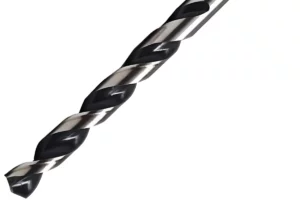
Common Types of Metal Drill Bits
When it comes to metalworking, having the right type of drill bit is crucial for achieving precision and efficiency. Let’s delve deeper into the most common types of metal drills bits and explore their unique characteristics and ideal applications.
Steel Drill Bits
Steel drill bits are the workhorses of metalworking. These sheet metal drill bits are renowned for their versatility and are capable of drilling through a wide range of metals, including mild steel, aluminum, copper, and brass. These drill bits are made from high-speed steel (HSS), which gives them excellent hardness and heat resistance.
Applications:
- Ideal for general metalworking tasks and home DIY projects.
- Suitable for drilling holes in softer metals and alloys.
- Effective for drilling holes in wood and plastic as well.
Pro Tip: Keep steel drill bits well lubricated during use to prevent overheating and extend their lifespan.
Tungsten Carbide Drill Bits
Tungsten carbide drill bits are among the hardest metal cutting bits for drill applications, and are the go-to choice when dealing with harder metals. They are exceptionally hard and can withstand the rigors of drilling through materials like stainless steel, cast iron, and high-strength alloys. These drill bits feature a carbide tip, which provides superior cutting performance.
These heavy metal drill bits are more expensive than standard steel ones, but they provide unmatched durability in demanding environments. They are perfect when precision and longevity are top priorities.
Applications:
- Perfect for heavy-duty metalworking tasks.
- Ideal for drilling into hardened steel, alloy steel, and abrasive materials.
- Well-suited for industrial applications and machining hardened components.
Pro Tip: Use a slower drilling speed and apply steady, even pressure when using tungsten carbide drill bits for hard materials.
Cobalt Steel Drill Bits
Cobalt steel drill bits, often referred to as “cobalt bits,” are designed for high-speed cutting. They are made from a blend of high-speed steel and cobalt, which enhances their heat resistance and durability. These bits are known for maintaining their cutting edges even under high-stress conditions.
Applications:
- They are especially effective as drill bits to drill steel and for high-speed drilling in metals like stainless steel, titanium, and other heat-resistant alloys.
- Suitable for use in metalworking shops and manufacturing facilities.
- Effective for drilling precise holes in challenging materials.
Pro Tip: Use cobalt steel drill bits with a drilling fluid or cutting oil to further improve heat dissipation and lubrication.
Diamond-Coated Drill Bits
Diamond-coated drill bits are the pinnacle of precision drilling. They feature a diamond-coated tip, which provides exceptional cutting performance and longevity. While primarily designed for non-metallic materials like glass, ceramics, and composites, they can also be used for certain metal applications where precision is paramount.
While not the go-to drill bit for metals like steel or iron, they are invaluable in jewelry making and electronics where precision matters more than speed.
Applications:
- Perfect for drilling in delicate materials where a clean, precise hole is essential.
- Commonly used in jewelry making, circuit board manufacturing, and glasswork.
- Suitable for applications where minimal material damage is critical.
Pro Tip: Operate diamond-coated drill bits at low speeds to prevent overheating and extend their lifespan.
| Drill Bit Type | Best Metals | Advantages | Limitations |
|---|---|---|---|
| HSS Steel Bits | Mild steel, aluminum, brass, copper | Affordable, versatile, easy to use | Wear out quickly on hard metals |
| Cobalt Bits | Stainless steel, titanium, alloys | Heat-resistant, durable, good for speed | More expensive than HSS |
| Tungsten Carbide Bits | Hardened steel, cast iron | Extremely hard, long-lasting | High cost, brittle under shock |
| Diamond-Coated Bits | Copper, brass, delicate metals | Precise, smooth finish | Not suited for heavy-duty steel |
By understanding the specific strengths and applications of these common metal drill bits, you can confidently choose the right tool for your metalworking project, ensuring efficient and accurate results. Whether you’re tackling a DIY task or working on an industrial project, the right drill bit makes all the difference.
How to Choose the Right Metal Drill Bit
Selecting the right bit involves more than grabbing the first option. Consider these factors:
Consideration of Project Type and Materials
Before diving into the world of metal drill bits, take a moment to assess your project and the materials you’ll be working with.
- Identify the Metal Type: Different metals have varying hardness levels. Whether you’re dealing with soft aluminum, tough stainless steel, or something in between, understanding the metal’s properties is crucial.
- Thickness Matters: Consider the thickness of the metal you’ll be drilling. Thin sheets may only need sheet metal drill bits, while thicker metals may require more robust drill bits with greater durability.
- Project Specifics: Evaluate the nature of your project. If you are installing a fence with galvanized steel posts, you’ll need a drill bit for drilling galvanized steel. For aerospace components, carbide bits might be required. The nature of your project will dictate your drill bit needs.
Pro Tip: Create a checklist of the metal’s properties, thickness, and project specifics to help narrow down your drill bit options.
Drill Bit Size and Shape
The size and shape of your drill bit play a significant role in achieving the desired results.
- Drill Bit Diameter: Choose a drill bit with an appropriate diameter for your hole size requirements. Smaller bits are ideal for precision work, while larger bits are better suited for larger openings.
- Point Angle: The point angle of the drill bit affects its ability to start drilling efficiently. Common point angles include 118 degrees and 135 degrees. The 118-degree angle is suitable for general use, while the 135-degree angle is designed for tougher materials.
- Flute Design: Consider the flute design of the drill bit. Standard flutes work well for most applications, but spiral or helical flutes are excellent for chip removal and reducing heat buildup.
Pro Tip: Refer to the manufacturer’s recommendations or consult with a knowledgeable supplier to select the appropriate size and shape for your specific task.
Drill Bit Coating Selection
The coating on your drill bit significantly impacts its performance. Different coatings offer unique advantages.
- TiN (Titanium Nitride) Coating: Titanium nitride (TiN) reduces friction, making it a good choice for the best aluminum drill bit. TiN-coated drill bits provide increased hardness and heat resistance. They are excellent for drilling in softer metals and reducing friction.
- TiAlN (Titanium Aluminum Nitride) Coating: TiAlN-coated drill bits are known for their durability and suitability for high-speed drilling. They perform well in a wide range of materials.
- TiCN (Titanium Carbon Nitride) Coating: TiCN-coated drill bits offer excellent wear resistance and can handle high-temperature applications.
Pro Tip: Understand the properties of different coatings and match them to your specific drilling needs. For example, TiN may be ideal for aluminum, while TiAlN is better suited for stainless steel.
Budget Considerations
While performance is critical, it’s essential to consider your budget. High-quality drill bits can be an investment, but they often offer better longevity and performance.
- Quality vs. Price: Cheaper drill bits may save you money upfront but can wear out quickly and provide subpar results. Invest in quality bits for critical tasks.
- Long-Term Cost: Consider the long-term cost. High-quality bits for steel may cost more, but they last longer and require fewer replacements, ultimately saving you money.
Pro Tip: Balance your budget with the demands of your project. For important or high-volume tasks, it’s often worth spending a bit more on quality drill bits.
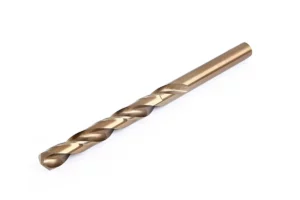
Best Practices for Using Metal Drill Bits
Achieving the best results when working with metal drill bits requires more than just choosing the right bit. Proper techniques and precautions are equally crucial. Here are essential best practices to ensure your drilling tasks are safe and efficient:
Safety Operations
Safety should be your top priority when using metal drill bits. Follow these safety guidelines to prevent accidents and protect yourself during drilling operations.
- Personal Protective Equipment (PPE): Always wear the appropriate personal protective equipment, including safety goggles, hearing protection, and gloves. Safety glasses or goggles protect your eyes from flying debris, while hearing protection guards against noise from drilling.
- Secure Workpiece: Ensure your workpiece is securely clamped or anchored. A moving or vibrating workpiece can lead to accidents or imprecise drilling.
- Clear Work Area: Keep your work area well-organized and free from clutter. Remove any potential obstacles that could interfere with your drilling.
- Stable Stance: Maintain a stable stance while operating the drill. Stand with your feet shoulder-width apart to maintain balance and reduce the risk of tripping.
- Controlled Pressure: Apply controlled, even pressure when drilling. Do not force the drill; let the drill bit’s cutting edges do the work. Forcing the drill can cause overheating and damage to both the bit and the workpiece.
- Lubrication: Use cutting fluid or a lubricant specific to the metal you’re drilling. Lubrication reduces friction, dissipates heat, and prolongs the life of the drill bit. This is especially important for hard drill bits for steel.
- Coolant Management: When working with hard metals, consider using a coolant system to keep the drill bit and workpiece at an optimal temperature. Overheating can lead to bit wear and material deformation.
- Avoiding Binding: Be cautious of the drill bit binding in the hole. If it does, immediately release the trigger to prevent injury.
- Emergency Stop: Familiarize yourself with the drill’s emergency stop or shut-off mechanism. You may need to stop the drill quickly in case of an unexpected situation.
- Inspection: Regularly inspect your drill bits for signs of wear, damage, or dullness. Replace worn or damaged bits promptly to maintain drilling efficiency.
Proper technique extends the life of your metal drills bits and ensures cleaner results.
Drill Bit Maintenance
Proper maintenance of your metal drill bits is essential to ensure their longevity and continued effectiveness. Follow these maintenance steps to keep your bits in top condition:
- Cleaning: After each use, clean the drill bit thoroughly. Remove metal shavings, debris, and any residual cutting fluid. A wire brush or cleaning solvent can be helpful.
- Lubrication: Apply a light coat of lubricant or cutting oil to the drill bit’s flutes and cutting edges. This prevents rust and helps maintain the sharpness of the bit.
- Storage: Store your drill bits in a dry, clean place, away from moisture and humidity. Consider using a dedicated organizer or drill bit case to keep them organized and protected.
- Sharpening: Periodically check the sharpness of your drill bits. Dull bits will produce poor results and can damage your workpiece. Invest in a quality drill bit sharpener or have them professionally sharpened when needed.
- Inspection: Before each use, inspect your drill bits for any signs of damage, wear, or deformities. Bent or chipped bits should be replaced immediately.
- Organization: Keep your drill bits organized and labeled according to size and type. This will save time and prevent confusion during projects.
Case Studies: Drill Bit Selection for Different Metal Projects
Understanding how to pick a bit is easier with real scenarios. Here are a few
Case 1: Precision in Stainless Steel
A machinist must make clean, accurate holes in stainless steel for a medical component. They picked a tungsten carbide bit with a TiAlN coating. The carbide holds up under stress, and TiAlN reduces heat, allowing for precise, clean holes.
Case 2: DIY Metal Fence Project
A homeowner is drilling into galvanized steel posts. They used cobalt M35 drill bits (5% cobalt) with a 118° point. The cobalt offers more durability than basic HSS, and with proper lubrication, they completed the job efficiently without bits breaking.
Case 3: Restoring Classic Car Panels
In restoring mild steel car panels, a hobbyist selected HSS bits because the steel is soft enough and HSS is cost-effective. With light cutting oil and moderate speed, the bits drilled clean holes without wearing out too quickly.
Case 4: Industrial CNC Work on Aluminum
In an aerospace workshop, engineers drill aluminum alloy parts. They chose carbide bits coated with TiN because TiN reduces friction, and carbide provides long life and consistent hole quality under CNC conditions.
Case 5: Precision Artisan Metalwork
An artisan drilling delicate holes in copper and brass jewelry uses diamond-coated bits. The diamond coating ensures smooth, clean holes without deforming the curved or thin metal surfaces.
These case studies demonstrate how the careful selection of the right drill bit based on the specific metal and project requirements can lead to successful outcomes. Whether you’re working on industrial tasks or pursuing creative projects, understanding the nuances of drill bit selection is essential for achieving the desired results in your metalworking endeavors.
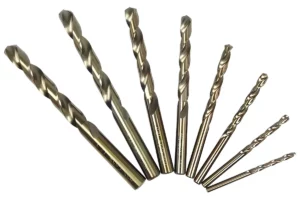
Why Choose Ancastings for CNC Drilling and Machining
When it comes to working with metals, precision is non-negotiable. Ancastings offers advanced CNC machining services tailored for drilling and cutting a wide variety of metals. From choosing the best material for drill bits to machining complex parts, Ancastings’ team delivers unmatched quality.
Our advantages include:
- Expertise in selecting drill bits to drill steel, aluminum, and other alloys.
- High-precision CNC equipment that ensures accuracy and repeatability.
- Custom solutions for both prototypes and mass production.
- Knowledge of handling everything from bits for steel projects to delicate aluminum drilling.
Partnering with Ancastings means your designs are transformed into durable, precise components that meet your highest expectations.
Conclusion
The right drill bit for metals ensures precision, efficiency, and durability in your projects. From soft aluminum to galvanized steel, each metal requires the correct drill bit to achieve the best results. By understanding the properties of metal drilling drill bits, coatings, and applications, you can avoid costly mistakes and achieve professional outcomes.
If you want expert CNC drilling and machining services, consider working with Ancastings CNC. With advanced equipment and expert knowledge, Ancastings ensures your metal projects are executed with precision and quality.
FAQ
What’s the toughest drill bit for metal?
Tungsten carbide bits are among the hardest and most wear-resistant. They are ideal for drilling very hard metals, but they are more brittle and require a stable setup.
Can I use wood drill bits on metal?
No. Wood drill bits are not made to handle the heat or hardness of metal. Use bits specially designed for metal, like HSS, cobalt, or carbide.
Which drill bit is best for aluminum?
HSS bits with a TiN coating are a great choice for aluminum. The TiN reduces friction and helps with smooth drilling.
Why is coolant important when drilling metal?
Coolant (or cutting fluid) helps reduce heat and friction, which extends bit life and improves hole quality, especially in hard metals.
How do I avoid drill bit walking when starting a hole?
Use a 135° split-point bit. This tip design grips more aggressively and reduces walking, especially on hard metals.