
In the field of engineering design and manufacturing, we often come into contact with various mechanical components and transmission systems. Among them, splined shafts, a common transmission element, are extensively employed in various mechanical devices. As such, this article will introduce the related topics of spline shafts, covering the definition and principles of gear shafts. Also, it explains different types of gear shafts, their advantages and limitations, applications, manufacturing processes, and more.
What is a Spline Shaft?
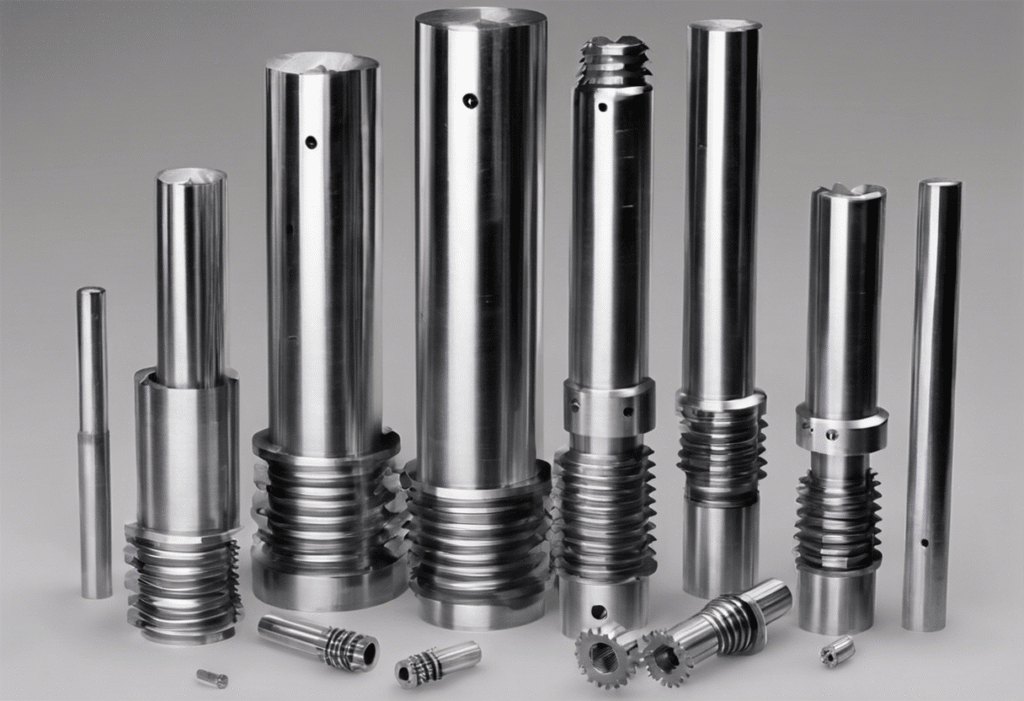
Splined shaft refers to the shafts featuring longitudinal splines and corresponding grooves. Such a design can increase the contact area between the shaft and other mating components, including gears or couplings. When the shaft is inserted into the hole and rotated, the ridges of the spline engage with the grooves, transmitting torque. In addition, this connection helps to reduce stress concentration on the shaft, thereby extending its service life. Thus, they widely act on the mechanical systems that need to withstand substantial torque due to good compatibility.
Types of Spline Shafts
There are several types of splined shafts, each designed for different applications and torque transmission requirements. Here are some common types:
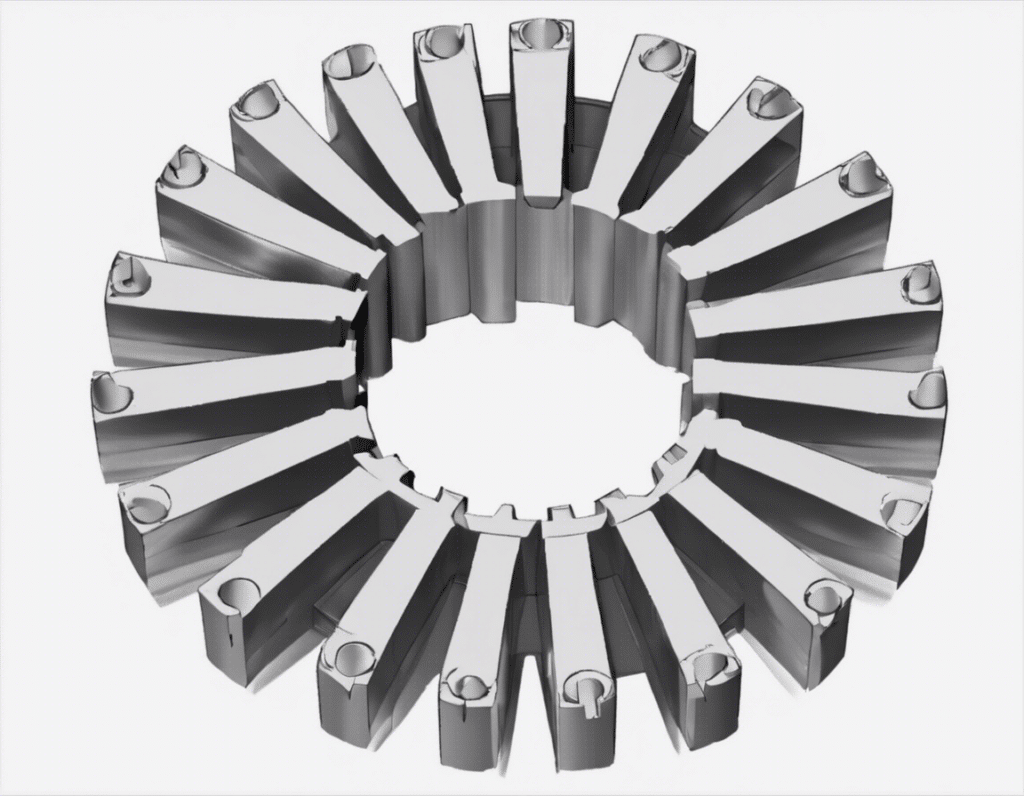
1. Involute Splines:
Similar to gears, these splines have teeth shaped in an involute profile.
They provide even distribution of load and commonly find high-torque applications, such as in automotive and heavy machinery.
2. Parallel Key Splines:
Features straight-sided teeth that are parallel to the shaft axis.
These splines are typically easier to manufacture and are suitable for moderate load conditions.
3. Serrated Splines:
Consists of triangular-shaped teeth that are more numerous than other spline types.
These splines are used for smaller, more precise applications, often found in tools and smaller machinery.
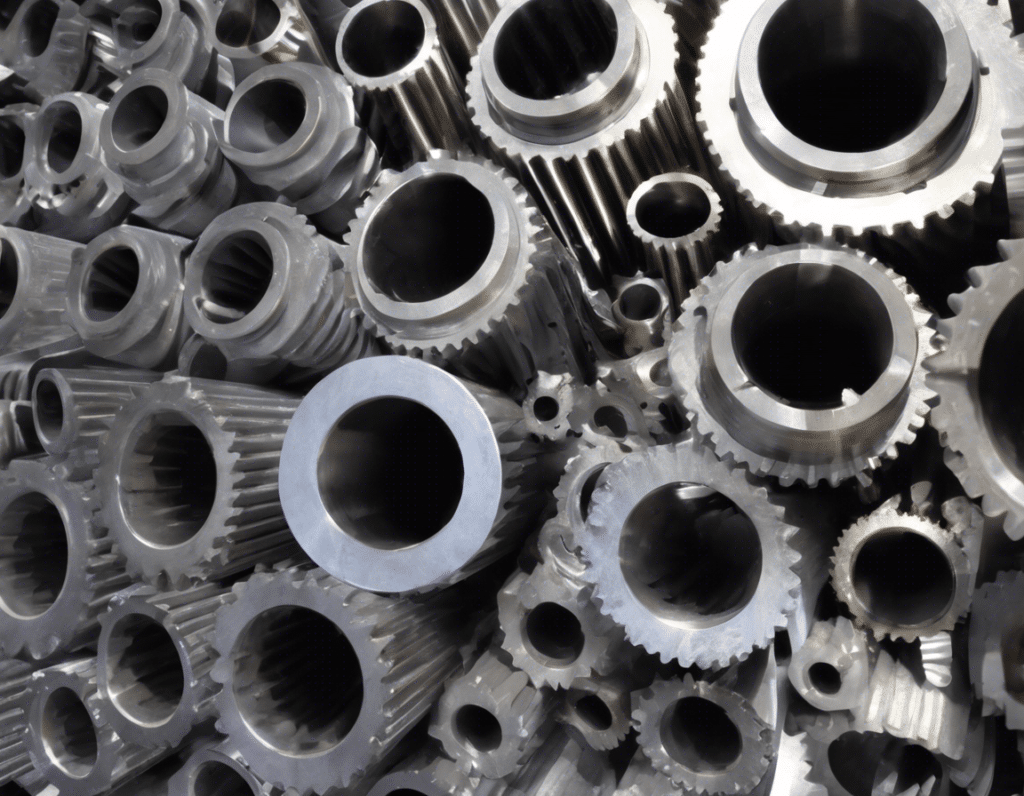
4. Helical Splines:
The teeth are cut at an angle, forming a helical shape.
Helical splines provide smoother torque transmission and are ideal for transmission systems.
5. Crowned Splines:
The teeth of crowned splines are curved or “crowned,” allowing for slight misalignment between the shaft and mating component.
This type is often employed in systems with flexible or misaligned couplings.
6. Ball Spline Shafts:
These feature linear grooves that allow for both rotational and linear motion.
Commonly found in robotics, CNC machines, and other equipment where both motion types are required.
Advantages and Limitations of Splined Shaft
Shafts with splines stand out for their ability to connect rotating parts securely while transmitting substantial force. However, like any engineering solution, they come with their own set of advantages and limitations. Below are some pros and cons of them:
Benefits:
- Transmission: These parts ensure a secure connection between elements, allowing torque to be transferred effectively without slippage.
- Distribution: The use of splines helps distribute loads evenly across the entire assembly, reducing stress and enhancing durability.
- Alignment: With their interlocking design, these mechanisms guarantee precise positioning between rotating parts.
- Capacity: Due to their robust construction, these systems are capable of handling substantial torque, making them suitable for heavy-duty applications.
- Stability: The design prevents unwanted axial displacement, providing stability during operation by locking components securely in place.
- Maintenance: Their construction allows for simple assembly and disassembly, which is beneficial for routine maintenance and repairs.
- Versatility: Available in various forms and configurations, they are adaptable to a broad spectrum of applications across industries.
Limitations:
- Complexity: The intricate manufacturing of these mechanisms requires high precision, often resulting in higher production costs compared to simpler designs.
- Wear: Like all mechanical components, these systems can suffer from wear, especially under heavy loads or prolonged use, necessitating periodic inspection and replacement.
- Friction: Certain designs, such as parallel splines, may produce higher friction, which can cause heat buildup and energy loss in specific conditions.
Advanced Applications of Spline Shaft
Here’s an overview of the advanced applications of splined shafts in different configurations:
- Splined Shaft and Hub
The spline shaft and hub are typically used in mechanical systems to transfer torque between components while maintaining precise alignment. The splines on the shaft match corresponding grooves in the hub, allowing for the efficient transmission of rotational power. Additionally, the spline geometry can accommodate axial movement between components. Thus, it is beneficial in systems where thermal expansion or other movement.
- Splined Shaft Coupler/Coupling
A spline shaft coupling connects two shafts to transmit torque between them while accommodating slight misalignments. This coupling is highly durable and efficient, making it suitable for high-performance applications. These couplers are often used in heavy-duty machinery, including construction equipment, manufacturing systems, and wind turbines.
- Splined Shaft Hydraulic Pump
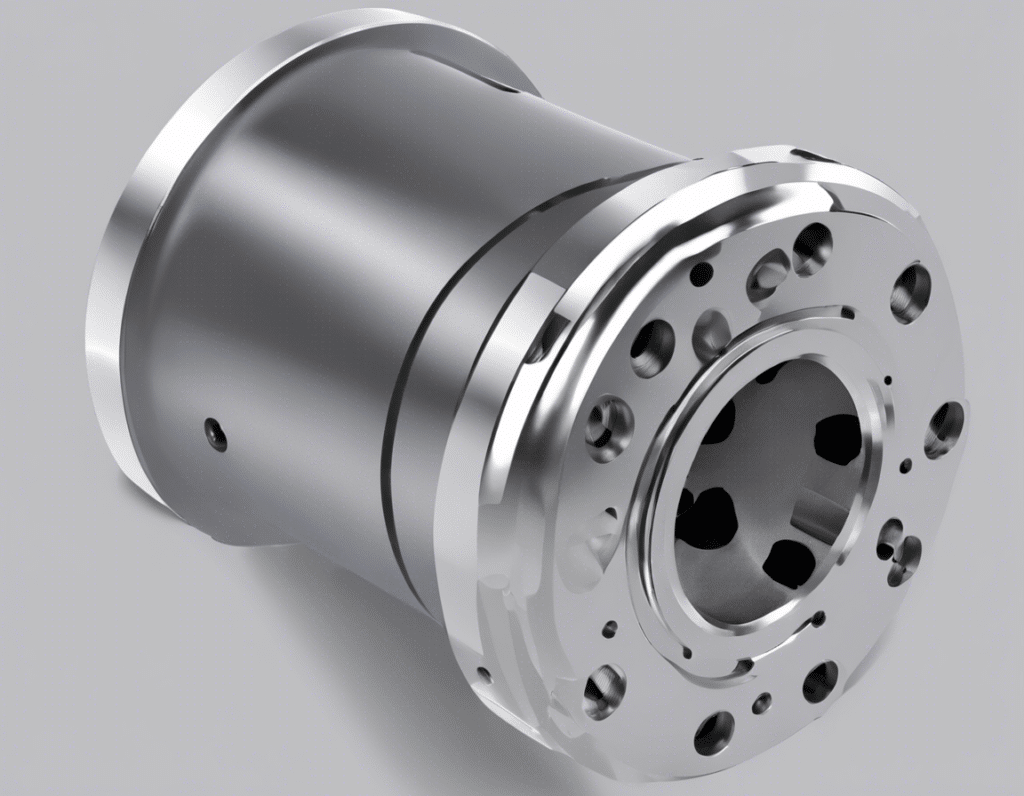
In hydraulic systems, spline shafts are used to drive hydraulic pumps, converting mechanical energy into hydraulic power. The splines ensure that torque is transferred smoothly and efficiently from the engine or motor to the pump. These splined connections are particularly vital in mobile and industrial hydraulic applications, such as excavators, loaders, and other hydraulic machinery. In addition to helping maintain the precise alignment, they also enhance the system’s overall reliability and performance.
- Splined Shaft Adapter
Spline shaft adapters are utilized to connect shafts with differing diameters or spline configurations, allowing for compatibility between various mechanical components. These adapters are essential in custom systems, such as in specialized industrial machinery, automotive systems, or robotics. Therefore, using a splined adapter integrates different parts of a system without requiring extensive redesign, increasing flexibility and reducing costs.
These advanced applications of spline shafts in various configurations highlight their importance in ensuring efficient, precise, and reliable torque transmission across numerous industries.
Materials Available for Spline Shaft
Spline shafts come in a variety of materials, depending on the application requirements such as load, wear resistance, and environmental conditions. Below are some common materials used for spline shafts:
| Material Type | Main Characteristics | Typical Applications |
| Carbon Steel | High strength, low cost, can be heat-treated | Automotive systems, industrial machinery, general-purpose mechanical applications |
| Alloy Steel | High strength, wear-resistant, fatigue-resistant, heat-treatable | Heavy-duty machinery, aerospace, defense industries |
| Stainless Steel | Corrosion-resistant, good strength, wear-resistant | Food processing, medical equipment, marine and chemical industries |
| Aluminum | Lightweight, corrosion-resistant, good machinability | Aerospace, automotive, light machinery |
| Titanium | High strength, lightweight, corrosion-resistant | Aerospace, motorsport, medical devices |
| Brass and Bronze | Wear-resistant, easy to machine, corrosion-resistant, self-lubricating | Low-load applications, marine equipment, electrical components |
| Composites and Plastics | Lightweight, corrosion-resistant, low friction | Aerospace, medical devices, specialized industrial machinery |
| Powdered Metallurgy | High precision, good strength, wear-resistant | Automotive parts, small machinery, high-volume production |
Manufacturing Processes for Spline Shafts
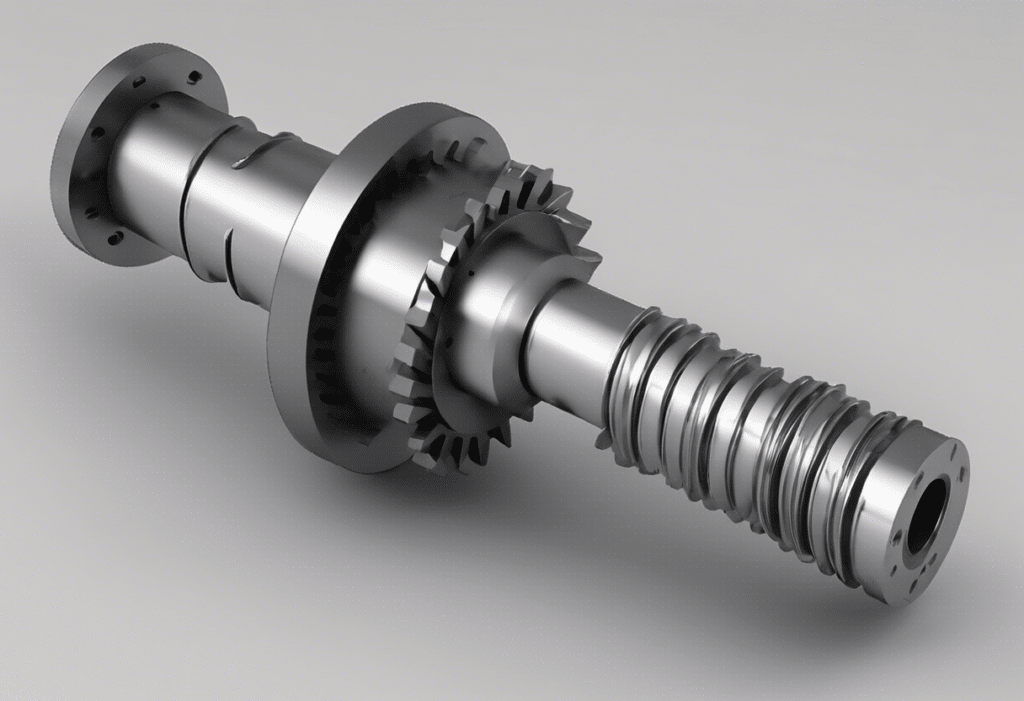
1. Broaching: Broaching uses a multi-tooth cutting tool to remove material from the workpiece, producing highly accurate spline profiles. It is ideal for high-volume production due to its precision and efficiency.
2. Hobbing: Hobbing involves a rotating tool called a hob that cuts the spline profile into the workpiece through continuous engagement. It is well-suited for producing complex spline shapes and is commonly used in gear and shaft manufacturing.
3. Shaping: Shaping employs a reciprocating cutting tool to create spline profiles by moving back and forth across the workpiece. This process is versatile and effective for both internal and external splines, making it suitable for custom and medium-sized production runs.
4. Milling: Milling utilizes a rotating cutter to remove material and form grooved profiles. It offers flexibility for creating various spline shapes and is used for prototypes and small to medium production runs.
5. Electrical Discharge Machining (EDM): EDM uses electrical discharges to erode material from the workpiece, allowing for high-precision and complex spline shapes, especially in hard materials. Moreover, it is commonly used in high-precision and aerospace applications.
6. Turning: Turning involves rotating the workpiece against a stationary cutting tool to form external splines and cylindrical shapes. It is effective for producing simple spline profiles and is used in both prototype and production environments.
7. Grinding: Grinding employs an abrasive wheel to achieve precise dimensions and smooth surfaces on spline shafts. It often acts as a finishing process for high-precision applications where tight tolerances and high-quality finishes are required.
Splined vs Keyed Shafts
Splined Shafts
As we mentioned before, spline shafts feature a series of grooves or ridges along their length that mesh with corresponding grooves in a mating component. This design allows for efficient torque transmission while accommodating slight misalignments and axial movement. The increased contact area between the spline and the mating part helps to handle higher torque loads and ensures a secure, precise fit. This makes splined shafts ideal for high-torque and precision applications, such as automotive drivetrains and aerospace systems.
Keyed Shafts
Keyed shafts, on the other hand, are designed with a keyway—a slot cut into the shaft—and a matching key that fits into this slot. The key locks the shaft and the mating component together, preventing relative rotation and maintaining a fixed position. While simpler and more cost-effective, keyed shafts do not accommodate axial movement or misalignment as effectively as splined shafts. Furthermore, they are typically used in applications where moderate torque is sufficient and precise alignment is maintained.
Custom Your Shaft Parts at Ancastings Precision
At Ancastings Precision, we specialize in custom manufacturing of shaft parts tailored to your specific needs. Our advanced machining capabilities allow us to produce high-quality splined shafts with precision and efficiency. Whether you require complex spline profiles or keyed shafts, we can accommodate a wide range of specifications and materials. Thus, with our commitment to excellence and attention to detail, we ensure that your custom shaft parts meet the highest standards of performance and durability. Contact us today to discuss your requirements and discover how our solutions can enhance your projects.