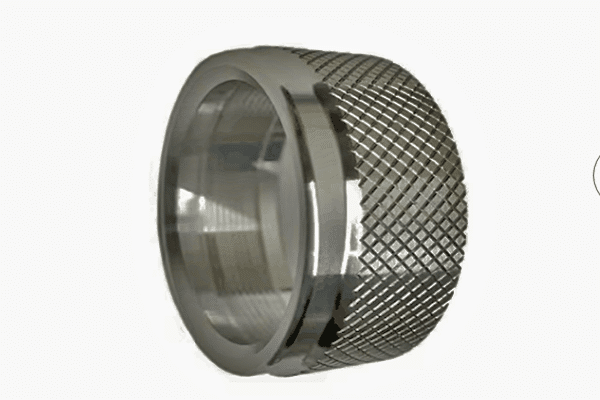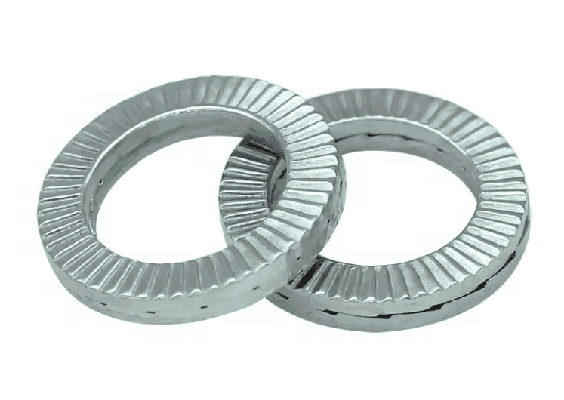
Washers are pivotal components that enhance the integrity of fastening systems. Crafted from diverse materials ranging from stainless steel to carbon steel, these compact units serve multifaceted roles as seals, spacers, and shields against liquid ingress. They also act as buffers against vibration, thereby ensuring optimal performance and longevity of the assembly.
This article will introduce the different types of washers, their specific applications, as well as relevant standards.
What is the Washer?
The washer is a common mechanical component used to fix and connect different parts across various industries, including household appliances and building structures. Generally, it consists of a circular metal or plastic ring with a hole in the middle that can be placed around a bolt or screw. Moreover, it can prevent parts from loosening and improve the overall stability and reliability of the system.
Washers matter in fastening systems as they help distribute the load evenly, prevent damage to the mating surfaces, and maintain the desired tension in the connection. Furthermore, washers come in a wide range of materials, sizes, and shapes to suit diverse applications and requirements
Types of Washers
Varied industries and applications possess distinct requirements, which has driven the development of a wide array of types of washers. Here are some of the common types:
- Flat Washer
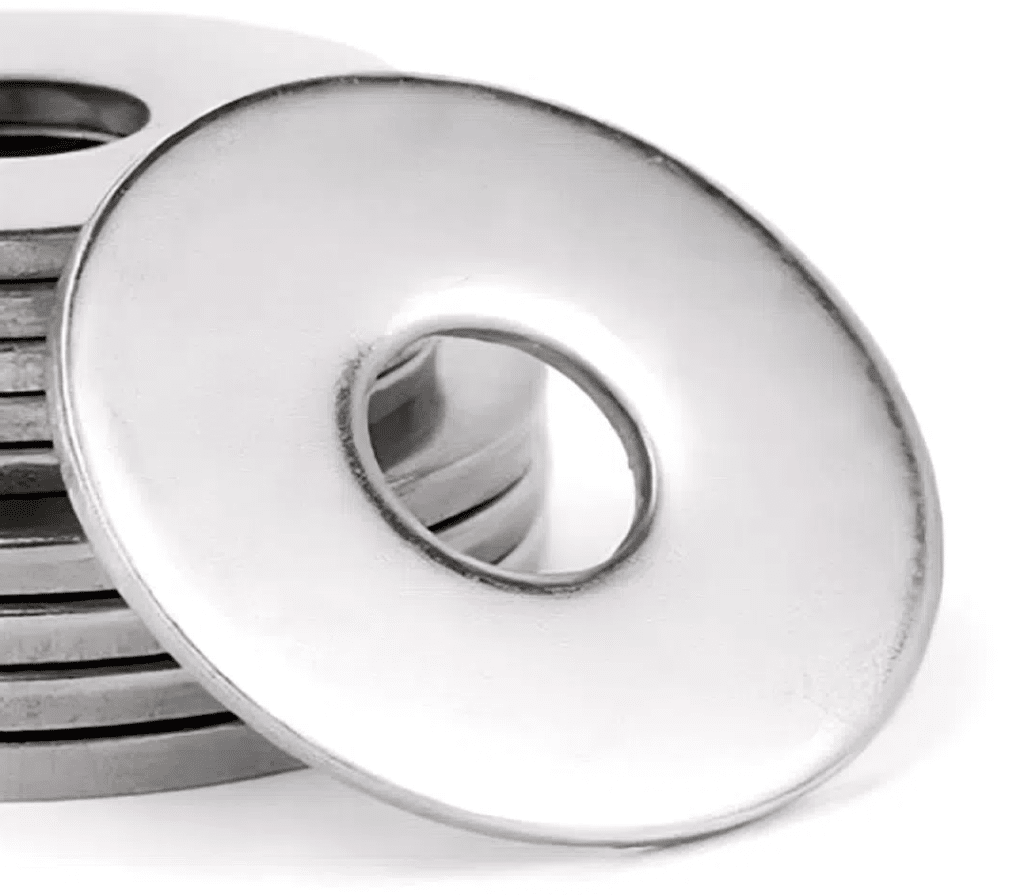
The flat washer features a flat, circular shape with a central hole. This is the most common type of washer, utilized to increase the contact area between the bolt head and the connected part. Further, it helps prevent surface damage and ensures a secure fit.
- Plain Washer:
A plain washer represents a simpler and more basic type. Similar to flat washer, it has a flat, circular shape with a hole in the center. However, plain washer lacks the specialized features or coatings found in flat washers.
- Lock Washer
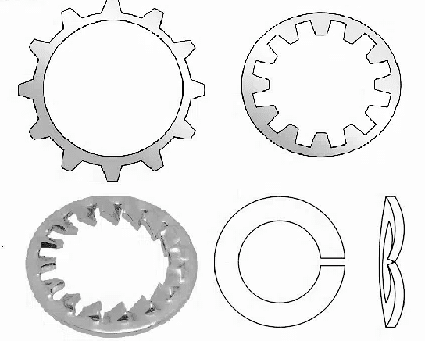
The lock washer is typically available in split, coiled, or star-shaped designs to create friction. It can maintain the tightness of the connection in high-vibration environments. In addition, there are various types, including internal-tooth lock washers, external-tooth lock washers, and split lock washers.
- Fender Washer
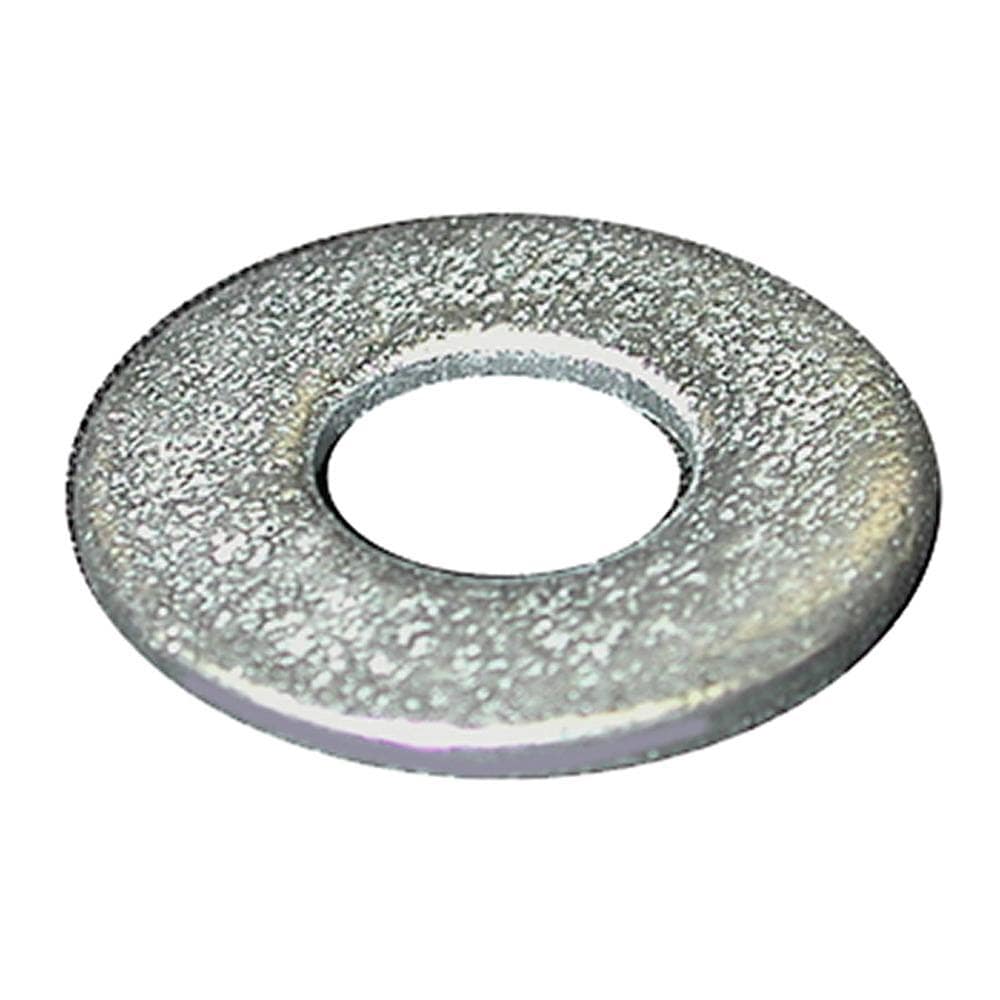
It is also known as finishing washers or penny washers with a larger diameter than standard flat washers. Generally, it acts on distributing the load over a larger area, often in applications with softer or thinner materials.
- Conical Washer
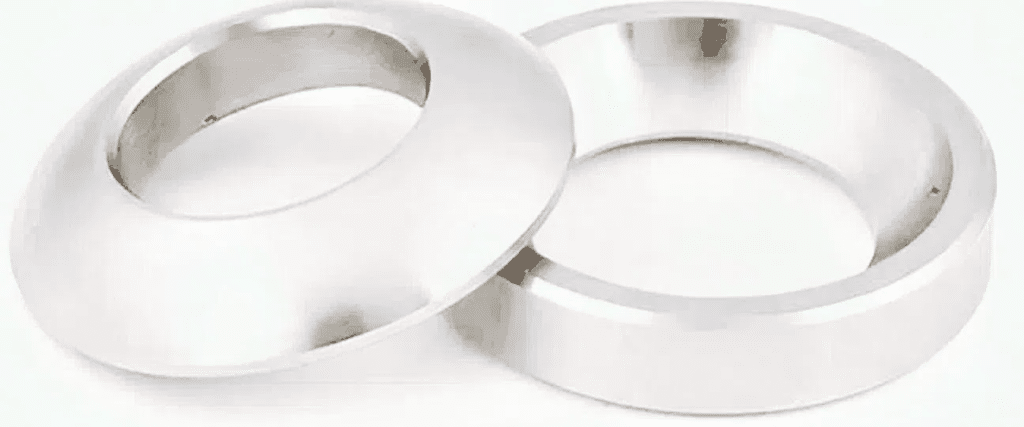
It is also called belleville washer or spring washer with a conical or dished shape that provides a spring-like action. Additionally, it helps maintain tension and compensate for thermal expansion or compression.
- Countersunk Washer
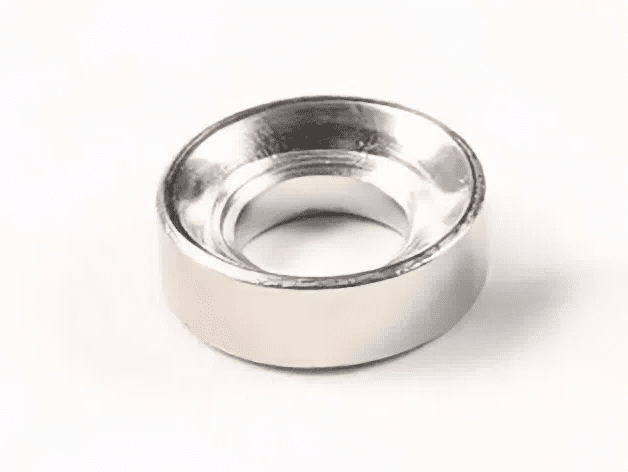
The outer diameter of the washer is smaller than the inner diameter, creating a tapered, countersunk shape. Thus, it allows the bolt head or nut to sit flush with or below the surface of the connected material, minimizing the protrusion height.
- Insulating Washer
An insulating washer, also called a shoulder washer, can provide electrical isolation between two connected components, preventing short circuits.
- Wave Spring Washer
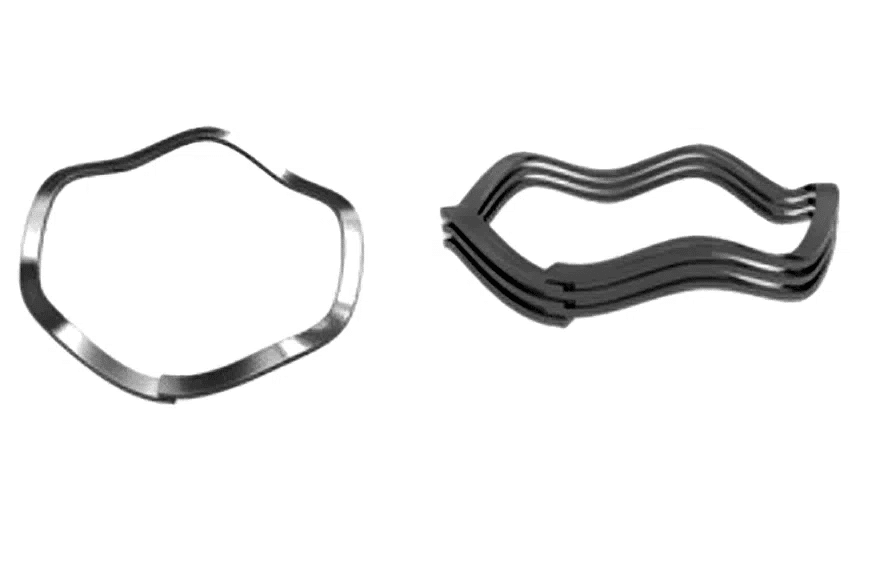
This washer features a wavy, undulating shape that allows it to act as a spring, absorbing shock and vibration.
- Spherical Washer
Spherical washers have a curved, ball-like surface that can accommodate angular misalignment between the bolt and the surface.
- Square Washer
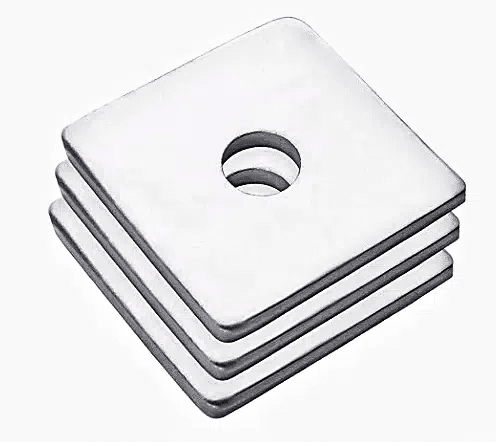
As the name suggests, square washers have a square shape rather than the typical circular design. Moreover, it allows for better torque distribution as the larger surface area.
- Sealing Washer
It incorporates a gasket or sealant material to create a tight, leak-proof connection.
Pros and Cons of Using Washers
The decision to use washers should be based on a careful evaluation of the specific application requirements, balancing the potential benefits against any drawbacks. This section will introduce their pros and cons.
Benefits
- Load Distribution: The washer helps distribute the load over a larger surface area, reducing the risk of damage to the underlying surface or the fastener.
- Vibration Dampening: By acting as a spacer, they minimize the impact of vibrations on the fastening system, improving its overall stability and longevity.
- Corrosion Prevention: Create a barrier between the fastener and the surface, it helps to prevent corrosion and maintain the integrity of the connection.
- Versatility: Washers come in a wide range of materials, allowing them to be used in various applications and environments.
- Cost-effectiveness: Generally, washers are inexpensive components, making them a cost-effective solution for fastening systems.
- Seal Protection: A sealing washer can create a tight, leak-proof connection, preventing the ingress of liquids or contaminants.
- Adjustability: It comes in various sizes, allowing for adjustments to accommodate different bolt/hole dimensions.
Limitation
- Potential for Overtightening: Improper use can lead to damage to the underlying surface or the washer itself.
- Space Constraints: Washers take up additional space, which may be a concern in applications with limited clearance.
- Maintenance Requirements: Depending on the application, it may require periodic inspection and replacement to ensure continued performance.
Materials Available for Machining Washers
There are a variety of materials can be applied to manufacture different types of washers. Some common materials include:
| Material | Advantages | Disadvantages |
| Steel | Provide cushioning and vibration-dampening It can create a tight seal against liquids and gases |
Susceptible to corrosion, may require protective coatings |
| Stainless Steel | Excellent corrosion resistance Maintains strength and integrity in harsh environments |
More expensive than regular steel |
| Aluminum | Lightweight and corrosion-resistant Suitable for applications with weight constraints |
Lower strength compared to steel |
| Brass | Offers a decorative, aesthetic appearance Corrosion-resistant and durable |
Typically more expensive than steel or aluminum |
| Nylon/Plastic | Lightweight and non-conductive Can provide electrical insulation |
Provide cushioning and vibration-dampening Can create a tight seal against liquids and gases |
| Rubber/Elastomeric | Provide cushioning and vibration-dampening It can create a tight seal against liquids and gases |
Susceptible to wear and degradation over time |
Washer Dimensions Chart
Common washer size specifications mainly include two types: metric washers and imperial washers. And imperial washers typically follow SAE or USS standards.
DIN Standards:
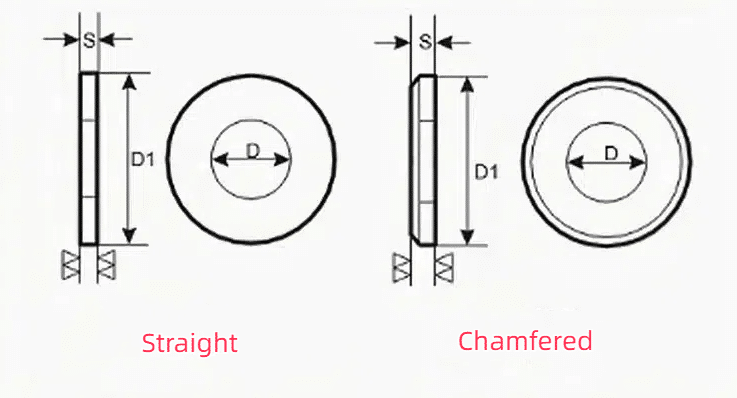
| Nominal Diameter | D | D1 | S | WEIGHT kg / 1000 pcs |
| M3 | 3.2 | 7 | 0.5 | 0.12 |
| M4 | 4.3 | 9 | 0.8 | 0.3 |
| M5 | 5.3 | 10 | 1 | 0.44 |
| M6 | 6.4 | 12.5 | 1.6 | 1.14 |
| M7 | 7.4 | 14 | 1.6 | 1.39 |
| M8 | 8.4 | 17 | 1.6 | 2.14 |
| M10 | 10.5 | 21 | 2 | 4.08 |
| M12 | 13 | 24 | 2.5 | 6.27 |
| M14 | 15 | 28 | 2.5 | 8.6 |
| M16 | 17 | 30 | 3 | 11.3 |
| M18 | 19 | 34 | 3 | 14.7 |
| M20 | 21 | 37 | 3 | 17.2 |
| M22 | 23 | 39 | 3 | 18.4 |
| M24 | 25 | 44 | 4 | 32.3 |
| M27 | 28 | 50 | 4 | 42.8 |
| M30 | 31 | 56 | 4 | 53.6 |
| M33 | 34 | 60 | 5 | 75.4 |
| M36 | 37 | 66 | 5 | 92 |
| M39 | 40 | 72 | 6 | 133 |
| M42 | 43 | 78 | 7 | 183 |
| M45 | 46 | 85 | 7 | 220 |
| M45 | 50 | 92 | 8 | 294 |
| M52 | 54 | 98 | 8 | 330 |
| M56 | 58 | 105 | 9 | 425 |
| M58 | 60 | 110 | 9 | 471 |
| M64 | 65 | 115 | 9 | 492 |
| M72 | 74 | 125 | 10 | 625 |
| All measurements are in mm | ||||
SAE or USS Standards:
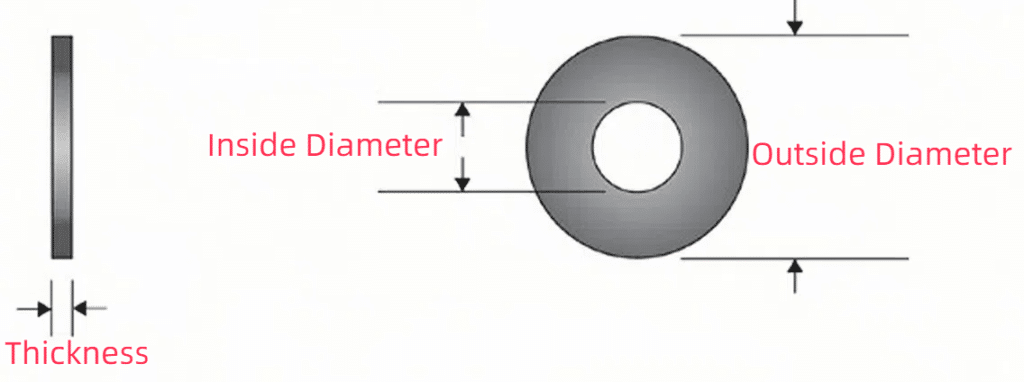
| SAE | |||||||||
| Inside Diameter | Outside Diameter | Thickness | |||||||
| Size | Base | Tolerance | Base | Tolerance | Base | Max | Min | ||
| + | – | + | – | ||||||
| #2 | 0.094 | 0.000 | 0.005 | 0.250 | 0.000 | 0.005 | 0.020 | 0.025 | 0.016 |
| #3 | 0.109 | 0.008 | 0.005 | 0.250 | 0.008 | 0.005 | 0.032 | 0.040 | 0.025 |
| #4 | 0.125 | 0.008 | 0.005 | 0.312 | 0.008 | 0.005 | 0.032 | 0.040 | 0.025 |
| #5 | 1.145 | 0.008 | 0.005 | 0.286 | 0.008 | 0.005 | 0.032 | 0.040 | 0.025 |
| #6 | 0.156 | 0.008 | 0.005 | 0.375 | 0.015 | 0.005 | 0.049 | 0.065 | 0.036 |
| #8 | 0.188 | 0.008 | 0.005 | 0.438 | 0.015 | 0.005 | 0.049 | 0.065 | 0.036 |
| #10 | 0.219 | 0.008 | 0.005 | 0.500 | 0.015 | 0.005 | 0.049 | 0.065 | 0.036 |
| #12 | 0.250 | 0.015 | 0.005 | 0.562 | 0.015 | 0.005 | 0.065 | 0.080 | 0.051 |
| 1/4 | 0.281 | 0.015 | 0.005 | 0.625 | 0.015 | 0.005 | 0.065 | 0.080 | 0.051 |
| 5/16 | 0.344 | 0.015 | 0.005 | 0.688 | 0.015 | 0.007 | 0.065 | 0.080 | 0.051 |
| 3/8 | 0.406 | 0.015 | 0.005 | 0.812 | 0.015 | 0.007 | 0.065 | 0.080 | 0.051 |
| 7/16 | 0.469 | 0.015 | 0.005 | 0.922 | 0.015 | 0.007 | 0.065 | 0.080 | 0.051 |
| 1/2 | 0.531 | 0.015 | 0.005 | 1.062 | 0.030 | 0.007 | 0.095 | 0.121 | 0.074 |
| 9/16 | 0.594 | 0.015 | 0.005 | 1.156 | 0.030 | 0.007 | 0.095 | 0.121 | 0.074 |
| 5/8 | 0.656 | 0.030 | 0.007 | 1.312 | 0.030 | 0.007 | 0.095 | 0.121 | 0.074 |
| 3/4 | 0.812 | 0.030 | 0.007 | 1.469 | 0.030 | 0.007 | 0.134 | 0.160 | 0.108 |
| 7/8 | 0.938 | 0.030 | 0.007 | 1.750 | 0.030 | 0.007 | 0.134 | 0.160 | 0.108 |
| 1 | 1.062 | 0.030 | 0.007 | 2.000 | 0.030 | 0.007 | 0.134 | 0.160 | 0.108 |
| 1 1/8 | 1.250 | 0.030 | 0.007 | 2.250 | 0.030 | 0.007 | 0.134 | 0.160 | 0.108 |
| 1 1/4 | 1.375 | 0.030 | 0.007 | 2.500 | 0.030 | 0.007 | 0.165 | 0.192 | 0.136 |
| 1 3/8 | 1.500 | 0.030 | 0.007 | 2.750 | 0.030 | 0.007 | 0.165 | 0.192 | 0.136 |
| 1 1/2 | 1.625 | 0.030 | 0.007 | 3.000 | 0.030 | 0.007 | 0.165 | 0.192 | 0.136 |
| All measurements are in inches | |||||||||
| USS | |||||||||
| Inside Diameter | Outside Diameter | Thickness | |||||||
| Size | Base | Tolerance | Base | Tolerance | Base | Max | Min | ||
| + | – | + | – | ||||||
| 1/4 | 0.312 | 0.015 | 0.005 | 0.734 | 0.015 | 0.007 | 0.065 | 0.080 | 0.051 |
| 5/16 | 0.375 | 0.015 | 0.005 | 0.875 | 0.030 | 0.007 | 0.083 | 0.104 | 0.064 |
| 3/8 | 0.438 | 0.015 | 0.005 | 1.000 | 0.030 | 0.007 | 0.083 | 0.104 | 0.064 |
| 7/16 | 0.500 | 0.015 | 0.005 | 1.250 | 0.030 | 0.007 | 0.083 | 0.104 | 0.064 |
| 1/2 | 0.562 | 0.015 | 0.005 | 1.375 | 0.030 | 0.007 | 0.109 | 0.132 | 0.086 |
| 9/16 | 0.625 | 0.015 | 0.005 | 1.469 | 0.030 | 0.007 | 0.109 | 0.132 | 0.086 |
| 5/8 | 0.688 | 0.030 | 0.007 | 1.750 | 0.030 | 0.007 | 0.134 | 0.160 | 0.108 |
| 3/4 | 0.812 | 0.030 | 0.007 | 2.000 | 0.030 | 0.007 | 0.148 | 0.177 | 0.122 |
| 7/8 | 0.938 | 0.030 | 0.007 | 2.250 | 0.030 | 0.007 | 0.165 | 0.192 | 0.136 |
| 1 | 1.062 | 0.030 | 0.007 | 2.500 | 0.030 | 0.007 | 0.165 | 0.192 | 0.136 |
| 1 1/8 | 1.250 | 0.030 | 0.007 | 2.750 | 0.030 | 0.007 | 0.165 | 0.192 | 0.136 |
| 1 1/4 | 1.375 | 0.030 | 0.007 | 3.000 | 0.030 | 0.007 | 0.165 | 0.192 | 0.136 |
| 1 3/8 | 1.500 | 0.045 | 0.010 | 3.250 | 0.045 | 0.010 | 0.180 | 0.213 | 0.153 |
| 1 1/2 | 1.625 | 0.045 | 0.010 | 3.500 | 0.045 | 0.010 | 0.180 | 0.213 | 0.153 |
| 1 5/8 | 1.750 | 0.045 | 0.010 | 3.750 | 0.045 | 0.010 | 0.180 | 0.213 | 0.153 |
| 1 3/4 | 1.875 | 0.045 | 0.010 | 4.000 | 0.045 | 0.010 | 0.180 | 0.213 | 0.153 |
| 1 7/8 | 2.000 | 0.045 | 0.010 | 4.250 | 0.045 | 0.010 | 0.180 | 0.213 | 0.153 |
| 2 | 2.125 | 0.045 | 0.010 | 4.500 | 0.045 | 0.010 | 0.180 | 0.213 | 0.153 |
| 2 1/4 | 2.375 | 0.045 | 0.010 | 4.750 | 0.045 | 0.010 | 0.220 | 0.248 | 0.193 |
| 2 1/2 | 2.625 | 0.045 | 0.010 | 5.000 | 0.045 | 0.010 | 0.238 | 0.280 | 0.210 |
| 2 3/4 | 2.875 | 0.045 | 0.010 | 5.250 | 0.065 | 0.010 | 0.259 | 0.310 | 0.228 |
| 3 | 3.125 | 0.045 | 0.010 | 5.500 | 0.065 | 0.010 | 0.284 | 0.327 | 0.249 |
| All measurements are in inches | |||||||||
Flanges VS Washers
Although both are components used for connection and sealing, they have some differences in structure and function:
- Structure
A flange is a circular or polygonal connecting piece with a protruding edge, which can be welded or bolted onto pipes. On the other hand, a washer is a flat circular or polygonal thin plate, usually used to seal the interface between pipes and equipment.
- Function:
The main function of a flange is connection and support, and it can withstand relatively large axial forces and torque. However, the function of the washer is sealing, it can fill the gaps between pipes, equipment, etc. to prevent leakage.
- Materials:
A flange is typically made of metals like carbon steel or stainless steel, which can be welded or bolted onto pipes. In contrast, a washer can be constructed from materials such as metals, rubber, or plastics depending on the application.
In summary, flanges and washers are both important connection and sealing components, but they differ in structure, function, and materials.
Customize Ideal Washers at Ancastings Precision
Ancastings Precision is equipped with advanced production facilities and a rigorous quality control system. We offer a wide range of material options, including rubber, metal, and plastic, allowing you to select the most suitable one based on your specific requirements. With our custom machining services, we can ensure that you receive high-quality customized washers in a timely manner.
Other articles you may be interested in:
CNC Machining in Metal Bipolar Plates for Fuel Cells
Fuel cells play a crucial role in the renewable energy sector as a clean and efficient energy conversion technology. The performance of the key fuel cell component – the metal bipolar plate – is directly responsible for the efficiency and … Read more
Sheet Metal Hemming: Process, Benefits, and Applications