Minimally invasive surgical instruments are specialized medical devices designed for minimally invasive surgery, also known as endoscopic or laparoscopic surgery. These instruments facilitate access to the patient’s body through small incisions or natural openings, thereby reducing tissue damage and expediting post-operative recovery. The following components are frequently utilized in the manufacturing of minimally invasive surgical instruments.
Small Diameter Metal Tube
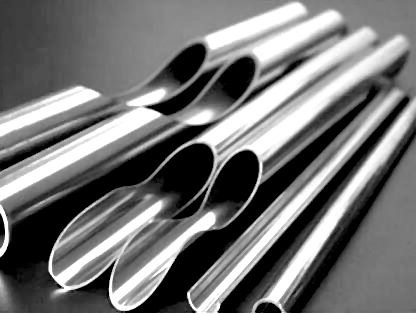
| Details | |
| Specification | 0.5mm to 3mm |
| Materials | Small-diameter stainless steel tubes, aluminum tubes, iron tubes, copper tubes, titanium tubes, and other metal capillary tubes |
| Processing Techniques | Including necking, flaring, heat treatment, surface treatment, bending, welding, multi-stage forming, and special process combinations |
| Application Areas | Endoscopes, minimally invasive surgical forceps, scalpels, surgical catheters, surgical syringes, and surgical aspirators |
| Compliance Standards | Compliant with relevant medical device standards, such as ISO 13485 Medical Device Quality Management System requirements |
| Product Standards | Must comply with industry standards for medical devices to ensure product quality and safety |
| Packaging Standards | Utilizes sterile, environmentally friendly, and shock-resistant packaging that meets medical device packaging requirements |
| Transport Methods | Supports express delivery, air transport, and sea transport to comply with international shipping standards |
| Quality Control Procedures | Covering every aspect from raw material procurement to product manufacturing |
| Quality Inspection Equipment | Includes dimensional measurement instruments, X-ray inspection equipment, temperature control devices, etc. |
Sampling Structure Components
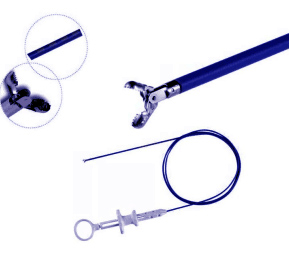
| Details | |
| Specification | 0.5mm to 3mm |
| Materials | High-quality stainless steel or biocompatible materials |
| Processing Techniques | CNC machining, such as CNC milling and CNC machining |
| Application Areas | Endoscopes, minimally invasive sampling devices, etc. |
| Compliance Standards | Compliant with relevant standards and regulations in the medical device industry |
| Product Standards | Meets requirements for machining precision and assembly accuracy |
| Packaging Standards | Shock-resistant packaging |
| Transport Methods | Uses dry and shock-resistant transport methods to avoid deformation or damage during transit |
| Quality Control Procedures | Rigorous quality control procedures, including raw material inspection, process control, and finished product testing |
| Quality Inspection Equipment | Coordinate measuring machines (CMM), hardness testers, microscopes, etc. |
Flexible Fine Metal Tubing
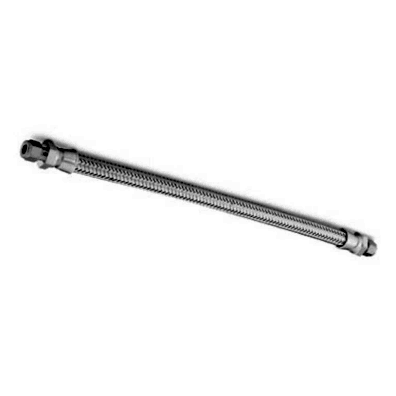
| Details | |
| Specification | 0.5mm to 3mm |
| Materials | Common materials include stainless steel, titanium alloys, nickel-titanium alloys, etc., with specific selection depending on application environment and requirements |
| Processing Techniques | Stretching, rolling, welding, bending, and other processes with high-precision processing requirements |
| Application Areas | Mainly used in minimally invasive surgical instruments, such as endoscopes and minimally invasive surgical forceps |
| Compliance Standards | Compliant with relevant medical device standards, such as ISO 13485 Medical Device Quality Management System requirements |
| Product Standards | Must comply with industry standards for medical devices to ensure product quality and safety |
| Packaging Standards | Typically uses sterile packaging to ensure hygiene and safety before use |
| Transport Methods | Uses dry and shock-resistant transport methods to avoid deformation or damage during transit |
| Quality Control Procedures | Covering raw material inspection, process control, surface quality inspection, and finished product inspection |
| Quality Inspection Equipment | Metallographic microscope, coordinate measuring machine (CMM), tensile testing machine, hardness tester |
Multi-Position Tube
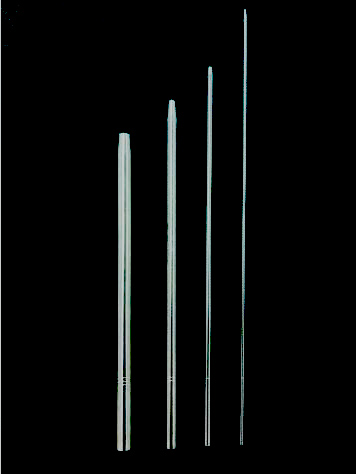
| Details | |
| Specification | 1mm to 5mm |
| Materials | High-strength stainless steel or titanium alloys |
| Processing Techniques | CNC precision machining, with internal and external surface polishing |
| Application Areas | Minimally invasive surgical instruments, endoscope systems, etc. |
| Compliance Standards | Compliant with ISO 13485 Medical Device Quality Management System |
| Product Standards | Meets industry standards for minimally invasive surgical instruments |
| Packaging Standards | Uses dust-free workshop packaging to comply with medical device packaging requirements |
| Transport Methods | Air or sea transport, complying with international shipping requirements |
| Quality Control Procedures | Implements strict quality control procedures, including raw material inspection, process control, and finished product inspection |
| Quality Inspection Equipment | Coordinate measuring machines (CMM), microhardness tester, microscope, etc. |
Choose Ancastings Precision as your Partner
When choosing Ancastings Precision to customize minimally invasive surgical instrument parts, you can rely on its rich professional experience, the use of high-quality materials and CNC machining technology, as well as strict quality control processes to ensure that the produced parts meet the industry standards of medical devices and your personalized requirements. Ancastings Precision’s meticulous service and professional engineering team can also ensure full communication with customers, making the process of customizing minimally invasive surgical instrument parts smooth, and efficient, and ultimately meeting customer expectations. Feel free to obtain an instant quotation at any time so that you can promptly understand the cost of the customized service.
Other Articles You May Be Interested in:
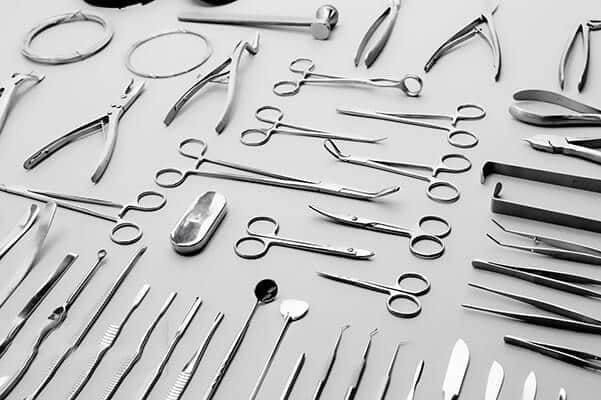
Surgical Instruments in the Medical Industry
Surgical instruments play a pivotal role in the medical industry, serving as indispensable tools for surgical procedures. This article delves into the various aspects of surgical instruments, including their applications,…