
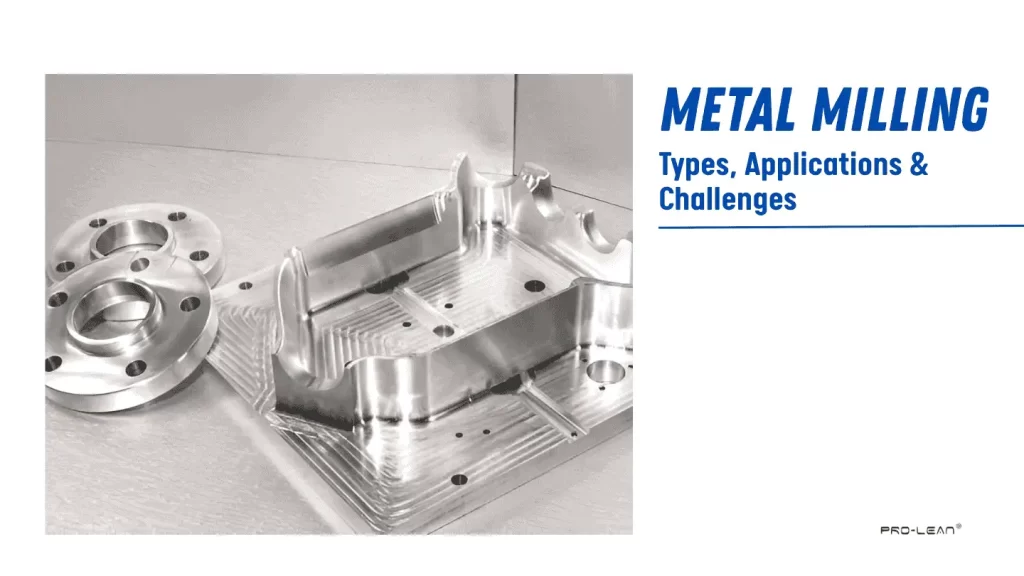
Metal CNC milling shapes raw metals into accurate and detailed parts. However, a significant challenge is working with more complex and rigid alloys. It often causes tools to wear quickly and slow down production.
Manual lathes and traditional milling machines can cut rigid materials. However, they are slower and less efficient. Metal CNC Milling is the most reliable solution for manufacturers who encounter issues with rigid alloys and tool breakage. At Ancastings, we carefully plan every project from the design phase to the finished product. Our ISO-certified CNC metal milling services provide cost efficiency, precision, and quick delivery for both prototypes and production runs.
Read on to explore milling metal techniques, benefits, applications, challenges encountered, and their solutions.
Effective Metal Milling Technique for Custom Parts
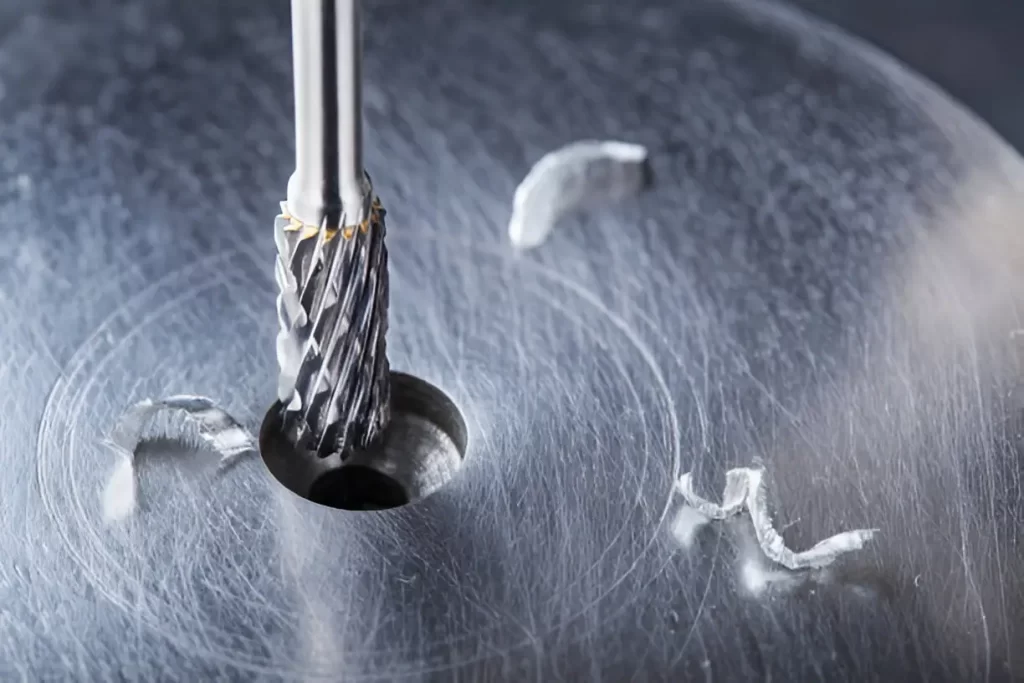
Hole Milling
Metal parts often require precise shapes, and cutting hard alloys can be hard on tools. In production settings, it usually leads to slow production and adds extra cost. Traditional techniques can have difficulty in making complex components efficiently.
The solution to this is applying the proper milling process to each task. Manual and automatic milling are excellent for small batches, prototypes or custom parts. CNC milling is for larger output, and it creates identical parts with precision in a short period of time.
Metal milling removes material from metal blocks using a high-speed spindle and a cutting tool. The process works on multiple axes, making detailed and complex shapes possible. The choice of correct cutters, the choice of speed, the division of the process into stages, roughing, finishing, and precision milling, ensures accuracy.
With professional CNC services, you just give the specifications and the type of material. Skilled operators choose and set the machine parameters and consistently manage the process to provide high-quality and accurate parts.
Types of Custom Metal Milling In Machining
Metal milling is divided based on the tool movement and the way it cuts the material. Knowledge of these types helps select the proper method for each part.
Milling by Cutter Movement
Climb Milling
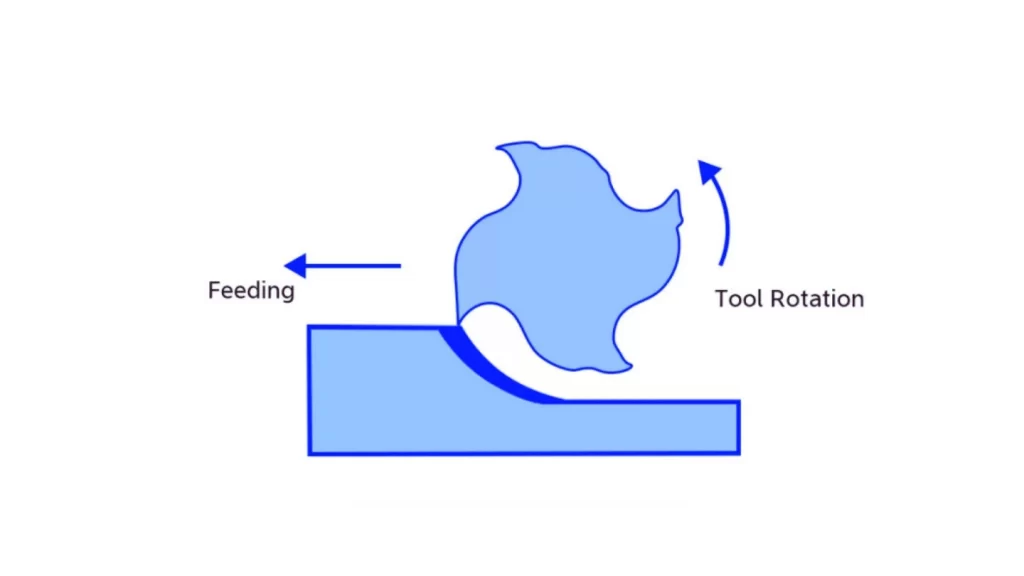
- Up-Cut Milling: Here, the cutter spins in the opposite direction from its travel. This method is suitable for moving a lot of material in a short amount of time. It grades more vibration, but leaves a rougher surface, making it ideal for the initial machining stages.
- Climb Milling: A cutter turns in the same direction as it travels. It produces a smoother and more accurate finish, perfect for detailed work. It causes minimal vibrations and requires a backlash machine.
Milling by Tool Design
Cylindrical Milling Cutter
- Plain Milling: In plain milling, the metal is removed as the tool’s front edges and sometimes its sides pass over the workpiece. This method is usually used to machine flat surfaces.
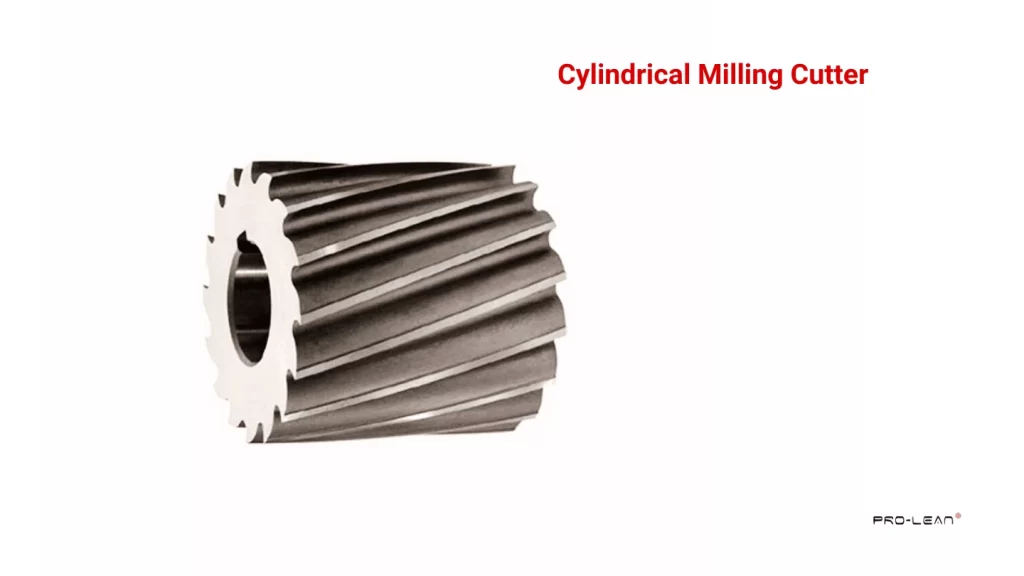
- Cylindrical Milling: The cylindrical cutter side only contacts the material. It is suitable for shaping grooves or working curved areas of a part. (Also Read: side milling)
- Miter Milling: Special angled cutters are used with the tool to cut at angles of 0 to 90 degrees. This technique is suitable for a sloped and angular surface.
Try Ancastings Now!
Key Technical Parameters in Metal Milling
In metalworking milling, the precise control of parameters determines the accuracy, tool life, and surface quality. Careful adjustment is required for each type of metal and milling stage.
Milling Depth
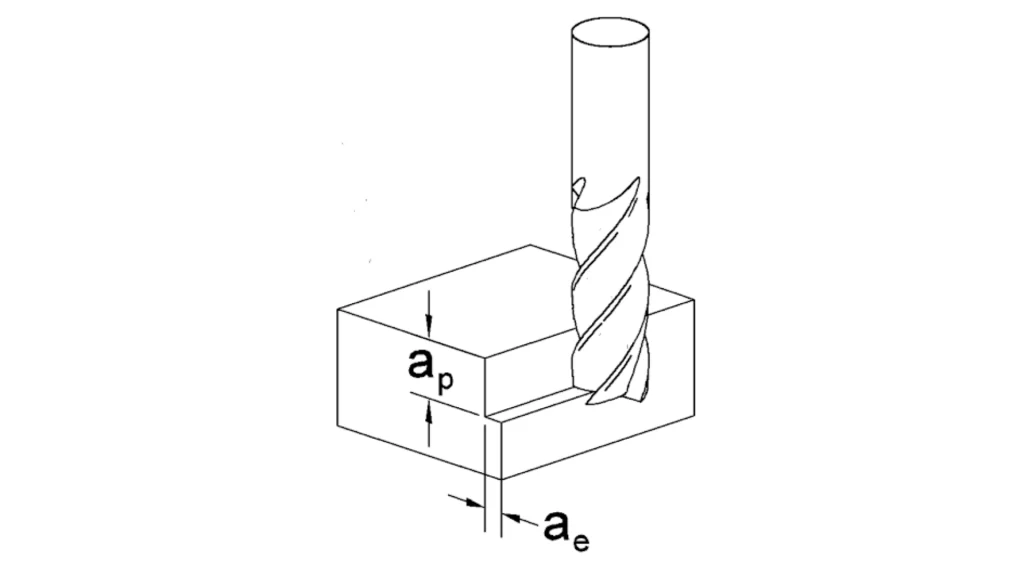
Cutting Depth of CNC Milling
This is the amount of material the cutter removes on each pass. Too deep a cut can overload the tool and distort the part. Shallow cuts are less stressful but take longer. Depth should equal the metal’s hardness and the cutter’s strength.
Milling Width
Width is the content area between the cutter and the material. A wide cut disperses the weight but may cause more vibrations. Narrow cuts are safer, but slower to produce. It requires a proper overlap for even surfaces with no chatter.
Spindle Speed
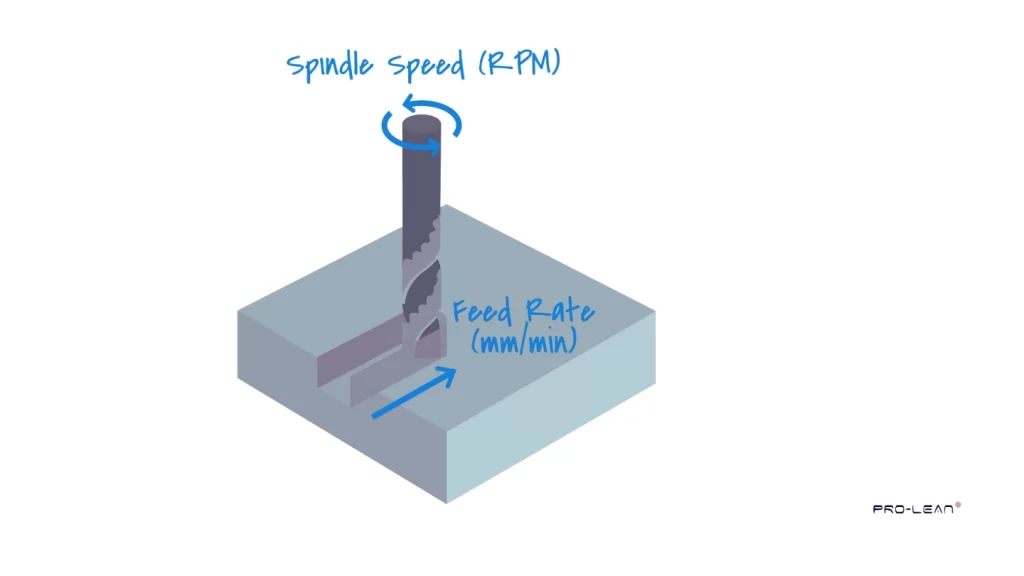
Milling Spindle Speed
The spindle speed of the cutter directly impacts heat, wear, and surface finish. For example, hard metals need slower speeds as high speeds can damage the tool. For softer metals, faster spindle speeds are optimal for parts production.
Feed Rate
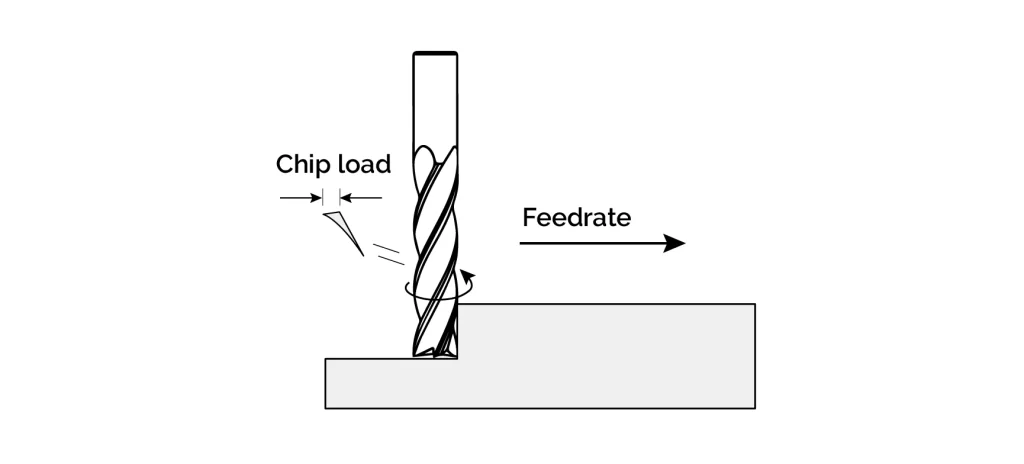
An Infographic of CNC Milling Feedrate
Feed rate is the tool speed or table movement over the material. Too fast can ruin surface quality or break the cutter. Too slow leads to wasting time. So, it must keep the feed rate balanced with the cutting force.
Stage-Specific Settings
Roughing uses deep, fast cuts and makes material removal quick. Shallow cuts and slower feed are needed to finish precise surfaces. Each stage must be carefully planned to avoid errors and improve the part’s quality.
Traditional Vs CNC Metal Milling: How Are They Different?
Traditional milling machines are guided by operators. They move the spindle and control the cutting tool movement. The downside is that it takes more time, constantly requires attention, and can be less consistent across multiple parts.
On the other hand, CNC milling requires minimal operator assistance. A computer program guides the spindle so every part is cut identically. This consistency allows more parts to be produced quickly and limits human error risk.
Table: CNC Milling Vs Traditional Milling
| Factor | CNC Milling | Traditional Milling |
| Accuracy | High precision and computer-controlled | Relies on operator skill. So, it’s often less precise |
| Designs | Can make complex and detailed parts | Best for simple shapes |
| Speed | Fast and consistently shape products | Slower and less consistent |
| Materials | Works with many metals and plastics | Mostly softer materials |
| Milling Types | face milling, side milling, thread milling, and profile milling. | Slab milling, Slotting, Grooving |
| Cost | Higher setup cost, better for large runs | Lower setup cost, suitable for small jobs |
Applications of Metal Milling In Custom Products
Metal milling has many uses, from creating detailed parts for machinery to creating custom components. Some common examples include:
- Forming complex parts for aerospace and aviation systems
- Holes/contours for auto fuel injection and engine parts
- Cutting gears, levers, and couplings to tight tolerances
- Manufacturing dies, moulds, and prototypes.
Different Types of Metal Milling Machines & Their Uses
The cutting spindle’s orientation primarily categorises different types of milling machine for metal. Both types can be used for various metal milling needs, depending on the part requirements.
Horizontal Milling Machine
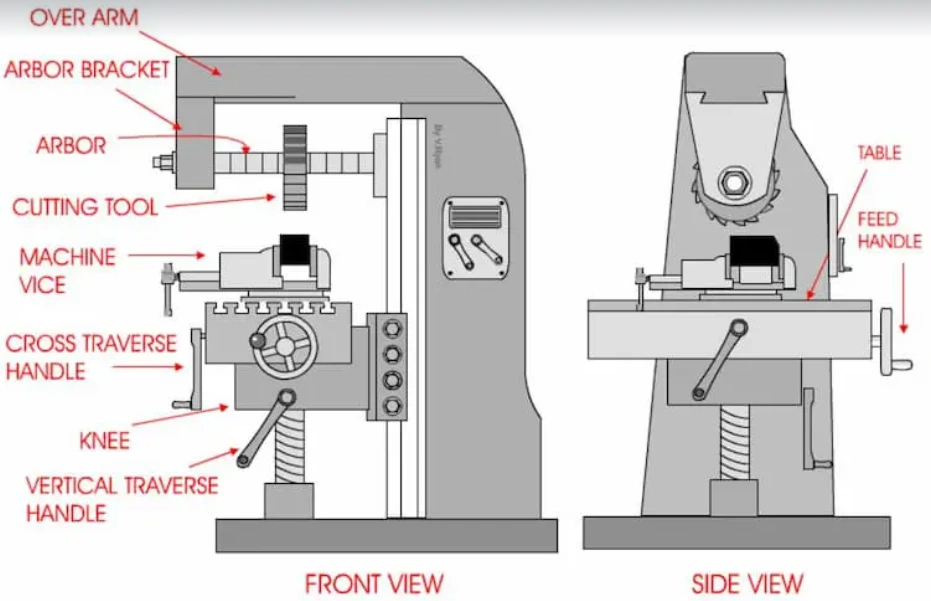
Horizontal milling machine
In horizontal mills, the cutter is mounted on a horizontal extending arbour. End mills and slab mills are generally used to cut the sides and bottom of the material. This set-up is ideal for heavy cuts and long flat surfaces.
Vertical Milling Machines
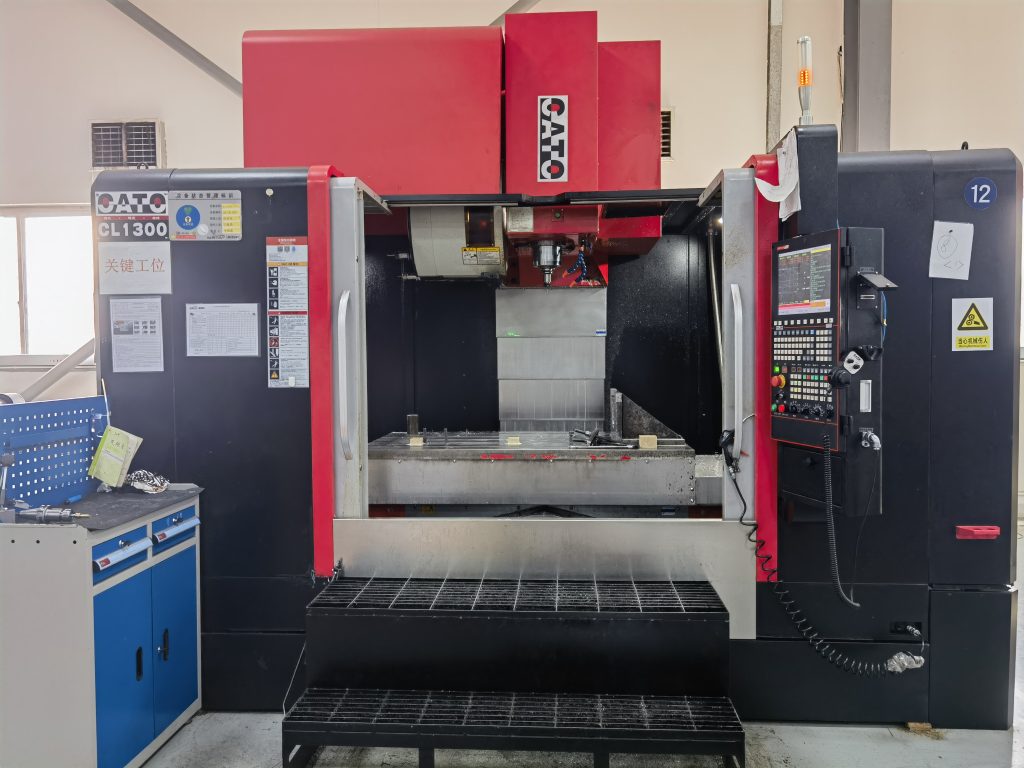
Vertical Milling Center
Vertical mills hold the cutter in a downward-pointing spinner. Endmills and slot drills are most common here. This design is ideal for precise cutting, shaping pockets, and smaller, more detailed parts.
The shape and complexity of the design determine whether to select horizontal or vertical. Multi-axis CNC mills integrate software control with the machine to obtain tighter tolerances, speed up production, and provide flexibility for complex designs.
Try Ancastings Now!
Common Metals Used in Metal Milling
Below are the most commonly used materials for making precise parts.
Aluminium Milling
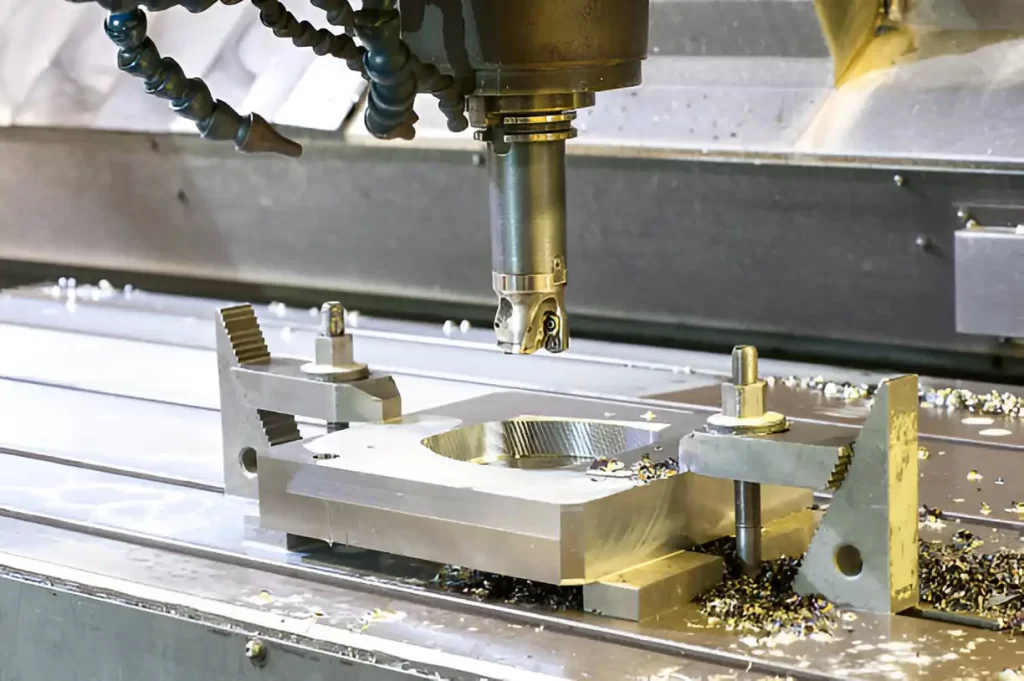
Aluminum CNC Milling
Aluminium is recyclable, easier to cut into shapes, and hence good at milling. It is light, low-density, and treated against corrosion. These characteristics allow it to be machined quickly without cutting tools.
Steel For Machining
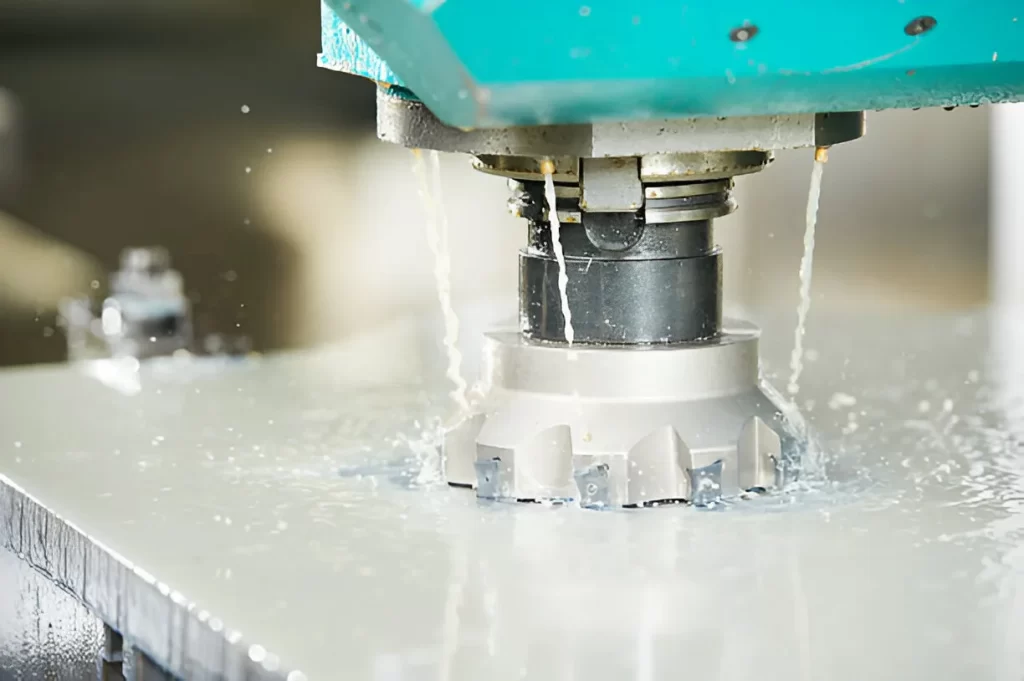
Steel CNC Milling
Milled Steel is tough to mill since carbon and milling stainless steel require slow cutting rates and sharpening of cutting instruments to maintain cutting accuracy.
Brass Milling
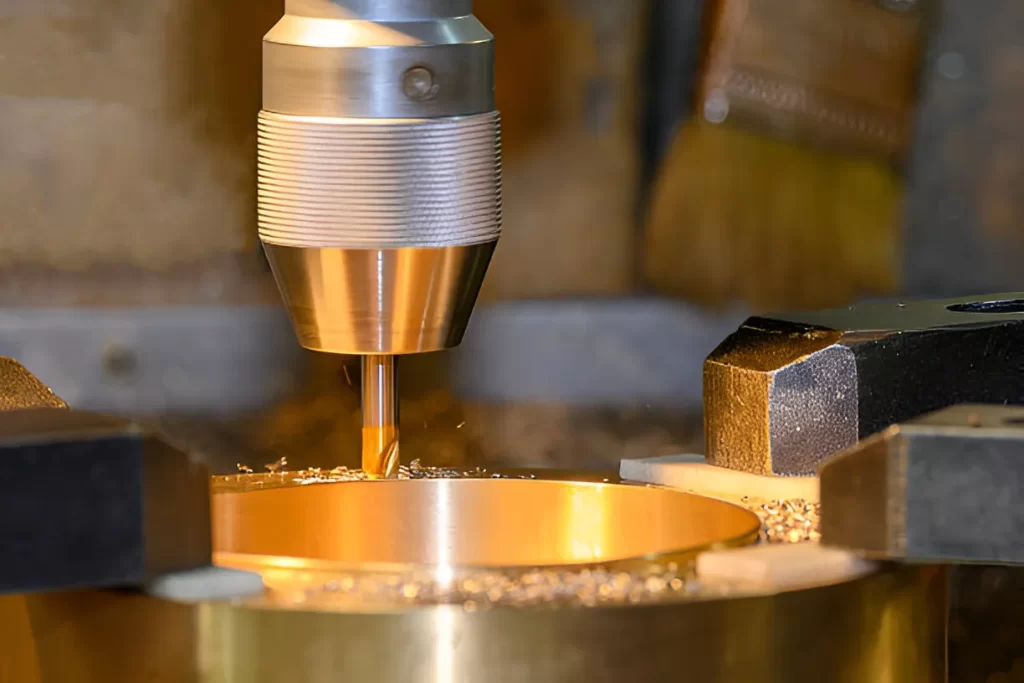
Brass CNC Milling
Brass is easy to machine and provides clean products. It is also right for parts requiring close tolerances and uniform finishes.
Copper Milling
Copper CNC Milling
Copper is soft and sticky. Therefore, milling must be performed with controlled feed and sharp cutters. It is mainly applied to electrical parts and conductive parts.
Titanium Milling
cnc milling titanium
Titanium is strong, lightweight, and corrosion-resistant. However, its low thermal conductivity and toughness make it difficult to mill. It needs lower speed, proper cooling, and special cutters to suit aerospace and medical parts.
Read more:Plastic milling
Common Challenges & How Ancastings Solves Them
There are technical challenges associated with milling various metals. All materials respond to cutting forces, heat, and tool contact differently, and it is necessary to know the properties of each material.
Tool Wear
- Challenge: Hard metals such as stainless steel and titanium wear out cutters very quickly. Titanium generates high heat during cutting, placing more stress on the tool.
- Solution: Coated tools (TiAlN, for example) can increase tool life, but care still has to be taken regarding cutting speed and feed to prevent rapid tool degradation.
Vibrations and Chatter
Tool Chatter in the Milling Process
- Challenge: Stiff metals such as hardened steel can transmit vibrations when milling. These degrade the quality of surface finish and retard production.
- Solutions include: changing spindle speed, higher torque settings, and vibration-damped tool holders.
Heat Generation and Work Hardening
- Challenge: Titanium and nickel alloys are hard to cut due to their low thermal conductivity. The metal becomes hardened, and further cuts are more intricate.
- Solution: The process is stabilised by using coolant and a low cutting speed, making it smooth.
Chip Formation
Infographic of Chip Formation
- Challenge: A variety of metals form various chips. Long continuous chips made of aluminium may interfere with the cutting process. Metals such as cast iron are brittle and flake into tiny pieces.
- Solution: Chip breakers and the right flow of the coolant aid in removing chips and lower the amount of wear on the tools.
Surface Quality
- Challenge: Metals, including copper and magnesium, are easily oxidised or damaged on the surface during milling.
- Solution: Lubricants or protective coatings help ensure the surface is smooth and does not develop corrosion.
Cutting Rigid Alloys
- Challenge: Since the structure of special alloys can be complex, they may be difficult to predict in aerospace or medical parts.
- Solution: These metals require specialised equipment, planning, and accurate settings to ensure accurate results are obtained by milling.
Factors That Influence Metal Milling Costs
Milling cost varies based on the material to be used. Bizarre or brutal metals are more time-consuming to machine. So, the tools often get damaged easily. They are more costly because the intricate components require additional machining processes and setup. Equipment increases costs, and advanced machines and special tools are needed.
The expenses can be managed by appropriately selecting the material, keeping the design minimalistic, and utilising effective milling techniques. The wear, poor quality, and time wasting are avoided by a wise use of tools and a calculated cutting path.
Effective Strategies to Reduce Milling Costs
Ancastings helps you choose appropriate materials and employ standard tools that cut down on wear and reduce machining time.
Ancastings’ engineers evaluate your design and provide suggestions to simplify it. So, you can eliminate non-essential features and keep the design efficient. We also help you with a prototype for testing and validating the design before commencing large production runs. This way, you can avoid additional expenses.
In addition, our advanced milling methods and adaptive tools improve productivity. The optimization of toolpaths and the use of multi-stage machining strategies allow us to save time and cost and deliver products on time.
Ancastings: Get Full Support and Benefits for Any Batch Size
At Ancastings, we provide CNC metal milling services and turning with the precision and care your project requires. We also offer additional services under one roof, including surface finishing, anodizing, laser marking, and assembly.
Our workshop follows ISO-certified rules and advanced machines and tools capable of working with various metals, from aluminium to high-strength steel and specialty alloys. This allows us to handle both simple components and complex, custom parts efficiently.
With decades of hands-on experience in CNC machining, our team can guide you through every production stage. We offer advice, consultations, and quotes to ensure your parts are accurate, reliable, and timely.
Send your design, and our team will provide a detailed metal milling estimate, including pricing, production time, and finish choices. Get a quote today!