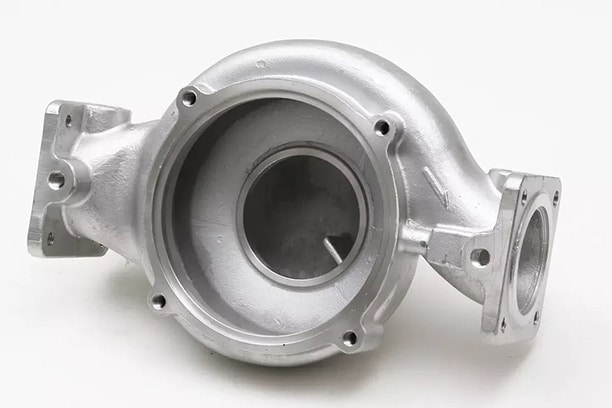
When it comes to manufacturing metal parts, product designers may have a range of fabrication methods to choose from. Two commonly used options are casting and CNC machining. But to determine the best one for your specific application? What factors should you focus on when making an informed decision?
This article offers an overview of two metal manufacturing methods: CNC machining and metal casting. It discusses the strengths and drawbacks of each method, provides guidance on choosing the right one based on key factors, and summarizes the differences between the two methods.
What is Casting?
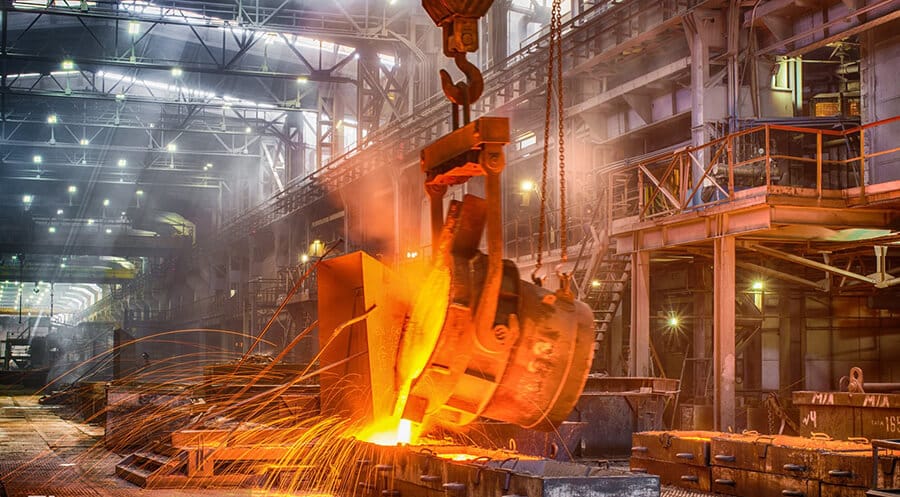
Casting is a manufacturing process that involves using molds to create parts. There are various types of casting methods available, and they can be used with different materials. However, this article specifically focuses on metal casting and does not cover other materials like epoxy that may be used in multi-component casting.
In metal casting, the process involves pouring or injecting molten metal into a pre-made mold, which is sometimes called a die. If intricate internal geometries or cavities are required, cores or inserts are used. Once the part cools and solidifies, it undergoes cleaning and processing to achieve the desired surface finish. In certain cases, additional CNC machining may be performed as a secondary operation to further refine the cast metal component and achieve tighter tolerances.
There are numerous metal casting techniques available, which are chosen based on factors such as the selected material, the size and shape of the casting, and other specific properties. Some popular casting methods include die casting, sand casting, pressure casting, and investment casting.
A wide range of parts can be produced through casting, such as turbine blades, train wheels, bus pedals, and engine blocks. Cast parts are utilized in various industries, including aerospace, automotive, consumer products, and medical devices.
Pros and Cons of Casting
Advantages
- Casting offers a wide range of design possibilities, allowing for the creation of complex and unique shapes, including intricate internal cavities.
- For large production runs, casting can be cost-effective compared to machining. Moreover, casting is faster in terms of production time.
- Using reusable molds in casting ensures a high level of repeatability, as identical copies of parts can be created consistently.
- Casting is highly efficient in terms of metal usage. Nearly all the metal used in the process becomes a part of the final product. Any excess metal from the pouring process or rejected parts can be easily melted down and recycled.
Disadvantages
- Techniques such as die casting and precision investment casting offer high accuracy, but when it comes to precision and achieving tight tolerances, CNC machining is generally the superior choice.
- In terms of smaller production runs, the cost per part is typically higher for casting compared to machining.
- Producing cast parts often takes more time due to the requirement of designing and procuring molds.
- Compared to CNC machining, casting has limitations in terms of the selection of metal materials available.
- Cast parts often require additional post-processing steps, such as removing excess cast material or using sandblasting to eliminate burrs.
What is CNC Machining?
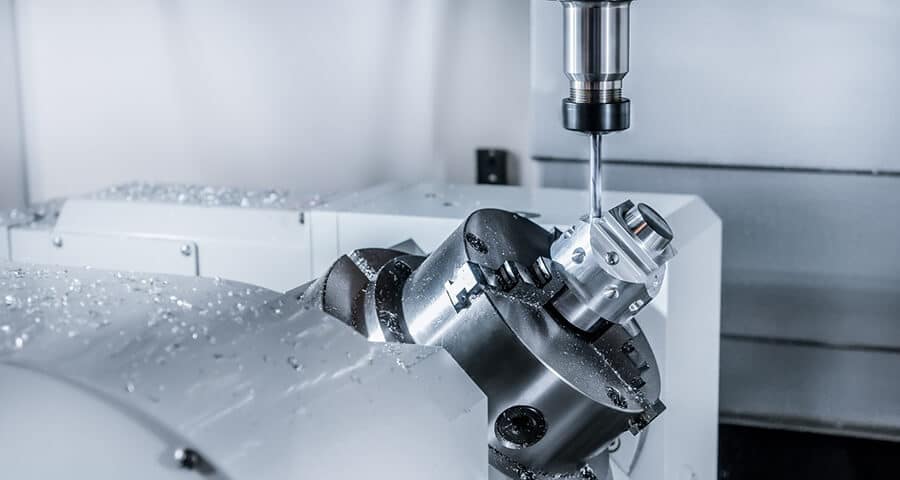
CNC machining is a manufacturing method that involves using a cutting tool to remove material and achieve the desired shape. To control the machining process, a computer program, often utilizing G-code instructions, is used to guide CNC machines such as mills, lathes, and other equipment. CNC machining covers various types of machining, including milling, turning, drilling, and boring, depending on the specific requirements.
CNC machined parts have widespread applications across different industries. They are crucial in the creation of metal laptop enclosures, small components found in mobile phones, and essential elements used in aerospace and automotive parts. Additionally, CNC machining plays a crucial role in producing fixtures, jigs, and even casting molds.
Pros and Cons of CNC Machining
Advantages
- CNC machining is capable of producing highly precise parts that meet strict quality requirements with accurate dimensions and smooth surfaces.
- When machining unique or small quantities of parts, it’s generally faster than the casting process.
- For small production runs and prototyping, CNC machining usually costs less per part.
- CNC machining is compatible with a wide range of metals, making it a versatile process.
Disadvantages
- CNC machining is not well-suited for creating internal cavities in parts whereas it’s more suitable for shaping external geometries.
- It’s cost-consuming for large batch production but the cost per part remains relatively consistent regardless of batch size in casting.
- Certain parts with complex designs or specific materials may require a significantly longer time to machine. As such, CNC machining is not cost-effective for large volumes.
- CNC machining can generate more metal waste compared to casting, and the recycling process can be more labor-intensive. Oftentimes, the waste needs to be transported off-site for proper recycling.
Casting vs. CNC Machining: How to Choose the Right Method?
The specific requirements of a part, such as its shape, size, and geometry, influence the choice of manufacturing process. CNC machining and casting have their own strengths for different geometries, so how do we decide which one to use? There are several factors to consider when determining the appropriate manufacturing method for a given part:
Based On Volume and Lead time
In certain situations, the choice of manufacturing process may be clear. If you require a large quantity of parts, in the tens of thousands or more, casting methods are generally more cost-effective. Although creating the initial mold takes time, each cast part can be produced quickly and at a relatively low additional cost.
On the other hand, CNC machining allows for faster and more economical production of the first few parts, but the cost-efficiency diminishes as the production volume increases beyond a certain point.
Therefore, the primary consideration when selecting a manufacturing method is the desired volume of production. If you need a few dozen parts for prototyping or a few hundred to a few thousand parts for low-volume production, CNC machining should be considered. For quantities of 10,000 or more, sand or die casting would be more suitable. However, for production volumes falling between these extremes, various factors come into play to influence the best choice of manufacturing method.
Switching from machining to casting can help save time and reduce waste. However, there are some disadvantages to casting, which include:
- Flash: After casting, there may be excess material (called flash) that needs to be removed.
- Porosity: Thick parts can sometimes have small air pockets (porosity) that might be revealed during post-machining.
- Flow lines and brittleness: The flow of molten material during casting can result in visible lines on the surface, and the end of the fill can have colder areas that may be more prone to being brittle.
In certain cases, even if 10,000 pieces are cast, some parts may still require additional machining due to specific requirements. This can increase the overall cost of the part, but sometimes performance needs are given more importance than cost considerations.
CNC machining offers a significant advantage when time is a crucial factor. Within hours of creating a CAD model, machined parts can be produced. On the other hand, casting requires more time as it involves creating a die and setting up the casting process. Even if the final production will be done through casting, machining provides a quicker option. It allows for modeling, machining, and testing of parts at a much lower cost compared to casting a few prototypes.
By using machining, parts can be easily redesigned and fine-tuned based on testing results. This can be done multiple times if needed, without incurring the higher cost and longer delay associated with producing a die and the necessary fixtures. The production volume of prototypes can vary, ranging from a single part for lab-bench testing to a larger number for beta testing or test marketing purposes.
Based On Part Geometry
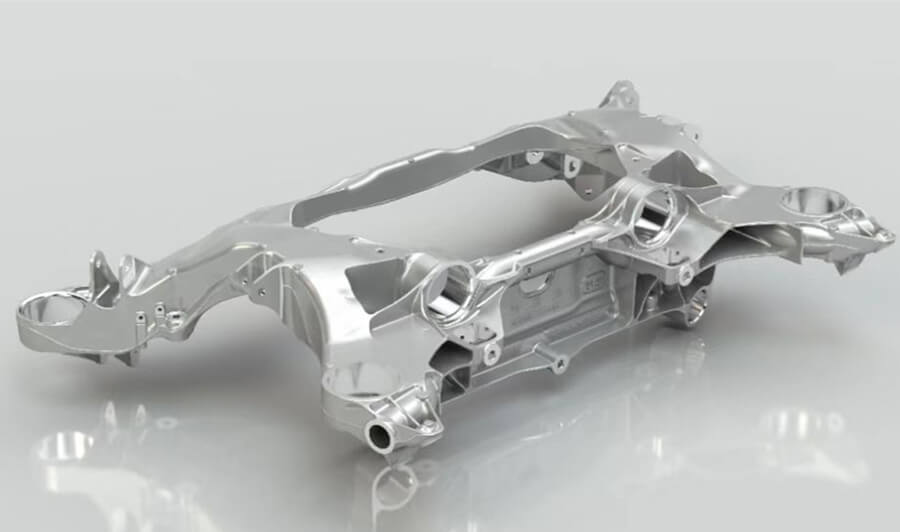
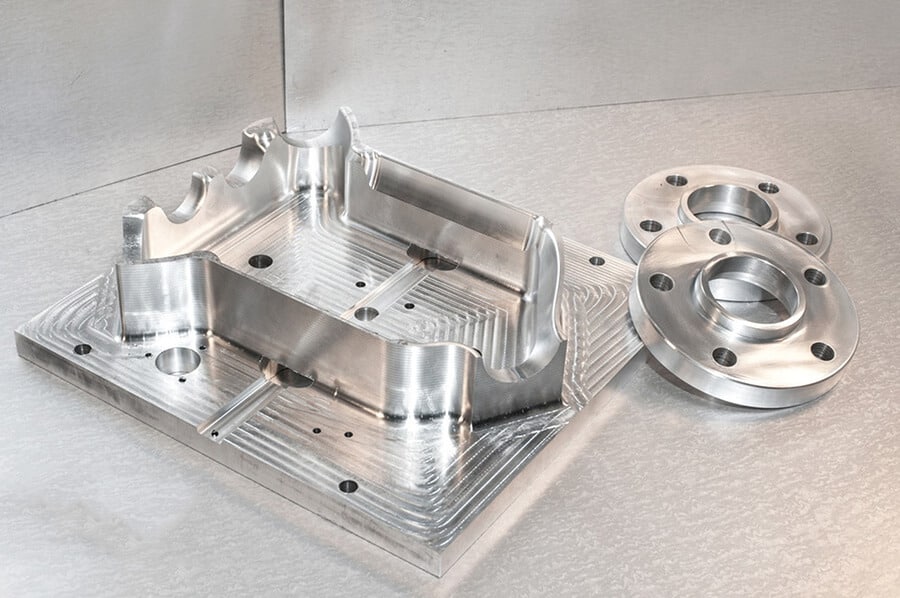
When choosing the appropriate manufacturing technique, it’s crucial to consider the geometry of the part. For instance, designs that require significant material removal can be time-consuming and generate excessive waste. In such cases, casting is often a suitable option. This is particularly true for hollow parts with thin walls and large internal spaces, as well as complex geometries that would take a long time to machine.
Internal cavities, especially sealed ones that require additional assembly or metal joining processes, are typically more challenging to create through CNC machining. Conversely, casting allows for simplified designs and eliminates the need for assembling multiple small parts. Instead, the entire part can be cast as a single piece.
However, there are some features that are challenging to create using casting. For example, undercuts or internal shapes require complicated molds with extra components like cores and inserts. Sharp edges or corners are not well-suited for casting, and cast parts need to have a slant on all surfaces. Additionally, large or irregularly shaped parts with thick walls are better produced using CNC machining because these shapes are hard to fill and cool evenly during the casting process.
Based On the Right Tool
In metal casting, several methods are available for producing end-use parts, such as die casting and sand casting:
- Die casting is a process that resembles plastic injection molding. It involves injecting molten metals such as aluminum, copper, zinc, or their alloys into a steel mold, and then letting it cool and solidify. Sometimes, additional machining may be necessary to add threads, improve sealing surfaces, or refine specific details. Machining, as a finishing step, provides the flexibility to create multiple variations from a single cast part.
- Sand casting, compared to die casting, is a less refined process. The surface finishes of sand castings are rougher and there may be slight differences between the halves of the mold and the inserts used, which may require additional finishing. Sand casting is commonly used for parts that do not require a smooth and polished appearance, such as engine blocks for cars. In more complex applications, like creating channels for engine coolant around cylinders, additional machining may be needed to achieve the desired final shape. Some design features specific to sand casting cannot be replicated through die casting or CNC machining.
CNC machining is commonly used for producing smaller quantities of parts, ranging from a few dozen to a few thousand. It is a fast and efficient process that does not require the same preparatory tooling as casting methods. In addition to low-volume production, CNC machining can also be utilized for creating prototypes of parts that would eventually be die-cast or sand-cast, allowing for testing and refinement of the design. It can also be used for bridge tooling, which means using CNC machining to create production parts temporarily while the tooling for high-volume production is being developed.
Based On Materials
Casting produces less waste material compared to CNC machining. In the casting process, only the material required for the final part is used, with a small amount of extra metal flowing through channels like the gate, runner, and sprue. It’s simple to remove this excess material and melt it down for reuse in other parts.
However, casting provides fewer options for material selection compared to CNC machining. Almost all alloys can be CNC machined, but the range of metal alloys suitable for casting is more limited.
Based On Production Speed
The casting process typically takes a few weeks from start to finish. Once the mold is ready, the casting process itself is relatively quick, making it suitable for producing large quantities of parts. However, there is some lead time required for mold design and machining. The mold also needs to undergo quality checks and maintenance, although certain casting methods use disposable molds. On the other hand, die casting uses a permanent mold, resulting in reduced time and cost per part as the volume of the part increases.
CNC machining, on the other hand, provides a faster production speed, allowing for a quicker turnaround for low volumes of parts. There is no need to wait for the mold to be manufactured since you only need the CAD model, CAM program, a CNC machine, and expertise to start producing parts.
Based On Repeatability and Precision
Repeatability plays a vital role in manufacturing, and the casting process excels in producing consistent parts. Once the mold and process are finely tuned, every part can be manufactured to be exactly the same. When die casting aluminum, tolerances can be maintained within a range of +/- 0.25mm (up to 25.4mm), and for precision casting, it can be as tight as 0.01″ (up to 1″) for standard casting and 0.002″ per 1″ for more precise casting.
These tolerances may vary depending on the material used. For example, aluminum has a higher melting point compared to zinc, resulting in the need for higher injection pressure and a more aggressive process. As a result, cast aluminum parts may have lower tolerances compared to machined aluminum. However, casting zinc allows for tighter tolerances to be achieved. You can refer to our post to learn more about the difference between cast aluminum and machined aluminum.
CNC machining of metal is also a highly repeatable and accurate process, capable of achieving much tighter tolerances compared to casting. For standard metal machining, a reasonable expectation is a tolerance of 0.025mm (0.001″). Precision machining can even produce parts with tolerances as tight as +/- 0.0002″ through specific processes at Ancastings Precision.
Based On Demand
The variability of demand is also a crucial consideration. If demand fluctuates or if you only need occasional production of additional parts, CNC machining is often the better choice. CNC machining allows for faster production and on-demand manufacturing, particularly with the advancements provided by digital transformation in the manufacturing industry. With CNC machining, you have the advantage of ordering parts as you need them, avoiding the risk of overproduction and excess inventory.
In contrast, if you anticipate high demand and are transitioning into production, casting becomes a good choice. Casting is well-suited for large quantities of parts and offers a faster overall production process.
If you are currently in the prototyping phase of your design process, casting is generally not recommended. This is because each time you make changes to your design, you will need to pay for costly mold re-creation or adjustments. This can significantly increase lead times and costs. In fact, a prototype die casting can be costly. While sand casting is typically cheaper, there isn’t much advantage in prototype manufacturing.
CNC machining, on the other hand, is a better choice for prototyping due to its flexibility in adapting to design changes. When your design is still evolving, all you need to do is modify the model and update the CAM program. There is no need to create a new mold or make modifications to an existing one. This saves time and resources in the prototyping process.
| Features | Casting | CNC Machining |
| Manufacturing process | A formative manufacturing process involves pouring molten material into a mold. | A subtractive manufacturing method involves removing material from a solid block or piece using cutting tools. |
| Complex shapes | Intricate internal and outer features | Parts with complex geometry and shape |
| Surface finish | Often require secondary processing | Smoother |
| Tolerance | Not as tight as CNC machining | Dimensionally accurate with smooth surfaces |
| Lead time | Time-consuming in small batches | Significantly faster for prototyping and low volumes |
| Cost | Low costs for large production runs | Cost savings for small batches and prototyping |
| Volume | Ideal for large-volume production | More cost-effective for small batch and prototype manufacturing |
| Material | Usually suited for alloys with lower melting points | Versatile for most metals |
| Customization | Limited | More flexible |
| Automation | Require manual labor | Automatic |
| Speed | Relatively slow | Faster |
| Versatility | Limited by the mold design | More versatile in terms of shapes, sizes, and complexities of parts |
Conclusion
So, when do you choose casting or CNC machining? The decision depends on several important factors: where you are in the development process, how many parts you need, how demand may vary, and the specific shape of the part.
Ultimately, the best manufacturing process depends on the specific situation. You may have a unique combination of requirements that calls for creative problem-solving to find the optimal solution.
As we discuss in this article, each manufacturing method has its own strengths and shortcomings. By considering factors like part shape, quantity needed, quality requirements, and project timeline, you can make an informed decision for your project. In fact, your project might even benefit from a combination of casting, CNC machining, and finishing techniques!
Work with Ancastings Precision for Your CNC Machining or Casting Project
If you have any uncertainties or difficulties in making a decision, we suggest contacting our team of skilled engineers at Ancastings Precision. We provide reliable and professional services for CNC machining, various casting processes like die casting, sand casting, and investment casting, as well as secondary processing options. Our goal is always to help you efficiently produce high-quality products at an affordable price.
Discuss your project with us, and we can offer effective guidance to help you make an informed decision or develop an integrated solution. Require an instant quote now to experience our custom manufacturing services that deliver parts faster, easier, and more efficiently.
Other Articles You May Be Interested in:
CNC Machining vs 3D Printing
An Overview of Vacuum Casting