
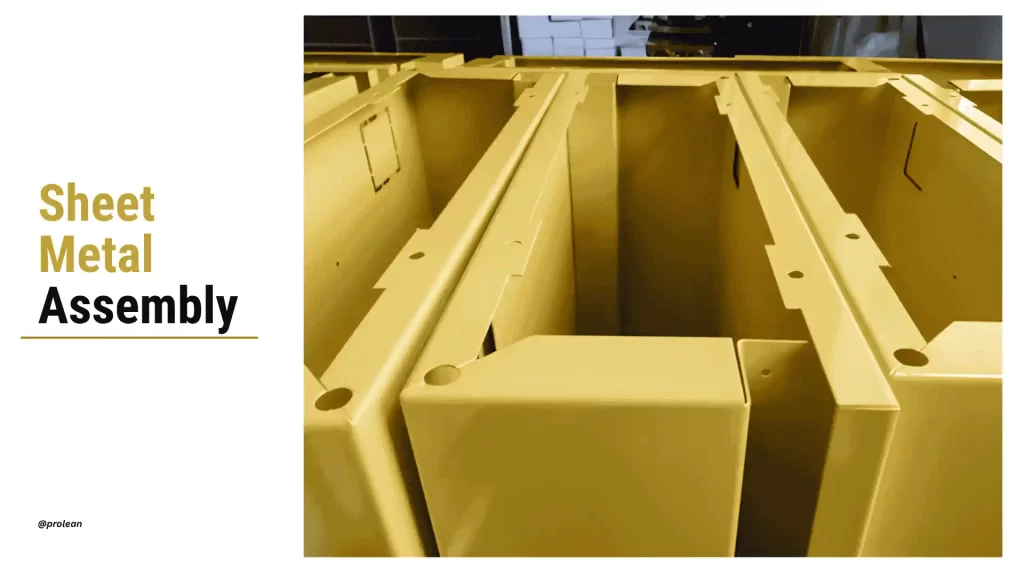
Sheet Metal Assembly
Sheet metal assembly is meant for the seamless integration of metal parts. It is not just about joining pieces, but about creating components that fit well and perform their job reliably. At Ancastings, we handle everything from small sub-assemblies to large frames.
Every project requires a different approach. Thus, not all fabricators can handle the challenges that come with it. With our hands-on experience, we efficiently manage these issues. Whether you are building custom parts, repairing equipment, or creating prototypes, our process helps save time, prevent mistakes, and deliver strong assemblies that last.
By focusing on design for assembly, careful welding, sheet metal riveting, and finishing, the Ancastings team joins metal parts together into assemblies that remain practical and durable. Therefore, contractors, engineers, and designers rely on us to turn separate pieces into ready-to-use solutions without extra cost and delays.
This guide examines 12 of the most common sheet metal assembly options and guides on selecting the right one.
12 Practical Techniques for Sheet Metal Assembly
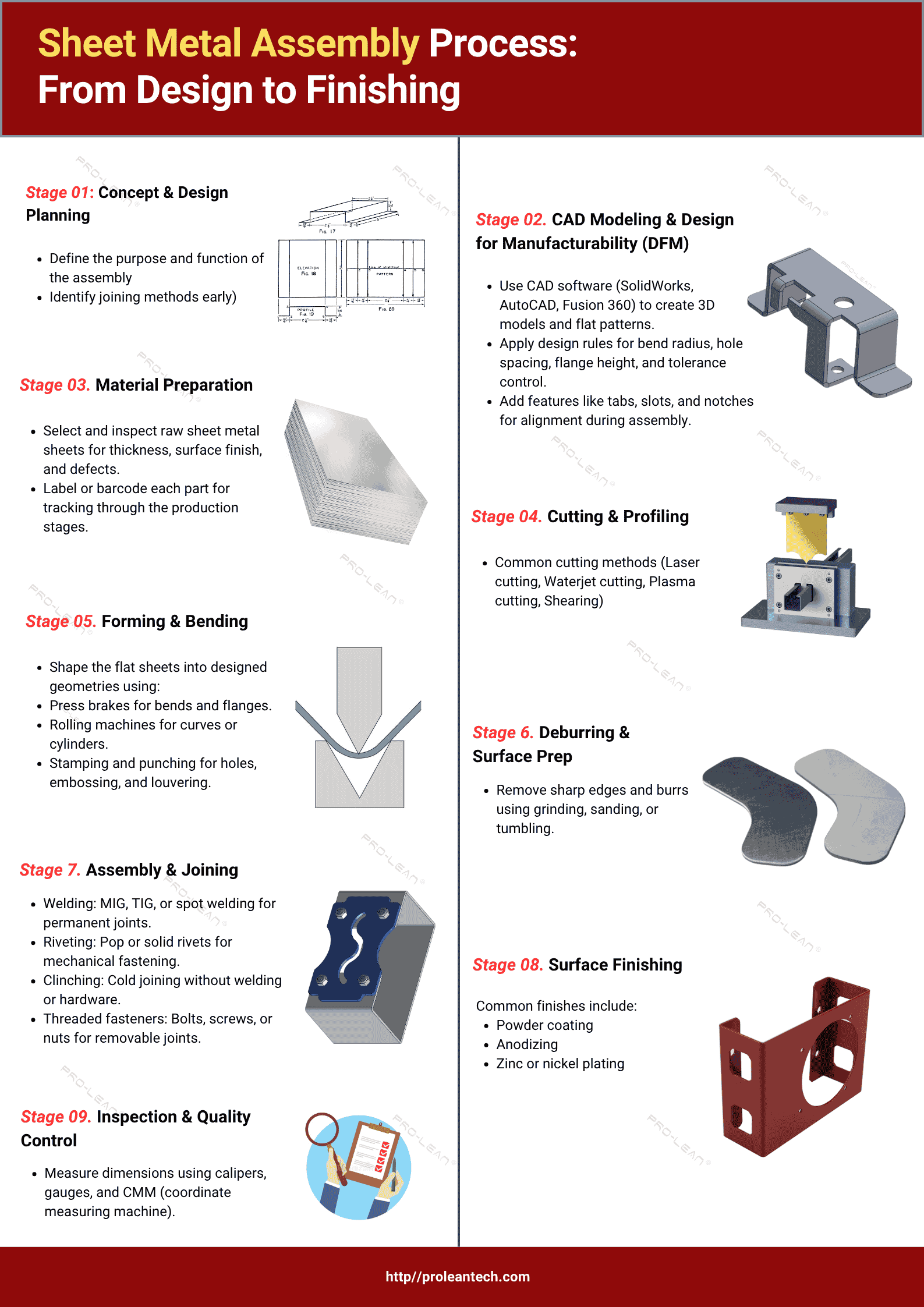
Sheet Metal Assembly Process
Let’s explore practical assembly sheet metal fabrication techniques for joining products, parts, or components.
1: Sheet Metal Fasteners
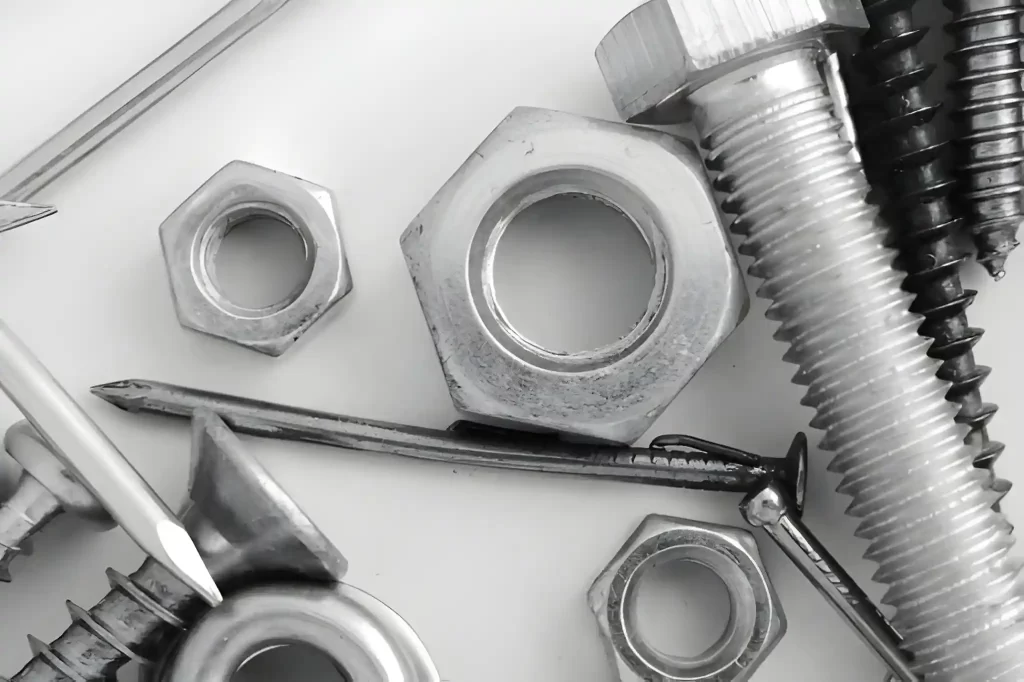
Nuts, Nails, Bolts & Screws
One of the easiest ways to connect sheet metal is through the use of fasteners (bolts and screws). Different types of bolts help secure the sheets together, as well as enable future adjustments to be made.
- When to Use: They are ideally useful for prototyping, temporary assemblies, or parts that may be replaced at some point in the future.
- Pros: The ability to take apart or replace individual parts without damaging the metal greatly assists in reducing waste and saving time. In addition to being capable of connecting large numbers of complex structures without the need for special equipment or machines, fasteners also have various characteristics that cater to specific needs.
Let’s take an example: square nuts provide an additional contact area to improve the stability of the joint; knurled nuts are easily accessible by hand and therefore ideal for manual connections; and barrel nuts offer a solution for tight spaces. There are also numerous screw types available for connecting sheet metal, such as fillister head screws commonly found in machine construction, framing screws typically used outdoors, and hammer-drive screws generally used for attaching nameplates or signage. (Also read: rivets vs bolts)
2: Sheet Metal Assembly Using Welding Processes
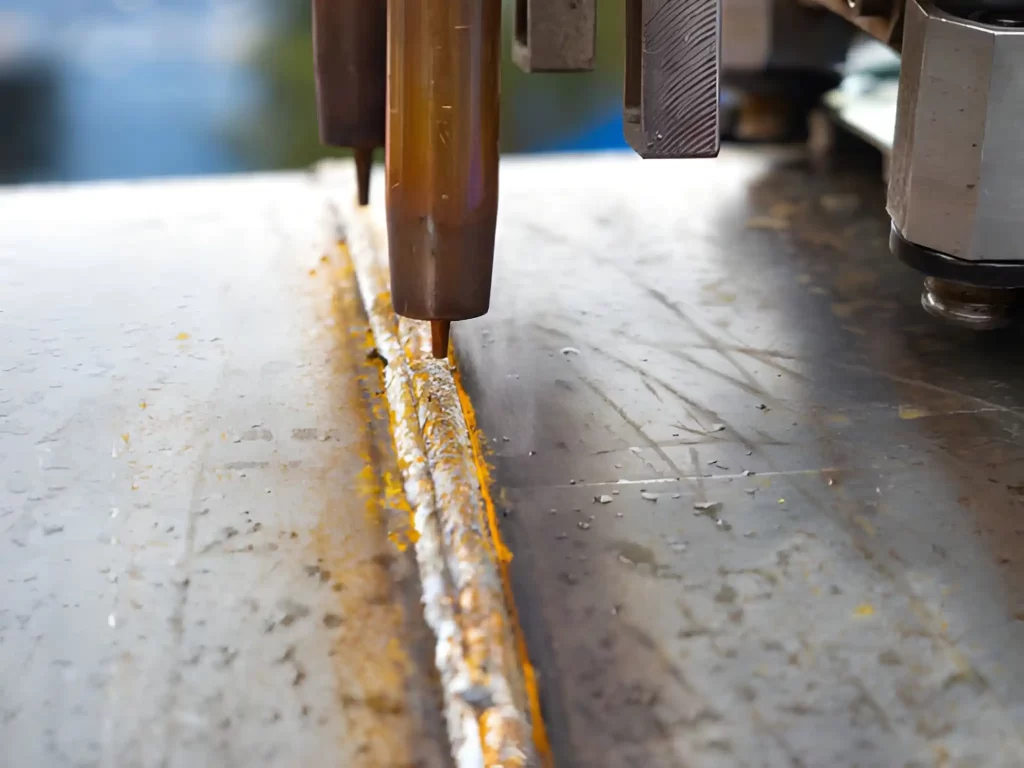
Sheet Metal Welding
Welding (MIG VS TIG welding) permanently connects two or more metal components. It is ideal for joints subjected to significant loads, pressures, or continued usage.
- When to use: Depending on the application, several welding processes are available. Shielded metal arc welding is ideal for heavy-duty assemblies, while aluminum welding is typically best suited for small joints or thin sheet layers. Additionally, laser welding is optimal for precision applications or those involving intricate details.
- Pros: Assembling by welding provides strong, reliable metal sheet joints for connections. Welded assemblies are frequently used in the manufacturing of automotive parts, machinery frames, and industrial equipment, as well as in any situation that requires the creation of long-lasting, permanent connections between metal components.
3: Assembly of Sheet Metal Using Rivets
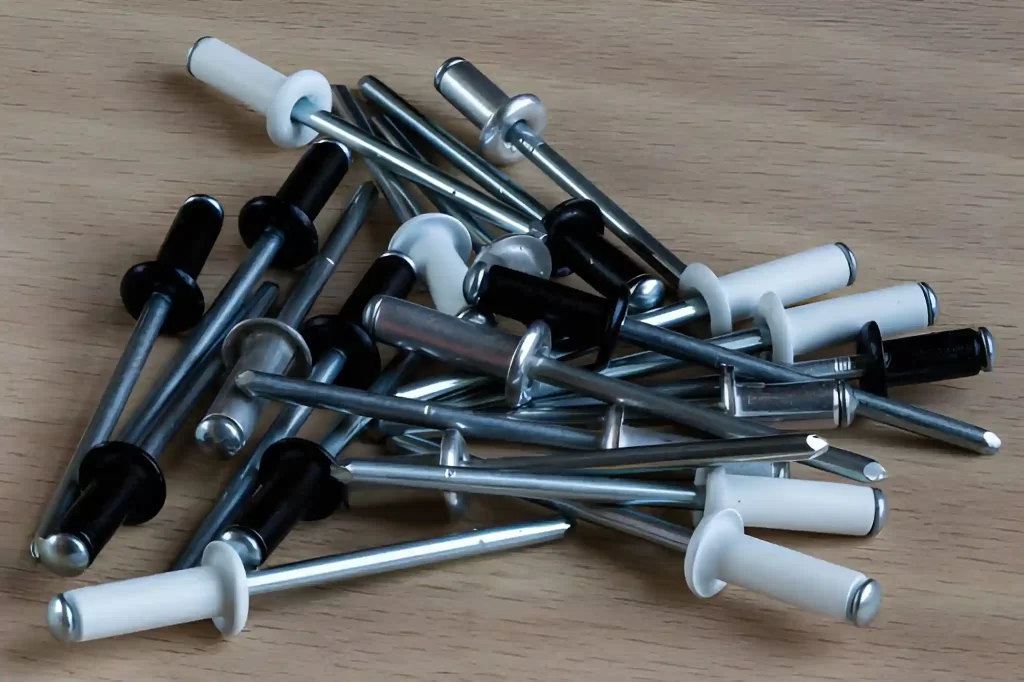
Rivets
Riveting is ideal for joining metal parts that need to withstand significant stress or vibration. It is commonly used in structural and mechanical assemblies, with different rivet types selected based on the material, joint design, and application requirements.
- When to Use: Solid rivets produce a standard, strong joint; pop rivets provide quick and efficient installation in pre-drilled holes; and pull-mandrel rivets enhance the structural integrity of the assembled component. Threaded or drive-pin rivets are generally used in applications that require high performance or in architectural situations.
- Pros: Because riveting does not involve heat, it protects the properties of the metal. Riveting is a common technique used in vehicle manufacturing, tool construction, building sheet metal brackets, and in various assemblies where a strong, permanent, and attractive joint is desired. (Get more insights on riveting vs welding)
4: Soldering and Brazing for Sheet Metal Assembly
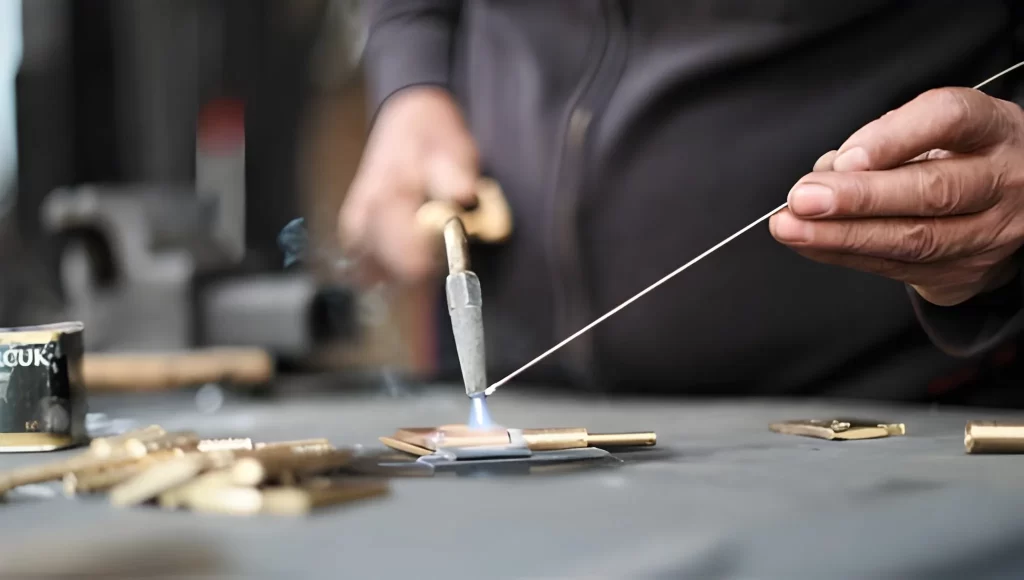
Sheet Metal Soldering
Soldering and brazing join two or more metal components by melting a filler material, resulting in unaltered base metal. Soldering is a suitable option for joining smaller assemblies and/or for applications involving heat-sensitive components.
- When to Use: Brazing produces a stronger joint than soldering and is well-suited for thicker materials, plumbing joints, and structural parts subjected to loading conditions.
- Pros: Both soldering and brazing produce durable connections that do not compromise the metal’s surface. Soldering and brazing are standard techniques used in electronic circuitry, plumbing systems, and light machinery, where both accuracy and durability are critical.
5: Adhesive Bonding for Sheet Metal Assembly

Adhesive Bonding
In some cases, welding or screws may not be sufficient for sheet metal assemblies. Adhesive bonding provides a means to connect two pieces of sheet metal using a strong adhesive or epoxy.
- When to Use: Adhesive bonding is a viable alternative for assemblies where the panel thickness is limited and the panel surface is too fragile to drill through.
- Pros: Adhesives absorb vibrations and reduce noise, making them a viable alternative for electronic assemblies, automotive interior components, and decorative panels. To maximize the longevity of adhesives, it is crucial to prepare the surfaces before bonding by thoroughly cleaning them to facilitate a proper bond.
6: Mechanical Interlocking
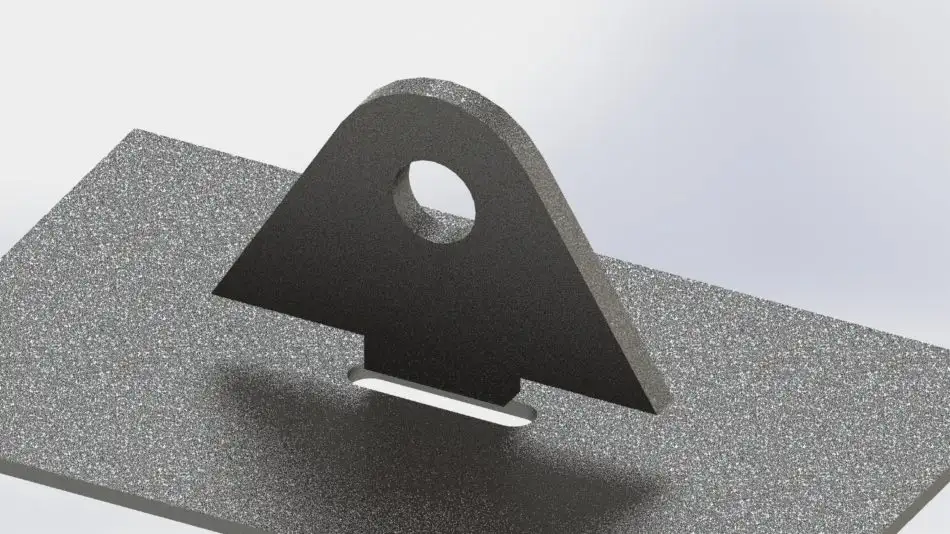
Mechanical Interlocking
A very efficient method of joining sheet metal components is through the use of mechanical interlocking. Mechanical interlocking involves shaping the parts to allow them to bend, fold, or slot together. Once shaped, the parts lock together and remain securely in place without the need for screws or adhesive.
- When to Use: Mechanical interlocking is used to construct assemblies that can be adjusted or disassembled at a later date. Examples of applications utilizing mechanical interlocking include heating, ventilation, and air conditioning (HVAC) ductwork, appliance housings, and temporary frames.
- Pros: Mechanical interlocking provides a rapid and inexpensive means of constructing sheet metal assemblies.
7: Tongue and Groove
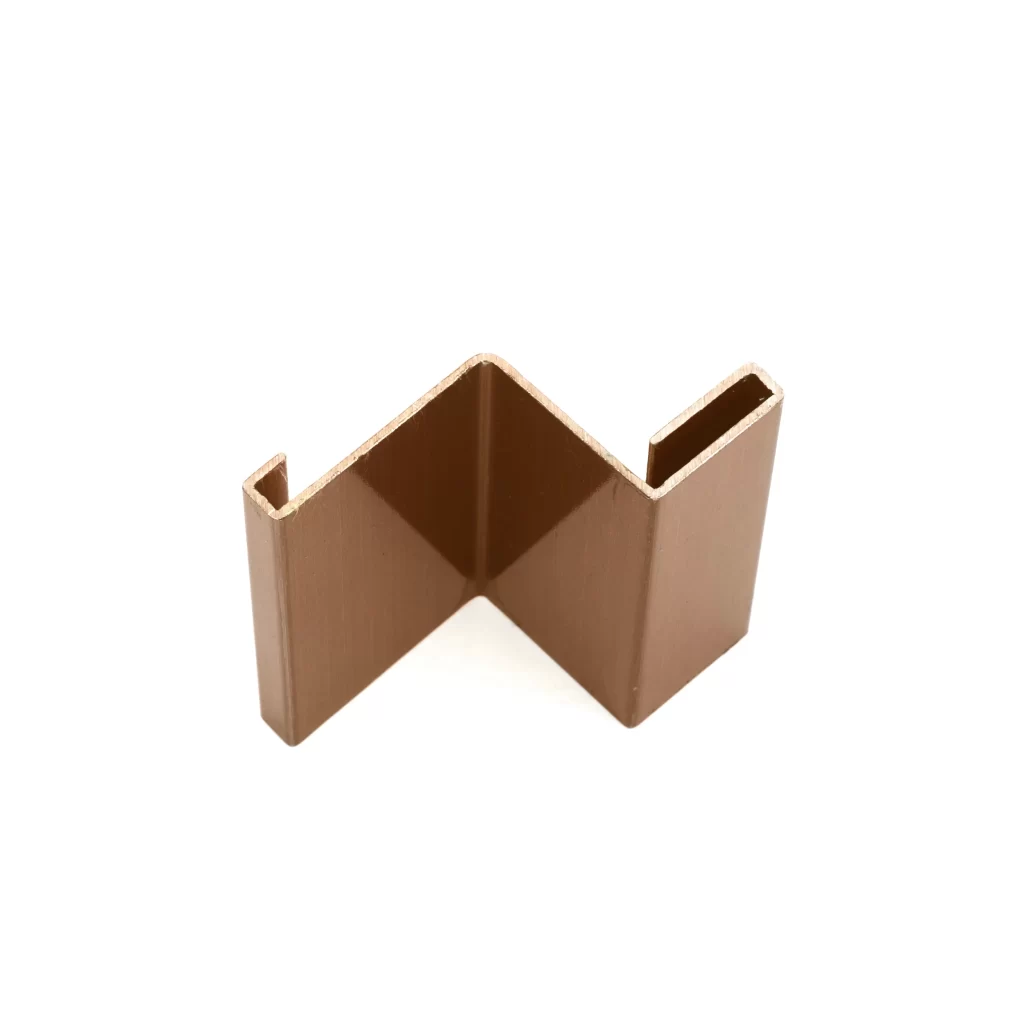
Metal Part Grooving
The tongue-and-groove method of sheet metal assembly involves having one part with a “tongue” that fits into a corresponding “groove” on the adjacent part. When constructed properly, the tongue-and-groove method secures the parts together and provides accurate alignment of the components.
- When to Use: Tongue and groove is a simple yet highly effective method of securing sheet metal parts. Tongue and groove is commonly used in enclosures, panels, and frames where alignment is critical.
- Pros: Tongue and groove eliminates the need for fasteners or adhesives, providing a smooth, professional finish.
Try Ancastings Now!
#08: Hemming for Sheet Metal Assembly
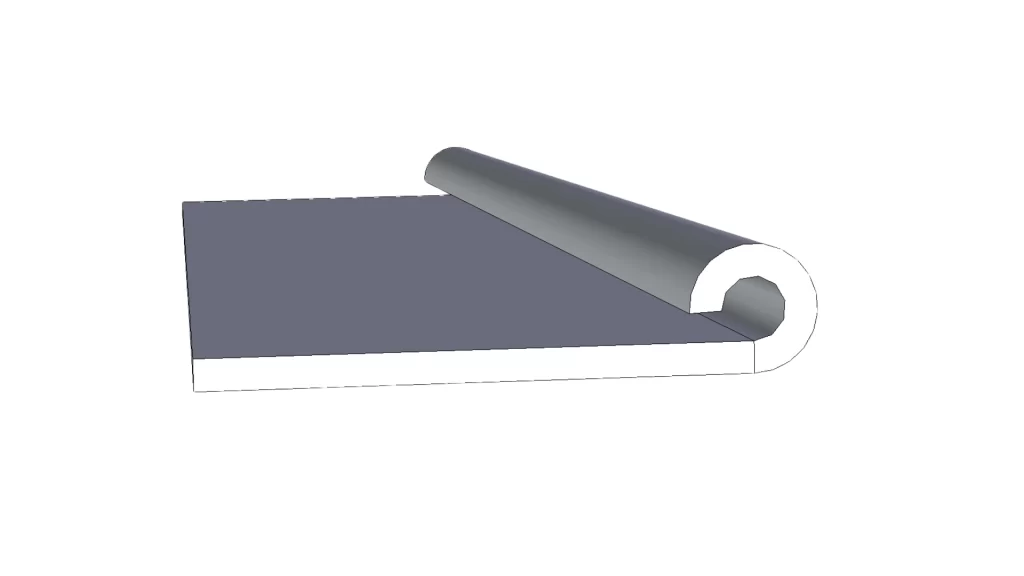 Sheet Metal Hemming
Hemming involves folding one edge of a sheet of metal over the adjacent edge of the same sheet to secure the two sheets together. Hemming creates a single, smooth, and continuous surface, increasing the strength of the joint.
- When to Use: Hemming is a widely used technique for securing sheet metal panels and appliance doors.
- Pros: Hemming also allows for internal components to be installed after hemming, providing a convenient means of installing multiple components in a single assembly.
#09: Sheet Metal Assembly Using Snap Fits
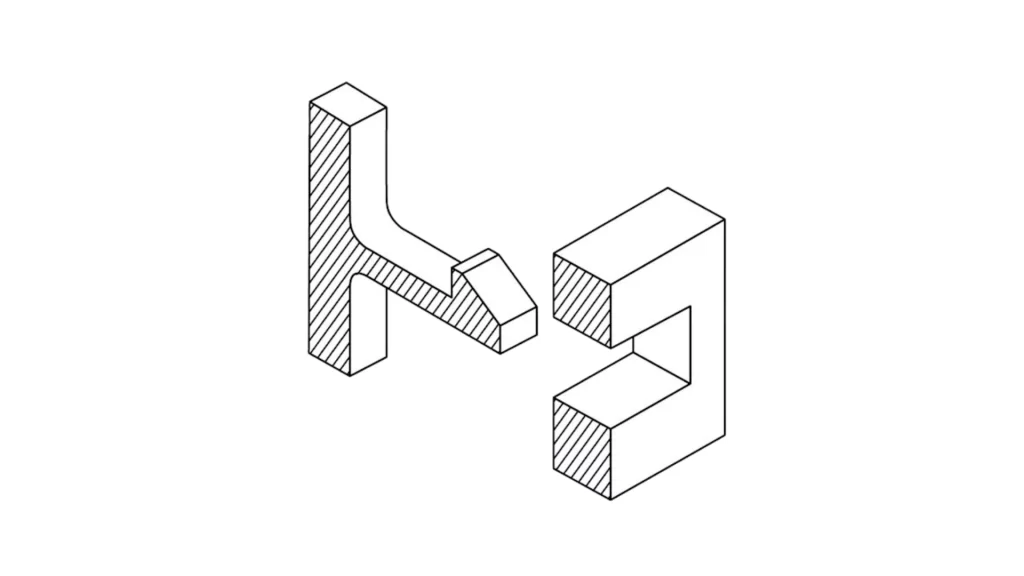
Snap Fit Design
Snap fits rely on the metal to hold the parts together. Snap fits are designed so that the parts can be snapped into position using the spring force of the metal.
- When to Use: Snap fits are well-suited for enclosures and small devices.
- Pros: Snap fits provide a secure means of holding parts together while still permitting removal if necessary. Snap fits are a fast and low-cost method of connecting sheet metal parts.
#10: Clinching for Sheet Metal Assembly
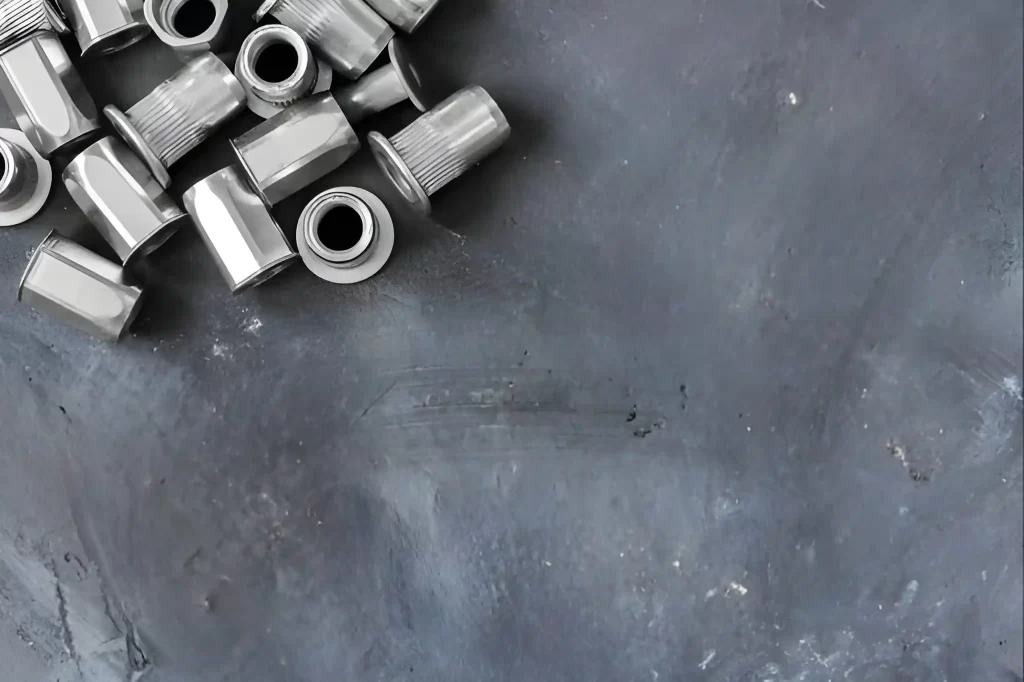
Self-Clinching Nuts
Clinching involves creating a button-like joint between two sheets of metal by locking them together. Clinching does not require drilling or welding to complete, providing a fast and cost-effective method for creating sheet metal assemblies.
- When to Use: Clinching is commonly used in the manufacturing of automobiles, furniture, and appliances.
- Pros: Clinched joints provide a strong, durable connection that can withstand normal wear and tear, which makes clinching a practical solution for many everyday sheet metal assemblies.
#11: Sheet Metal Assembly Using Tabs
Sheet metal parts with tabs
Tabs are small flaps created by punching or bending a portion of a sheet of metal into another part of the sheet. Self-locking tabs fold back onto the same part, while adjustable tabs can be bent to fit the desired position.
- When to Use: Tabs are ideal for use in cabinet, enclosure, or frame construction.
- Pros: Tabs simplify assembly, eliminate the need for additional fasteners, and accelerate production times, particularly when working with large quantities of parts.
#12: Sheet Metal Assembly Using Hinges
Metal Hing
Hinges permit sheet metal parts to swing or pivot. The type of hinge selected is based on the weight of the parts, frequency of operation, and ease of opening.
- When to Use: There are three common types of hinges used in sheet metal construction, including spring-loaded pin hinges, pivot hinges, and piano hinges. These hinges are used when sheet metal parts need to swing and pivot smoothly
- Pros: Hinges provide a smooth and reliable means of pivoting sheet metal parts and are commonly used in the construction of doors, lids, and panels.
Try Ancastings Now!
Simple Practices Make Sheet Metal Assemblies Fit Perfectly
Regardless of the scale of the sheet metal assemblies that you manufacture, there are a multitude of challenges that you face. At Ancastings, we employ innovative design principles and practical assembly approaches to ensure that each of your sheet metal assemblies functions as intended and is well-constructed.
Plan for Tolerance in Your Assembly
When assembling multiple sheet metal parts, you must consider more than just the individual part tolerances. Every component can be well within its specifications; however, all of the very slight differences between each element can accumulate and impact the overall assembly.
To ensure that the pieces in your Sheet metal assembly will fit properly together (without forcing or misalignment), we consider the tolerance stack-up for all of our assemblies. We anticipate those very slight differences at the outset of the assembly process, so there is a lower likelihood of rework, which keeps your project on track.
Additionally, anticipating the tolerance at the beginning of the assembly process simplifies the process of consistently producing the same quality in each of your assemblies, regardless of whether you are making one prototype or hundreds of parts.
Choose the Right Assembly Method
Metal gate with rivets, steel wall
Each project does not necessarily require welding. Depending on the design, the type of materials used, and the final part’s application, there may be alternative techniques to assemble your parts, such as using fasteners (screws) or rivets, or even adhesives.
Our professionals help you select the best assembly technique for your specific project. Utilising the correct technique eliminates heat distortion of the materials and preserves the strength of the materials involved. Also, utilizing the correct assembly technique can make future repair work or adjustments easier.
There are instances where two or more different techniques are used in combination to provide the optimal amount of strength and flexibility required by the finished item. Our experts will develop your assembly to meet your needs for both performance and cost.
Focus on Alignment and Fit
Slight misalignments of parts during the assembly of sheet metal items can create both aesthetic and functional problems. Therefore, the proper fit of parts is crucial for the smooth assembly of components, ensuring reliability of performance and a good-looking finish.
Before manufacturing parts for your assembly, Ancastings evaluates all designs for potential misalignment. If necessary, we will modify your assembly design to permit parts to go into position easily and avoid excessive stress to the individual parts.
With this focus on fit, your assembly will work as planned the first time, be faster to install, and any potential costs associated with future adjustments will be avoided.
Assess the Surface Finishing Requirements
The finishing of surfaces directly impacts the durability and performance of products, as well as their compatibility with coatings such as powder coating or painting. In addition, large assemblies often have significant difficulty achieving a uniform surface finish.
Our professionals provide recommendations for surface finishes that meet your requirements without overcharging for additional cost or complexity. Whether you prefer a brushed, polished, or coated finish, we carefully plan the process to ensure you receive a high-quality finish in a timely manner.
Properly planning the surface finish of your final product prevents delays and ensures that it performs as expected and looks great.
How Our Sheet Metal Assembly Services Benefit Contractors, Engineers, and Product Designers
Sheet Metal Bending
At Ancastings, we handle everything from compact sub-assemblies to large welded frames. We combine design input, precise joining, and thoughtful finishing to provide assemblies that install cleanly and last. We focus on making sure every part fits and works as intended, from small components to large frames. Our approach is straightforward, practical, and avoids unnecessary extras. You can count on us for manufacturing and reliable sheet metal service.
- Custom enclosures, frames, brackets, panels, cabinets, chassis
- Prototypes to low/mid-volume production
We keep you updated throughout the process with progress updates and clear communication. Local clients can even visit our shop to see their parts being made.
From your initial quote to the delivery of finished assemblies, Ancastings manages every step efficiently. Our goal is to complete your parts on time and have them ready for use.
Get Started Today: Upload your design or request a free sheet metal fabrication quotes and see how quickly we bring your sheet metal ideas to life.