
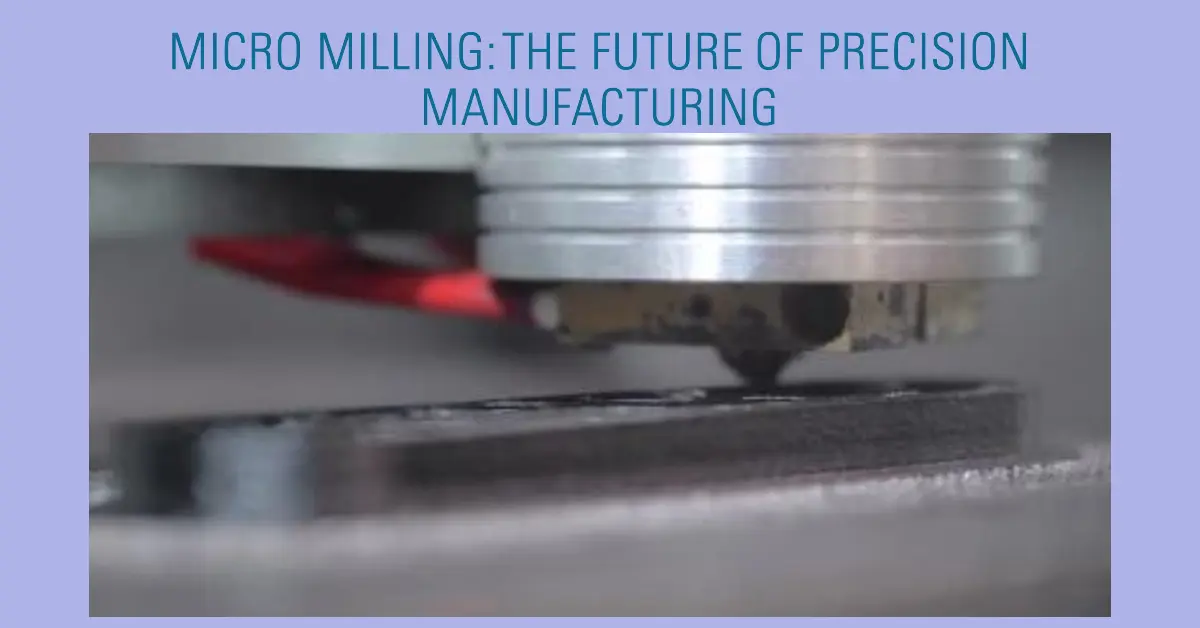
Micro milling is a processing method used to process fine parts. Unlike traditional milling, micro milling can provide more complex 2D, 2.5D features, and even process some 3D curved surface features.
Micro Milling,a specialized type of milling, is a machining method for fine mechanical parts. Every spin and every move of this manufacturing method is carefully choreographed to deliver results at a microscopic scale, rivaling its bulkier counterparts in relevance and efficiency. Within the context of our rapidly shrinking tech world—where the demand for minute components grows exponentially—it’s paramount to dive deeper into this marvel of engineering called micromilling.
Our quest starts by first deciphering what it genuinely entails and its indispensable role in contemporary fabrication.
Principal of Micro Milling
Micro milling, by its very name, hints at the miniaturization of the conventional milling process. However, it’s essential not to mistake it for merely a smaller version of standard milling. This technique is developed for areas where the unaided human eye often struggles to perceive the nuances.
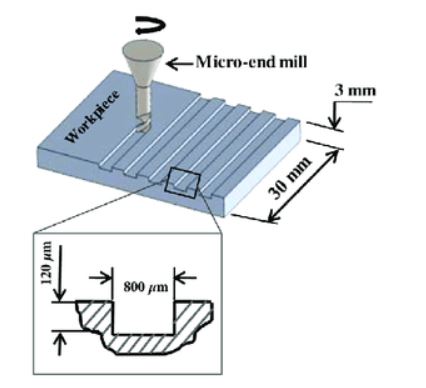
Micro milling process
Standard milling might be compared to sculpting a statue, where large chunks of material are carved away to create a design. Micromilling, conversely, is the art of crafting the intricate details on a piece of fine jewelry. It involves the use of specialized milling machines that harness tiny cutting tools, often less than a millimeter in diameter, to produce minute features on a workpiece. Such a process ensures a high level of precision, often dealing in tolerances measured in microns.
Moreover, these machines often operate at higher spindle speeds and possess enhanced software control capabilities to handle complex tasks. The focus here is not merely on size but on the precision of the operations, allowing manufacturers to achieve remarkable detail in their components.
Why is Micro Milling Needed?
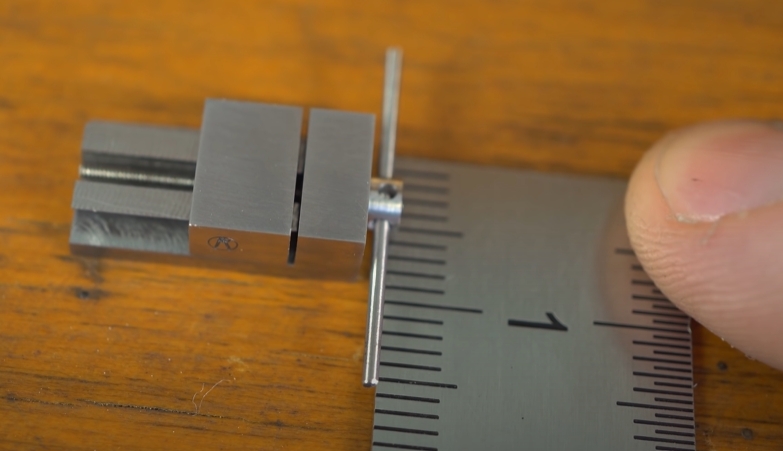
As industries evolve, the demand for compact, efficient, and highly detailed components has surged. This ever-growing need has placed micro milling at the helm of precision manufacturing for several reasons:
- Intricacy and Detail: Many contemporary applications, especially in sectors like electronics and medical devices, require components with intricate details. These details often can’t be achieved with regular milling due to tool size constraints.
- Material Efficiency: Micro milling, by its nature, removes lesser material compared to standard milling. This means reduced waste and optimized use of often expensive materials.
- Broad Material Application: Micro milling can be applied to a wide variety of materials, from metals to plastics and even ceramics. This versatility ensures its relevance across multiple industries.
- Precision: As we venture into the realms of advanced technologies, the margin for error continues to decrease. Micro milling provides the needed precision, often down to micron levels.
- Small-Scale Production: Not all components are produced in millions. Some specialized parts might have a limited run, and micro milling offers an efficient solution for such scenarios.
Table: Comparing Standard Milling to Micro Milling
| Criteria | Standard Milling | Micro Milling |
|---|---|---|
| Tool Size | Typically greater than 1mm | Less than 1mm, often approaching 0.1mm or less |
| Tolerances | Sub-millimeter | Micron-level |
| Material Waste | This can be significant depending on the design | Minimal due to precise removal |
| Application Industries | General manufacturing sectors | Electronics, Medical, Aerospace, and more |
Tools and Methods in Micro Milling
Delving into the world of micro milling, one quickly realizes the uniqueness of its tools and methods. While the principles of milling remain consistent, the nuances associated with these minuscule scales necessitate specialized equipment and techniques.
1. Micro CNC Mill
The Micro CNC Mill stands at the heart of the micro milling process. Unlike its larger counterpart, every component of this machine is designed for precision at a microscopic level. Some distinguishing features of the Micro CNC Mill include:
- Enhanced Precision Movement: These mills incorporate high-resolution encoders and specialized drives, enabling movements and adjustments as small as a micron.
- Increased Spindle Speeds: Micro milling requires high spindle speeds, often reaching up to 60,000 RPM or even higher.
- Stable Base: Given the precision required, these mills typically come with a highly rigid and stable base, often made of materials like granite.
- Software Enhancements: The software accompanying these mills is designed to handle the challenges of micro milling, accounting for tool deflections, heat generation, and other nuances.
2. Micro End Mills & Other Tools
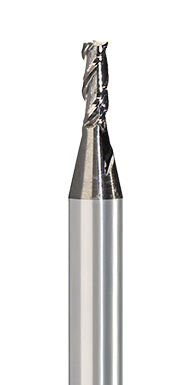
End mill tool for micro-milling
The essence of the micro milling process lies in its tools. As the name suggests, these are miniature versions of the regular end mills but come with their distinct characteristics:
- Material: Often crafted from solid carbide, these tools provide the needed hardness and wear resistance. Coatings like Titanium Nitride (Ti-N) or Diamond might also be added for enhanced performance.
- Geometries: Given the small scale, micro end mills often have unique geometries to avoid tool breakage and achieve precise cuts. The flute design, for instance, is optimized for efficient chip removal.
- Diameter: Typically, these tools range from 0.1mm to 1mm in diameter, but even smaller tools are available for specialized applications.
- Other Tools: Beyond end mills, micro drilling bits, micro boring bars, and various specialized tools come into play, each designed for a specific application.
3. The Micro Milling Machine
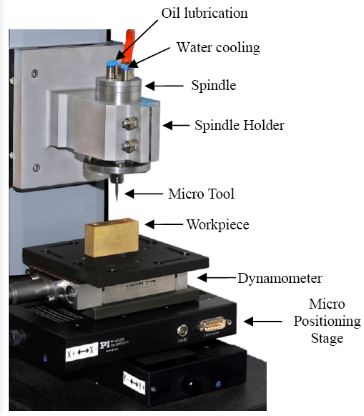
Micro milling machine
The micro milling machine is distinct from a standard milling machine, it encapsulates numerous features tailored for microscopic operations:
- Rigidity: The micro milling machine is built for rigidity. Any flex or vibration can result in significant errors at this scale.
- High-Speed Spindles: Given the tiny tool diameters, these machines employ high-speed spindles to achieve the desired cutting speeds.
- Precision Linear Guides: To ensure smooth and precise tool movement, high-quality linear guides and ball screws are utilized.
- Cooling Systems: At such high speeds and precision levels, even minute thermal expansions can cause errors. Thus, effective cooling systems are integral.
- Integrated Software: The machine often comes with specialized software to ensure accurate tool paths and compensate for tool wear or deflection.
Table: Comparison between Standard and Micro Milling Machines
| Feature | Standard Milling Machine | Micro Milling Machine |
|---|---|---|
| Size | Bulkier | Compact but dense |
| Spindle Speed (RPM) | Up to 20,000 | Often 60,000 and above |
| Cooling | Standard Coolants | Precise temperature-controlled systems |
| Machine Construction | Various materials | Often granite or similar materials for stability |
| Software Features | General | Specialized for micro milling challenges |
What Are the Applications of CNC Micro Milling?
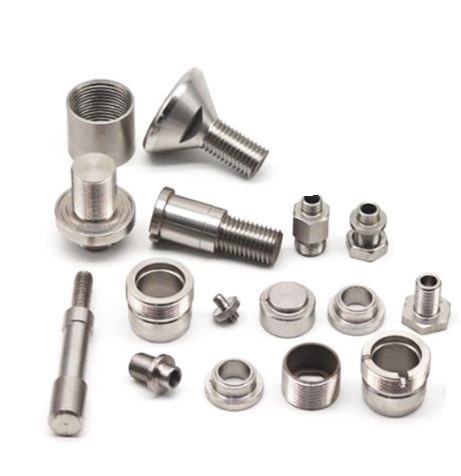
Parts created with micro-milling
The potential of CNC (Computer Numerical Control) combined with the finesse of micro milling techniques gives the chance for machining on the micro level machining. Let’s embark on a detailed journey through the various applications of CNC micro milling across diverse sectors.
1. Electronics
One of the most rapidly evolving sectors, electronics, has been a significant beneficiary of CNC micro milling. Here’s how:
- PCB Designs: Printed Circuit Boards (PCB) require impeccable accuracy. CNC micro milling assists in producing intricate circuit patterns, ensuring efficient connections and enhancing the board’s performance.
- Connectors: The miniaturization trend in electronics demands connectors that are not only compact but also reliable. With micro milling, connectors achieve precise dimensions, promoting better functionality.
2. Medical
The medical field’s advances, focusing on minimally invasive procedures and improved patient care, owe much to micro milling.
- Miniature Implants: Devices like cochlear implants or miniature screws for bone repair benefit from the precision of CNC micro milling, ensuring they’re effective and safe for patient use.
- Tools and Devices: Surgical instruments, especially those designed for intricate surgeries, benefit immensely from the precision offered by micro milling, resulting in better patient outcomes.
3. Aerospace
In an industry where every micron matters, CNC micro milling proves to be invaluable. **Many aerospace systems, especially in satellites and drones, require micro-components. These components, crafted with CNC micro milling, ensure system efficiency and longevity.
4. Jewelry
The world of jewelry, with its emphasis on detail and elegance, finds an ally in CNC micro milling.
- Detailed Designs: From intricate patterns on pendants to detailed engravings on rings, CNC micro milling enables jewelers to craft pieces that are both exquisite and unique.
- Engravings: Personalized jewelry, especially those with intricate engravings, can be effortlessly crafted with the precision of micro milling, giving a personal touch.
5. Automotive
As vehicles become smarter and more efficient, the automotive industry turns to precision techniques like CNC micro milling.
- Micro Components for Engines: Modern engines, aiming for efficiency and reduced emissions, leverage micro-components. These are produced with impeccable precision through CNC micro milling, enhancing engine performance.
- Sensors and Electronics: Today’s vehicles brim with sensors and electronic components, many of which are micro-sized. Micro milling ensures that these components are reliable and fit perfectly into the vehicle’s architecture.
Try Ancastings Now!
Precise Micro Milling: Key Considerations
When it comes to the realm of micro milling, precision is paramount. However, achieving such a high level of accuracy is no simple task. A multitude of factors can influence the outcome of a micro milling process. To ensure the best results, here are the crucial considerations to keep in mind.
1. Tool Selection and Maintenance
Choosing the right tool for the job is the cornerstone of any successful milling operation, especially when dealing with minute dimensions.
- Material Compatibility: Ensure the selected tool is compatible with the material to be milled. Material-tool mismatch can lead to sub-optimal results and tool wear.
- Tool Wear Monitoring: Given the precision required in micro milling, even the slightest wear on the tool can impact the final product’s accuracy. Regularly inspect and replace worn tools.
- Tool Geometry: The tool’s shape and design influence the type of cut and finish. For micro milling, tools with sharp edges and minimal tool deflection are preferable.
2. Workpiece Material Properties
Understanding the material to be milled is equally vital.
- Material Hardness: Harder materials often require slower feed rates to avoid tool damage.
- Material Elasticity: Elastic materials can pose challenges as they might flex or deform rather than being milled, affecting accuracy.
- Thermal Properties**:** Materials that retain heat can affect both the tool and the machining process. Effective cooling strategies may be necessary.
3. Machine Calibration and Stability
Even the minutest of machine vibrations can throw off a micro milling operation.
- Regular Calibration: Ensure the micro milling machine is calibrated frequently. This ensures that all axes are aligned, and the machine operates as expected.
- Vibration Dampening: Invest in effective vibration dampening solutions. This can involve both machine modifications and adjusting the environment in which the machine operates.
4. Feed Rate and Depth of Cut
Striking the right balance here can make all the difference.
- Optimal Feed Rate: Too fast, and you risk tool damage and inaccurate cuts. Too slow, and you might burn the material or compromise efficiency.
- Depth of Cut: In micro milling, shallow depths of cut are preferable. This ensures precision and minimizes the risk of tool breakage.
5. Cooling and Lubrication
Heat generation is a concern in milling, more so in micro milling due to the precision involved.
- Effective Coolants: Choose coolants that are suited to the material being milled. This prevents overheating and ensures a smoother milling process.
- Lubrication: Regular lubrication reduces friction, minimizing wear on both the tool and the workpiece.
6. Software and CNC Programming
Digital precision complements physical precision in micro milling.
- High-Precision Software: Ensure the software driving the CNC machine is capable of high-precision operations. It should allow for minute adjustments and have a user-friendly interface.
- Regular Updates: Software advancements happen rapidly. Regular updates can offer new features or improved accuracy, benefiting the milling process.
7. Quality Assurance and Inspection
What gets measured gets improved.
- Regular Inspections: Use high-precision measurement tools, such as laser micrometers or high-resolution cameras, to regularly inspect milled components.
- Feedback Loops: Establish a system where inspection results feed back into the milling process. This continuous improvement loop ensures consistently high-quality outputs.
The Future is Minute: Micro Milling’s Recent Advances and Prospects
In the dynamic world of machining, micro milling stands as a testament to human ingenuity and technological progression. This process, which involves the removal of minute material layers with tools smaller than 0.5mm in diameter, is continually evolving. Let’s delve into the recent advancements in micro milling and explore the horizons it’s setting its sight on.
1. Technological Breakthroughs in Tool Fabrication
Micro milling thrives predominantly on its tooling. In recent years, there’s been a marked increase in the use of nano-structured coatings which not only enhance tool life and reduce wear but also diminish friction and bolster heat resistance. Moreover, the evolving advancements in tool fabrication now make way for customized tool geometries, specifically tailored for unique applications or materials.
2. Smart Monitoring Systems
Machines today transcend their traditional role as mere tools. Modern micro milling machines are now fortified with sensors that facilitate real-time feedback. This not only permits instantaneous adjustments but also assures unwavering quality. Additionally, with the inception of advanced monitoring systems, there’s an ability to predict the wear and tear or breakage of a tool, thus curtailing unexpected downtimes and ensuring a steady output quality.
3. Enhanced Machine Dynamics
At the epicenter of micro milling lies the machine. There’s been a significant evolution, notably with the development of ultra-precision spindles. These spindles, capable of operating with a negligible vibration even at soaring speeds, guarantee improved surface finishes and amplified accuracy. The recent amalgamation of additive manufacturing with micro milling into a singular unit heralds a transformative phase, enabling a seamless execution of both additive and subtractive processes.
4. Software Evolution
Each meticulous cut in micro milling is governed by a specific line of code. The contemporary software now boasts of advanced simulation capabilities, empowering operators to predict potential pitfalls and address them prior to actual milling. Furthermore, the integration of AI and machine learning techniques assists in refining milling strategies, drawing insights from previous tasks and forecasting the best parameters for forthcoming ones.
5. Expanding Horizons: New Application Fields
As the nuances of micro milling advance, so do its potential applications. The realm of the biomedical field is witnessing invaluable contributions from micro milling, particularly in fabricating minute and intricate parts essential for biomedical implants and devices
Summing Up
The world of manufacturing is zooming into the minutiae, and as it does, the tools, methods, and applications of micro milling are expanding and evolving at an exhilarating pace.
As industries continue to demand components with accuracy and complex designs, the reliance on micro milling will only deepen. In retrospect, as we stand on the cusp of a microscopic revolution, it’s imperative to appreciate and harness the potentials of micro milling, for in these minute details lies the future of expansive possibilities.
Ancastings is no stranger to the world of precision. With their state-of-the-art CNC milling service, they’ve consistently demonstrated our commitment to quality and accuracy. While we excel in traditional CNC milling, our foray into micro milling shows promise, blending extensive experience with cutting-edge technology.
FAQs
What is micro milling?
A precision manufacturing process that involves creating minute features using specialized tools and machinery.
How is micro milling different from regular milling?
Micro milling focuses on creating very small, intricate features with micron-level precision, unlike regular milling.
What are the key applications of micro milling?
Electronics, medical devices, aerospace components, and jewelry, among others.
Why choose Ancastings’ CNC milling services?
Ancastings offers a blend of experience, cutting-edge technology, and unwavering commitment to quality.
Are there materials that can’t be micro milled?
While many materials can be micro milled, the choice often depends on the desired finish and tool longevity.