
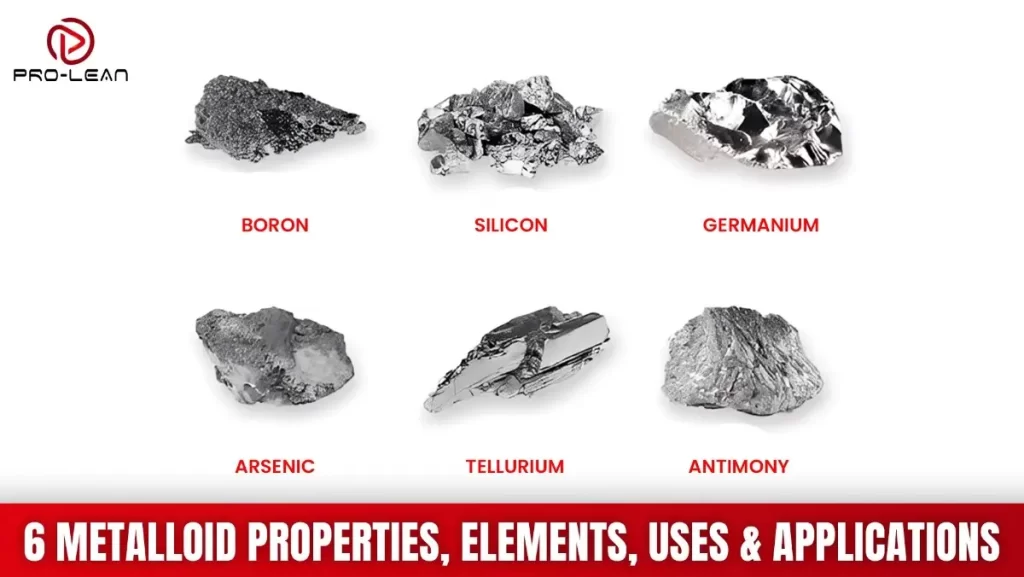
Six Metalloid Elements
Metalloids are elements that are not fully metals and not fully nonmetals. They sit in the middle of the periodic table and have mixed properties from both sides. There are only a few metalloids, like silicon and boron, but they are very useful.
These elements are used in making electronics, glass, solar panels and more. Because of their unique behavior, metalloids play a big role in modern technology.
At Ancastings, we help industries choose the right machining materials for metalloid manufacturing needs. Whether it’s for electronics, chemicals or special tools, we can guide you with expert support and custom solutions.
In this blog, we will cover what metalloids are, their properties and how they are used in everyday technology. We will also explain how Ancastings can help you use these elements effectively. Let’s get started:
What is the Definition of a Metalloid?
Metalloids are elements that have parts of both metals and nonmetals. This is why we call them “metalloids.”
You can see metalloids on the table (periodic) of elements. They sit in a stair shape between metals and nonmetals. Some metalloids we know are boron, silicon, arsenic, antimony, tellurium, and germanium. A few more, like carbon, aluminum, and selenium, are also metalloids sometimes.
Metalloids look shiny like metals do. But they are brittle and break easily. They carry electricity, but not as good as real metals do. They act more like nonmetals when they do chemical things.
People use these elements in many things we have. They put them in glass, computer chips, solar panels, and flame retardants. Metalloids help us a lot in science work and the everyday things we use. They are very good for industry, too.
A Must-Read Guide: Guide to Essential CNC Machining Methods
What Are the Basic Elements of Metalloids?
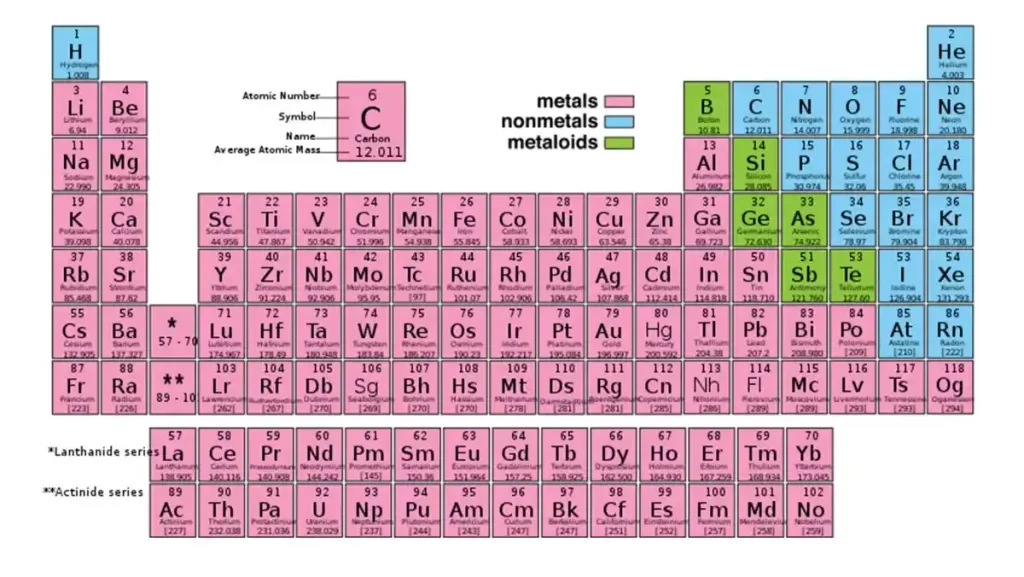
Periodic Table of Elements
Metalloids are a small group of elements. They sit between metals and nonmetals on the periodic table. They have features of both types. This makes them useful in many ways.
Scientists agree on six main metalloids. These are boron, silicon, germanium, arsenic, antimony, and tellurium. Some others, like polonium, astatine, and selenium, are sometimes added too. But not always.
These elements make a staircase line on the periodic table. They separate metals from nonmetals. Each metalloid has its own special traits and uses.
| Element | Symbol | Atomic Number | Main Use |
| Boron | B | 5 | Fiberglass, insecticides |
| Silicon | Si | 14 | Electronics, solar panels |
| Germanium | Ge | 32 | Fiber optics, semiconductors |
| Arsenic | As | 33 | Pesticides, wood preservatives |
| Antimony | Sb | 51 | Batteries, flame retardants |
| Tellurium | Te | 52 | Steel additives, solar cells |
Now, let’s have a look in detail, along with metalloids’ pictures:
1. Boron (B)
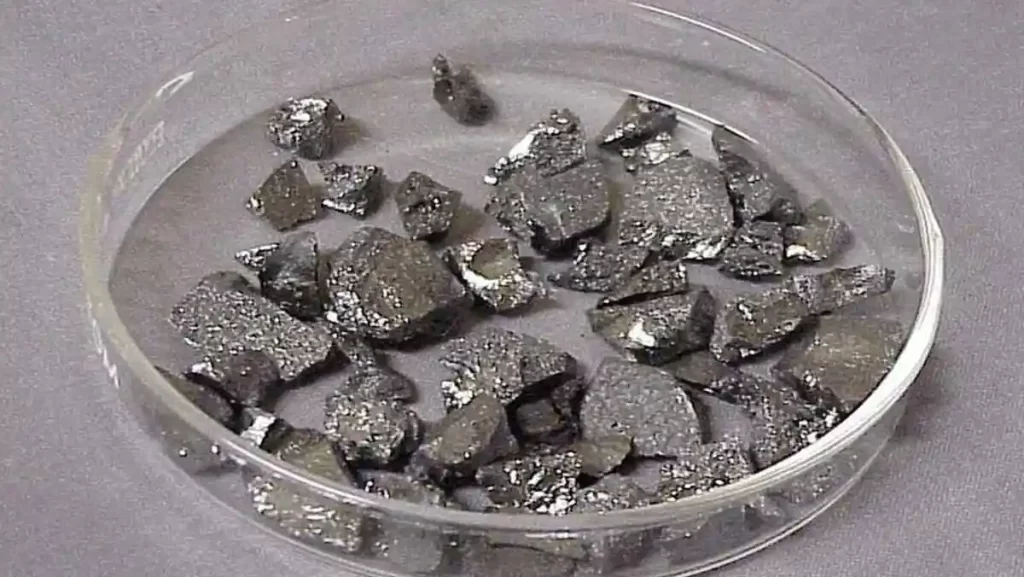
Boron Pieces
Boron is a hard and dark brown element. It does not appear freely in nature. But it is found in compounds like boric acid and borax. It is very strong. People use it to make fiberglass. Workers use this for insulation and construction.
Boron is also used in borosilicate glass. This glass does not crack under heat. It helps plants grow. People use it in small amounts in some insect killers. It looks dull. But boron is important in farming and making things.
2. Silicon (Si)

Silicon Chunk
Silicon is the second most common element in Earth’s crust. It looks shiny, gray and hard. It is not found in pure form naturally. But we can see it in sand and rocks. It appears as silicon dioxide, which is also called silica.
Silicon is best known for its use in computer chips. You can use it in solar panels. This is because it can control electricity well. It can be used to make glass and ceramics. They make tools that can handle heat it. Modern electronics would not exist without silicon.
3. Germanium (Ge)
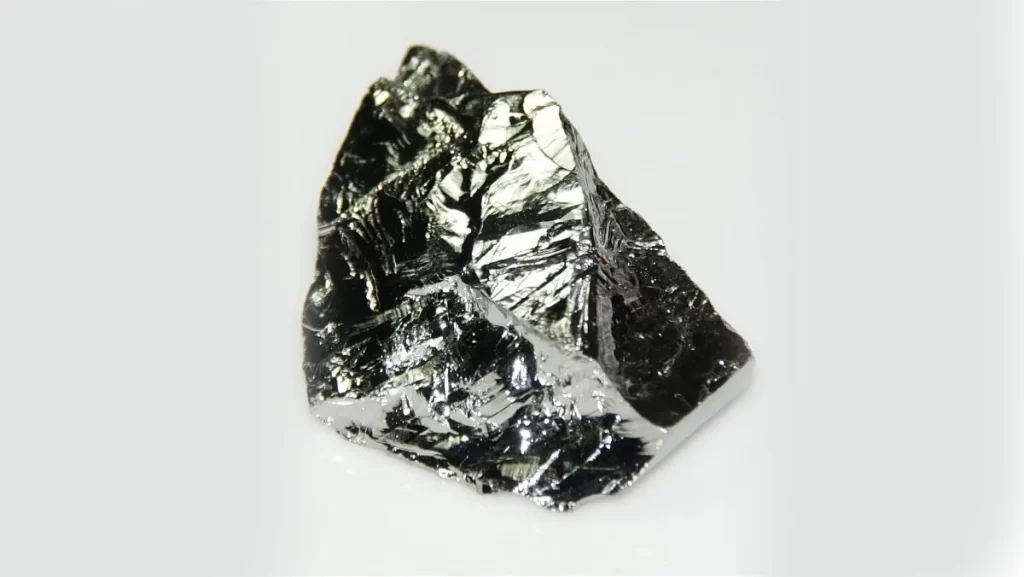
Germanium Chunk
Germanium is a shiny element. It has a grayish-white color. It looks a lot like silicon. People use it in many electronics. They especially use it in fiber optic cables and infrared systems. It can carry light signals.
This makes it very useful in fast internet systems. People also use it in solar technology. Germanium is also used in LED lights, and it is used as a chemical helper in making plastics. It is not very common. But its role in high-tech devices is very important.
4. Arsenic (As)
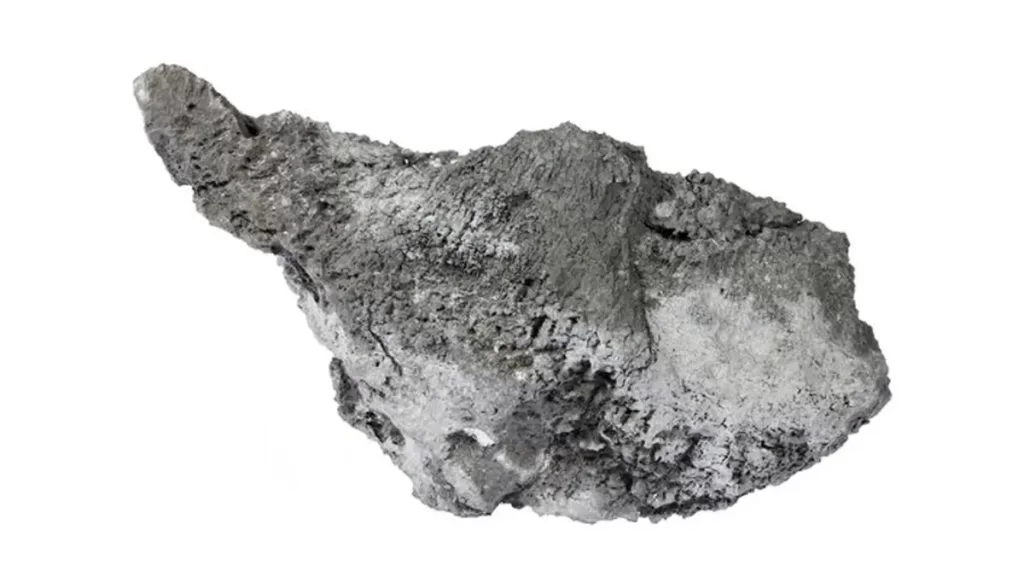
Arsenic Piece
Arsenic is a gray metalloid. It can be dangerous in large amounts. But in small controlled amounts, it is useful. It can be used in several industries. Workers often use it in wood treatments. This prevents rot. They also use it in certain pesticides.
You can add arsenic to lead in car batteries. They also add it to bullets to make them stronger. Some animals need tiny amounts of arsenic. This helps them stay healthy. But it is toxic to humans in large doses.
5. Antimony (Sb)
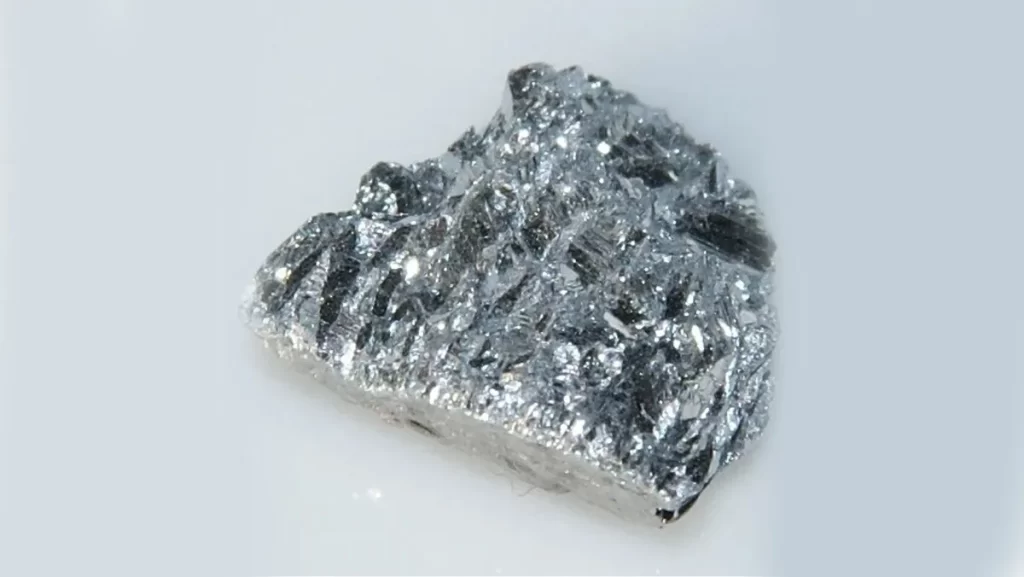
Antimony Chunk
Antimony is a shiny element. It has a silver-gray color. It is often found in nature as a mineral. This mineral is called stibnite. Since ancient times, people have used it in medicines. They also used it in makeup.
Today, it is used to make metal mixtures stronger. They use these in batteries and cable covers. It is also a key part of materials that stop fires. These materials help stop fires from spreading. In electronics, small amounts of antimony help semiconductors work better.
6. Tellurium (Te)
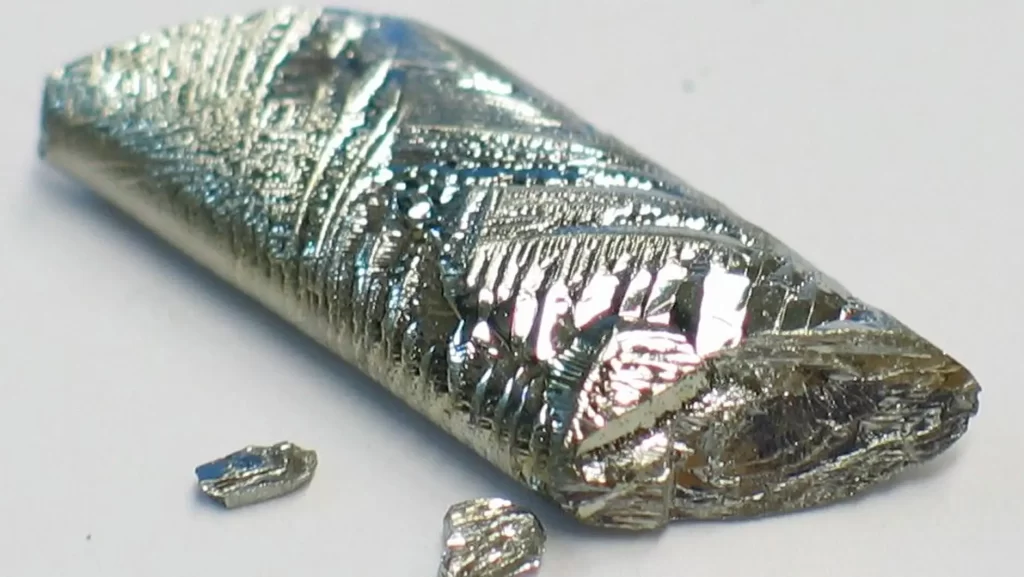
Tellurium Crystal
Tellurium is a silvery-white element. It is both rare and valuable. It is very brittle. It can break easily. You do not find it often in nature. But they use it to improve steel and copper. Tellurium helps make Materials that work well in extreme heat.
It also works well in harsh places. You can use it in solar panels. They also use it to help rubber last longer. Its strong smell and rare presence make it unique among metalloids.
Uncover More: Micro CNC Machining
Try Ancastings Now!
What Are the Properties of Metalloids?
Metalloids are special elements. They are not full metals. They are not full nonmetals. They mix both types together. This makes them very useful. You can use them in electronics and in factories. Each metalloid acts a bit differently. Many features stay the same.
Now we will look at physical properties. We will look at chemical properties too. We use easy words. This will help you understand how they look. You will learn how they react. You will see where people use them.
Physical Properties of Metalloids
Metalloids have physical features. These features sit between metals and nonmetals. You can spot them by how they look. You can feel how they act when heated. You can touch them. These features help industries. Industries choose where to use them.
Here are the main physical properties of metalloids:
1. Appearance
Metalloids usually look shiny. Metals look shiny too. But metalloids break easily. Metals do not break easily. So metalloids may seem strong. But they are fragile. They can crack.
2. State at Room Temperature
All metalloids are solid at room temperature. They do not exist as gases. They do not exist as liquids. This happens in regular conditions.
3. Melting and Boiling Points
Metalloids melt at middle temperatures. They boil at middle temperatures too. Their points are not as high as metals. Their points are higher than many nonmetals. Look at these examples:
- Boron: 2079°C
- Silicon: 1410°C
- Germanium: 938°C
This means they can handle heat. But they cannot handle heat like pure metals can.
4. Density
Metalloids have an average density. They are heavier than nonmetals. They are lighter than most metals. Look at these examples:
- Antimony: 6.69 g/cm³
- Tellurium: 6.24 g/cm³
- Arsenic: 5.73 g/cm³
5. Electrical Conductivity
Metalloids do not carry electricity like metals do. But they are better than nonmetals. This is why people call them semiconductors. Elements like silicon work well. Germanium works well, too. You can use them in phones and computers.
6. Thermal Conductivity
Metalloids can pass heat through them. But they do not pass heat like metals do. This helps you make machines and tools. These tools deal with heat. These tools turn heat into power.
7. Hardness
Some metalloids are very hard. Others are softer. Look at these examples:
- Boron: 9.3 on Mohs scale
- Arsenic: 3.5 on Mohs scale
8. Brittleness
Most metalloids are brittle. This means they break easily. They crack instead of bending. Metals usually bend. But metalloids snap.
9. Allotropes
Some metalloids come in different forms. People call these forms allotropes. These forms may look different. They may behave differently too. For example, arsenic has gray forms. It has yellow forms. It has black forms too.
More Insights: CNC Machining for Composites
Chemical Properties of Metalloids
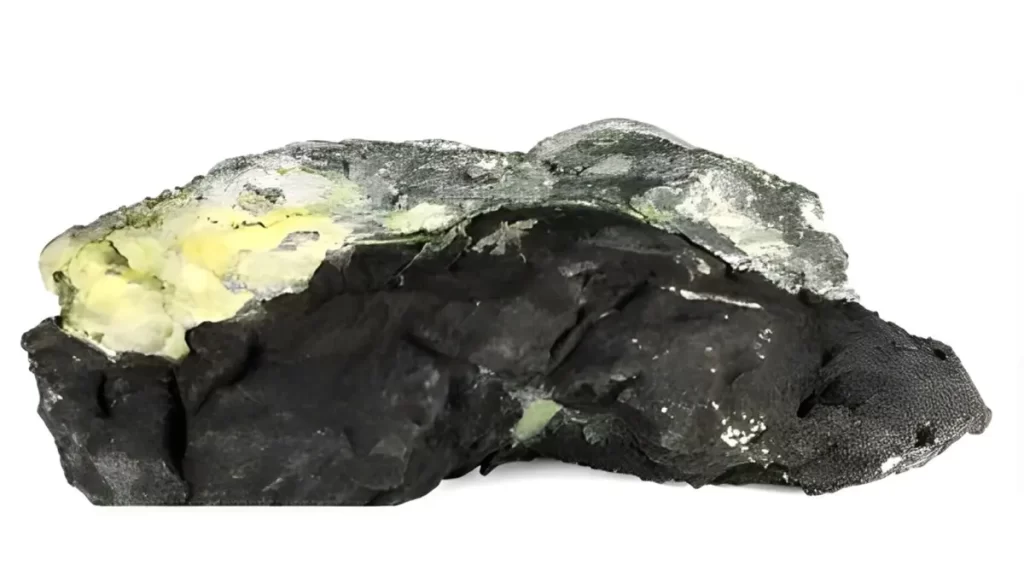
Metalloid Properties
Now we will explore how metalloids behave. We will see how they act in chemical reactions. These elements often act like nonmetals. But they can sometimes behave like metals too. Their flexible behavior helps people. You may create many types of compounds.
Here are their main chemical features:
1. Reactivity with Nonmetals
Metalloids can react with nonmetals. They create useful compounds. Look at these examples:
Boron + Fluorine = Boron Trifluoride
Silicon + Chlorine = Silicon Tetrachloride
These reactions often involve sharing electrons. Nonmetals do this too.
2. Oxidation States
Metalloids can gain electrons. They can lose different numbers of electrons too. This depends on the reaction. Examples include:
- Boron: +3
- Silicon: -4 or +4
- Arsenic & Antimony: +3 and +5
3. Electronegativity
Electronegativity shows how much an element wants electrons. The element tries to pull in electrons. Metalloids are in the middle. They usually measure between 1.8 to 2.2. This helps them form both ionic bonds. This helps them form covalent bonds too.
4. Covalent Bonding
Most metalloids form covalent bonds. This means they share electrons with other elements. Nonmetals do this too. This is common.
5. Alloy Formation
Metalloids can mix with metals. They form stronger materials. Look at these examples:
Antimony + Lead = Stronger batteries and bullets
Tellurium + Steel = Stronger and easier to cut steel
6. Reactivity with Acids
Most metalloids do not react quickly with acids.
- Silicon and germanium form a layer. This layer protects them.
- Arsenic and antimony only react with strong acids. They react with nitric acid. But they do not react with weaker ones.
Explore Further: Bevel Machining for Precision Angled Cuts
Try Ancastings Now!
What Are the Characteristics of Metalloids?
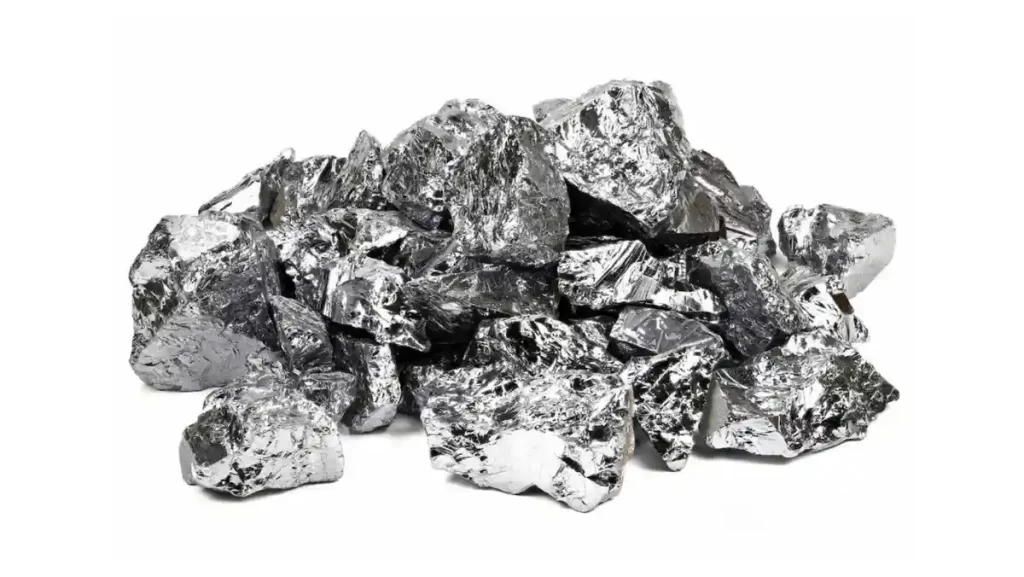
Metalloid Element
Metalloids are a small group of elements with very special properties. They are not all metal, and not all nonmetal — they have a mix of both ways. These mixed parts give metalloids their special use in electronics, glass, semiconductors, and many other jobs.
Let’s look at their main characteristics one by one.
1. Hard State at Room Heat
All metalloids are hard under normal conditions. They do not live as gases or liquids at room temperature. Also, they have high melting points, but lower than most pure metals. For example, boron melts at 2079°C, while tellurium melts at 449.5°C.
2. Metal Shine
They are not true metals, but metalloids usually have a shiny top called metal shine. This is why they often look like metal when you see them.
3. Easy to Break
One big change from metals is that metalloids are easy to break. They can break or crack easily when pressure hits them. Not like metals, they can’t be bent or shaped by hitting or rolling.
4. Half-Electric Behavior
Metalloids don’t carry electricity as well as metals, but they’re better than nonmetals. They are called semiconductors. This means their electric behavior can be controlled, most when small dirty things (called “dopants”) are added — a key way in making computer chips and solar panels.
5. React Like Nonmetals
Metalloids tend to form sharing bonds, meaning they share electrons when reacting with other things. They often form anions (negatively charged ions) and can live in many oxidation states, like +3 or +5, based on the thing. This makes them flexible in forming different chemical compounds.
6. Middle Electric Pull and Ion Energy
The electric pull of metalloids (how strongly they pull electrons) falls between that of metals and nonmetals. Same way, their ion energy (how much energy it takes to remove an electron) is also in the middle range. This “in-between” behavior helps them form both ionic and sharing bonds, based on what they react with.
Check more: CNC Precision Machining Benefits
What Are the Uses of Metalloids?
Metalloids help us a lot in daily life. They have special powers. They can carry electricity well. They can handle heat. They mix with other things easily.
We see them in computers and phones. We find them in glass and buildings.
Here are the main ways you may use metalloids. Each part tells about a different metalloid.
- We use them in computer parts and small switches, and other electronic devices (mostly silicon and germanium).
- They help make glass that doesn’t break from heat (boron and silicon).
- We add them to metals to make them very strong (like antimony with lead).
- We use them in solar panels and computer parts.
- They are very important for making things that stop fire and keep heat in.
- We use them in drugs and bug killers, and to keep wood safe (arsenic, boron).
- We use them in glass wires and light beams, and LED bulbs.
Explore this topic: CNC Machining of Thermoplastics
Applications of Each Metalloid
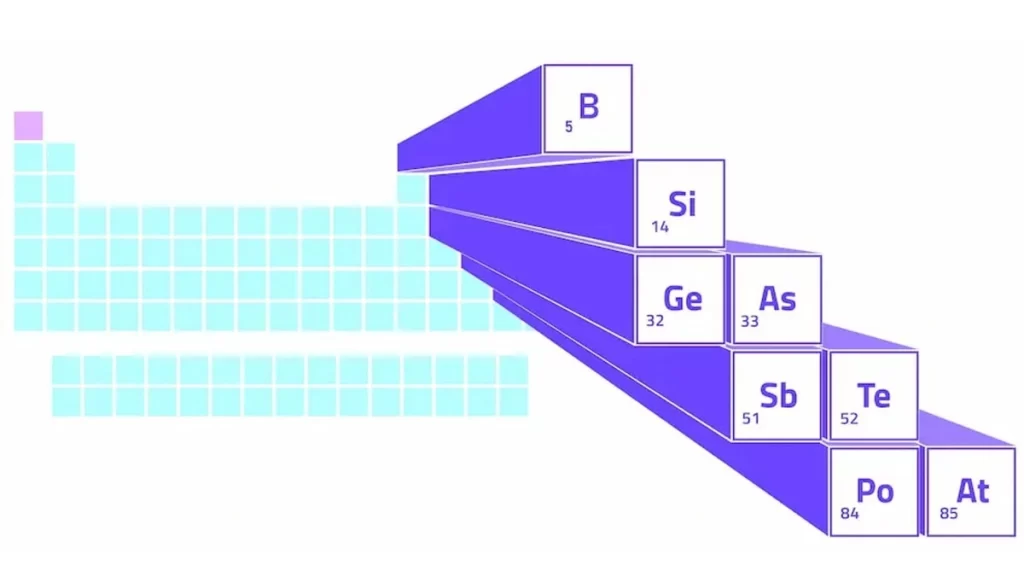
Uses of Metalloids
Let’s now look at the specific uses of each major metalloid, one by one:
Boron (B) – Number 5
- People use it in special glass that does not break when hot or cold hits it fast.
- Workers put it in glass wool to keep houses warm and safe from the cold.
- You find it in soap powder and things that make clothes white and clean.
- Farmers use it to kill bugs and make plants grow big and strong.
- Army people use it to make hard things that stop bullets and cut metal.
Silicon (Si) – Number 14
- Computer makers use it to make chips and parts that make computers work fast.
- Glass makers use it as the main thing to make all kinds of glass.
- People use it to make pots and hard building things that last a long time.
- Building workers use it to make strong things that do not break easily.
- Factory workers make soft rubber things that bend and keep water out.
Germanium (Ge) – Number 32
- Internet companies use it in long cables that carry fast internet to your house.
- Army people use it to make special glasses that see in the dark.
- Solar panel makers use it to catch sunlight and make electricity from it.
- Computer makers use it like silicon to make parts that control electricity flow.
- Chemical workers use it to help make plastic and rubber things faster.
Arsenic (As) – Number 33
- Woodworkers use it to keep bugs away from wood and stop wood from going bad.
- Farmers use very small bits of it to kill bad bugs and weeds that hurt crops.
- Battery makers mix it with lead to make car battery parts that last longer.
- Doctors use small amounts to fight cancer in sick people’s bodies.
- Some tiny living things use it to stay alive and grow in strange places.
Antimony (Sb) – Number 51
- Car makers mix it with lead to make battery parts and bullet parts that stay hard.
- Safety workers put it in clothes and computer parts to stop fires from spreading fast.
- Art workers use it in clay pots and paint to make nice colors and smooth feel.
- Computer makers add small bits to help control how electricity moves through parts.
Tellurium (Te) – Number 52
- Metal workers add it to steel and copper to make them easy to cut and shape.
- Solar panel makers use it in panels that turn heat into electricity that powers things.
- Computer makers put it in music discs and copy machines, and rechargeable batteries.
- Tire makers use it to make rubber stronger and able to handle very hot weather.
Conclusion
Metalloids are special because they are between metals and nonmetals. They are shiny like metals but brittle and semiconductive like nonmetals. That makes them very useful in electronics, construction and chemical industries.
We explained what metalloids are, listed the elements, physical and chemical properties and uses. We also covered the characteristics and applications of each metalloid, boron, silicon and antimony.
At Ancastings, we understand the importance of metalloid properties in modern manufacturing. Whether it’s semiconductors, alloys or advanced components, our on-demand manufacturing solutions ensure precision and quality at every step.
We offer high-quality CNC Machining Services tailored to your unique material and design needs. If you’re working with specialized materials or tight tolerances, See How Small-Batch CNC Delivers Precision and Savings for complex projects. Need a budget overview before you begin?
Get a Custom Pricing Estimate today and bring your ideas to life with confidence and accuracy.
FAQs
Q1. What are the main properties of metalloids?
Metalloids have both metal and non-metal traits. They can carry some electricity but not much. They break easily when you hit them. They can join with other atoms to make bonds. They stay solid when the room is normal temperature. They shine like metals do.
Q2. What is the Composition of Metalloids?
Metalloids have elements with four to six outer electrons. These electrons help them make bonds with other atoms. They can join in many different chemical reactions. Silicon is a common metalloid. Germanium is another one. Arsenic is also a metalloid that people know about.
Q3. What is a Metalloid’s Most Useful Property?
The best thing about metalloids is how they carry electricity. They do this only when certain things happen. This makes them very good for electronics. People use this trait to make computers and phones. Technology needs this special ability that metalloids have.
Q4. Is Metalloid Brittle or Malleable?
Metalloids break easily when you put stress on them. They do not bend like metals do. When you hit them hard, they crack or break into pieces. This is very different from metals. Metals can bend and stretch without breaking apart.
Q5. How do you Categorize a Metalloid?
People group metalloids by where they sit on the periodic table. They sit along a zigzag line on this chart. This line splits metals from non-metals. Their special traits help us tell them apart from both groups. Scientists use this line to identify them easily.
Check Out this Guide: CNC Machining Explained