
In the realm of manufacturing, the aesthetics and functionality of a product are profoundly influenced by its surface finish. Among various techniques, bead blasting stands out as a pivotal process that enhances both the visual appeal and performance of metal components. This essay delves into the intricacies of bead blast finish, exploring its applications, advantages, and impact on product quality in diverse industries.
What is Bead Blast Finish?
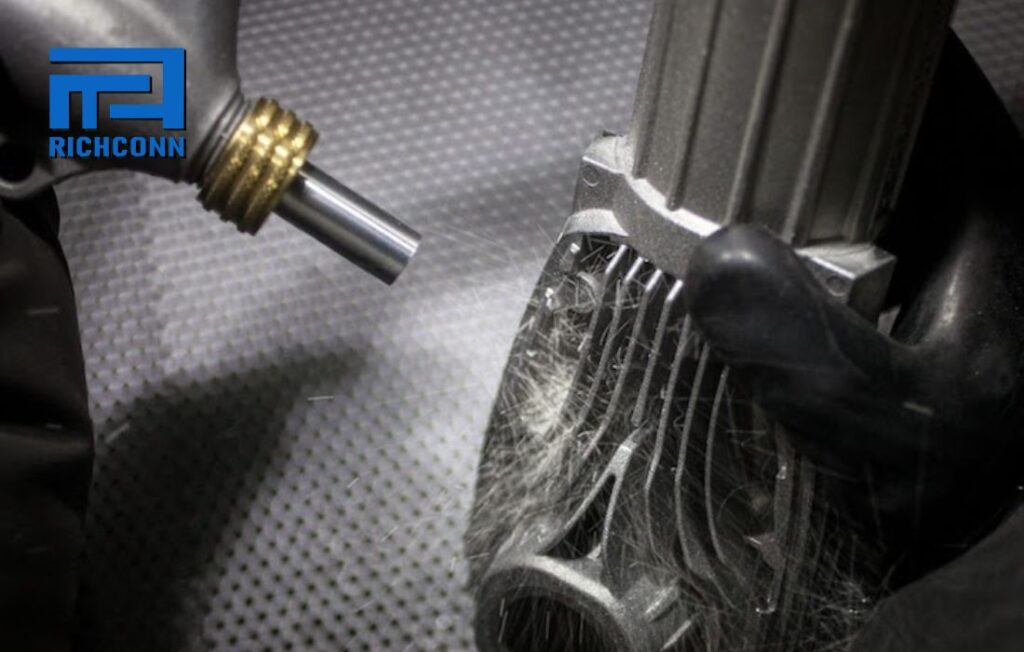
Bead blasting is a finishing technique that uses a pressurized air gun to spray small glass beads onto a part. This process mainly improves aesthetics by creating a smooth, matte, or satin finish with a light texture. It is a primary surface treatment method that mechanically alters the surface to remove excess material and machining marks, resulting in a smoother surface.Bead blasting is commonly used in the automotive, aerospace, and architectural industries for parts such as engine components, aircraft parts, and decorative elements. Manufacturers apply this technique to materials like metal, plastic and glass to achieve an excellent surface finish.
Seven Steps for Achieving a Bead Blast Finish
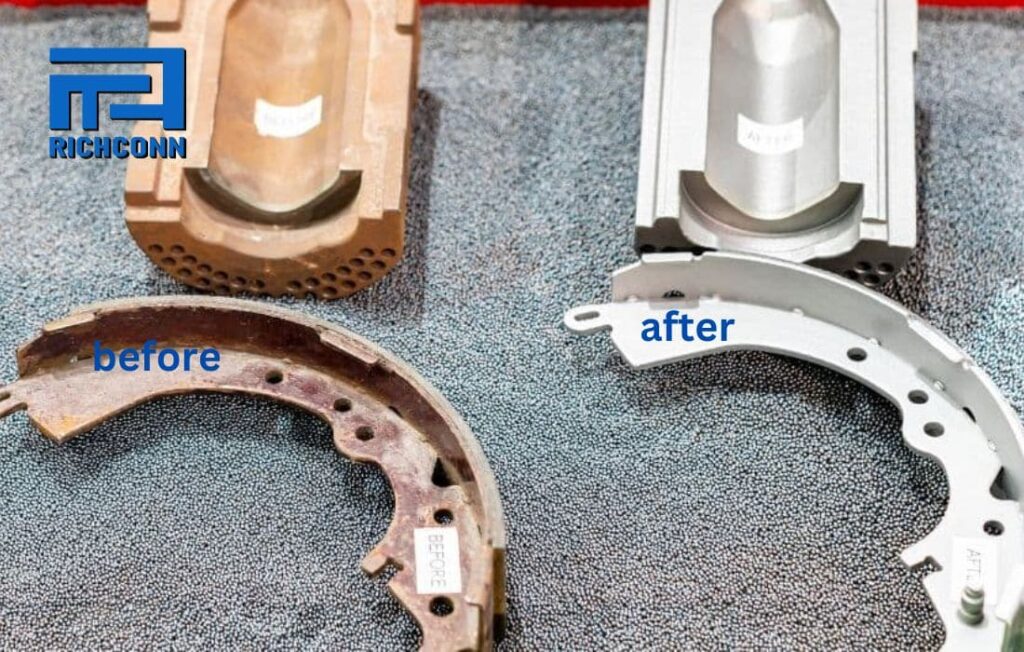
Achieving a high-quality bead blast finish requires a combination of proper preparation, precise execution, and careful inspection. Here’s a step-by-step guide.
1. Surface Preparation
Before starting the bead blasting process, the part must be thoroughly cleaned to remove dirt, oil, and other contaminants. Degreasing or using solvents might be necessary to prepare certain materials.
2. Choosing the Bead Media
Selecting the right type and size of beads which depends on the material and desired finish for your project, options include:
- Glass Beads: Eco-friendly, recyclable, and ideal for uniform finishes without altering dimensions. Best for delicate surfaces.
- Plastic Media: Great for removing coatings and rust without heat buildup, perfect for soft metals like stainless steel.
- Metal Abrasives: Used for satin finishes and surface prep, but can affect part shape. Silicon carbide is a tough, fast-cutting option for harder materials.
3. Equipment Setup
The blasting machine must be set up correctly, with adjustments to air pressure and nozzle settings based on the bead size and material of the part. Higher pressures create a more intense blast, while lower pressures produce a gentler finish.
4. Bead Blasting Process
With the workpiece securely positioned in the blasting booth or cabinet, evenly spray the beads over the surface using a controlled motion. Maintain a consistent distance (typically 6-12 inches) between the nozzle and the part to achieve an even texture. Overlapping each pass slightly ensures uniform coverage, preventing streaks or missed areas.
5. Inspection and Adjustment
Periodically stop to inspect the surface during the blasting process. Check for consistent texture and finish, ensuring the desired matte or satin appearance is achieved.
6. Post-Blasting Cleanup
Once the blasting process is complete, clean the part to remove any residual beads or debris. This can be done using compressed air, brushes, or vacuum systems. The part should be free of loose media and prepared for any further surface treatments.
7. Optional Post-Treatment
Depending on the part’s application, additional treatments may be necessary. For example, applying protective coatings such as anodizing, powder coating, or painting may further enhance the durability and appearance of the bead-blasted surface.
The Effect of Bead Blast Finish on Parts Made from Different Materials.
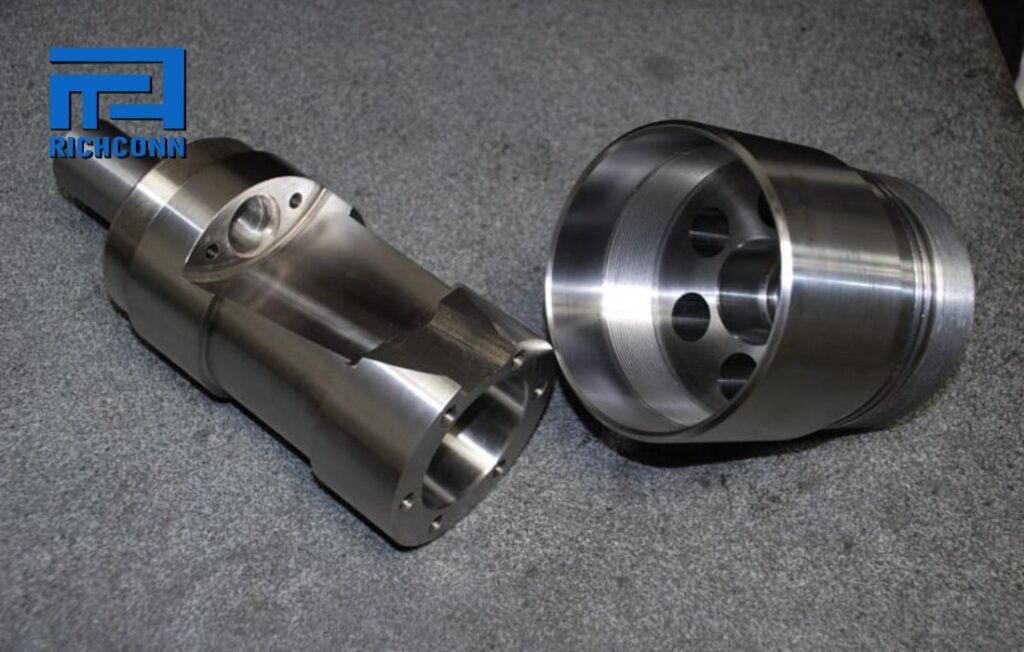
Let’s explore how different materials, both metals and non-metals, respond to the bead blast process to ensure you get the desired surface finish:
- Stainless Steel: Bead blasting creates a textured, fingerprint-resistant finish. However, regular cleaning is necessary to prevent smudges. Also, additional coatings can enhance durability.
- Aluminum: Glass beads can produce anything from satin to semi-polished finishes. Varying the bead size affects the surface coarseness, offering flexibility for different aluminum parts.
- Copper: This method provides smooth, uniform finishes and is less aggressive, making it ideal for achieving a matte look.
- Brass: Bead blasting gives a satin-like finish, improving the appearance of brass components while maintaining their natural luster.
- Aluminum Alloys: Known for corrosion resistance, this finish is perfect for high-strength applications like aerospace parts.
- Plastic: Bead blasting on plastic can create a matte or textured surface, reducing gloss or glare. It’s particularly useful for aesthetic and functional purposes, like grip enhancement.
- Glass: Bead blasting can frost glass surfaces, giving them a soft, translucent appearance. It’s widely used for decorative and privacy purposes in architectural and interior design.
Bead Blasting VS. Sand Blasting: Key Differences
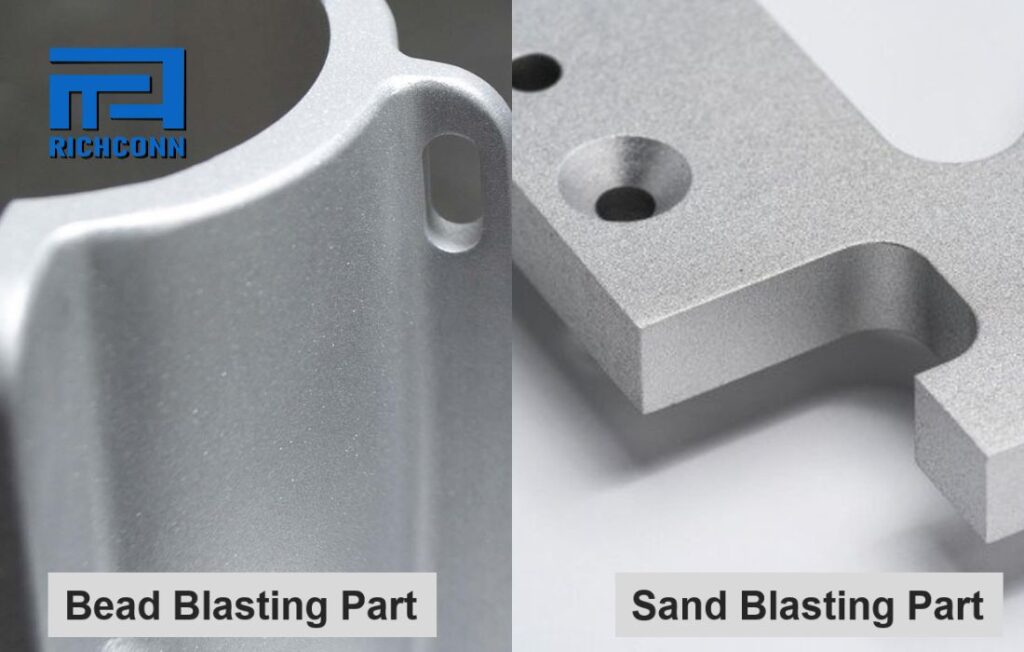
You might have misunderstandings or confusion about bead blasting and sand blasting when you make decisions for some projects. This chart can help you easily differentiate between these two:
| Aspect | Bead Blasting | Sand Blasting |
| Surface Finish | Smooth, satin, or matte finish | Rougher, textured finish |
| Materials Used | Glass beads (less abrasive) | Silica sand, aluminum oxide, steel grit (more abrasive) |
| Application | Automotive, aerospace, decorative surfaces | Industrial, construction, rust removal |
| Aggressiveness | Gentler, preserves material integrity | More abrasive, can wear down surfaces |
| Cost | Generally higher due to material costs | Typically lower, depending on the abrasive used |
| Speed | Slower due to less aggressiveness | Faster due to high abrasion |
| Environmental Impact | Lower due to recyclable glass beads | Can be higher, depending on the abrasive material and containment practices |
Bead Blasting Pros and Cons: Making Informed Choices for Your Projects
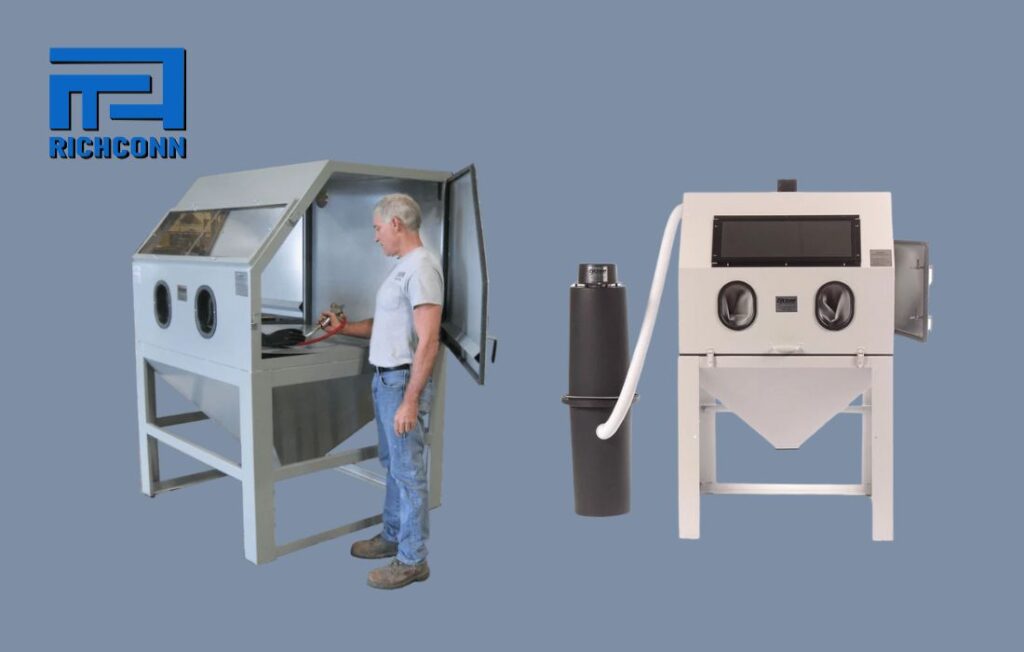
Next, we’ll explore a concise overview of the bead blast finish for your upcoming project.
Pros of Bead Blasting
- Smooth and Uniform Finish: Bead blasting delivers a clean, satin-like surface, perfect for applications that require a polished look, such as automotive or electronics industries.
- Non-Abrasive Process: This method is gentle on materials, ideal for delicate parts or precision components in aerospace and medical industries.
- Improved Corrosion Resistance: It enhances corrosion resistance on metals like stainless steel by removing contaminants and prepping the surface for further treatments.
- Environmentally Friendly: Bead blasting uses recyclable, non-toxic media, reducing waste and environmental impact.
Cons of Bead Blasting
- Limited for Heavy-Duty Cleaning: It’s less effective at removing thick coatings or rust, requiring more aggressive methods like sandblasting for tougher jobs.
- Slower Process: Due to its gentle nature, bead blasting can be slower than other methods, which may be a concern for time-sensitive projects.
- Higher Costs: The media and equipment used in bead blasting tend to be more expensive, increasing overall operational costs.
- Minimal Surface Texture: Bead blasting creates a smooth finish but isn’t suitable for applications requiring rough or textured surfaces.
Applications for Bead Blast Finish
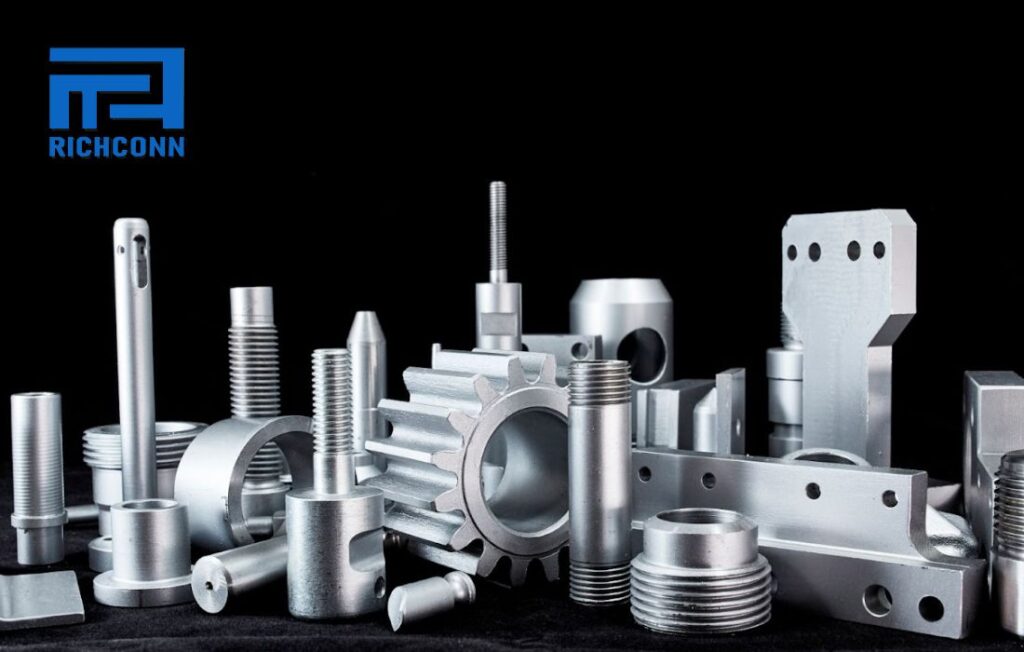
Bead blasting is versatile, providing a durable and pleasing finish. From automotive and aerospace parts to medical equipment and consumer electronics, its application helps enhance both the function and appearance of various products.
Automotive Industry
Bead blasting is commonly applied to automotive components like engine parts, gears, and brake components. It removes surface contaminants and provides a clean, matte finish.
Aerospace Industry
Aerospace components, such as turbine blades and landing gear, benefit from bead blasting’s ability to smooth surfaces without compromising material integrity. This finish helps reduce stress concentrations, improving part longevity and performance.
Medical Equipment
Bead blasting creates a non-porous, smooth finish, which helps in minimizing the risk of bacterial growth and ensures the material can be easily sterilized. It’s commonly used on surgical instruments, orthopedic implants, and dental tools. The process also helps implants, like titanium joints or bone screws, integrate more smoothly into the body.
Consumer Electronics
The sleek, modern look of smartphones, laptops, and other consumer electronics often involves bead blasting.Manufacturers of aluminum and stainless steel enclosures frequently use bead blasting to achieve a polished yet understated appearance.
Architecture and Interior Design
Bead blasting is used in architectural elements like railings, countertops, and fixtures made of stainless steel or aluminum.This makes it a preferred choice for both interior and exterior design elements, providing a modern, industrial look.
Industrial Equipment
For industrial tools, bead blasting is used to remove surface imperfections and prepare the equipment for additional treatments like anodizing or painting, ensuring better adhesion and longer-lasting coatings.
Factors Affecting the Effect of Bead Blast Finish
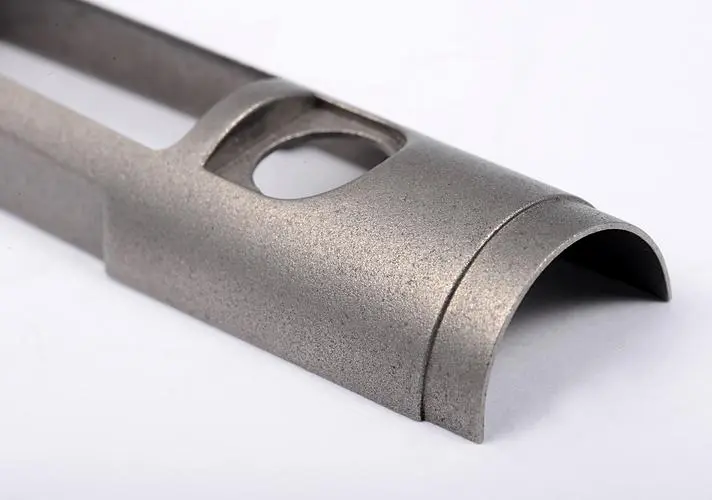
The quality and appearance of the Bead Blast Finish are influenced by several key factors. Understanding these factors can help you achieve the desired surface texture and finish for your parts:
- Bead Material and Size: Smaller beads create a smoother finish, while larger beads produce a coarser, matte look. Different materials, such as glass, ceramic, or steel, can also influence the outcome.
- Blasting Pressure: The air pressure applied during the process determines how aggressively the beads strike the surface. Higher pressure creates a more pronounced texture, while lower pressure results in a more subtle finish.
- Blasting Time: The duration of bead blasting affects the consistency and evenness of the finish. Longer exposure leads to a deeper and more uniform texture, but over-blasting can wear down delicate features.
- Material of the Part: Softer materials may require more delicate blasting to avoid damage, while harder metals can withstand higher pressures and longer blasting times.
- Part Geometry: Complex shapes, sharp edges, or tight corners can influence how the beads impact the surface. These areas may require special attention to ensure consistent coverage and finish.
- Surface Condition Before Treatment: Pre-treatment conditions like scratches, burrs, or oxidation can affect the final result. Proper surface preparation is essential for achieving a uniform finish.
Common FAQs About Bead Blast Finish
What materials are suitable for bead blasting?
Bead blasting works on a wide range of materials, including metals (stainless steel, aluminum, titanium), plastics, glass, and rubber. Its versatility makes it an ideal finishing method for many industries, from automotive to medical devices.
Does bead blasting affect the material’s dimensions?
No, bead blasting does not significantly change the dimensions of the material. Since it is a non-abrasive process, it only removes a small layer of surface material, typically machining marks or surface imperfections, while preserving the part’s overall geometry.
What are the cost implications of bead blasting?
Bead blasting tends to be more expensive than other surface treatment methods due to the cost of media and equipment. However, its benefits in terms of surface quality, precision, and environmental friendliness can outweigh these costs, particularly in high-end or precision-driven industries.
Conclusion
Bead blasting is a highly effective surface finishing technique that delivers a smooth, matte, or satin finish, enhancing both the appearance and performance of parts in industries like automotive, aerospace, and consumer electronics. While it offers several advantages such as improved corrosion resistance, environmental friendliness, and material preservation, it may not be suitable for heavy-duty cleaning or projects requiring a rough surface texture.
Hopefully, after reading through all about bead blasting in our article, you can make wise decisions for your CNC machining projects, ensuring the desired finish and performance outcomes.As a professional cnc service provider, Ancastings offers expert bead blasting and other surface finishing services, ensuring high-quality results tailored to your needs. Contact us now to get a professional solution and quotation!