
The world of manufacturing has been fundamentally transformed by the innovative integration of Computer-Aided Design (CAD) and Computer-Aided Manufacturing (CAM). These two robust tools of the digital revolution work in harmony to create a streamlined process that spans the entirety of the production lifecycle – from initial conceptualization to final product creation.
CAD and CAM have effectively bridged the gap between the design and manufacturing phases of production, enhancing operational efficiency, and ensuring product precision. This article explores how the combination of these two technologies is improving manufacturing operations around the world by increasing efficiency and precision.
What is CAD?
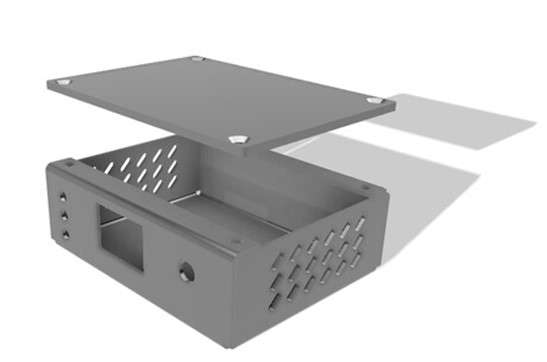
Computer-Aided Design (CAD) is a technological marvel that’s redefined the landscape of design in manufacturing. CAD is software that allows designers and engineers to create, modify, analyze, and optimize a design, all in a virtual environment. This software provides the opportunity to make detailed 3D models of the product, offering a clear vision of what the final output will look like.
Table 1: Core Features of CAD Software
| Features | Description |
|---|---|
| Precision Designing | CAD software provides tools for creating intricate and precise designs that would be challenging to accomplish manually. |
| 3D Modeling | Allows designers to visualize the product in three dimensions, providing a comprehensive view of the design. |
| Simulation Capabilities | Designers can simulate real-world conditions to test the product’s performance and make necessary adjustments. |
| Collaboration Tools | CAD software often includes tools for sharing designs and collaborating with other team members, improving communication and coordination. |
What is CAM?
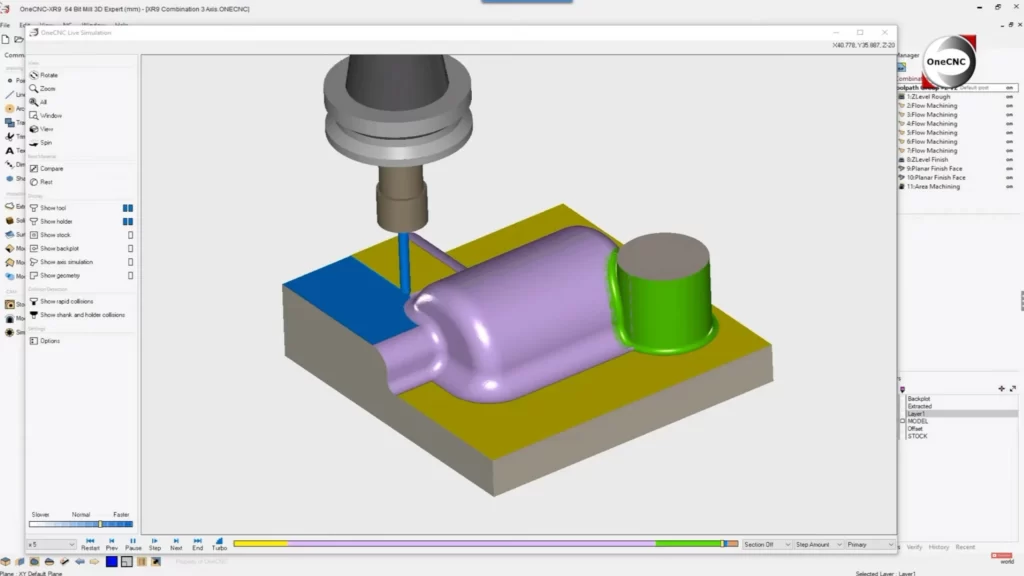
CAM, or Computer-Aided Manufacturing, is the subsequent step to CAD in the production process. While CAD is concerned with the design aspect, CAM takes the baton when it’s time to turn the design into a tangible product. CAM software translates the digital designs created with CAD into real-world manufacturing instructions that computer numerical control (CNC) machines can understand and execute.
Bulleted List: Key Features of CAM Software
- CNC Programming: CAM software generates G-code, the language that CNC machines understand. This code instructs the machine about the movements it needs to perform to create the designed part.
- Machine Toolpath Creation: The software calculates the most efficient tool path to minimize production time and material wastage.
- Simulations and Verifications: Before the real machining process begins, CAM software can simulate the process to identify potential collisions or errors, saving time and resources.
- Post-processing: CAM software can adjust the G-code for specific machine capabilities, enabling interoperability between various CNC machines.
Through the integration of CAD and CAM, the journey from design to production has become a seamless transition, enhancing both speed and precision in the manufacturing industry.
The Intricate Relationship Between CAD and CAM
The union of CAD and CAM is a game-changer for the manufacturing industry. When used independently, both CAD and CAM serve pivotal roles in product design and creation. However, when combined, they streamline the entire production process by creating a direct line of communication between design and execution.
1. Design-to-Product
The integration of CAD and CAM software offers a plethora of benefits that make the design-to-product process significantly more efficient. This integration allows designers to work hand-in-hand with the production team, which ensures that their designs are realized with utmost accuracy. The ability to work together in a synergistic workflow helps reduce errors and speeds up the overall production time. With this integration, CAD and CAM software can work together seamlessly, making it easier for the production team to understand the design and instructions. This, in turn, leads to an easier and quicker manufacturing process.
2. Iterative Process
One of the major advantages of CAD-CAM integration is the ability to iterate and adapt quickly. With this integration, modifications in the design can be instantly reflected in the manufacturing instructions. This means that the team can work together to make necessary changes without wasting time. This ability to adapt quickly is essential in the fast-paced manufacturing world where design changes can often be necessary. CAD-CAM integration allows for a more efficient and streamlined production process, which ultimately leads to higher productivity and increased profits.
The Impact of CAD-CAM Integration on the Manufacturing Industry
The integration of CAD and CAM has not only made the manufacturing process faster and more efficient, but it has also opened up new avenues for innovation and creativity.
Table 2: Impacts of CAD-CAM Integration
| Impact | Description |
|---|---|
| Efficiency | CAD-CAM integration eliminates the need for manual translation of designs into manufacturing instructions, reducing the likelihood of errors and significantly cutting down production time. |
| Innovation | The ability to visualize and test designs in a virtual environment before production encourages experimentation and innovation. |
| Precision | CAD-CAM software provides an unprecedented level of detail and accuracy, enabling the production of intricate designs that may be challenging to produce manually. |
| Customization | The automation brought about by CAD-CAM allows for cost-effective production of customized products. |
Let’s Start A New Project Today
Advantages and Limitations of CAD-CAM Integration
While CAD-CAM integration brings numerous advantages, it also comes with its own set of limitations. Understanding these can help companies and manufacturers make an informed decision on implementing this technology.
Advantages
- Efficiency and Accuracy: As discussed earlier, CAD-CAM integration facilitates a seamless transition from design to manufacturing, enhancing efficiency and accuracy.
- Consistency: With automated instructions, the manufacturing process is consistent, which is crucial for mass production.
- Enhanced Capabilities: The use of CAD-CAM technology allows manufacturers to undertake complex projects which would be challenging manually.
Limitations
- Cost: The initial investment for CAD-CAM software and training can be high. However, the long-term benefits of improved efficiency and productivity often justify the expense.
- Training: Implementing CAD-CAM technology requires a certain level of technical skill. Thus, staff training becomes a prerequisite to fully utilize the software.
- Dependence on Electricity: Being digital, CAD-CAM systems are dependent on a constant power supply. Any power disruptions can cause interruptions in the manufacturing process.
The advantages and limitations of CAD-CAM integration highlight the need for companies to carefully consider their specific circumstances and requirements before implementing this technology. With a well-thought-out implementation strategy, businesses can maximize the benefits of CAD-CAM integration while minimizing its limitations. Ancastings’ CNC Machining Services, with its sophisticated CAD-CAM integration, can help you navigate this transition seamlessly.
Future Perspectives: The Continuing Evolution of CAD and CAM
The future of manufacturing lies in the continued evolution and enhanced integration of CAD and CAM. As technologies like artificial intelligence (AI), machine learning (ML), and the Internet of Things (IoT) continue to mature, they will further revolutionize the CAD-CAM landscape.
- AI and Machine Learning: Incorporating AI and ML into CAD-CAM systems could automate design and manufacturing processes even more, reducing the need for human intervention, and enhancing precision and efficiency. With AI and ML, CAD-CAM systems could learn from previous designs and manufacturing processes, which could lead to the development of more advanced systems that could predict potential problems and suggest solutions. Furthermore, AI and ML could help manufacturers optimize their designs and manufacturing processes in real-time, resulting in higher-quality products.
- IoT: The integration of IoT technology with CAD-CAM systems could facilitate real-time monitoring and feedback, enabling manufacturers to improve the manufacturing process continually. With IoT, CAD-CAM systems could collect and analyze data from various sensors and devices, providing manufacturers with valuable insights into their processes. IoT could also enable manufacturers to monitor the performance of their machines and equipment, ensuring that they are operating efficiently and minimizing downtime. Additionally, IoT could help manufacturers improve their supply chain management, allowing them to track their products throughout the production process and ensure that they are delivered on time and in good condition.
Summing Up
The partnership between CAD and CAM has reshaped the landscape of manufacturing. The ability to create intricate designs in a digital environment and then efficiently transform those designs into physical products is revolutionizing the industry. With continued technological advancements and increased integration, the CAD-CAM marriage promises to continue propelling the manufacturing industry toward a future of infinite possibilities.
At Ancastings, we understand the importance of staying up-to-date with the latest technological advancements in manufacturing. That’s why we utilize cutting-edge CAD and CAM software in CNC machining to ensure that our products are designed and manufactured with the utmost precision and efficiency.
FAQs
What is the difference between CAD and CAM?
CAD (Computer-Aided Design) software is used for creating precise 3D models of products in a digital environment, while CAM (Computer-Aided Manufacturing) software translates these digital designs into instructions for manufacturing machinery.
Why is the integration of CAD and CAM important in manufacturing?
The integration of CAD and CAM streamlines the design-to-product process, enhancing efficiency, reducing the likelihood of errors, and speeding up production time.
How does CAD-CAM integration influence innovation in the manufacturing industry?
CAD-CAM integration encourages innovation by allowing designers to experiment with designs in a digital environment before they are manufactured. It also makes the production of complex and customized designs more feasible.
What does the future hold for CAD and CAM technology?
Future advancements in CAD and CAM technology are likely to involve greater integration with artificial intelligence, machine learning, and Internet of Things technologies. These integrations could automate the manufacturing process even more and allow for real-time feedback and continual improvements.