
Are you confused in deciding between bevels and chamfers for your project? These are two edge cutting methods that seem similar but they have their own purposes & advantages. In this blog post we’ll see the basic differences between bevels and chamfers. We’ll also talk about the tools, techniques and their uses in different situations.
What is Chamfer?
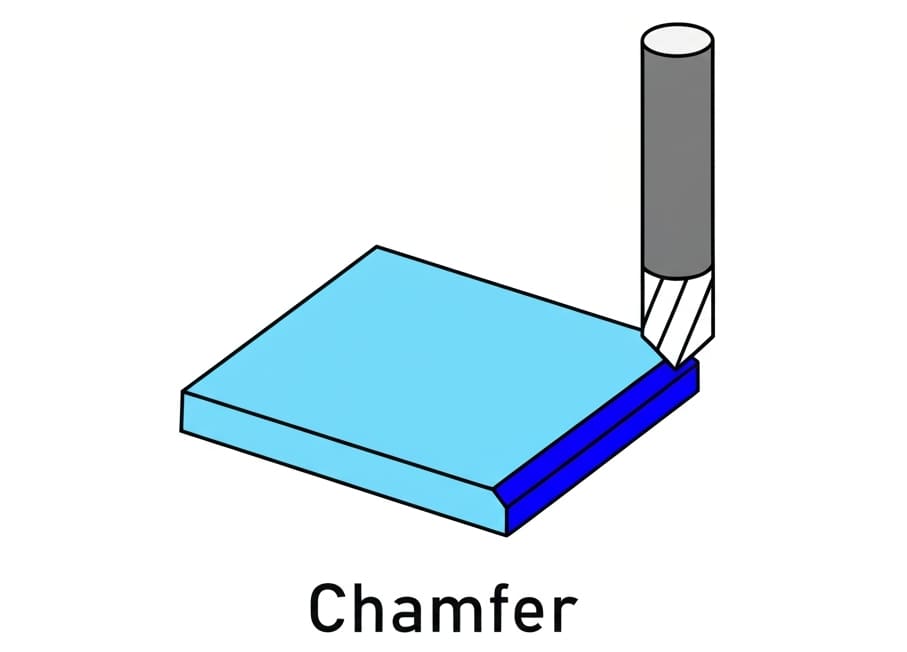
In simple terms, chamfer is a flat & angled edge that is created by removing a sharp 90-degree edge from a part. Most chamfers are made at a 45-degree angle. This simple change increases safety, makes assembly of parts smoother and also lessens stress on the edge.
What is Bevel?
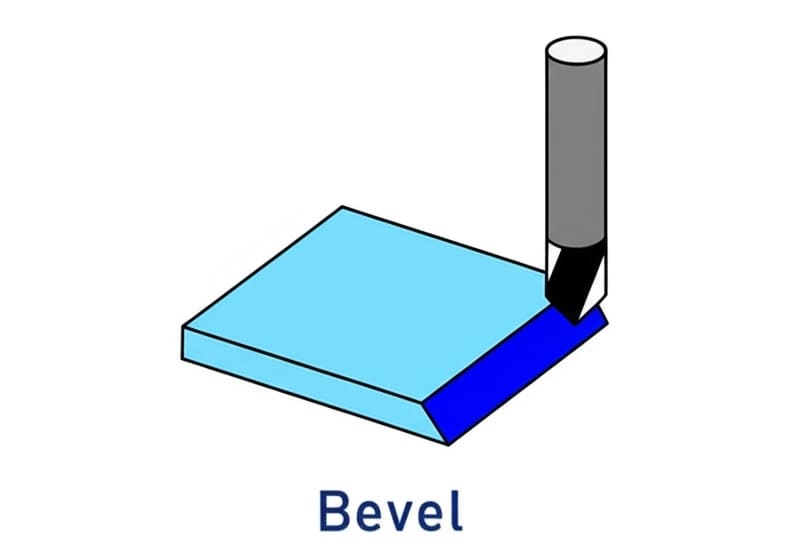
A bevel is created when you cut the edge of a material at an angle other than 90 degrees. Usually it is made at angles of 30 degrees to 45 degrees. Bevel creates a smooth and gradual transition between 2 surfaces. Bevels help secure parts and they also improve their appearance.
Functional and Geometrical Differences
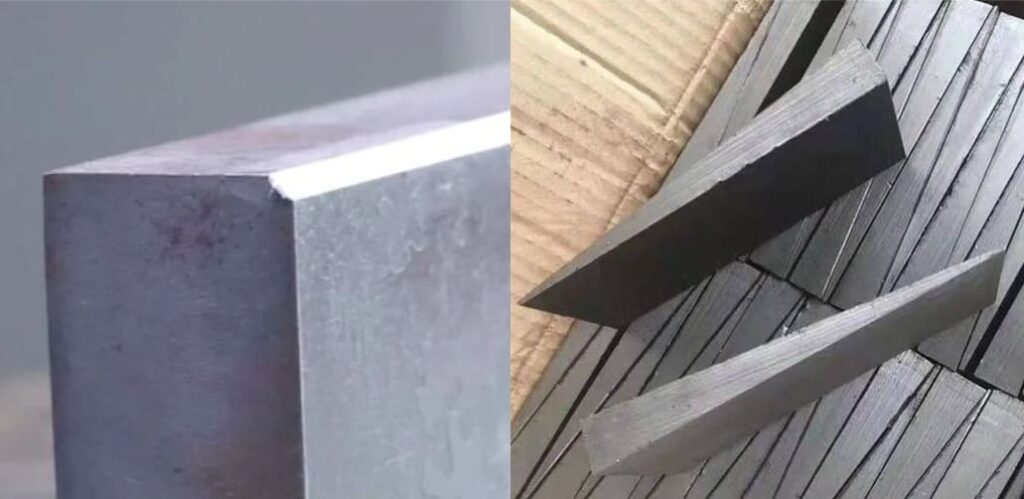
Chamfer and bevel both remove the sharp corners of parts but their uses and shapes are not exactly the same. This difference affects part’s performance and its manufacturing cost.
Material Removal and Depth
Chamfers remove very little material which is just enough to soften a sharp corner or edge. But bevels are usually much deeper.
Sometimes bevels go through the complete thickness of the part particularly in welding & structural applications. This deeper bevel cut generally results in a greater amount of material being used.
Orientation and Angle
Chamfers are generally made at a fixed angle of 45 degrees which results in a consistent edge every time. On the other hand bevels can be made at angles between 30 and 60 degrees or at other angles for some unique uses. This feature makes bevel best for complex shapes.
Visual and Structural Impact
Generally chamfers produce clean and sharp edges. The smooth surface of these edges refracts light evenly which results in a professional and clear look. Bevels, on the other side, create a smooth & gradual transition between the edges. This creates a more refined visual effect.
And if the structure is compared, bevels provide a much larger bonding area for strong joints & chamfers help spread the stress in mechanical parts.
Tools and Techniques for Making Bevels and Chamfers
Choosing the right methods and appropriate tools is very important for making bevels and chamfers accurately. Different types of edge treatments require different tools. Now let’s discuss these tools.
Beveling Tools
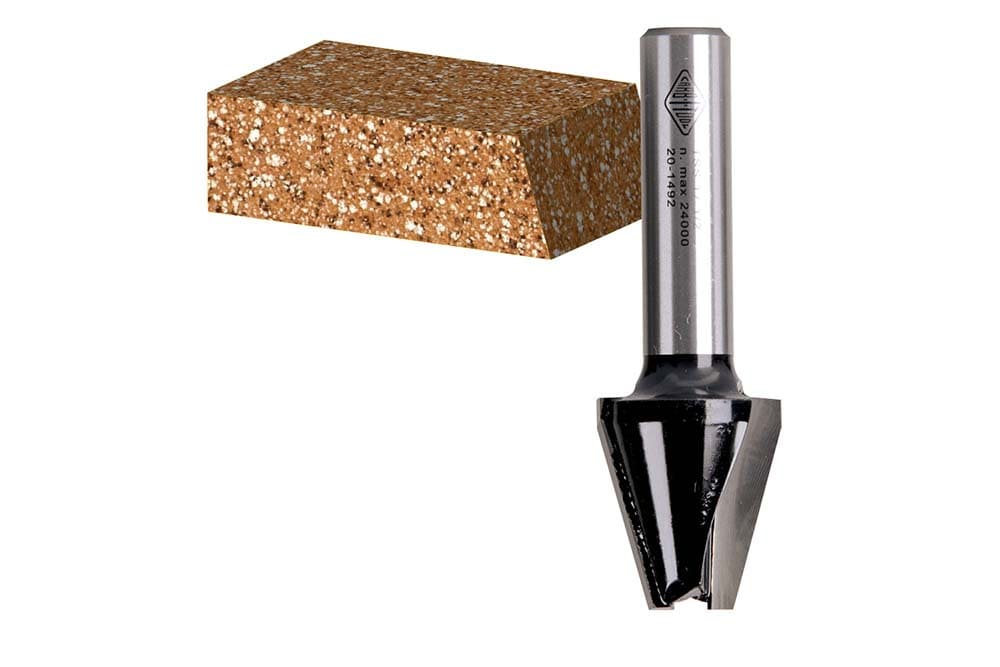
Beveling machines are commonly used to make bevels. These machines can be tabletop, handheld or completely automated and they can be set at different angles. Beveling machines can work on different materials such as pipes, sheets & plates.
Solid carbide bevel heads are also very common as they last a very long time and give almost the same result every time. For construction and welding work special beveling machines like plate beveling tools or pipe bevelers are used because they produce edges accurately.
Chamfering Tools
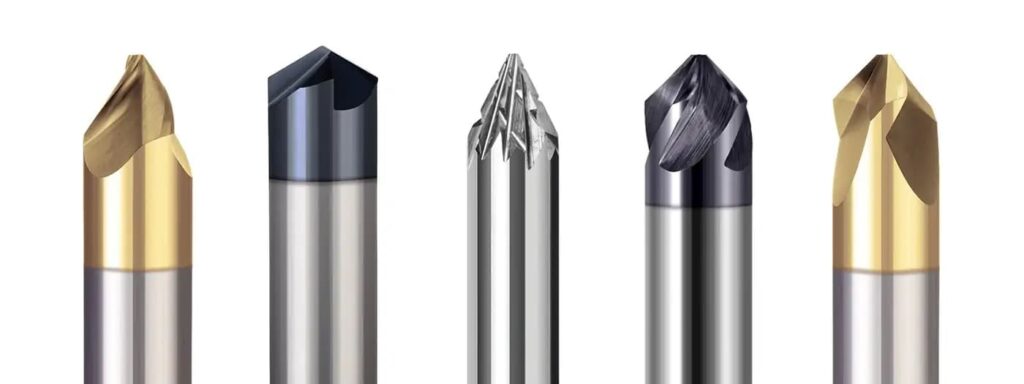
Handheld tools are generally used for small chamfering tasks but machine-mounted tools are more beneficial for large scale production. Indexable chamfers, end mills and chamfer mills are among the common chamfering tool choices. These tools are durable because they are mostly made of high speed steel or carbide steel.
And when you need to work on many parts at the same time, special chamfering machines are usually the machines of choice. These specialized machines greatly increase efficiency and keep the results consistent. And for accessing tight spaces or for working on complex parts, compact chamfer tools & back chamfer mills help you reach difficult edges.
Measurement and Precision
Both bevels and chamfers require high precision. Optical comparators and chamfer gauges are commonly used to measure chamfers. Digital models are also available that provide measurement accuracy down to 0.01 mm.
Bevel protractors are commonly used to measure bevels. They allow the angle to be checked directly to ensure tight tolerances for assembly and welding.
If you need even greater accuracy, Ancastings’ digital metrology lab uses modern equipment to inspect bevels and chamfers. These equipment make sure that parts will fit correctly after manufacturing.
Chamfer vs Bevel Comparison Table
| Feature | Chamfer | Bevel |
|---|---|---|
| Usual Angle | Commonly 45° | Variable; usually 25°- 45°, but can be 30°, 60° or other custom angles according to requirements |
| Depth | Usually shallower & often specified by leg length (which is distance along each original face) | Often deeper and can extend across much or all of the thickness |
| Material Removal | Generally remove less material overall | Bevels particularly deep ones for welding remove a lot more material |
Approaches for Overcoming Limitations
Bevels and chamfers both face some limitations and it takes a lot of techniques and good planning to mitigate these issues. If you follow the below given strategies you can overcome most common limitations.
Best Practices for Chamfer Limitations
- To make accurate 45-degree cuts every time utilize CNC machines with specialized end mills.
- Keep the chamfers’ width small to limit chatter and control tool deflection during machining.
- Pre machine large chamfers (mainly C5 or above) with a counterbore cutter or drill. This step will minimize vibrations.
- When exact dimensions are not important, wide tolerances should be used because they facilitate manufacturing.
For Overcoming Bevel Limitations
- Divide the machining process into multiple stages. This will save manufacturing time & reduce material wastage.
- To lessen radial cutting forces you should choose a cutting tool with helix angles and a large rake.
- For making bevels at intricate angles use portable beveling machines. These machines help maintain precision along with decreasing setup expenses.
- Tools wear out very quickly in beveling; therefore choose carbide bevel headers to prolong the life of tools. These headers are also useful for giving consistent results and for eliminating the need for further finishing.
Advantage & Disadvantage
Chamfers
Benefits
- Chamfers remove sharp edges on objects. This prevents injuries during assembly and handling.
- Chamfers also lessen stress at sharp edges helping stop material failure and cracks. This greatly increases the life of components particularly in load bearing applications.
- Another major benefit of chamfers is that they help parts fit together correctly in assembly. This decreases the time needed to install the components and also reduces the risk of damaging them.
Disadvantages
- Chamfering takes out material from the load bearing area and this removal can weaken parts under high stress conditions.
- Chamfers are usually made at 45°angles which can be a problem if your design requires an angle other than that.
Bevels
Advantages
- A great feature of bevels is that they spread stress over a wide area which allows components to better withstand dynamic loads. This durability is particularly important for aerospace and automotive parts.
- Beveled edges withstand chipping & edge damage better than honed edges which greatly extends the life of the parts. It also minimizes maintenance expenses.
- The bevels can be formed at many angles from 15 to 60 degrees. This flexibility helps meet specific design requirements.
Disadvantages
- Bevels’ creation requires specialized tools & several machining steps, which increases the cost. But if you choose an experienced manufacturer like Ancastings they can use modern CNC and fabrication methods to keep your project cost-effective & efficient.
- A lot of material is extracted to make bevels, which increases waste disposal and raw material expenses.
Applications in Different Industries
Woodworking and Carpentry
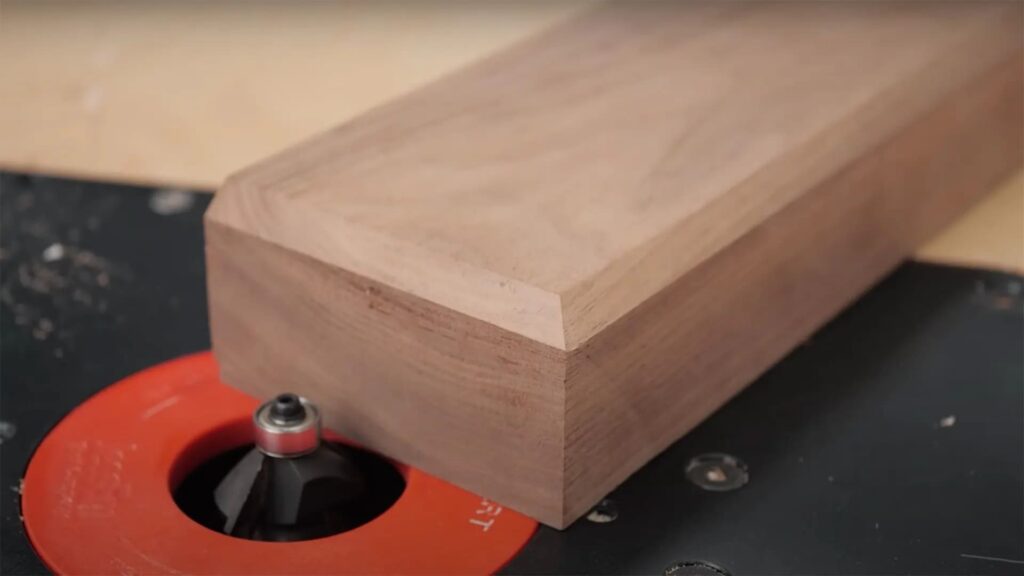
Woodworkers and carpenters commonly use bevels and chamfers for their visual and practical benefits.
Chamfers are very commonly seen on door frames, cabinets and the edges of furniture. Their function is to eliminate splinter and to provide a clean and finished look.
Bevels, on the other hand, add decorative details to high quality furniture & architectural millwork. They also create a smooth transition between surfaces which improves the overall design.
Machining and Manufacturing
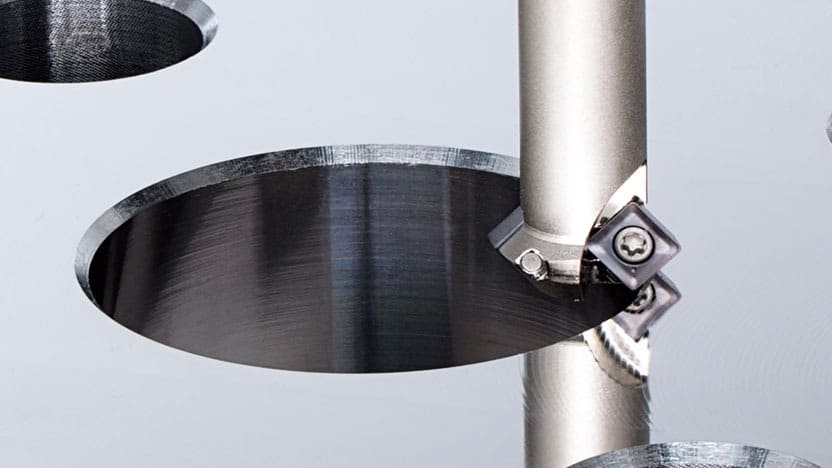
Factories commonly use chamfers to remove sharp edges from plastic & metal parts. This process aids parts fit together smoothly and reduces the risk of cuts for workers.
Bevels play a very important role before welding. They increase the surface area of the part being welded. This strengthens the weld, resulting in more durable joints in aircraft and vehicles.
Electronics and Product Design
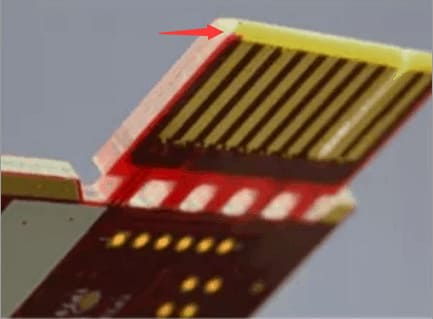
Chamfers are largely used in consumer electronics because of their manufacturing efficiency & ergonomic advantages.
Smartphone cases often have chamfered edges. These improve their grip and give them a high quality appearance. Circuit board casings also use chamfers to facilitate automated assembly. In addition, the chamfers protect against damage during handling. Bevels are commonly seen in product housings. Bevels make the appearance of these devices beautiful and improve their fit as well.
Construction and Architecture
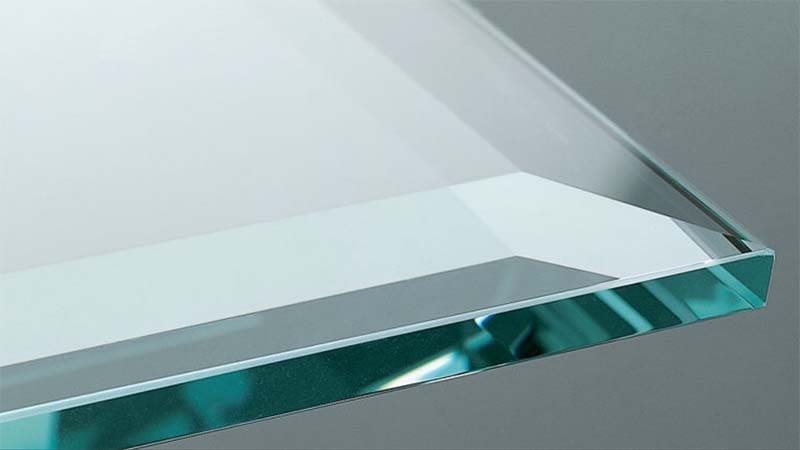
Builders and architects use bevels to regulate structural changes and to add decorative touches. The edges of glass panels are mostly beveled. This gives them a refined appearance. In construction chamfers are used on concrete parts to prevent edge breakage and also to increase their strength.
Steelworkers largely depend on beveled edges for weld preparation. Beveled edges ensure that the weld penetrates properly and strong joints are formed.
When to Use Bevel or Chamfer
The specific needs of your project will determine whether you should use a chamfer or a bevel. If you want the parts to be safe then pick chamfer because it eliminates sharp edges that can be the reason for injuries. Chamfers are also budget effective and are suitable for general assembly tasks.
But if your design requires strong joints then you should opt for bevels. Bevels can also handle variable angles in complex designs. But it should be kept in mind that bevels are more time consuming to make and are costly too.
If you are confused about which edge treatment is better for your parts you can contact Ancastings. Our engineers will give you the best advice according to your material, design and part usage.
To Sum Up
Both bevels and chamfers play an important role in design and manufacturing. Chamfers are ideal for easy assembly, clean appearance and safety while bevels are best for smooth transitions and strong joints. Before you make a decision think about your material, budget and project requirements.
If you need any kind of edge finishing or CNC machining services then Ancastings is your best option. You can contact us anytime.
Common Question
Do bevels and chamfers affect the strength of a joint?
Yes both features can affect the strength of joints. Bevels increase the strength of joint by increasing the bonding area and chamfers spread the stress which reduces the risk of weak points in the joint.
Between chamfer and bevel, which is more effective in preparing joints for welding?
Bevels are better for welding preparations because they make the bonding area larger which results in strong weld.
What role do bevels & chamfers play in fluid dynamics?
Chamfers reduce turbulence, guide fluid flow and improve fluid cooling by reducing flow resistance.
Does adding bevels and chamfers increase the cost of CNC machining?
Yes bevels and chamfers increase cost of CNC machining because they require additional machining and time to achieve the correct edge.
Which should be used for 3D printed parts, chamfers or bevels?
Chamfers are generally the better choice for 3D printed parts.
Can chamfered edges make handheld devices more comfortable to use?
Yes adding chamfered edges makes it easier to grip the devices. They also remove the sharp corners which could cause discomfort.