
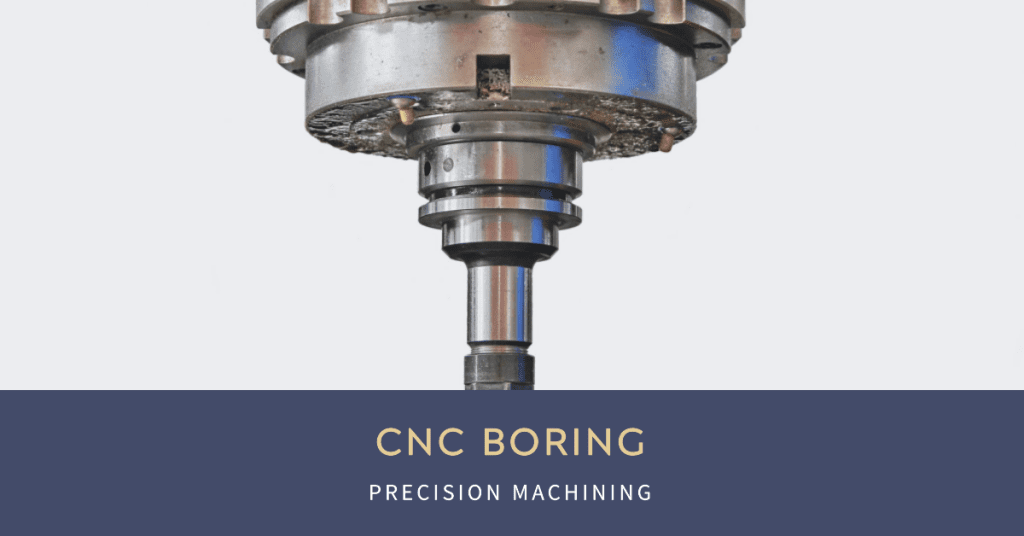
CNC boring is a critical process for manufacturing high-precision components used in numerous industries. The key to successful CNC boring lies in understanding the various tools and operational parameters that influence the process. By carefully selecting the right CNC Boring Tools and optimizing their settings, you can create complex and intricate components with unparalleled precision and accuracy. Additionally, understanding the optimal parameters for the process can help minimize waste and maximize efficiency, resulting in cost savings and increased productivity.
This article will explore the various CNC boring tools, their functions, and the critical operational parameters to consider for optimal results.
CNC Boring Tools: An Overview
CNC boring is a complex process that requires a deep understanding of the tools and parameters involved. In this article, we will take an in-depth look at the various CNC boring tools, including boring bars, boring heads, inserts, and tool holders, and their functions in the boring process.
1. Boring Bars
Boring bars are the primary cutting tools used in CNC boring operations. They are elongated, rigid shafts with a cutting edge at one end, specifically designed to remove material from the interior of a workpiece. Boring bars are supported by the machine tool and rotate around their longitudinal axis. Boring bars are used for a variety of applications, such as enlarging existing holes, correcting hole geometry, achieving precise diameters, and producing high-quality surface finishes.
Types of boring bars
- Solid Carbide Boring Bars: These bars offer higher rigidity, improved wear resistance, and better heat resistance compared to high-speed steel bars. Thus, they are suitable for machining harder materials and achieving superior surface finishes.
- High-Speed Steel (HSS) Boring Bars: HSS bars are more flexible and less brittle than carbide bars. Therefore, they are suitable for machining softer materials and for low-volume production.
- Carbide-Tipped Boring Bars: These bars consist of a high-speed steel body with a carbide-cutting tip. As a result, they combine the flexibility of HSS with the wear resistance of carbide.
2. Boring Heads
Boring heads are adjustable devices that hold the boring bars during machining. They enable fine adjustments for precision hole sizing and can accommodate different boring bar sizes and geometries. The applications of boring heads include conjunction with boring bars to achieve accurate hole dimensions, maintain consistent tool geometry, and provide increased stability during machining.
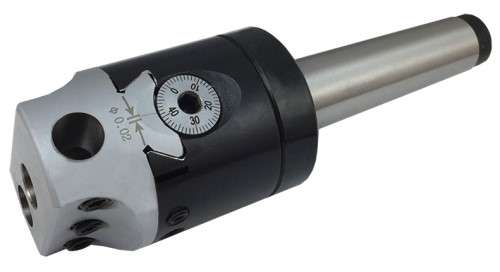
Boring head
Types of boring heads
- Fixed-Pocket Boring Heads: These heads feature pre-defined slots to hold the boring bars and are generally used for single-diameter boring operations.
- Modular Boring Heads: These heads allow for the interchangeability of boring bars and other tooling components, providing greater flexibility and adaptability for various hole sizes and geometries.
- Twin Cutter Boring Heads: These heads have two cutting edges, allowing for simultaneous roughing and finishing operations, resulting in reduced machining time and improved surface finishes.
3. Inserts
Inserts are cutting edges that can be replaced and attached to boring bars or boring heads. They come in various shapes, sizes, and materials, allowing for customization based on specific machining requirements. Inserts are used for a range of applications, including roughing, finishing, and profiling internal hole surfaces. The choice of insert material and geometry depends on the workpiece material, cutting parameters, and desired surface finish.
Types of inserts
- Carbide Inserts: These inserts offer excellent wear resistance and heat resistance, making them suitable for machining hard Boring Materials and achieving long tool life.
- Ceramic Inserts: Ceramic inserts provide high cutting speeds and wear resistance, making them ideal for high-speed machining operations and difficult-to-machine materials.
- Polycrystalline Diamond (PCD) Inserts: PCD inserts are ultra-hard cutting tools with exceptional wear resistance and cutting-edge sharpness, making them ideal for machining abrasive materials and achieving superior surface finishes.
4. Tool Holders
Tool holders are devices that secure the boring tools (boring bars, boring heads, or inserts) to the CNC machine spindle. They ensure proper alignment, rigidity, and stability of the boring tools during machining.
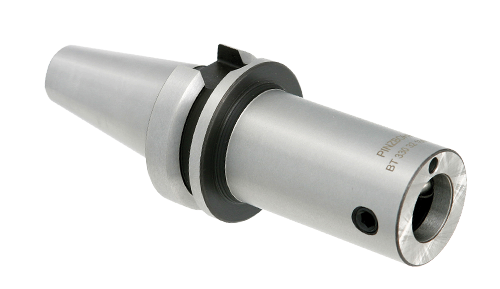
Boring tool holder
Types of tool holders
- Collet Chucks: These chucks use a collet to securely grip the tool shank, providing high precision and minimal runout.
- End Mill Holders: End mill holders are designed to hold tools with a straight shank, offering high rigidity and accuracy.
- Hydraulic Chucks: Hydraulic chucks use hydraulic pressure to grip the tool shank and provide high clamping force and rigidity
Bore vs Drill: Drill tools and bore tools serve different purposes in machining. drill tools create new holes by cutting into the material with a rotating bit, usually guided by a drill press or CNC machine. They are ideal for initiating holes with high precision and speed. On the other hand, bore tools enlarge and refine existing holes.
Try Ancastings Now!
Summary of Tool Types: Material & Applications
| Tool Type | Description | Material | Applications |
|---|---|---|---|
| Boring Bars | Primary cutting tools with rigid shanks and cutting edge | High-speed steel (HSS), solid carbide, or carbide-tipped materials | Enlarge existing holes, correct hole geometry, and achieve precise diameters and finishes |
| Boring Heads | Adjustable devices that hold boring bars and enable fine adjustments | Various types, including fixed-pocket and modular designs | Achieve accurate hole dimensions and finishes |
| Inserts | Replaceable cutting edges used with boring bars and heads | Carbide, ceramic, or polycrystalline diamond (PCD) | Roughing, finishing, and profiling of internal hole surfaces |
| Tool holders | Devices that secure boring tools to the machine spindle | Various types, such as collet chucks, end mill holders, and hydraulic chucks | Ensure proper alignment, rigidity, and stability of boring tools during machining |
Operational Parameters in CNC Boring
Operational parameters in CNC Boring refer to the various factors that influence the machining process, such as cutting speed, feed rate, depth of cut, and coolant and lubrication. By carefully selecting and optimizing these parameters, you can achieve maximum efficiency and precision in your CNC boring projects while minimizing waste and tool wear. Now, let’s take a closer look at each of these parameters.
| Parameter | Definition | Factors | Optimization |
|---|---|---|---|
| Cutting Speed | The rate at which the cutting edge of the tool moves through the material | Tool material, workpiece material, and the desired surface finish | Selecting the appropriate cutting speed is crucial for maintaining tool life, reducing tool wear, and achieving the desired surface finish |
| Feed Rate | The linear distance the tool travels into the workpiece for each revolution of the spindle | Tool geometry, workpiece material, and the desired chip load | Balancing the feed rate is essential for achieving the desired surface finish, minimizing tool wear, and ensuring efficient material removal |
| Depth of Cut | The distance the tool penetrates into the workpiece during a single pass | Tool geometry, workpiece material, and machine rigidity | Selecting the optimal depth of cut can help maximize material removal rates, reduce tool wear, and maintain the desired surface finish |
| Coolants and Lubricants | Fluids used during the machining process to minimize heat generation, reduce friction, and remove chips from the cutting zone | Water-soluble, oil-based, and synthetic fluids | Proper selection and application can prolong tool life, improve surface finish, and reduce the risk of thermal damage to the |
Tips for Efficient CNC Boring Operations
- Tool Selection: Choose the appropriate tool material for the job. Consider the workpiece material and desired surface finish when selecting a tool material. Additionally, select a tool geometry that best suits the specific boring operation, such as roughing, finishing, or profiling.
- Machine Setup: Proper alignment of the tool holder, spindle, and workpiece is crucial for achieving accurate and consistent results. Ensure that the machine setup is rigid enough to withstand the forces generated during the boring process.
- Process Optimization: Adjust the cutting speed, feed rate, and depth of cut to maximize material removal rates, reduce tool wear, and maintain the desired surface finish. Regularly inspect tools for signs of wear and replace them as needed to maintain consistent performance.
- Regular Maintenance: Regularly clean and inspect tools and machinery to ensure they are operating at optimal levels. Address any issues promptly to avoid downtime and reduce the risk of tool breakage or damage.
Conclusion
To fully realize the potential of CNC boring, it is important to have a thorough understanding of the various tools and operational parameters involved. By selecting the appropriate tools, adjusting cutting parameters to suit your specific needs, and ensuring your machine setup is optimized, you can achieve the precision, efficiency, and optimal results you desire in your projects.
In addition to these steps, it can be helpful to seek the assistance of a professional CNC machining services provider like Ancastings Technology. By partnering with a reliable and experienced service provider, you can gain access to state-of-the-art equipment and unparalleled quality assurance that can enhance the success of your projects. With our CNC Boring Service, you can feel confident in the quality of your finished products and the expertise of the professionals working on your project.
FAQs
1 What are the primary tools used in CNC boring?
The primary tools used in CNC boring include boring bars, boring heads, inserts, and toolholders.
2 What are the critical operational parameters in CNC boring?
Critical operational parameters in CNC boring include cutting speed, feed rate, depth of cut, and coolant and lubrication.
3 How can I optimize my CNC boring operations?
To optimize CNC boring operations, choose the appropriate tool material and geometry, ensure proper machine setup and alignment, and adjust cutting parameters for maximum efficiency and tool life.
4 What are the advantages of CNC boring?
CNC boring offers numerous advantages, including high precision, accuracy, and repeatability, making it ideal for manufacturing complex components used in critical applications.
5 What factors should I consider when selecting a CNC boring service provider?
When selecting a CNC boring service provider, consider their experience, expertise, and equipment capabilities. Look for a provider with a proven track record of delivering high-quality results and excellent customer service.