
CNC machining bronze has become an indispensable process in precision manufacturing, bridging traditional metalworking with high-tech applications. Bronze, a copper-tin alloy with excellent mechanical and thermal properties, is widely used across aerospace, automotive, marine, and industrial machinery due to its combination of strength, corrosion resistance, and machinability.
For engineers, manufacturers, and procurement specialists, understanding bronze CNC machining is crucial to achieving high-quality, reliable components that meet exacting industry standards. This guide provides a deep dive into bronze material characteristics, CNC tolerances, machining techniques, and best practices for production.
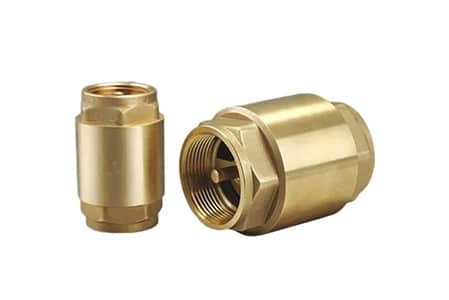
Properties of Bronze for CNC Machining
Selecting the appropriate bronze alloy is the first step in CNC machining bronze, as material properties directly influence machinability, tool longevity, and final component performance.
Mechanical Properties
- Strength and Hardness: Depending on the alloy, tensile strength ranges from 40 MPa for free-machining bronze to over 900 MPa for high-strength phosphor bronze. This range allows applications from lightweight bushings to structural components under heavy load.
- Wear Resistance: Alloys such as phosphor bronze are highly resistant to wear and galling, making them ideal for moving parts like bearings, gears, and valve components.
- Ductility and Toughness: Bronze alloys retain excellent ductility, reducing the risk of cracking or deformation during precision CNC turning and milling operations.
Thermal and Chemical Properties
- Thermal Conductivity: Bronze efficiently dissipates heat generated during high-speed CNC operations, reducing thermal expansion and maintaining dimensional stability.
- Corrosion Resistance: Aluminum, silicon, and naval bronzes excel in harsh environments such as seawater, chemical exposure, and high-humidity industrial settings. This ensures longevity of components like marine shafts, pumps, and connectors.
Machinability
Bronze is generally considered highly machinable. Carbide or high-speed steel tools, combined with optimized feed rates, spindle speeds, and cooling strategies, allow bronze CNC machining to achieve tight tolerances with smooth surface finishes. Care must be taken to prevent burr formation or material smearing, especially with leaded free-machining bronze alloys.
CNC Machining Bronze: Precision Tolerances
Precision is a critical factor in bronze CNC machining, particularly for functional components in demanding applications.
Standard and High-Precision Tolerances
- General Tolerances: For most industrial parts, ±0.05 mm is achievable.
- High-Precision Components: Tight tolerances of ±0.01 mm or better are attainable with advanced CNC systems, essential for aerospace, medical, and high-performance automotive parts.
Factors Affecting Tolerances
- Cutting tool sharpness and material wear
- Spindle speed and feed optimization
- Use of lubricants or coolants to minimize heat-induced expansion
- Machine calibration, multi-axis alignment, and vibration control
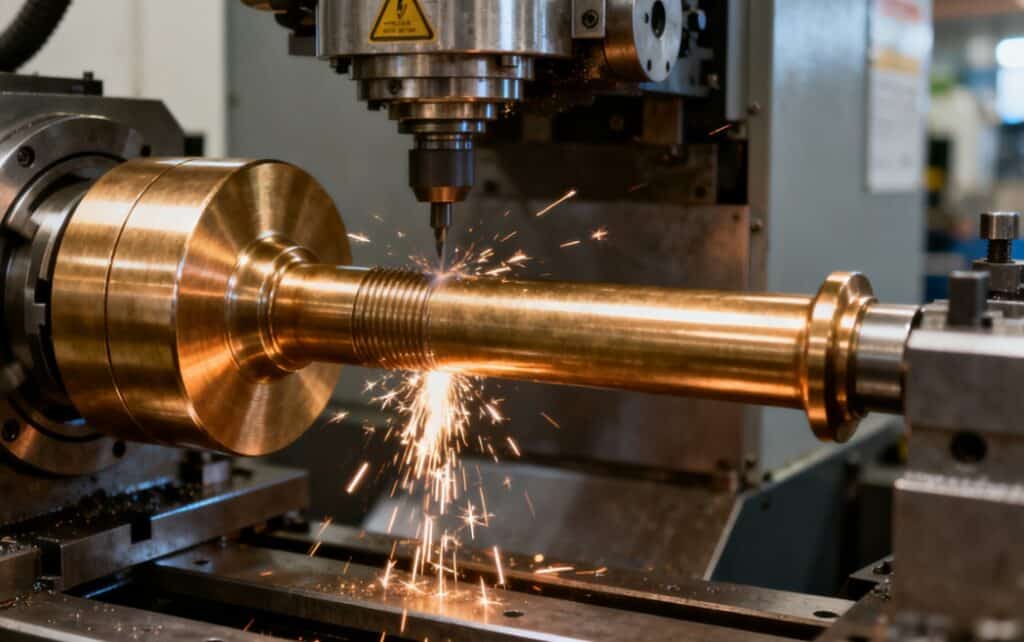
Correctly managing these factors ensures reliable dimensional accuracy, consistent quality, and reduced scrap rates in bronze CNC machining.g operations can meet stringent dimensional and surface quality requirements.
Techniques and Best Practices in Bronze CNC Machining
To achieve optimal results in bronze CNC machining, manufacturers deploy a combination of techniques depending on part geometry, material properties, and functional requirements.
CNC Turning
Ideal for rotationally symmetric components such as shafts, pins, and bushings. Multi-axis CNC lathes provide high precision and consistency.
CNC Milling
Used for complex 3D geometries, including slots, pockets, and structural housings. Carbide end mills are preferred for consistent cutting of bronze alloys.
Drilling and Tapping
Precision holes, especially threaded, require controlled spindle speed and appropriate lubrication to prevent galling and ensure clean threads.
Multi-Axis Machining
5-axis CNC machining allows simultaneous movement along multiple axes, enabling the production of intricate shapes, including manifolds and marine components, in a single setup.
Recommended Best Practices
- Use sharp carbide tools with optimized feed and spindle speeds
- Employ coolant to reduce heat and improve surface finish
- Minimize tool pressure to prevent material deformation
- Post-processing such as polishing or plating enhances durability and corrosion resistance
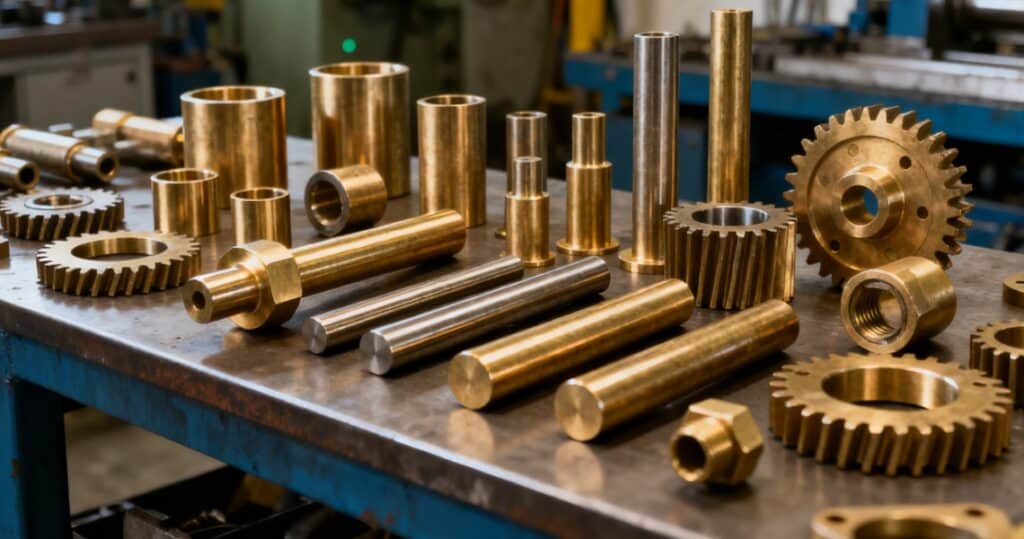
Industrial Applications of CNC Machined Bronze
Bronze CNC machining is highly versatile, serving industries that demand durability, high precision, and consistent performance:
- Aerospace: Bearings, bushings, and structural components subjected to high stress and wear.
- Automotive: Engine components, gear assemblies, and hydraulic fittings.
- Marine: Propeller shafts, pump housings, and valves in highly corrosive environments.
- Electrical and Electronics: Connectors, terminals, and heat sinks due to bronze’s conductivity and machinability.
- Industrial Machinery: Gears, actuators, wear plates, and precision components with high mechanical reliability.
The combination of material properties and advanced CNC processes ensures bronze components meet stringent operational requirements.
Conclusion
CNC machining bronze is a foundational process in precision manufacturing, enabling high-performance components that combine durability, accuracy, and corrosion resistance. By understanding material properties, tight tolerances, and advanced machining techniques, manufacturers can consistently produce high-quality bronze parts for critical applications.
For businesses seeking reliable bronze CNC machining solutions, Ancastings provides professional services equipped with advanced CNC systems, stringent quality control, and the capacity for both prototyping and full-scale production. Discover how Ancastings can help deliver precision bronze components for your projects: Ancastings CNC Machining Service.
Latest Blogs:
- How CNC Design Impacts Sterilization Cycle Time & Cost
- Magnesium Alloy Housings: CNC Anti‑Oxidation & Deformation Control
- Preventing Built-Up Edge When Machining Soft Aluminum for Semiconductor Gas Distribution Panels
- White Layer Formation in Medical Grinding: Risks & Removal
- Titanium TC4 Robot Arms: 5-Axis CNC for 30% Lighter Weight & High Rigidity