
Modern engineering demands materials that offer high strength while remaining lightweight. Magnesium Alloy CNC Machining has become a top choice for aerospace and automotive components due to its exceptional performance. However, this material requires a deep understanding of its unique physical properties to ensure shop-floor safety.
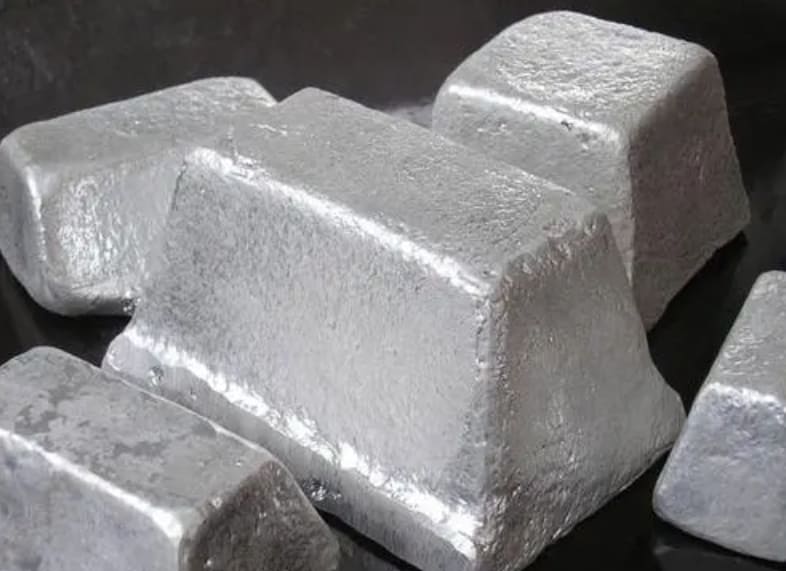
When you work with these reactive metals, you must balance production speed with rigorous safety protocols. The risk of fire during the cutting process is a serious concern that requires specialized equipment and expert handling. Professional CNC machining services provide the necessary oversight to mitigate these hazards effectively.
We aim to guide you through the technical requirements needed to manage these risks. By mastering proper chip control and cooling techniques, you can leverage the benefits of this material without compromising your facility. Let us explore the essential strategies for safe and efficient production.
Understanding Magnesium Alloy CNC Machining and Material Properties
When you explore the world of lightweight metals, magnesium alloys often stand out as a top-tier choice for high-performance engineering. Magnesium Alloy CNC Machining requires a deep understanding of how this material behaves under cutting tools. By mastering these properties, you can unlock significant gains in production efficiency and component performance.
Why Choose Magnesium Over Aluminum
The primary debate in the industry often centers on magnesium vs. aluminum. While aluminum is a staple in many workshops, magnesium is the lightest structural metal available, offering a density roughly 33% lower than aluminum. This weight reduction is critical for aerospace and automotive applications where every gram counts.
Beyond weight, magnesium offers superior machinability compared to many aluminum grades. You will find that it requires less energy to cut, which leads to reduced tool wear and faster cycle times. The following table highlights the core differences between these two materials:
| Property | Magnesium Alloy | Aluminum Alloy |
|---|---|---|
| Density | Lowest (1.74 g/cm³) | Moderate (2.7 g/cm³) |
| Machinability | Excellent | Good |
| Damping Capacity | High | Low |
Common Magnesium Alloy Grades for CNC
Selecting the right grade is essential for achieving your design goals. Different alloys offer varying levels of strength, ductility, and thermal stability. Here are the most common grades you will encounter in professional CNC environments:
- AZ31B: The most popular choice for general-purpose machining, offering a great balance of strength and ductility.
- AZ91D: Frequently used for complex, thin-walled parts due to its excellent castability and pressure tightness.
- ZK60A: Chosen for high-strength applications where superior fatigue resistance is required.
Key Mechanical Advantages for Product Designers
Magnesium alloys provide more than just weight savings. They offer exceptional vibration damping, which helps reduce noise and mechanical fatigue in moving parts. This makes them ideal for high-speed components that must maintain structural integrity under stress.
Designers also appreciate the excellent surface finish achievable with proper machining techniques. While raw magnesium is reactive, modern coatings provide robust corrosion resistance, ensuring that your parts remain durable in harsh environments. By leveraging these mechanical advantages, you can create components that are both lighter and more resilient than traditional alternatives.
Safety Protocols and Fire Risk Mitigation
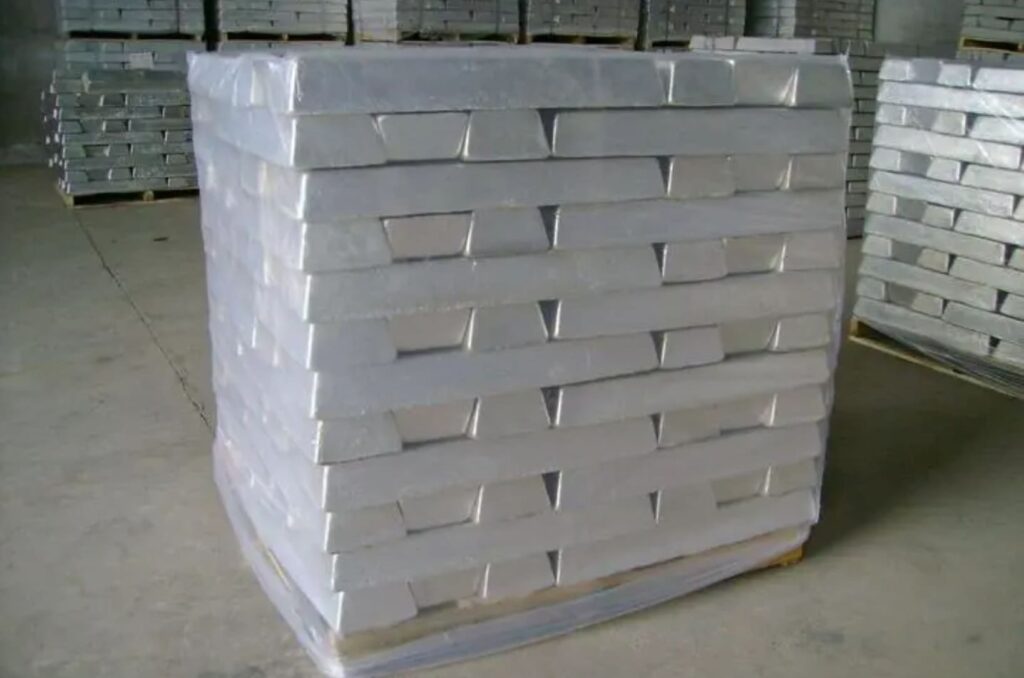
Prioritizing safety is the most vital step when you begin Magnesium Alloy CNC Machining. Because magnesium is highly reactive in its fine, particulate form, you must treat every stage of the production process with extreme caution. Establishing a culture of vigilance protects your team and your facility from preventable accidents.
Managing Flammability Risks in the Workshop
The primary danger in the shop environment stems from the interaction between magnesium chips and moisture. You should avoid using water-based coolants, as these can trigger a chemical reaction that releases flammable hydrogen gas. This gas creates a significant explosion risk if it accumulates in poorly ventilated areas.
To maintain high standards of fire safety, you must ensure that your cutting zones remain as dry as possible. If you must use a lubricant, select non-aqueous fluids specifically formulated for reactive metals. Keeping the workspace free of ignition sources, such as open flames or high-heat welding equipment, is also mandatory.
Proper Chip Collection and Storage Procedures
Effective chip management is the cornerstone of a safe machine shop. You should collect magnesium chips frequently to prevent large piles from accumulating near the machine base. These piles represent a concentrated fuel source that can ignite rapidly if exposed to a spark.
Store all collected chips in clearly labeled, non-combustible steel containers with tight-fitting lids. Keep these containers in a cool, dry, and well-ventilated area away from other flammable materials. Never mix magnesium waste with other metal scraps, as this can complicate disposal and increase the risk of cross-contamination.
Emergency Response and Fire Suppression Requirements
Standard fire extinguishers are often ineffective or even dangerous when used on magnesium fires. You must equip your facility with a dedicated Class D fire extinguisher, which is specifically designed to smother metal fires without causing a violent reaction. Ensure that all staff members receive hands-on training regarding the proper deployment of these units.
| Extinguisher Type | Suitability for Magnesium | Action Mechanism |
|---|---|---|
| Class D Extinguisher | Recommended | Smothers fire with dry powder |
| Water/Foam | Extremely Dangerous | Causes explosion/hydrogen release |
| CO2 Extinguisher | Ineffective | Insufficient cooling for metal |
| Dry Sand | Emergency Backup | Physical barrier to oxygen |
Regularly inspect your fire suppression equipment to ensure it remains in working order. By maintaining strict protocols and keeping the right tools on hand, you create a resilient environment that supports high-precision manufacturing while minimizing operational hazards.
Technical Best Practices for Machining and Chip Control
Achieving precision in Magnesium Alloy CNC Machining requires a deep understanding of material behavior. Because magnesium is highly reactive and soft, your technical approach must prioritize heat management and structural stability. By refining your process parameters, you can ensure both high-quality parts and a safe workshop environment.
Optimizing Tooling Geometry for Magnesium
The excellent machinability of magnesium allows for high-speed operations, but it demands specific tooling geometry to prevent heat buildup. You should use sharp, polished cutting edges to minimize friction and prevent the material from smearing. Proper clearance angles are essential to ensure that chips are evacuated quickly before they can generate excessive heat.
When performing CNC milling or CNC turning, consider these guidelines for your tooling setup:
- Maintain high positive rake angles to reduce cutting forces.
- Use polished carbide inserts to prevent chip welding.
- Ensure your tooling geometry promotes the creation of discontinuous chips for better heat dissipation.
- Keep tools sharp to maintain consistent chip control throughout the cycle.
Workholding Strategies to Prevent Deformation
Magnesium alloys are relatively soft, making them susceptible to deformation if you apply excessive clamping pressure. You must balance the need for a secure grip with the structural integrity of the workpiece. Using custom-fit soft jaws or vacuum fixtures can help distribute force more evenly across the part surface.
Effective workholding strategies include:
- Utilizing large-surface-area clamps to minimize localized stress.
- Implementing hydraulic or pneumatic systems for consistent, repeatable pressure.
- Designing fixtures that support thin-walled sections to prevent vibration during heavy cuts.
Managing Cutting Fluids and Coolant Systems
While dry machining is sometimes possible, using the right cutting fluids is often necessary for high-precision tasks. You must select coolants that are specifically formulated for magnesium to avoid chemical reactions. These fluids serve a dual purpose by cooling the tool and suppressing potential fire risks by washing away fine chips.
Always ensure your coolant system is well-maintained to prevent the buildup of sludge or metallic dust. Regularly monitor the pH levels of your fluids, as acidic environments can lead to hydrogen gas evolution when in contact with magnesium. By keeping your coolant clean and properly filtered, you maintain a stable environment for your CNC processes.
Design for Manufacturing (DFM) and Material Selection
When you approach Magnesium Alloy CNC machining, your design choices directly influence the final structural integrity of the component. Implementing effective DFM tips early in the process helps you avoid common pitfalls like warping or surface defects. By aligning your design with the unique physical properties of magnesium, you ensure that your parts meet stringent engineering requirements.
Tolerances and Geometric Dimensioning
Magnesium alloys are known for their excellent machinability, but they still require careful attention to tolerances. Because magnesium has a lower modulus of elasticity than steel or aluminum, it can deflect more easily under clamping pressure. You should specify realistic tolerances that account for this flexibility to avoid unnecessary production costs.
Using Geometric Dimensioning and Tolerancing (GD&T) allows you to define clear functional requirements for your parts. This approach helps the machine shop understand which features are critical for assembly and which can accommodate slight variations. By focusing on datum stability, you ensure that the final geometry remains consistent across production runs.
Wall Thickness and Structural Integrity
Maintaining structural integrity in magnesium parts often depends on your wall thickness strategy. Thin walls are prone to vibration during the cutting process, which can lead to chatter and poor surface finishes. We recommend designing walls with sufficient thickness to provide rigidity, especially in areas subject to high mechanical loads.
If your design requires thin sections, consider adding ribs or gussets to provide extra support. These features help distribute stress more evenly and prevent the part from deforming during or after the machining process. Proper wall design is one of the most critical DFM tips for ensuring your magnesium components remain stable throughout their service life.
Minimizing Residual Stress During Material Removal
Residual stress is a common challenge in Magnesium Alloy CNC machining that can cause parts to warp once they are removed from the fixture. To mitigate this, you should plan your material removal strategy to balance the forces applied to the workpiece. Removing material in small, symmetrical increments helps keep the internal stresses stable.
You might also consider stress-relieving heat treatments if your design involves heavy material removal from a solid block. By managing the thermal and mechanical energy during the process, you significantly reduce the risk of post-machining distortion. The following table outlines key design considerations to keep in mind when working with magnesium.
| Design Factor | Magnesium Strategy | Impact on Quality |
|---|---|---|
| Wall Thickness | Use ribs for support | Prevents vibration |
| Tolerances | Avoid overly tight specs | Reduces scrap rates |
| Residual Stress | Balanced material removal | Ensures dimensional stability |
| Clamping | Low-pressure fixtures | Prevents part deformation |
Ancastings Case Study: Aerospace-Grade Module Side Bracket
Real-world applications often reveal the true potential of magnesium alloy CNC machining in demanding environments. When our team at Ancastings took on a project for an aerospace-grade module side bracket, we faced the challenge of balancing lightweight material properties with extreme precision. This project serves as a practical guide for engineers navigating complex manufacturing requirements.
Requirement: Precision Specifications
The module side bracket demanded high-level accuracy to function within its assembly. We were tasked with maintaining a flatness within 0.05 mm across the entire component surface. Furthermore, the design included specific H7 holes and js6 locating-hole tolerances, which are critical for proper alignment in aerospace systems.
Challenge: Datum Transfer and Deformation Control
The primary hurdle involved managing datum transfer while preventing material deformation. Because magnesium is highly sensitive to thermal and mechanical stress, any shift in the reference points during the machining process could lead to failure. We had to ensure that the initial setup remained consistent throughout every stage of material removal.
Process: Clamping Pressure and Uneven Removal
To address these risks, we optimized our workholding strategy to distribute clamping pressure evenly across the bracket. Uneven material removal often causes internal stresses to release, leading to warping in lightweight alloys. By utilizing a multi-stage machining approach, we minimized these forces and maintained the structural integrity of the part throughout our CNC machining services.
Result: Achieving H7 and js6 Tolerances
Through rigorous process control and careful monitoring, we successfully met all specified tolerances. The final bracket achieved the required H7 and js6 standards, proving that high-precision results are possible with the right methodology. This case study demonstrates that even with complex geometries, careful planning ensures success in aerospace manufacturing.
Surface Finishing, Corrosion Protection, and Cost Analysis
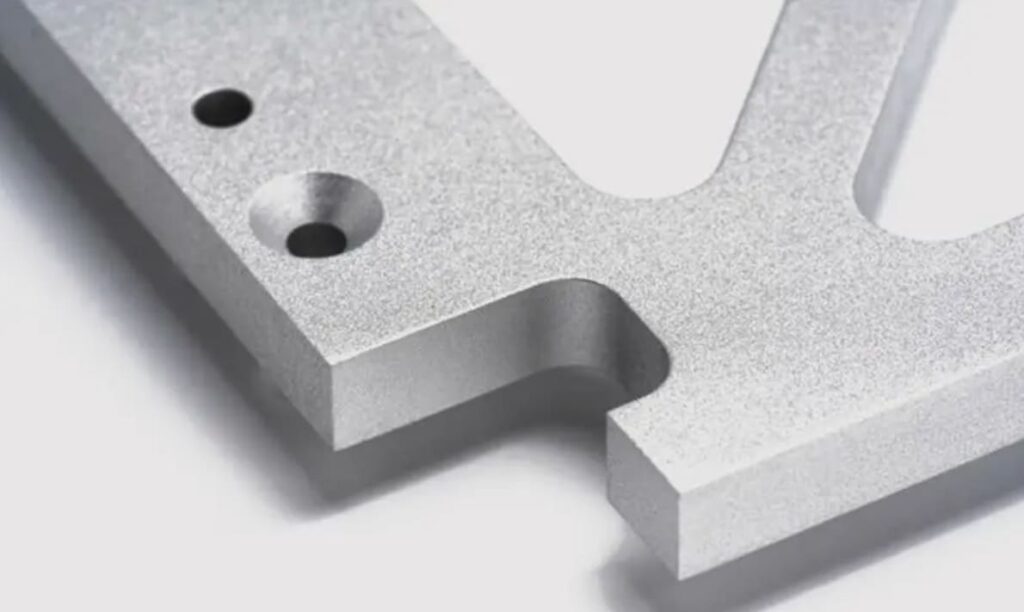
Magnesium alloy CNC machining projects often succeed or fail based on the quality of their final surface treatments. While the raw material offers excellent strength-to-weight ratios, it requires specific post-processing to ensure it meets industrial standards. You must consider these finishing steps early in your design phase to guarantee long-term performance.
Surface Treatment Options for Magnesium
Selecting the right surface finish is vital for both aesthetic appeal and functional longevity. Chemical conversion coatings, such as chromate or phosphate treatments, provide a reliable base for paint or powder coating. These processes improve adhesion and offer a baseline level of protection against oxidation.
Anodizing is another popular surface treatment that creates a hard, ceramic-like layer on the metal surface. This process significantly enhances wear resistance and provides a robust barrier against harsh environments. You should choose the method that best aligns with your specific application requirements and budget constraints.
Corrosion Resistance Strategies
Magnesium is naturally reactive, which makes effective corrosion resistance a top priority for engineers. Beyond standard coatings, you can utilize specialized sealants to fill microscopic pores in the metal surface. These sealants prevent moisture and contaminants from reaching the base material, effectively extending the lifespan of your components.
Proper handling during assembly also plays a role in preventing galvanic corrosion. When magnesium parts contact other metals, you should use insulating gaskets or washers to break the electrical path. These simple design choices significantly improve the overall durability of your finished assembly.
Cost-Benefit Analysis for Sourcing Managers
Conducting a thorough cost analysis helps you determine if magnesium is the right choice for your specific project. While the initial material and processing costs might be higher than aluminum, the weight savings often lead to lower operational costs in aerospace or automotive applications. You must weigh these long-term gains against the upfront investment in specialized finishing.
| Treatment Type | Primary Benefit | Cost Level | Best Use Case |
|---|---|---|---|
| Chemical Conversion | Paint Adhesion | Low | General industrial parts |
| Anodizing | Wear Resistance | Medium | High-friction components |
| Powder Coating | Aesthetic Finish | Medium | Consumer electronics |
| Ceramic Coating | Extreme Protection | High | Aerospace environments |
By evaluating the total value of your components, you can make informed decisions that balance performance with financial goals. We recommend reviewing your volume requirements and environmental exposure to select the most cost-effective finishing strategy. This proactive approach ensures your parts remain reliable and visually appealing throughout their service life.
Conclusion
Magnesium alloy CNC machining provides a unique path toward creating lightweight, high-strength components for demanding industries. Success in this field relies on your ability to balance material benefits with strict safety protocols and precise technical execution.
Ancastings remains committed to helping you navigate the complexities of modern manufacturing. We provide the expertise needed to turn your designs into reality through reliable Magnesium alloy CNC machining processes.
Do you have a specific project ready for production? Reach out to our engineering team today to request a professional quote. We look forward to providing the guidance necessary to elevate your next manufacturing challenge.
FAQs
Is magnesium hard to machine?
No, it’s relatively easier to machine magnesium due to its soft nature and low cutting forces. However, you need coated carbide cutting tools and high speed to achieve that.
What is the ideal cutting speed for magnesium?
It depends on the CNC machining operation. However, usually, a high cutting speed is recommended. For turning, it needs to be between 500 to 1800 m/min.
Is magnesium as strong as steel?
In terms of strength-to-weight ratio, we can say that. Steel’s ratio is 38 kN/kg while that of magnesium if 130 kN/kg.