
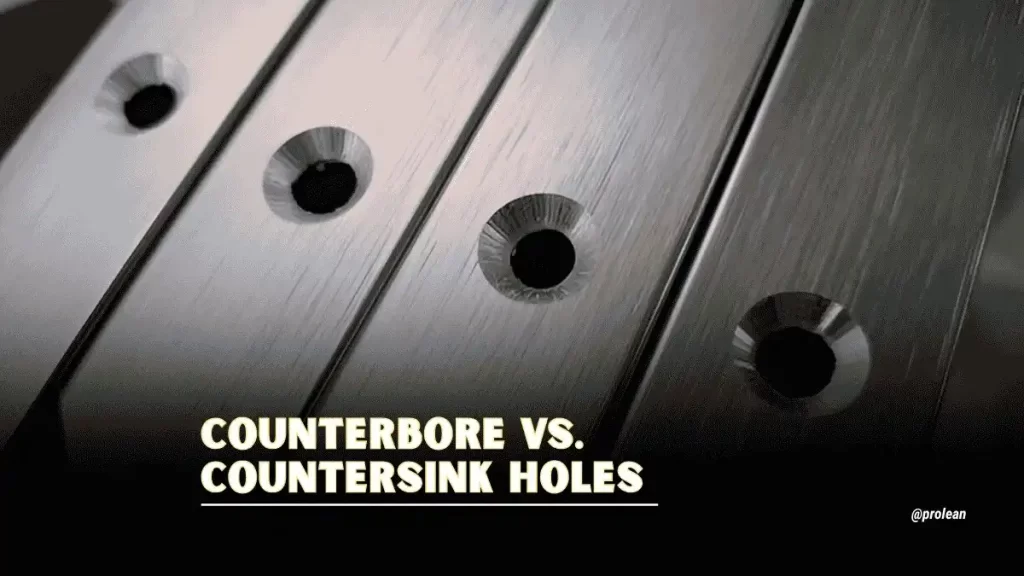
Counterbore Vs Countersink Hole
In the assembly or parts machining, the screw holes are vital. Using an inappropriate method will either result in loose fittings or screw heads that protrude.
Counterboring creates a cylindrical recess with a flat bottom. It accommodates the fastener head, such as a socket cap screw, hex bolt, or other protruding-head screws, allowing it to sit flush with or below the surface. It comes in handy when you require a sturdy and clean finish.
Countersinking creates a conical hole to match the angle of a flat-head screw. This allows it to sit flush with or under the material surface. This is usually applied in screws whose heads are inclined. It aids in providing a clean and professional appearance.
It is essential to know when to apply each of the methods. It affects how well the parts fit, how strong the assembly is, and how neat it looks when finished. Whether you’re working in metalwork, woodworking, CNC machining, or mechanical construction, using the right technique will lead to better results.
Do You Need to Use a Counterbore or Countersink?
Although counterbore and countersink holes can improve appearance, their purpose goes beyond looks. In machine design, they are often critical to choose.
Without these recesses, screw heads can stick out from the surface. This can interfere with the machine’s work, especially in areas with moving parts and tight clearances.
By creating a smooth, flush surface, these holes help ensure reliable operation and make maintenance easier. That is why they are a key part of proper machine assembly.
Countersink Holes Explained
Countersink Hole
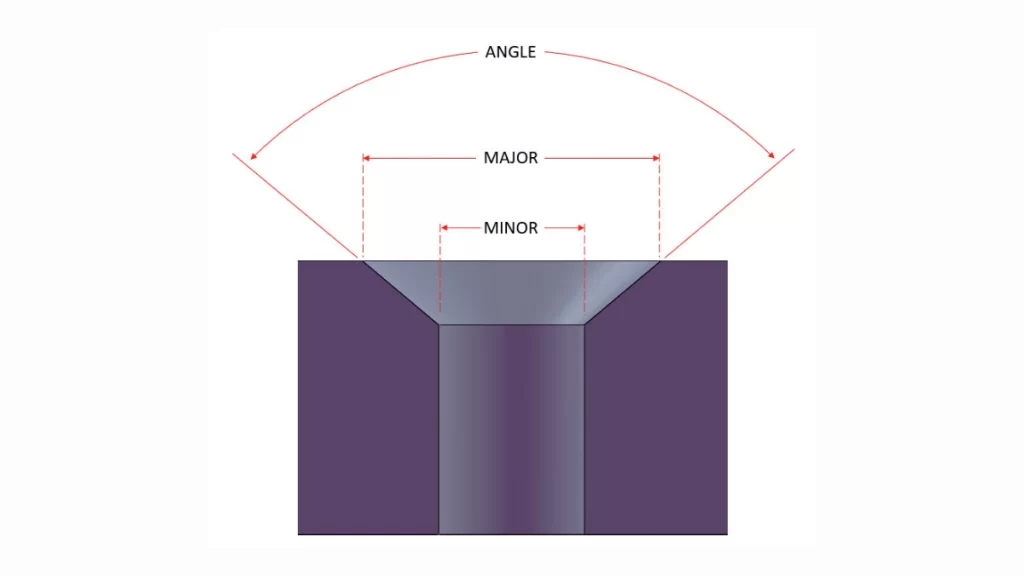
You’ll often use a countersink hole when working with wood or other soft materials. These holes are shaped to match the angle of the screw head. That way, the screw sits flush with the surface once it’s tightened.
Typical countersink angles range from 60° to 120°, with 82° being standard in the U.S. and 90° more common under ISO specifications. This angle helps control how deep the screw sits, which also affects how secure the joint is.
In addition, countersink holes also reduce wear on the material. Since the screw enters at a shallower angle, there’s less risk of splitting and stripping. You can make these holes using a standard drill with a countersink bit or machine them with an endmill. The important part is matching the size and shape of the hole to your screw.
Countersink Symbol: ‘⌵’ (Inverted “V” or angle under a diameter)
What You Need to Know About Counterbore Holes
Counterbore Hole
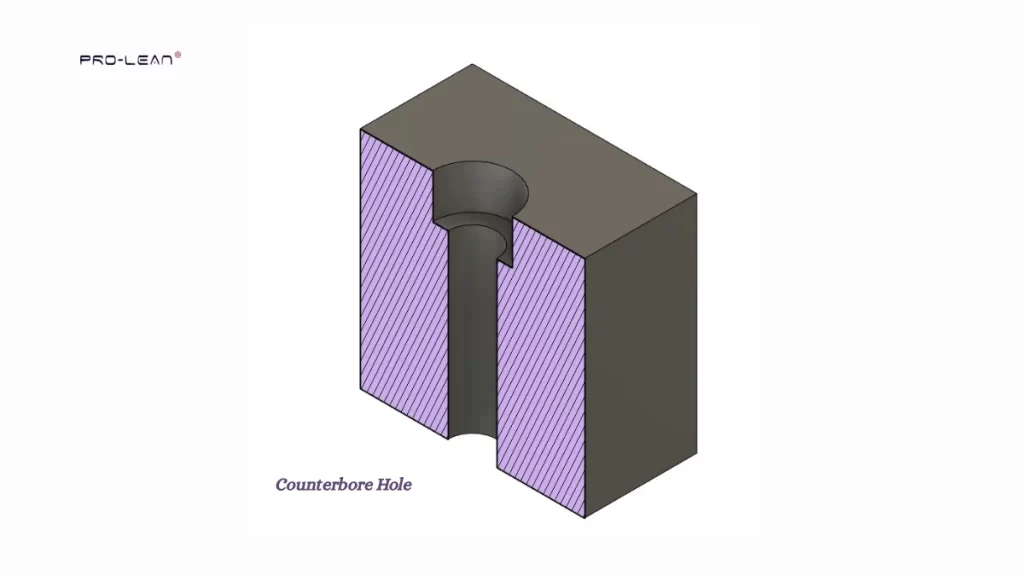
Counterbore holes are cylindrical with a flat bottom. These holes are drilled with a flat bottom, which leaves room in the screw head to rest flat or below the surface. This comes in handy where you are using socket-head screws or where there is a need to have a flush finish on moving parts.
The counterbore side has straight vertical walls and is cut at a 90-degree angle to the surface, allowing the fastener to seat properly. There is no angled taper (like one would have with countersinks) but rather a neat, straight recess.
A small pilot hole should be drilled to make one. Then increase its size with an endmill or a counterbore cutter. When necessary, you can cut a washer-dimension hole. This aids in distributing the uniform load and provides added strength to hold, particularly when used in the high-stress areas.
Counterbore Symbol: ‘⌴’ (Square “U” or a flat-bottom box symbol)
How to Create a Counterbore with a Drill Press
Drilling a Counterbore Hole
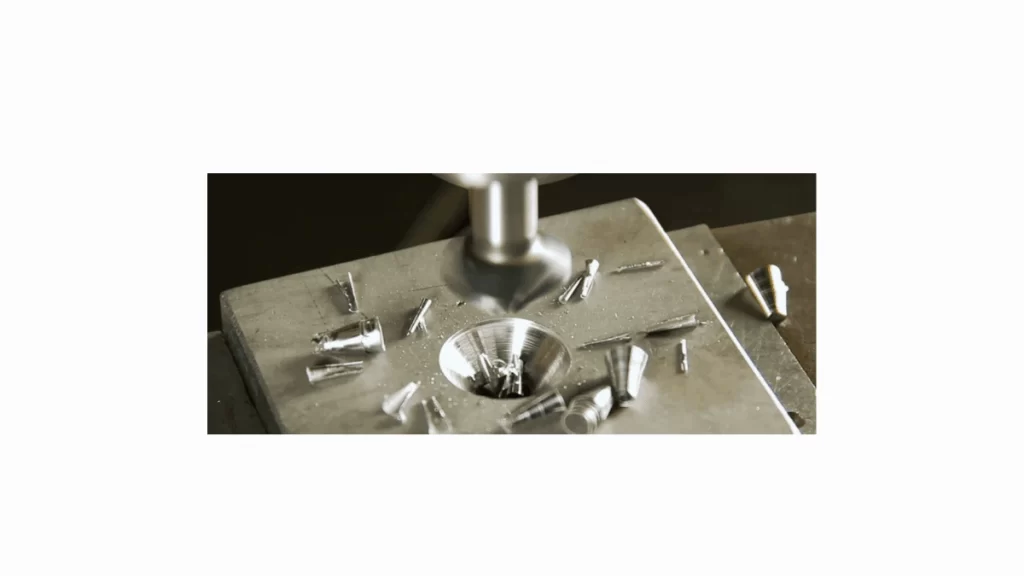
- Start by making a mark on the spot you wish to drill. At that point, make a small dent with a centre punch. This maintains the drill bit in place and prevents it from slipping.
- Then, cut a pilot hole with a regular twist bit. Be sure that it goes deep enough.
- After completing the pilot hole, use a bigger bit and a counterbore cutter. Drill curiously to a required depth. The hole must be flat at the bottom so that the screw head can sit down, and should be deep enough to take the screw.
- Close up by vacuuming any dust or dirt in the hole. This helps the fastener sit well and gives it a clean and safe fit. (See Also: deep hole drilling)
Try Ancastings Now!
When Should You Use Countersinks?
When screws have to be flush-mounted or slightly below the surface, use countersinks. This is most effective in the screw with tapered heads. It helps in making furniture, in cabinetry, or even installing drywall when a clean finish is necessary.
Why Choose Countersinks?
- These holes distribute the screw head pressure uniformly. So, this minimizes the material stress.
- They can be used to keep screws on track, and they can stop the stripping and the damage to the soft materials.
- These concealed fasteners leave your work more professional and cleaner-looking.
How to Drill a Countersink Hole?
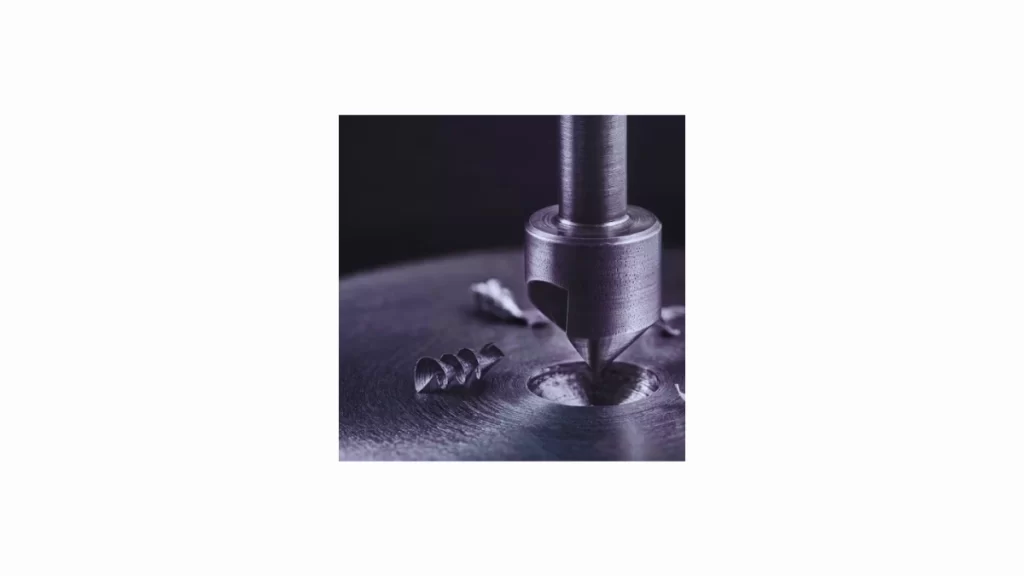
Countersink Hole Drilling
- First, mark the hole location and create a small dent with a centre punch. This stops the drill bit from wandering.
- Drill a pilot hole to fit your screw size. Next, swap to a countersink bit and align it carefully with the pilot hole.
- Drill the countersink to the proper depth. So the screw head sits neatly inside.
- Clean out any chips and dust so the screw fits smoothly. (Read more about CNC drilling)
Common Mistakes To Avoid?
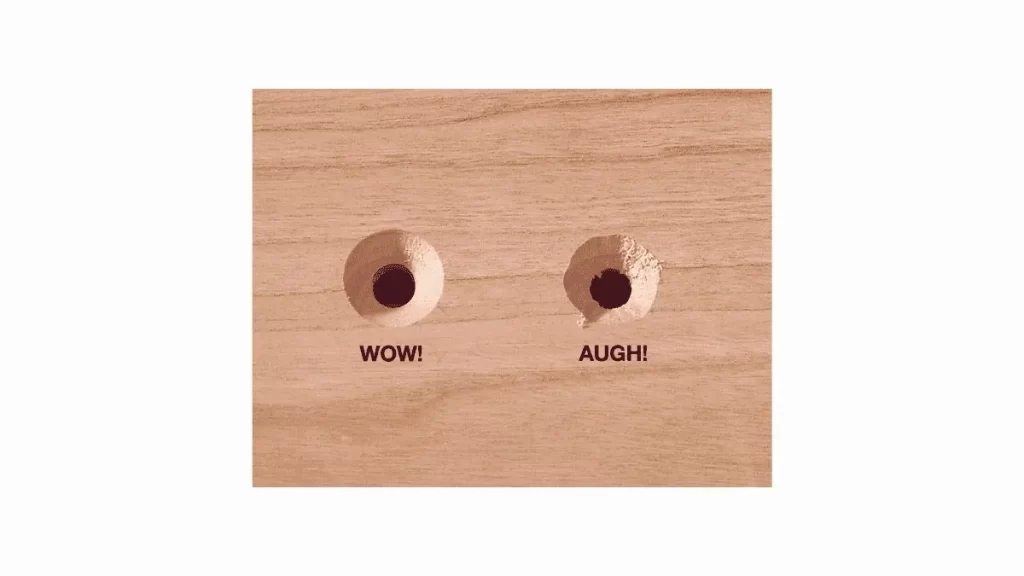
Correct & Inappropriate Countersink Hole
- Use of a countersink when a counterbore is required. This can leave the fastener unsupported and cause failure.
- Drilling too deep when making a counterbore or countersink. This weakens the material and prevents a proper fit.
- Selecting the wrong fastener for the prepared hole. This leads to instability and material damage..
Try Ancastings Now!
Counterbore and Countersink Difference: A Breakdown
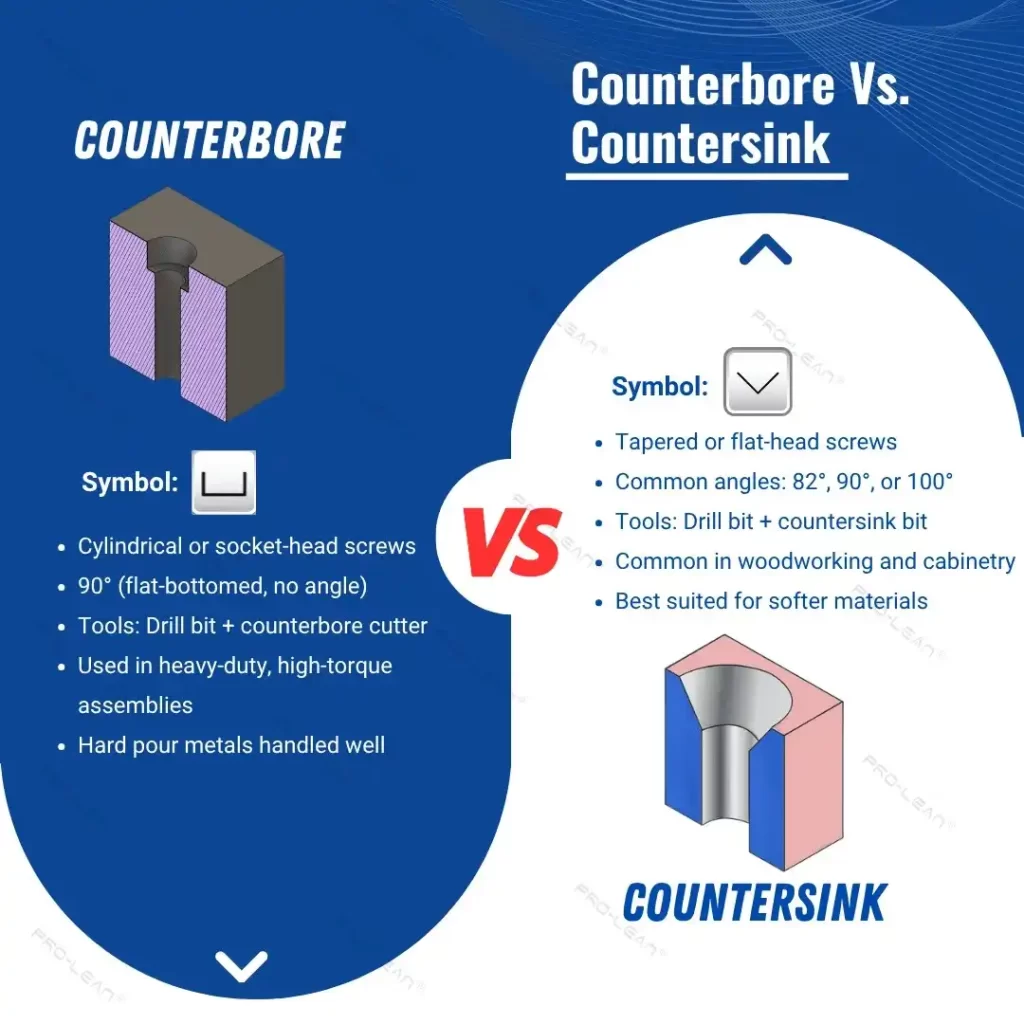
Counterbore Vs. Countersink: Side by Side Comparison
Let’s take an in-depth glance at the Counterbore and Countersink hole.
Purpose of Counterbore and Countersink
Counterbore holes are made to cut a hole with a socket head fastener. This allows screws or bolts to lie flat on the surface or below the surface. Countersinks cut a tapered hole to accommodate tapered screws. The hole is shaped like a cone and fits the screw so that it fits neatly and flush with the material.
Tools Required
The following tools will be required to make a counterbore: a drill bit and a counterbore bit. Depending on the screw size, countersinks need a drill bit and a countersink bit to create the slanting hole that corresponds to the screw head.
Depth and Angle
Counterbores are typically deeper than countersinks because they must accommodate the full height of a cylindrical fastener head, and are straight-sided. To prevent the weakening of the material, you should have perfect depth control. Countersinks are drilled at an angle, usually 82 or 90, so that the head of a screw will lie flat. (Read more about: CNC drilling process)
Cost Considerations
The counterbores are costly because more machining is involved, such as tapping and making holes. Countersinks are cheaper since they are simpler and faster to manufacture using more affordable tools and materials.
Common Fasteners
Socket head cap screws and hex bolts have a flat seating surface and thus usually are counterbored. Countersinks are applicable in flat-head screws and oval-head screws that require a tapered hole.
Incorrect Usage Risks
Applying a countersink instead of a counterbore may lead to low stability since the screw head will not be held properly. A counterbore as a substitute for the countersink may create an uneven surface, and it can influence the final appearance.
Material Considerations
The flat bottom at counterbores is beneficial to hard materials because the fastener will have greater stability. Softer materials, such as wood, will crack when countersinks are drilled to a greater degree; hence, the depth must be controlled with much care.
What Works, What Doesn’t: Counterbore vs Countersink
Do This:
- Screws with cylindrical heads should be applied with the help of counterbores. This makes the fastener lie flat and slightly recessed.
- When countersinking or counterboring, always use a pilot hole. This maintains the drill bit in position, and it does not wander. (See more: hole drilling EDM)
- The angle of countersink must be the same as the angle of screw heads. It will ensure that it fits well and has a clean finish.
Avoid That:
- Countersinking is not suitable for cylindrical head screws. Because they won’t sit properly and may loosen over time.
- Do not drill blindly. Skipping key steps like marking or pilot holes can lead to material damage, misalignment, or poor fitting of fasteners.
- The countersink should not be drilled too much. Over-drilling renders the material weak, reducing the fastener’s holding strength.
Other Types of Holes in Mechanical Design
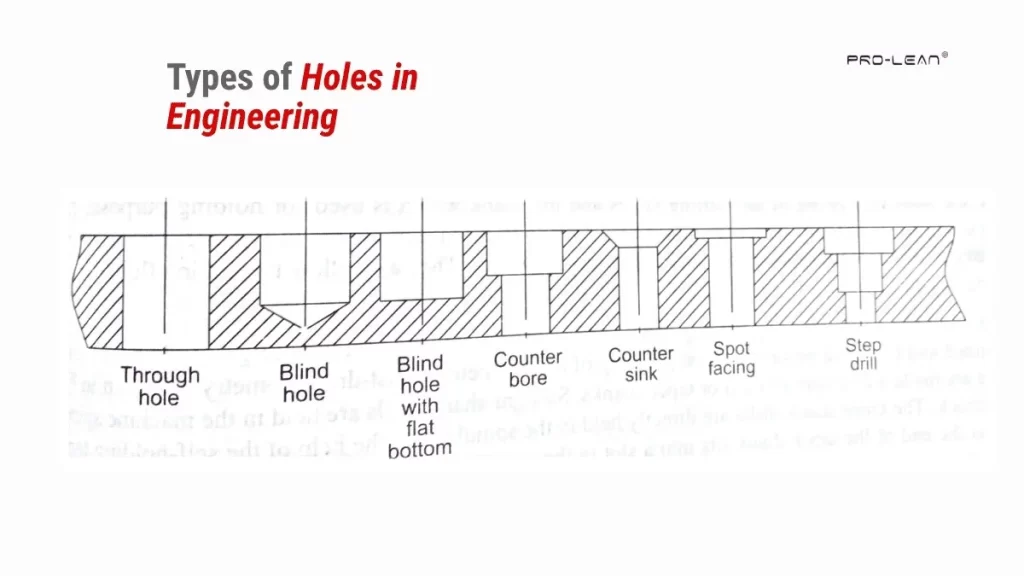
Types of Holes In Engineering
In addition to the counterbore vs countersink holes, there are other types of holes in engineering regularly used in mechanical work.
In a nutshell:
Simple Hole
A simple hole is a basic cut through a material. It can be a through hole. It goes completely through the part. Either it can be a blind hole, which stops partway through and doesn’t exit the other side.
Spot Face
A spot face is a shallow, flat surface around a hole. It provides a smooth, even area for a fastener head and washer to sit properly.
Counterdrill
A counterdrill features a hole with a specific depth recess, as with a countersink. It gives room above the hole and can be utilized to meet a particular fastener requirement.
Tapered Hole
Tapered holes are cone-shaped. They are gradually narrowing in diameter from one end to the other. These holes are mostly applied to holding, cutting, or drilling tools.
Screw Clearance Hole
The hole, where the screw will be inserted, is a little bit larger than the size of the screw. It enables the screw to go through the material freely without engaging the material in the thread.
Summary
Counterbores and countersinks are both crucial holes for screws or bolts. However, they serve different needs.
Use a counterbore when you need a strong, stable fit for screws with cylindrical heads. This allows the fastener to sit neatly flush or just below the surface, which is vital in mechanical assemblies and other demanding applications.
Countersinks are ideal for tapered screws when you need a smooth, finished appearance that matters most, like in woodworking or furniture making.
When deciding between the two, think about the type of screw you’re using and the look you want. If you are prioritising strength and flush fitting, choose a counterbore. A countersink is better if you need a neat, polished surface. At Ancastings, we machine both counterbore and countersink holes with high precision. Our process supports complex tolerances and high-performance applications.
If you need help with critical hole designs? Contact Ancastings for expert CNC machining service.
FAQ’s
Q1: Can we substitute a countersink for a counterbore?
No, countersinks are designed for tapered screw heads. While counterbores are for cylindrical heads. It may lead to poor support if using a countersink instead of a counterbore.
Q2: Tools for making counterbore holes?
Use a;
- Drill press and a
- Counterbore cutter
Although handheld drills can be used. They make precise control more difficult.
Q3: Counterbore vs. Countersink: What is the difference in design?
Counterbores create a straight-sided hole with a flat bottom to fit cylindrical-headed fasteners. Countersinks form a conical recess. They are usually designed for screws with tapered heads to sit flush.
Q4: Are countersinks used when working with metal?
Yes, countersinks are widely used in sheet metalwork. It allows screws to sit flush and avoid protrusion.
Q5: What’s the best way to prevent wood from splitting during countersinking?
Begin by drilling a pilot hole before countersinking. Carefully control the depth to avoid weakening the wood and causing splits.