
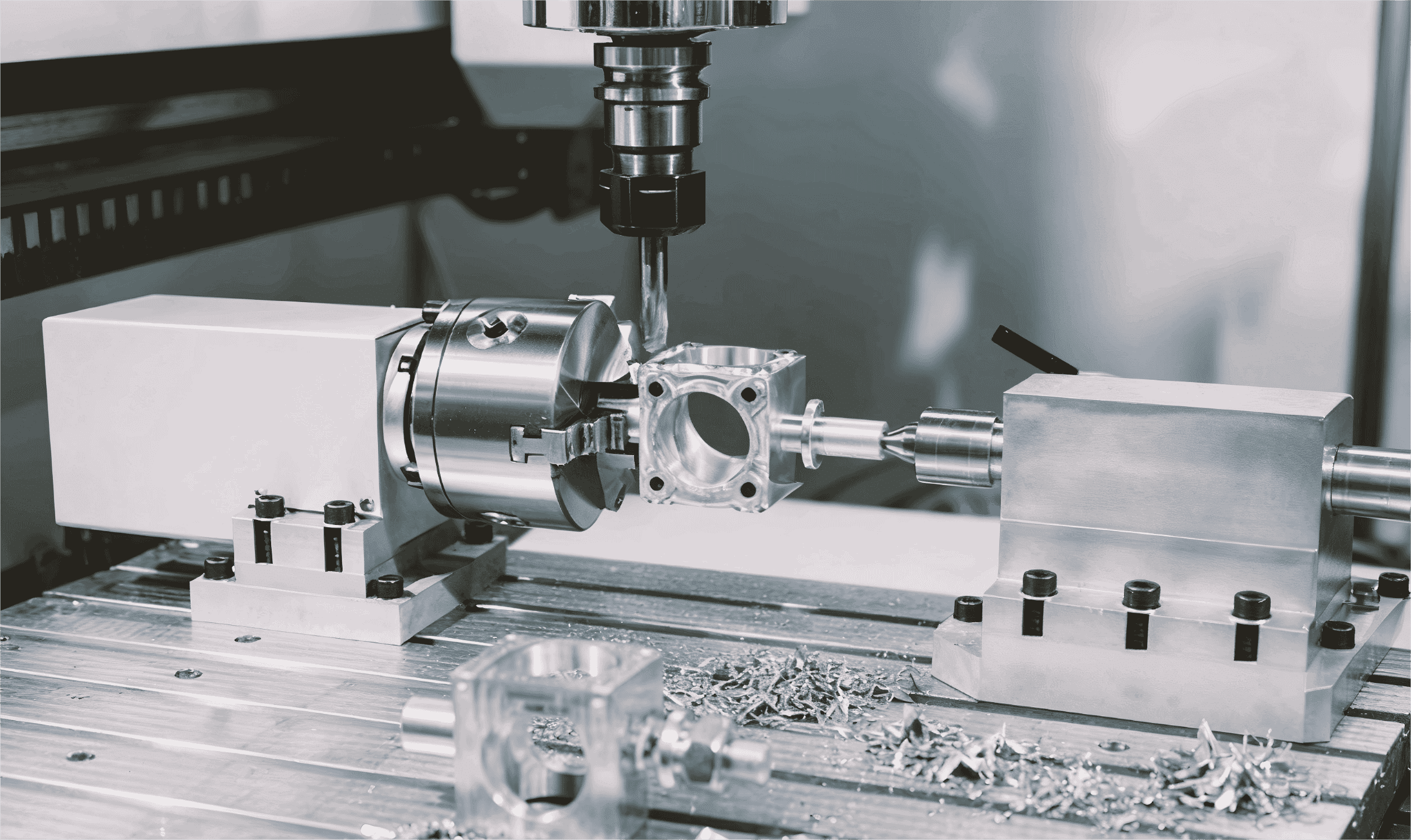
CNC prototyping service has become a cornerstone of modern product development, enabling companies to transform digital concepts into precise, functional prototypes within days. Whether the goal is functional testing, fit verification, or early-stage pilot runs, prototype CNC machining services provide unmatched accuracy and material versatility.
However, to fully capitalize on the capabilities of any CNC prototype service, engineers must integrate manufacturing-aware design practices from the very beginning. Design decisions—such as tolerances, wall thickness, material selection, and tool accessibility—directly affect cost, manufacturability, and delivery speed.
This article provides an expert-level set of design strategies, manufacturing tips, and practical engineering guidelines to help you optimize your prototype for CNC machining.
Understanding CNC Prototyping Service Capabilities
A CNC prototyping service provides rapid, tool-less manufacturing for metal and plastic components. Unlike molding-based prototyping, CNC machining relies on subtractive manufacturing, allowing extremely tight tolerances, a broad selection of industrial-grade materials, and consistent repeatability.
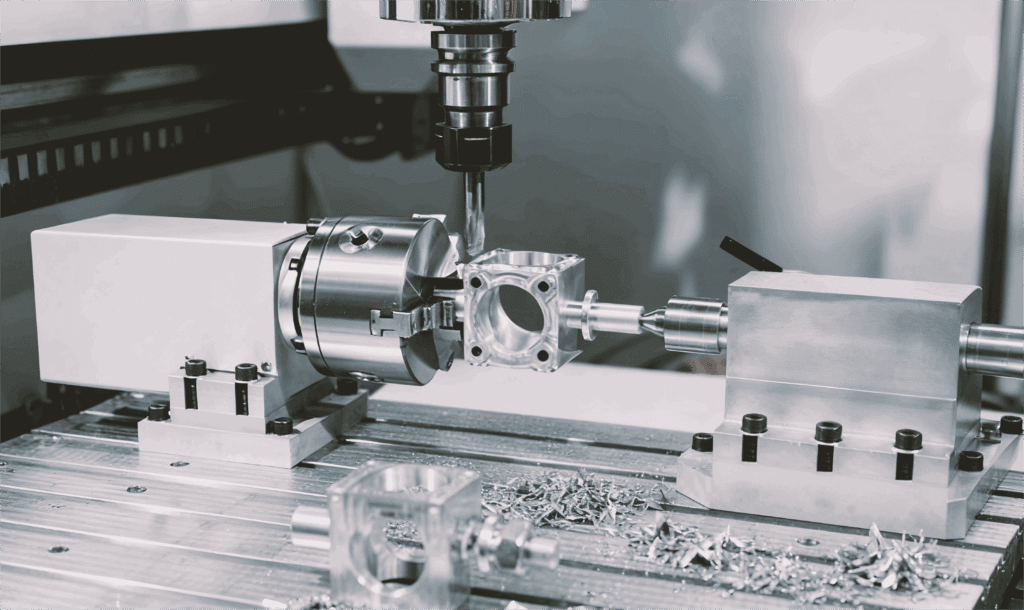
Key Capabilities of Prototype CNC Machining Services
- Precision and accuracy down to ±0.005 in (±0.125 mm) or tighter
- Full material integrity with no thermal degradation
- Scalable production, from one-off prototypes to pilot production
- Support for complex geometries, pockets, channels, and contours
- Wide material compatibility, including aluminum, stainless steel, titanium, brass, and engineering plastics
- Fast turnaround times, typically from 1–7 days
Because CNC prototype services support production-grade materials and tolerances, the resulting parts are highly representative of final manufacturable components.
Design Tip 1: Choose Materials Aligned With Prototype Goals
Material selection is one of the most critical decisions when working with any CNC prototyping service. The right material impacts not only the prototype’s mechanical behavior, but also machining speed, dimensional stability, surface finish, and overall project cost. Choosing the wrong material can result in warped components, premature tool wear, or prototypes that fail during testing.
A smart approach is to align the material with the prototype’s intended function, environment, and testing demands rather than defaulting to the strongest or cheapest option.
Metals
Aluminum (6061, 7075)
A CNC prototyping favorite. Aluminum offers an excellent strength-to-weight ratio, high machinability, and fast turnaround times.
- 6061: Great for general prototypes, jigs, brackets, housings, and enclosures.
- 7075: Higher strength, suitable for load-bearing or aerospace-style functional testing.
Stainless Steel (304, 316, 17-4 PH)
Selected when durability and corrosion resistance are mission-critical.
- 304: Cost-effective for structural prototypes.
- 316: Superior chemical resistance for medical or marine environments.
- 17-4 PH: Excellent hardness and strength for high-performance mechanical components.
Brass & Copper Alloys
Known for exceptional machinability and stability.
- Perfect for electrical prototypes, thermal transfer components, plumbing fittings, and wear-resistant parts.
- They also yield very clean, burr-free surfaces, ideal for functional testing.
Titanium
Used when nothing else can provide the required performance.
- High strength, low density, and outstanding biocompatibility.
- Common in aerospace prototypes, surgical instruments, and racing applications where weight and fatigue resistance matter.
Plastics
Delrin (POM)
Superior dimensional stability and low-friction properties make it ideal for prototypes with moving or sliding interfaces.
- Excellent for gears, bushings, custom fixtures, and robotics components.
PEEK
A premium engineering plastic with outstanding chemical, thermal, and mechanical performance.
- Best for high-temperature testing, medical device prototypes, or corrosive environments.
- When performance matters more than cost, PEEK is the go-to choice.
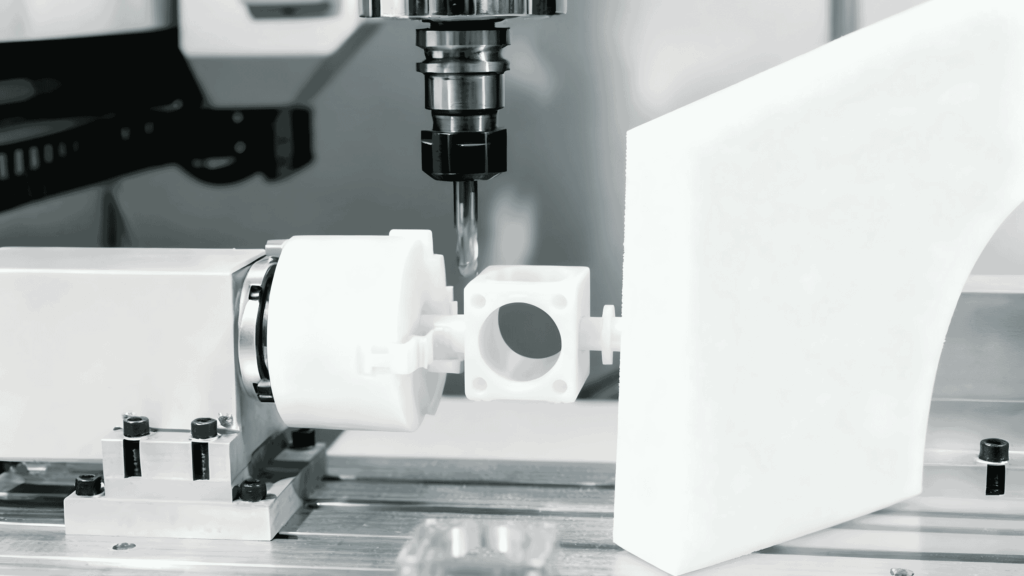
ABS, Nylon, PC (Polycarbonate)
Cost-effective and fast to machine, suitable for early prototype iterations.
- ABS: Good all-around mechanical performance.
- Nylon: Excellent toughness but may absorb moisture.
- PC: Strong, transparent, impact-resistant.
Additional Considerations for Material Selection
To fully optimize your CNC prototype, consider the following properties during the design phase:
- Machinability: Some materials reduce machining time and cost dramatically.
- Thermal Expansion: Important for precision fits and multi-material assemblies.
- Surface Finish Requirements: Harder materials require more finishing time.
- Testing Conditions: Temperature, load cycles, chemical exposure, wear, and friction.
- Weight Targets: Aerospace, drones, robotics, and automotive projects often require lightweight prototypes.
Design Tip:
Match the material to your prototype’s functional goals, not just its appearance. By considering strength-to-weight ratio, machinability, thermal behavior, environmental exposure, and finishing requirements early in the design process, you ensure your CNC prototype performs accurately and efficiently—while minimizing unnecessary cost and revision cycles.
Design Tip 2: Apply Realistic Tolerances to Reduce Cost & Lead Time
Tolerances greatly influence the efficiency and price of any CNC prototyping service. While prototype CNC machining services can achieve extremely tight tolerances, doing so unnecessarily increases tool wear, machining time, measuring operations, and overall cost. Designers often tighten tolerances by habit rather than by functional need—resulting in slower production and more expensive prototypes.
General Tolerance Guidance
- Standard CNC tolerance: ±0.005 in (±0.125 mm) is suitable for most prototype features.
- Critical dimensions only: Tight tolerances should be reserved for sealing surfaces, press fits, alignment features, and load-bearing areas.
- Use GD&T selectively: Apply flatness, perpendicularity, concentricity, etc. only when performance depends on them.
- Account for tolerance stack-up: Especially important for assemblies, hinge systems, mating parts, and multi-material builds.
Design Tip:
Share the functional intent of each critical feature with your machinist. This helps determine whether a tight tolerance is justified or whether a standard tolerance can achieve the same outcome at a lower cost.
Design Tip 3: Optimize Wall Thickness for Structural Integrity
Thin walls are one of the main causes of chatter, vibration, and dimensional distortion during the machining of prototype parts. This issue is more pronounced in plastics, which have lower stiffness and greater thermal expansion. CNC machinists must slow feed rates and modify toolpaths to prevent breakage, often increasing cost and lead time.
Recommended Wall Thickness
- Metal parts: ≥ 0.8–1.0 mm for stability and clean edge quality
- Plastic parts: ≥ 1.5–2.0 mm to prevent flexing and melting
If weight reduction or airflow considerations require thin walls, consider alternatives like ribbing, localized thickening, or changing to a stiffer material.
Design Tip:
When you must deviate from recommended wall thicknesses, consult your CNC prototype service early to ensure tooling strategy and fixturing can support the design.
Design Tip 4: Ensure Tool Accessibility and Machinable Geometry
CNC machining is constrained by the shape and reach of cutting tools. Ignoring tool accessibility often leads to unnecessary multi-axis setups, EDM operations, or design revisions. Improving machinability during the design phase can dramatically reduce prototype lead time.
Best Practices
- Avoid very deep cavities—depth should be ≤ 3× tool diameter for stable cutting.
- Add fillets to internal corners—radius ≥ tool radius for smoother toolpaths.
- Avoid fully enclosed or hidden cavities that require EDM or multi-piece machining.
- Design features so they can be accessed from standard 3-axis or 5-axis orientations.
- Include flat clamping surfaces or plan for custom fixturing if needed.
Design Tip:
If your prototype includes undercuts, complex contours, or internal channels, consider specifying a 5-axis CNC prototyping service to eliminate extra setups and improve geometric consistency.
Design Tip 5: Simplify Finishing Requirements
Surface finishes play a major role in the appearance and functionality of a prototype but may not always be necessary for early design iterations. Each finishing step adds time and cost, so aligning finishing choices with prototype goals is essential.
Finishing Options
- As-machined: Best for rapid validation, fits, and mechanical tests
- Bead blasting: Smooth matte finish ideal for visual prototypes
- Anodizing: Protects aluminum and enhances appearance or corrosion resistance
- Polishing: Used for low-friction or optical surfaces
- Powder coating: Durable and decorative finish for metal prototypes
Design Tip:
Define which faces require cosmetic quality and which do not. Many prototypes only need finishing on visible or functional surfaces, which significantly reduces cost.
Design Tip 6: Consider Modular or Split Geometry for Complex Parts
Complex CNC prototype parts often include deep cavities, internal channels, intersecting pockets, or tall unsupported features that push CNC machining to its practical limits. Attempting to produce these designs as a single monolithic piece can dramatically increase machining time, introduce vibration (chatter), require extra-long tools, or lead to dimensional distortion due to internal stresses. In many cases, a modular or multi-piece design is a far more efficient strategy for CNC prototyping services.
Why Modularization Works Better for CNC Prototypes
Modular design breaks the component into two or more sections that are each optimized for manufacturability. These smaller pieces can be machined using shorter tools, more stable fixturing, and simpler setups, which results in higher accuracy and a better surface finish. After CNC machining, the pieces can be joined through mechanical fasteners, adhesives, locating pins, or precision interlocking features.
Key Advantages of Modular or Split-Geometry CNC Designs
- Improved Machinability: Shorter tools increase rigidity and reduce tool deflection, which improves accuracy in critical features.
- Reduced Machining Time: Complex deep-pocket toolpaths are replaced with faster, simpler passes on individual segments.
- Lower Scrap Risk: If one section fails during machining, you only remake that portion—not the entire expensive blank.
- Better Heat Management: Split designs reduce risk of thermal distortion during long machining cycles.
- Higher Flexibility for Iterations: Engineers can quickly modify or re-machine individual sections without redesigning the entire part.
This approach is especially effective for aerospace housings, robotic arm components, microfluidic manifolds, optical instrument bases, and any prototype where tight tolerances meet hard-to-reach features. For many engineering teams, modularization is a strategic choice that accelerates prototyping while keeping budgets under control.
Design Tip 7: Prepare Clean, Well-Structured CAD Files
A CNC prototyping service is only as accurate as the digital model it receives. Clean, organized CAD data ensures efficient quoting, error-free toolpath generation, and a prototype that matches the designer’s intent. Ambiguous or cluttered files, on the other hand, create delays, confusion, and unnecessary back-and-forth between engineering and manufacturing teams.
What Manufacturers Expect in a “Production-Ready” CAD File
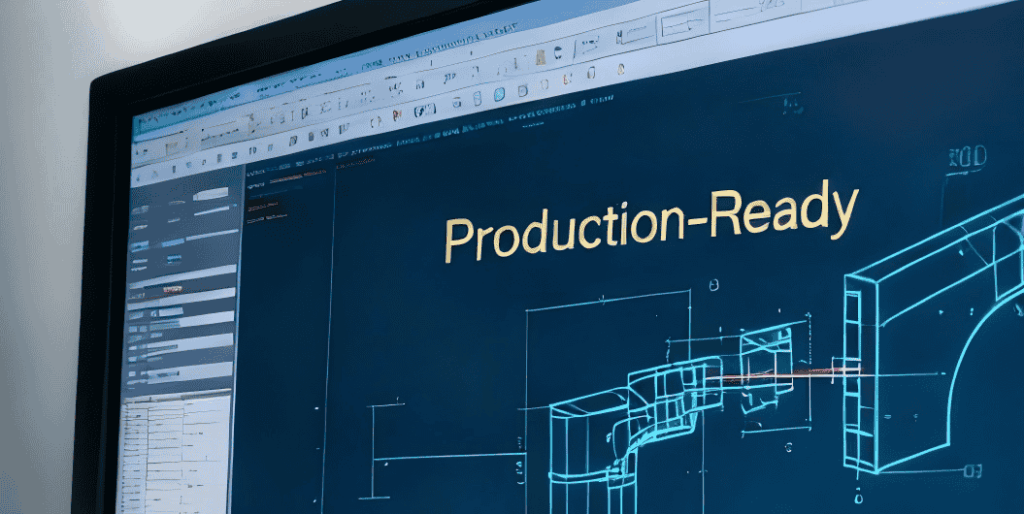
CNC shops depend on precise geometry to generate toolpaths, simulate machining forces, and validate tolerances. Any redundant bodies, hidden sketches, or leftover construction elements can mislead CAM software or cause export issues. A properly prepared model reduces risk and keeps your project moving.
Industrial Best Practices for Preparing CAD Files
- Use STEP (.stp/.step) Format: The most reliable file type for transferring solid models across CAD platforms.
- Eliminate Unnecessary Geometry: Remove hidden bodies, duplicate surfaces, unused sketches, and broken imports.
- Ensure Single-Body Integrity: Unless intentionally a multi-part assembly, your model should contain only one solid body for machining.
- Name Files Clearly: Use consistent naming (e.g., “ValveBlock_Prototype_v5.step”) to help avoid versioning confusion.
- Include 2D Drawings Only When Needed: Drawings should specify tolerances, threads, surface finishes, GD&T, and critical dimensions—not repeat what the model already shows.
- Communicate Special Requirements: If edges must remain sharp, surfaces require no tool marks, or features are aesthetic, note these explicitly.
Providing clean CAD files reduces errors, accelerates manufacturing timelines, and ensures your prototype CNC machining service can begin immediately with minimal clarification. The result is a smoother workflow and a prototype that accurately reflects your engineering goals.
Effective design for any CNC prototyping service is not only about manufacturability—it is about accelerating product validation, improving engineering decision-making, and reducing the cost of multiple prototype iterations. By applying practical design rules such as realistic tolerance selection, optimized wall thickness, improved tool accessibility, thoughtful finishing choices, modular structure design, and clean CAD preparation, engineers can significantly strengthen both the reliability and economic efficiency of prototype CNC machining services.
Adopting these principles early in the design cycle helps you minimize production risk, reduce communication loops, and ensure that each prototype stage contributes meaningful data to your development roadmap. Whether the goal is functional testing, assembly verification, or market-ready design refinement, these best practices allow your team to move faster and build better.
If you are looking for a CNC prototyping service that combines engineering expertise, fast turnaround, and mass-production-ready accuracy, Ancastings Precision is an ideal partner.
Ancastings offers:
- Instant quotations based on manufacturability rules
- Wide material availability, including metals, plastics, and engineering composites
- Advanced 3-axis, 4-axis, and 5-axis CNC equipment for complex geometries
- High-precision tolerances suitable for mechanical testing and assembly validation
- Flexible low-volume and rapid iteration support, ideal for early-stage product development
With over a decade of experience in prototype CNC machining services, Ancastings helps engineers transform CAD concepts into reliable, test-ready prototypes—quickly and cost-effectively.
If you need a trusted partner to support your next prototype build, Ancastings CNC prototyping service is ready to support your project from concept to production.
Other Blogs You May Be Interested in:
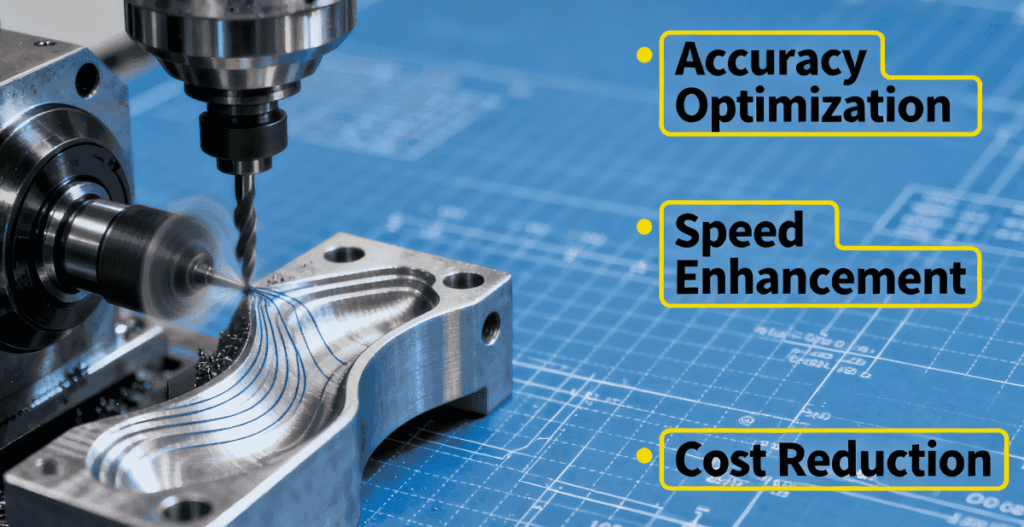
Expert Tips for Prototype CNC Machining: How to Optimize Accuracy, Speed, and Cost
Expert Tips for Prototype CNC Machining: How to Optimize Accuracy, Speed, and Cost
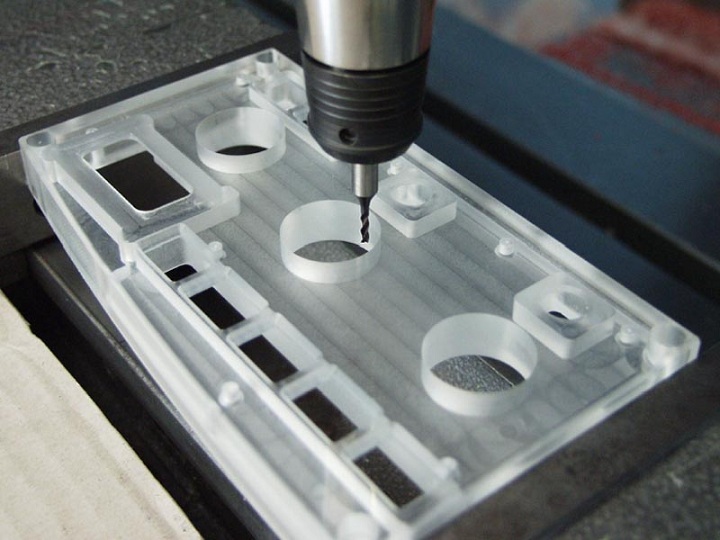
CNC Plastic Machining: What Is It, Creating Prototypes, Operations, Materials