
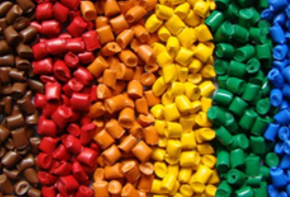
As new materials emergence rapidly in 3D printing market, it is difficult to select the best suitable material for specific objects. In FDM, PLA and ABS are two main polymer in application, while new polymers are still play a major role in the future of FDM. New products with material of pure polymer and composites become more and more popular, the main pure polymers in market are PLA, ABS, PET, Nylon, TPU and PC. Our engineering team summarize the key difference of material properties form profiles, so we can make a quick decision of materials application in FDM materials selection process.
Methodology
We always divide FDM materials properties into 3 different categories like mechanical performance, visual quality, and process. In these categories, all materials will be graded in different level, finally create a clear picture of polymer properties. As FDM materials selection depends on final products applications, we will provide key decision criteria to choose materials except cost and speed considerations.
Easy of printing
This point explain how easy to print the material, it including bed adhesion, max printing speed, frequency of failing, flow accuracy.
Visual quality
This point explain how finished parts look, normally including surface appearance, surface roughness.
Max stress
The maximum stress of final products can resist before broken in slowly pulling process.
Elongation
The maximum length of final products can be stretched before broken.
Impact resistance
The force to break final parts in a sudden impact.
Layer adhesion
How good of adhesion between material layers, it will link materials in all directions. The better layer adhesion will result to better isotropic products.
Heat resistance
The maximum temperature of final products before softening and deforming.
Rigidity
This point are just properties suitable for specific applications, there are neither good nor bad.
Humidity resistance & toxicity
These 2 element are important factors, but without a good quantitative assessment.
Material Properties Results
All these materials will been rank with following criteria on 1 to 5 scale in FDM process.
PLA
PLA is the polymer with easiest of printing and good visual quality. It is very rigid and high strength, but is very brittle.
| Material | PLA |
| Advantage | Bio-sourced Biodegradable Odorless,Good UV resistance Post-processing with sanding paper Painted with acrylics |
| Disadvantage | Low humidity resistance Hard to glue |
ABS
ABS is always applied for products with higher temperature resistance and higher toughness comparing to PLA.
| Material | ABS |
| Advantage | Post-processing with acetone vapors for gloss finish Post-processing with sanding paper Painted with acrylics Good abrasion resistance |
| Disadvantage | UV sensitive Odorous in printing High fume emission |
PET
PET is a softer polymer with well rounded and additional properties, it has few major drawbacks.
| Material | PET |
| Advantage | High humidity resistance High chemical resistance Recyclable Good abrasion resistance Post-processing with sanding paper Painted with acrylics |
| Disadvantage | Heavier than PLA and ABS |
Nylon
Nylon has great mechanical properties, especially excellent impact resistance. However, it has issues in layer adhesion.
| Material | PET |
| Advantage | Good chemical resistance High strength |
| Disadvantage | Absorbs moisture High fume emission |
TPU
TPU has flexible application in reason of its high impact resistance.
| Material | PET |
| Advantage | Sterilization Easy for sanding process |
| Disadvantage | UV sensitive |
Conclusion
Selecting the perfect polymer materials for FDM process is critical to final 3D parts with excellent properties, especially for functional applications. We can assist customers find the right materials depending their special properties requirement. However, we also can add additives to modify the polymer properties, such as carbon fiber to increase materials strength.