
“Stainless steel classifications are primarily based on structure and chemistry, include Austenitic, Ferritic, Martensitic, and Duplex varieties.”
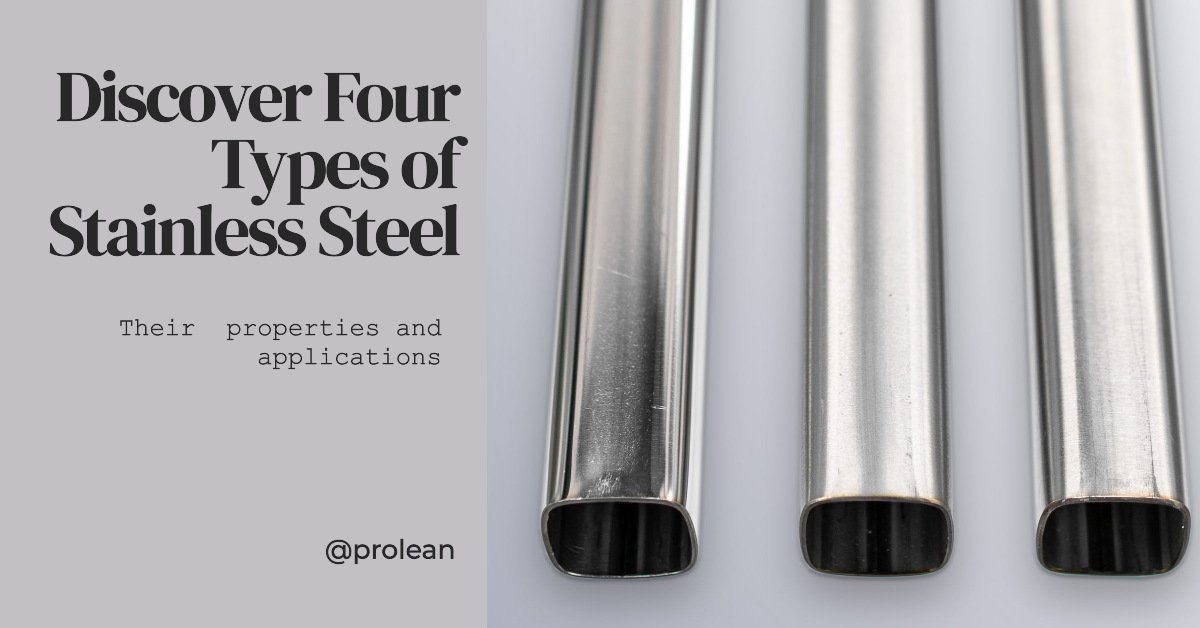
Stainless steel is the standard name for specific alloys of steel containing chromium, nickel, and carbon as alloying elements in different proportions. Altering the alloying composition makes different stainless steel types, such as austenitic, ferritic, and martinistics. Moreover, other types are also based on other criteria, like duplex stainless steel and hardened types.
This article will deal with some common types & alloys grades of stainless steel used in manufacturing.
What is Stainless Steel?
This carbon and iron alloy is highly corrosion-resistive and high-strength steel with several beneficial mechanical and physical properties. The chromium content significantly improves corrosion resistance, nickel improves ductility & toughness, and other alloying items also help to customize the properties as needed. Therefore, stainless steel is highly resistant even in Alloy Steel vs Stainless Steel.
The typical composition of the stainless steel is as follows;
- Chromium: ≥10.5%
- Nickel: 8 to 10%
- Molybdenum (Mo): 2% to 3%
- Carbon (C): <1.2%
Other alloying elements such as Manganese (Mn) or silicone(si) can be added in small amounts in some specific grades based on needed properties for minted application. Additionally, you can get different forms of stainless steel in the market, such as stainless, Stainless Steel Sheets, bars, rods, blocks, etc.
Moreover, stainless steel is processed using manufacturing technologies like CNC machining, sheet metal fabrication, forging, and casting.
Try Ancastings Now!
Types of Stainless Steel
Different stainless steel types are available in the market based on their composition and offered properties. Producing multiple types and grades involves addressing numerous machining and other manufacturing applications with unique and diverse properties within the stainless steel family.
1. Austenitic Stainless Steel
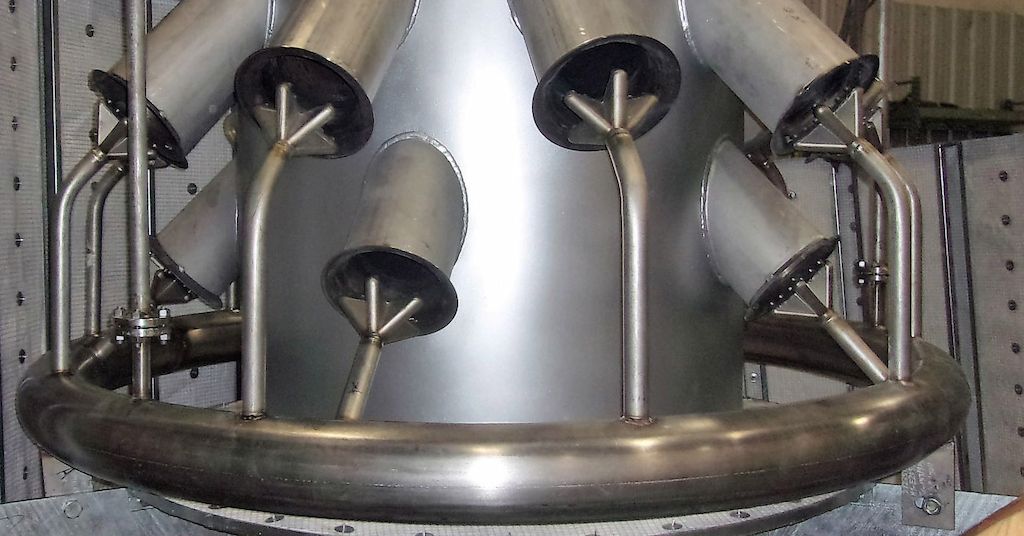
Gas manifold made with austenitic stainless steel
Austenitic stainless steels are high-chromium and nickel-content alloys with superior corrosion resistance, ductility, and toughness. Additionally, this type of steel offers a bright silver aesthetic. Internally, it contains crystal structure body-centered-cubic(BCC). The 200 and 300 stainless steel grades fall under the austenitic stainless steel types.
2xx: Nickel, Manganese, Chromium alloy
3xx: Highest chromium & Nickel content (12% and 6%)
The most popular stainless steel grades of austenitic stainless steel are 304, 316, and 316l. However, the carbon content is the only difference in 316 vs 316l stainless steel. The higher carbon in 316L outperforms the 316. You can read here to learn more about 304 vs 316 Stainless Steel.
The typical applications of austenitic are;
- Medical equipment and implants
- Automotive trims
- Industrial processing components
- Marine fittings, boat hulls, and propeller shafts
- Heat exchangers & exhaust systems
- Power generation equipment & parts like steam turbines
- Kitchenware & Architectural items
2. Ferritic Stainless Steel
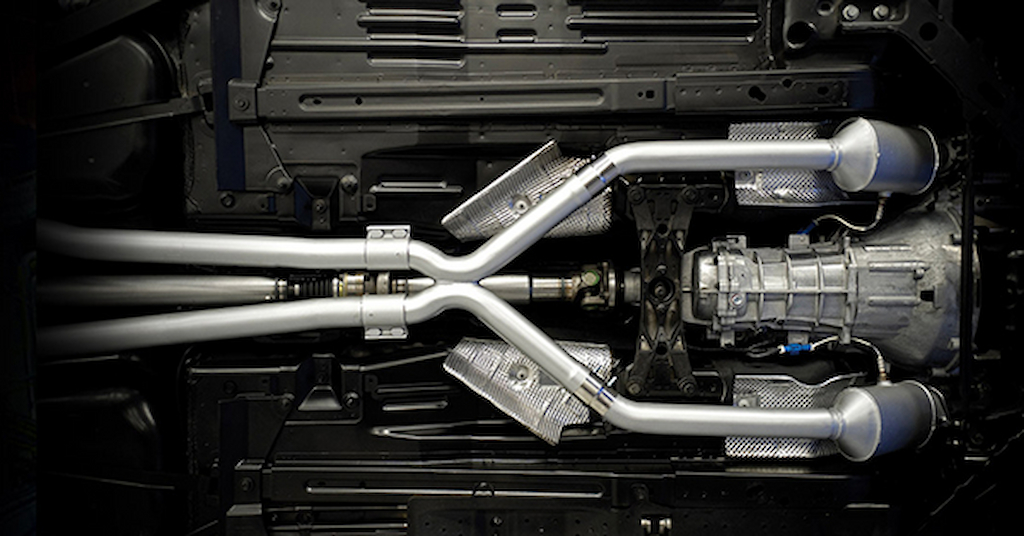
Ferritic stainless steel
This type of stainless steel is cheaper than others because it comprises 10.5% to 30% chromium and less than 0.20% of carbon but no nickel. Since nickel is a relatively expensive metal, its absence reduces the cost of ferritic-grade alloys.
Ferric stainless steel is magnetic and typically contains a matte texture surface. It is known as a more robust but lower corrosion-resistant alloy than autentistic. However, some grades can match the resistant level. Other valuable properties of ferritic grades are Resistance to stress corrosion cracking, lower thermal expansion, high conductivity, etc.
Moreover, these stainless steels fall under the 400 series, and grades are denoted as 4xx. Each grade is made with a different proportion of chromium with iron. So, the grades exhibit distinct properties based on the % of chrome.
The common ferritic grades used in manufacturing are 405, 409, 430, and 430FSe.
Application examples are;
- Automotive exhaust systems
- Washing machine drums
- Decorative architectural parts
- Industrial roofing and siding
- Elevator panels
- Food processing equipment
- Boiler components
- Water heaters and tanks
3. Martensitic Stainless Steel
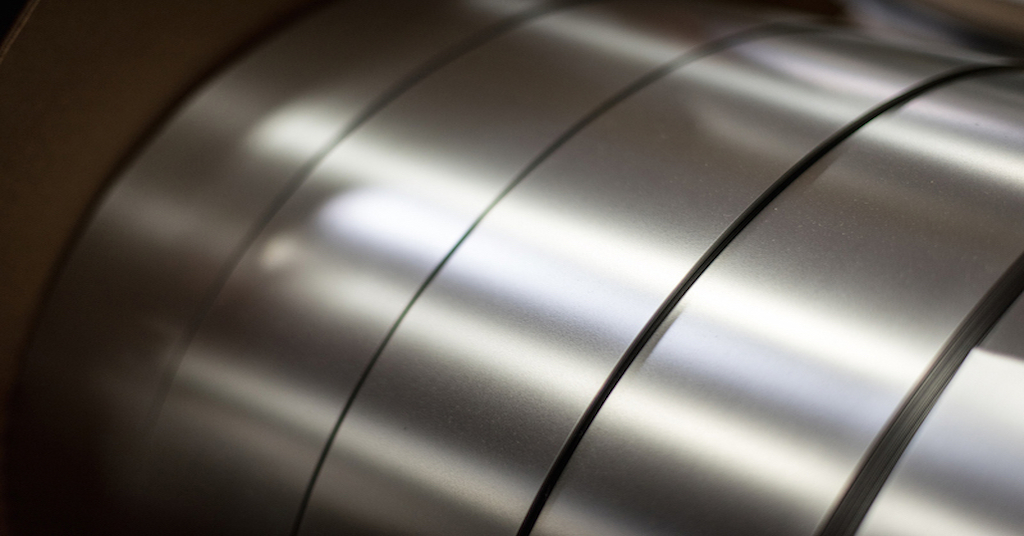
Martinistic stainless steel
Next, martensitic stainless steel is moderately corrosion-resistant compared to other stainless steel types. However, its superior weldability and toughness make it a valuable material in machining and other manufacturing processes. However, martensitic shows lower compatibility with metal welding.
The typical composition of martensitic involves 11.5 – 13% chromium, 0.15% carbon, and 0.1% manganese. Source. Moreover, martensitic grades also fall under the 400 series of stainless steel. The 410 grade is considered the basic grade, whereas other grades are 420, 440, 414, and 431.
The composition is quenched at high rates to obtain strength and hardness while making martensitic steels. So, sometimes, before machining or other metalworking, martensitic steels are slightly heated for easy processing.
- Dental and surgical equipment
- Needle valves, Pump shafts, and turbine blades
- Cutlery and kitchen knives
- Tooling and dies
- Springs, bearing shafts, and fasteners
- Mechanical parts have a high wear risk
4. Duplex Stainless Steel
It is a mixture of two stainless steel types, ferrite and austenitic, with chromium and nickel as the main alloying constituents. Other elements, depending on the needs, may include molybdenum, copper, tungsten, or other elements.
The standard duplex stainless steel consists of chromium 21-25%, molybdenum 2-3%, nitrogen 0.15%, and less than 0.06% carbon. Source. However, the ratio of alloying constitutes might vary on particular duplex grades. The common duplex stainless steel grades are 2505, 2507, and 2707.
The lower carbon makes duplex stainless steel suitable for corrosion-prone applications. They also provide excellent fatigue resistance and performance stability at certain temperatures. Meanwhile, duplex stainless steel does not provide high-intensity magnetism and weldability.
Applications examples of duplex stainless steel are as follows;
- Chemical processing and wastewater treatment
- Carbon dioxide holding tanks
- Marine applications
- Construction elements
- Piping and heat exchangers
Try Ancastings Now!
CNC Machining of Stainless Steels
As the properties of each type of stainless steel are slightly distinct, the machineability also varies with the types. Typically, austenitic grades are mainly used for CNC machining projects. Their good machineability and hardness make them preferred for stainless steel machining.
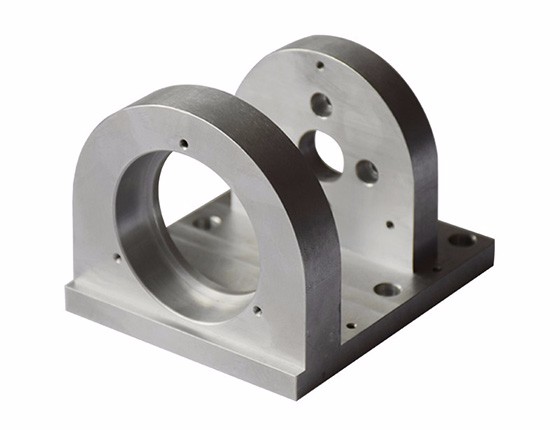
CNC-machined stainless steel part
Furthermore, the tool-cutting and machining parameters vary based on the stainless type. The common CNC tool materials for stainless steel are carbide or high-speed tool steel.
Table: CNC Machining of Stainless Steels
| Stainless Steel Type | Grades | Machinability | Considerations |
| Austenitic | 304, 316 | Good | Requires sharp tools and correct cutting speeds |
| Martensitic | 410, 420 | Good | Easier to machine, sharp tools, |
| Ferritic | 430, 409 | Moderate | Lower toughness than austenitic grades, chipping risk |
| Duplex | 2205 | Variable | Requires high-quality tools and slower speeds due |
We Machine all Types of Stainless Steel at Ancastings
We understand that using the right machining tool and parameters like cutting speed, depth, and feed rate for stainless steel is the first and foremost term for quality results. Our advanced multi-axis CNC machines can handle any type of stainless steel. Additionally, the custom tooling approach at ancastings can provide precise and custom machining solutions to meet your requirements.
- All types & grades of stainless steel
- Precision as low as ±0.125mm (±0.005″)
- Smooth as-machined surface and post-process
- Competitive Pricing
- Rapid lead times
- Flexible with production volume
Regardless of which industry you are in, send us your design for our Stainless Steel Machining Services. We will get back to you with a detailed quote before starting the project.
Try Ancastings Now!
Key Points of the Article
- The primary basis for different stainless steel type categorizations is what alloying constituents steel has.
- Each type(austenitic, ferritic, martensitic, and duplex ) involves different % of chromium, nickel, molybdenum, and other alloy elements.
- These stainless steels can be CNC machined or processed with other manufacturing techniques for diverse industrial components.
- The proper CNC machining parameters are essential based on which stainless steel grade types you are machining.
FAQs
What are the four types of stainless steel?
The four main types are Austenitic, Ferritic, Martensitic, and Duplex stainless steel. Each type varies in composition, strength, corrosion resistance, and machinability.
Can I use any type of steel for my machining project?
No! Only some steels are suitable for some machining projects. The choice depends on the project’s specific requirements, such as durability, corrosion resistance, and strength.
Which stainless steel is highly corrosion-resistant?
Austenitic stainless steel (the 316 grade) is highly corrosion-resistant. Its molybdenum content enhances its resistance to chlorides and aggressive environments.
What is the difference between austenitic and martensitic stainless steels?
Austenitic stainless steels are non-magnetic, highly corrosion-resistant, and have excellent weldability due to their high chromium and nickel content. On the other hand, martensitic stainless steels are magnetic and provide higher strength.