
Surface finish is far more than a cosmetic attribute—it’s a fundamental factor influencing dimensional accuracy, functional performance, and service life in CNC machined parts. In high-stakes sectors like aerospace, medical, and automotive manufacturing, surface finish directly affects part reliability, safety, and user perception. A well-executed surface finish ensures optimal interaction with mating parts, improves corrosion and wear resistance, and enhances overall product integrity.
Understanding Surface Finish in CNC Machining
Surface finish refers to the texture and smoothness of a machined surface after the cutting process. In CNC machining surface finishes, it is quantified by parameters such as Ra (average roughness), Rz (average peak-to-valley height), and other roughness profiles. Therefore, surface finish is an engineered characteristic—not an afterthought—integral to ensuring performance, fit, and compliance
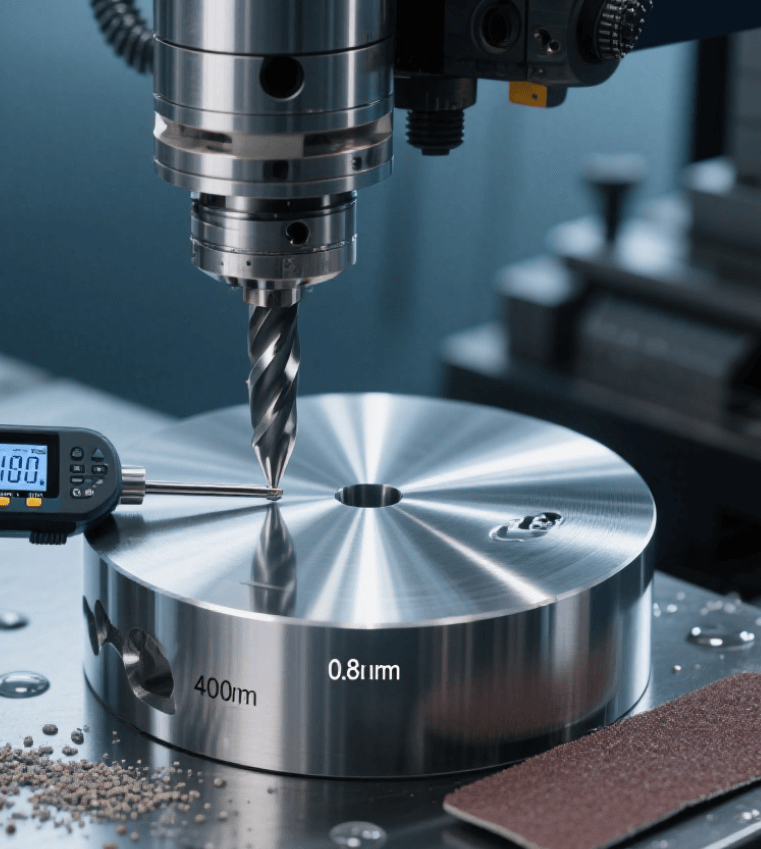
A smoother surface finish reduces friction and enhances part performance, while a rougher finish may be acceptable—or even beneficial—when adhesion, coating application, or fluid retention is required. Engineers must carefully specify the required finish at the design stage to balance functionality, cost, and manufacturability.
How Surface Finish Affects Tolerances
Dimensional tolerances define allowable deviations, but surface finish determines whether those tolerances hold up in real-world applications.
- Rough surfaces can prevent proper seating, causing misalignment, stress concentration, and premature wear.
- Critical components like bearings, seals, and gears demand fine finishes to maintain tight tolerances under operational loads.
- Post-machining treatments (e.g., heat treatment) may introduce distortion, making final finishing essential for restoring dimensional accuracy.
In short, surface finish directly influences the achievable tolerance band, and overlooking it can compromise the reliability of the entire assembly.
Performance Benefits of Optimized Surface Finishes
A well-specified CNC machining surface finish goes beyond meeting drawing requirements; it contributes to overall part performance and product lifecycle.
- Wear Resistance: Smooth finishes reduce friction between moving components, extending service life.
- Corrosion Resistance: Proper finishing methods (e.g., polishing, anodizing) close microscopic valleys that could trap moisture and contaminants.
- Fatigue Strength: Eliminating surface irregularities minimizes stress risers that can initiate cracks, a critical factor in aerospace and automotive parts.
- Lubrication Retention: In certain applications, controlled roughness improves oil or lubricant retention, enhancing efficiency.
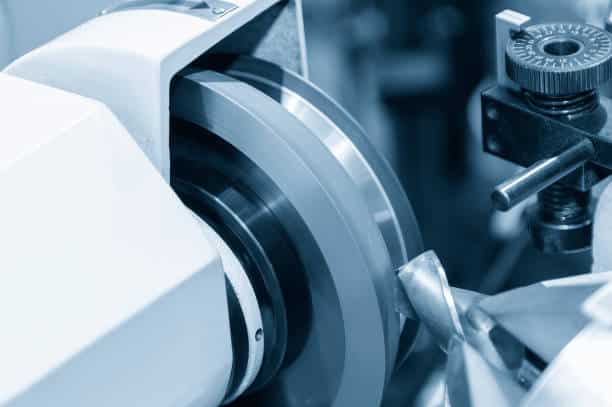
A poorly finished medical implant may cause biocompatibility issues, while a high-stress aerospace CNC component with suboptimal finish could fail under dynamic loads. Both cases highlight how surface finish is central to performance, not optional.
Aesthetic Value and Market Perception
In addition to function, surface finish shapes the aesthetic appeal and perceived quality of CNC machined parts. End users, procurement managers, and OEM clients often equate surface smoothness with product excellence.
- A polished, uniform appearance signals quality and precision.
- Consistent finishes across product lines strengthen brand recognition and trust.
- In consumer-facing industries (e.g., electronics, luxury goods), aesthetics can dictate market acceptance.
Cosmetic flaws—even when functionally harmless—can lead to rejected shipments and eroded customer confidence. The right surface finish does not only optimize function; it elevates customer trust, product branding, and overall competitiveness.
Common CNC Machining Surface Finishes & Applications
Different industries demand different surface finishes, and each method delivers unique performance benefits. Moreover, selecting the right finish depends on functional requirements, material, and cost:
| Finish Type | Characteristics & Applications |
|---|---|
| As-Machined | Economical; suitable for non-critical internal features. |
| Bead Blasting | Uniform matte finish; common in enclosures and consumer goods. |
| Anodizing | Impro corrosion resistance; allows coloring (e.g., aerospace, electronics). |
| Polishing | Mirror-like finish; used in medical, optical, and decorative parts. |
| Powder Coating / Plating | Enhanced hardness and environmental protection. |
The finishing method must align with the part’s function, environment, and cost constraints.
Strategic Decision-Making for Surface Finish Requirements
Choosing the correct surface finish is a strategic decision that involves balancing engineering requirements, cost, and manufacturability.
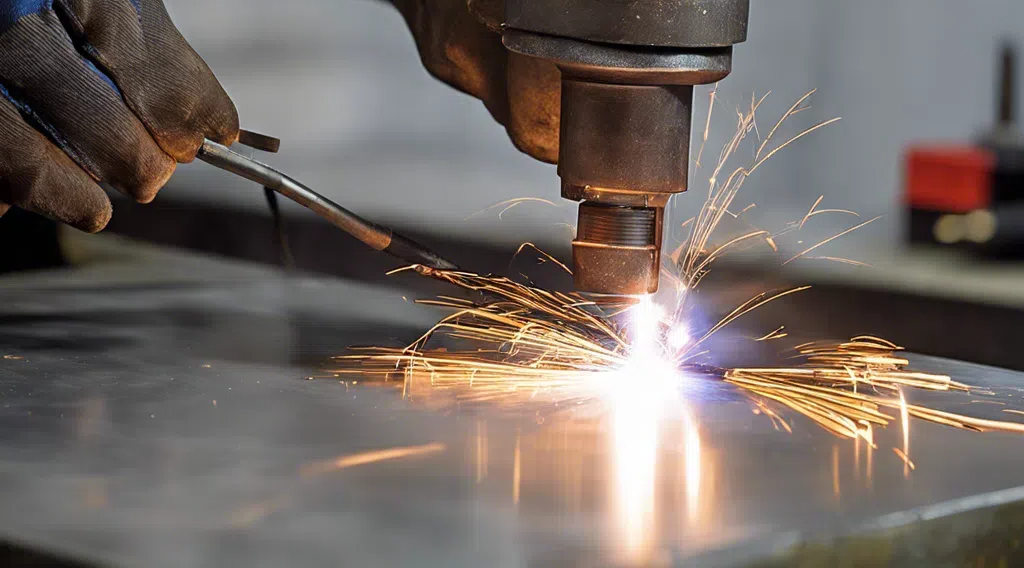
- For tight-tolerance mechanical assemblies, fine finishes prevent misalignment and premature failure.
- For high-wear applications, finishing enhances durability and reduces maintenance cycles.
- For aesthetic consumer products, visual appeal may be the deciding factor.
Surface finish is a decisive factor in part performance, brand perception, and user satisfaction. It directly impacts:
- Functional performance – wear resistance, sealing, fatigue strength
- Perceived quality – aesthetics, tactile experience, craftsmanship
- Market competitiveness – customer trust, brand reputation, product value
Manufacturers who prioritize surface finish gain durable advantages: lower lifecycle costs, fewer returns, and stronger client relationships.
Conclusion: The Overlooked Power of Surface Finish in CNC Machining
CNC machining surface finish is not simply cosmetic: it is a vital determinant of tolerance accuracy, operational performance, and overall part quality. By specifying the right CNC machining surface finishes, manufacturers ensure reliability in demanding applications, enhance corrosion and wear resistance, and elevate the visual and functional value of their products.
As precision and efficiency requirements grow across industries, surface finish will play an increasingly vital role. Manufacturers who integrate surface finish considerations into their design and production processes of CNC machining will gain a significant competitive advantage, meeting higher customer expectations and driving lasting quality and innovation.
- How CNC Design Impacts Sterilization Cycle Time & Cost
- Magnesium Alloy Housings: CNC Anti‑Oxidation & Deformation Control
- Preventing Built-Up Edge When Machining Soft Aluminum for Semiconductor Gas Distribution Panels
- White Layer Formation in Medical Grinding: Risks & Removal
- Titanium TC4 Robot Arms: 5-Axis CNC for 30% Lighter Weight & High Rigidity