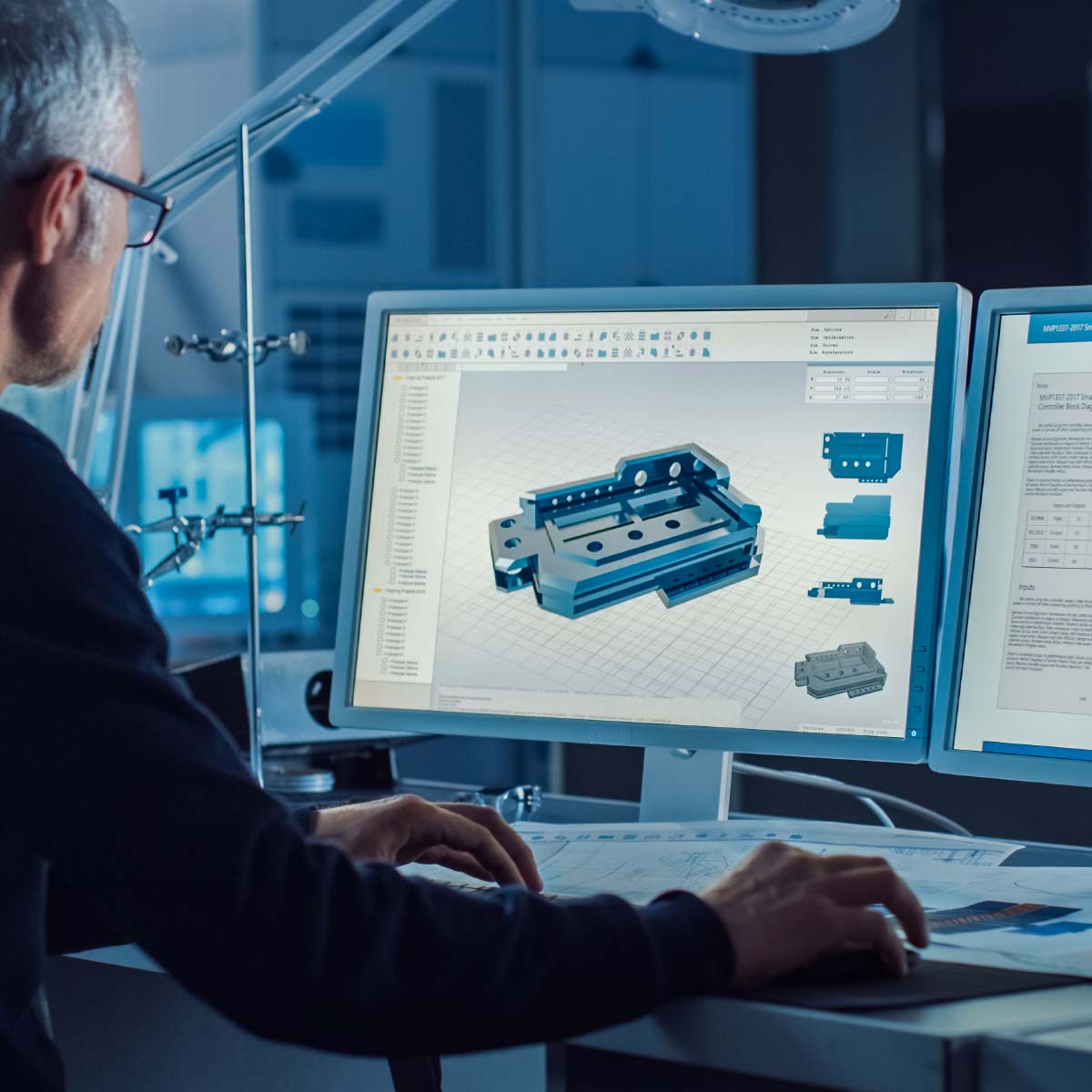
Creating a plastic prototype is a pivotal step. It allows designers and engineers to validate concepts, test functionality, and identify potential issues before committing to full-scale production. By investing in plastic prototype manufacturing, companies can save time, reduce costs, and ensure product success in the market.
Understanding Plastic Prototypes
A plastic prototype is an early sample or model of a product, built to test a concept or process. These prototypes can range from simple visual models to fully functional units, depending on the project’s requirements. The primary goal is to evaluate the design, functionality, and manufacturability of the product.
Types of Plastic Prototypes
- Visual Prototypes: Focus on the product’s appearance, including size, shape, and color.
- Functional Prototypes: Designed to test the product’s functionality and performance under real-world conditions.
- Pre-Production Prototypes: Used to fine-tune the manufacturing process and identify any last-minute design changes.
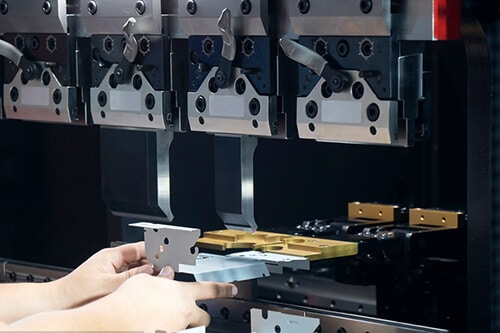
Methods for Creating Plastic Prototypes
Several techniques are available for plastic prototype manufacturing, each with its advantages and considerations.
1. 3D Printing
3D printing, or additive manufacturing, builds prototypes layer by layer from digital models. It’s ideal for rapid prototyping and allows for complex geometries.
Advantages:
- Quick turnaround times
- Cost-effective for small quantities
- High design flexibility
Considerations:
Not all engineering-grade plastics are available for additive manufacturing, and parts may lack the mechanical strength or thermal resistance required for functional testing. The layer-by-layer construction process can also result in anisotropic strength, where parts are weaker along the Z-axis. Furthermore, the surface finish of printed parts is often rough and may require post-processing for aesthetic or assembly purposes. Dimensional accuracy can vary depending on printer type, material, and part geometry. As production volume increases, 3D printing also becomes less cost-effective compared to other methods.
2. CNC Machining
CNC machining involves subtractive processes, where material is removed from a solid block to create the desired shape. It’s suitable for functional prototypes requiring high precision.
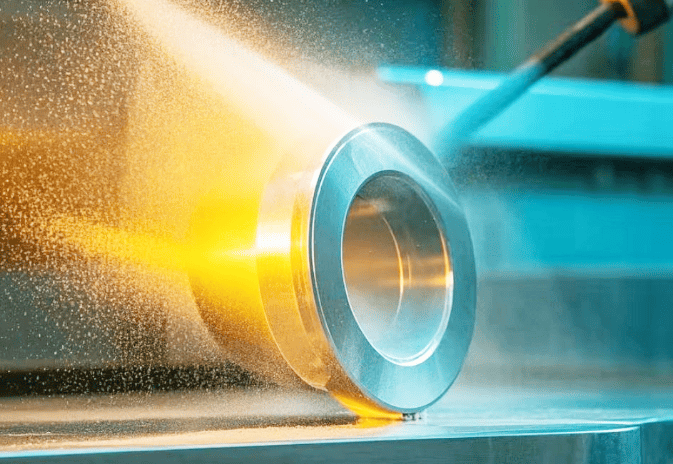
As a subtractive process that cuts solid plastic blocks into precise shapes using computer-controlled tools, CNC machining is best for engineering validation (EVT), Tight tolerance parts, and prototypes that mimic production-grade materials.
Advantages:
Key advantages include high dimensional accuracy, allowing precise replication of complex designs, and a broad selection of engineering-grade plastics, such as ABS, PC, POM, and nylon, to simulate end-use performance. CNC machining also delivers an excellent surface finish, making it suitable for visual models and fit-testing without extensive post-processing.
Considerations:
However, it is associated with higher material waste, especially for complex geometries, since parts are milled from solid blocks. Programming and fixturing can be time-intensive, particularly for intricate designs, which may lead to longer lead times. Some internal features or undercuts may be difficult or impossible to machine without specialized tools or multi-axis setups. Additionally, the cost increases significantly with part complexity and tight tolerances.
3. Injection Molding
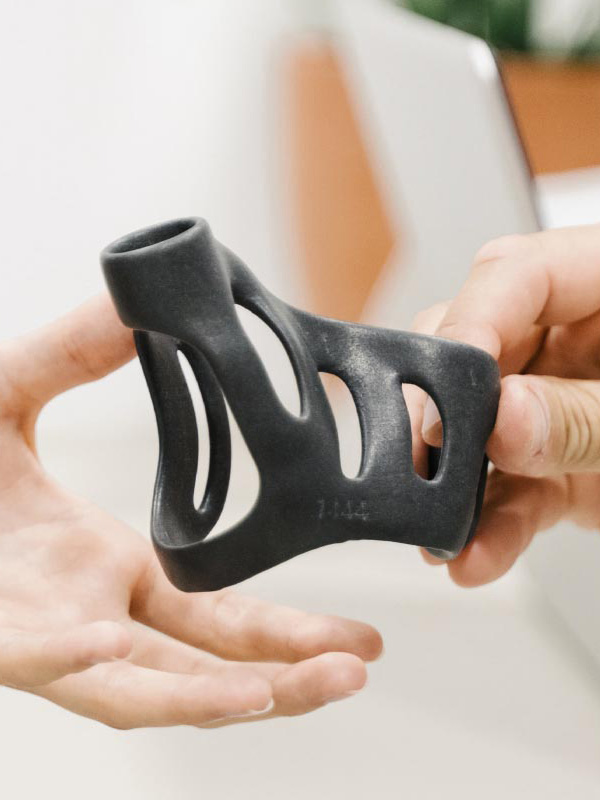
Injection molding is a manufacturing process in which molten plastic is injected into a precision-machined mold to form parts with high accuracy and repeatability. It is widely used for producing large volumes of plastic prototypes and end-use parts, particularly when consistent quality and tight tolerances are essential.
Advantages:
This method is ideal for mass production due to its ability to deliver uniform, repeatable parts at a low per-unit cost when scaled. Once the mold is created, each cycle takes just seconds, making it highly efficient for high-volume runs. Injection molding is also compatible with a wide range of thermoplastics, allowing for flexibility in mechanical properties, surface finishes, and color.
Considerations:
While injection molding delivers excellent results for production runs, it involves high upfront tooling costs and longer lead times for mold fabrication. Therefore, it’s best suited for projects where long-term volume justifies the initial investment.
Choosing the Right Prototyping Method
Each plastic prototyping method offers unique benefits, but they also come with specific limitations that must be carefully considered when selecting the right approach for a given project. Selecting the appropriate method depends on several factors:
- Quantity: For a few prototypes, 3D printing or CNC machining is cost-effective. For larger volumes, injection molding is more economical.
- Material Requirements: If the prototype needs to mimic the final product’s material properties, CNC machining or injection molding may be preferred.
- Complexity: Complex designs with intricate details are better suited for 3D printing.
- Budget and Time Constraints: 3D printing offers quick turnaround at a lower cost, while CNC machining and injection molding require more time and investment.
Partnering with Ancastings Precision for Your Prototyping Needs
Ancastings Precision offers comprehensive plastic prototype manufacturing services, including CNC machining, 3D printing, and injection molding. With a commitment to quality and customer satisfaction, Ancastings ensures that your prototypes meet the highest standards.
Why Choose Ancastings:
- Expertise in various prototyping methods
- State-of-the-art equipment
- Quick turnaround times
- Competitive pricing
- Dedicated customer support
For more information, visit Ancastings Precision.
Conclusion
Creating a plastic prototype is a critical step in product development, allowing for design validation, functionality testing, and manufacturing optimization. By understanding the various prototyping methods and partnering with experienced manufacturers like Ancastings Precision, you can bring your product ideas to life efficiently and effectively.