
Inconel 718 is a strong nickel-chromium alloy that resists corrosion perfectly. According to Science Direct, its niobium composition enables annealing and welding without causing unintentional hardening during the heating and cooling stages. Inconel alloy 718 is easy to make and cost-effective and useful in different applications. You can find it in liquid-fueled rockets, rings and casings for aircraft and land-based gas turbine engines, and cryogenic tanks.
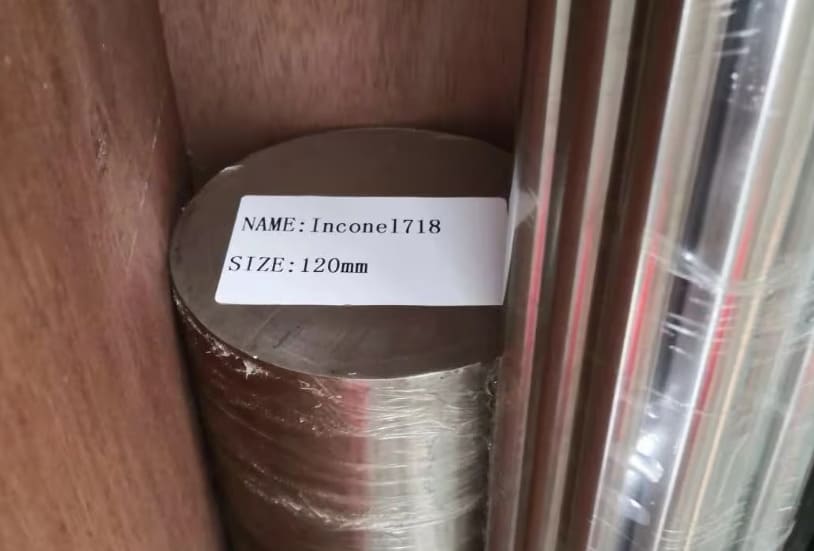
Inconel 718’s exceptional qualities come at a premium price. Prices differ for plate and forgings and for quality-grade bar stock. Different factors, including supply and demand, affect Inconel 718 prices in 2025. This guide explains current price levels, differences between regions, key factors that affect prices, and useful tips for buyers to negotiate effectively and manage their budgets. Let’s get started!
Inconel 718 Price Per Kg and Pound in 2025
Prices Based on Form: Bar, Sheet, Powder, and Wire
| FORM | AVERAGE PRICE (PER KG) |
AVERAGE PRICE (PER POUND) |
BEST FOR |
|---|---|---|---|
| AMS 5662 Round Bar | $25-$47 | $11.35-$15.90 | Aerospace, natural gas production, nuclear energy, and chemical processing. |
| UNS N07718 Tubesheet | $28-$45 | $12.70-$18.15 | Heat exchangers, pressure vessels, and condensers. |
| ASTM B637 Forging | $44-$48 | $19.95-$21.80 | Impression Die Forging, Open Die Forging, Seamless Rolled Forging, Hot Forging, and Cold Forging. |
| Powder | $70-$250 | $31.70-$113.40 | Engine components, reactor vessels, transfer tube assemblies, and exhaust manifolds. |
| Wire | $30-$45 | $13.60-$20.40 | Turbine blades, downhole equipment, pharmaceutical equipment, and seals. |
For proper guidance, check out our guide on the best platforms to find reliable Chinese suppliers for custom metals like Inconel 718.
Volume-Based Discounts
Small Quantities (Less than 100 kg)
This would cost more ($45-$60 per kg) because of the costs for handling, cutting, and retail markup.
Mid-Range Quantities (100-500 kg)
You will most likely get a stable price ($35-$45 per kg), depending on the Inconel 718 form and material.
Bulk Quantity (More than 500 kg)
If you negotiate properly, you can get prices dropped to $30 per kg, especially from Chinese suppliers.
Differences in Inconel 718 Prices Based on Region: Where Do You Get the Cheapest Deal?
| REGION | PRICE (PER KG) | NOTES |
|---|---|---|
| USA | $50-$65 | It costs more here because of requirements like domestic AMS certification, forged billets, specialty forms, and quality assurance standards. |
| Europe | $48-$61 | Prices are high because of expensive labor and energy. However, buyers in the Eurozone might gain advantages from the smooth movement of materials and the same standards across the EU. |
| India | $40-$45 | It is cheaper due to the low cost of labor and less requirements for certifications. |
| China | $23-$28 | Best for large quantities of sheet and bar stock. Buyers gain from mass production, but they might experience less traceability. |
| Japan | $51 | Similar to Europe due to high standards and strict regulations. |
Factors That Affect Inconel 718 Price
1. Cost of Raw Materials
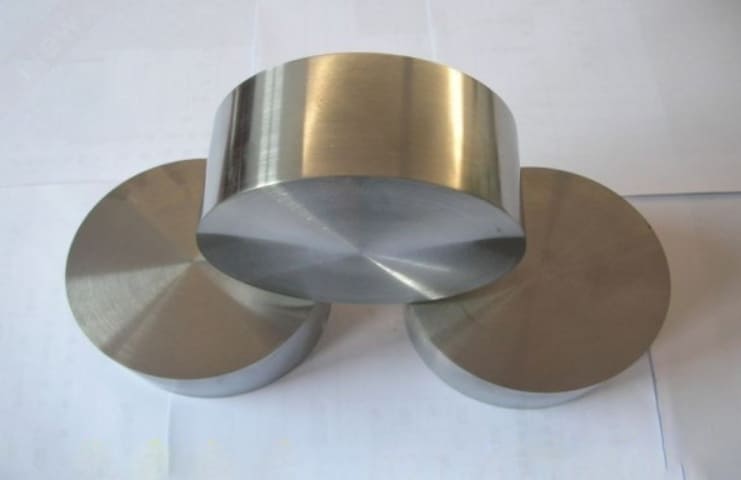
Inconel 718 is mainly made up of nickel, which means its cost is closely linked to the changing price of nickel on the London Metal Exchange. According to Price Watch, in the first quarter of 2025, there was a surge in Inconel prices, rising by $28,518 per metric ton. This was caused by the increase in nickel cost. Also, other alloying elements like chromium and molybdenum/niobium, though less unstable, can influence significant cost based on their market availability.
2. Certification and Quality Standards
Stringent certification requirements make supply chains even more challenging. The aerospace and nuclear sectors require compliance with specific standards, such as AMS 5666 or ASTM B637, which means rigorous testing and traceability. If one batch fails a stress test, it can delay deliveries by 8 to 12 weeks. Procurement teams now prefer suppliers with ISO 14001 certifications or those adhering to REACH (Registration, Evaluation, Authorization, and Restriction of Chemicals) regulations. Certified materials cost about $44-$50 per kg, compared to $25-$35/kg for raw, uncertified forms.
3. Form and Processing Requirements
The material form makes a huge difference in Inconel 718 price. For example, powder for additive manufacturing is priced the highest. The price is influenced by the purity levels, the properties of the particles such as size and shape, production method volume, any extra tests or treatments needed, and the profit margins set by the supplier.
4. Heat Treatment and Complex Manufacturing
The process of making Inconel 718 is complicated and requires a lot of energy, which increases its price. It involves using the appropriate cutting tools (like ceramic tools or cubic boron nitride tools) and cutting fluids. Then there’s the machining process of turning, milling, and drilling which requires an optimal balance between speed and feed. Cutting parameters and tool geometry are to be considered in order to achieve a perfect surface finish. Specific techniques like high-speed machining, dry machining, and hybrid manufacturing, may be needed. All of which require powerful equipment and skilled workers. Inconel 718 requires a special hardening heat treatment, a quantity of 4% of the γ′ phase and 16% of the γ″ phase to be obtained for maximum hardening effect.
5. Volume and Supplier Strategy
Purchasing in bulk, especially from Asian suppliers, can lower unit costs by a large percentage, especially for bar/rod stock. However, it might cost you more if you are buying in small batches, as there are markups for custom cuts or limited quantities.
6. Geopolitical Factors
Geopolitical tensions directly disrupt supply chains by affecting mining operations, trade policies, and raw materials accessibility. For instance, Indonesia’s 2020 ban on nickel ore exports disrupted global supply lines, forcing stainless steel and alloy producers to renegotiate contracts or seek alternative sources. Trade restrictions reveal systemic vulnerabilities, as alternative suppliers often lack comparable production volumes or processing infrastructure.
7. Energy and Environmental Factors
Environmental regulations are changing how Inconel is bought by emphasizing sustainable sourcing, reducing carbon emissions, and following material lifecycle rules. For instance, the EU’s Carbon Border Adjustment Mechanism (CBAM) imposes penalties on high-emission materials brought in from other countries. This has pushed manufacturers to switch to low-carbon Inconel bars produced using electric arc furnaces (EAFs) rather than conventional blast furnaces. Consequently, European suppliers have boosted their Inconel production by 22% since 2021, which has influenced the price of the alloy.
Inconel 718 for Aerospace vs. Industrial Use: Is the Price the Same?
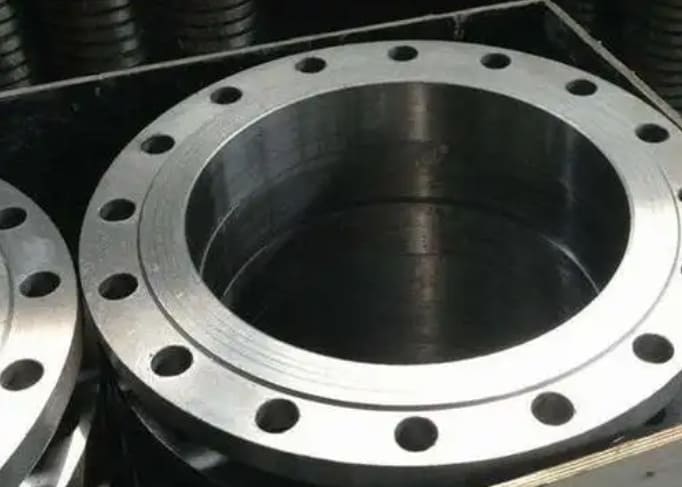
No. Inconel 718 price for aerospace use is about $44-$60 per kg, while it is $25-$35 per kg for industrial use.
Why Does Aerospace Use Cost More?
Certified Documentation and Traceability
Alloys used in aerospace need detailed test reports, including chemical, mechanical, and microstructure data, along with complete traceability records. This extra documentation and the required audits can increase costs by 100% to 200%.
Additional Heat Treatment and Testing
Aerospace uses special aging cycles like H900 and H1025. These processes need exact ovens and destructive testing methods, which drive up the costs.
Stricter Size and Metal Quality Standards
Aerospace parts undergo strict testing. In addition to basic size requirements, suppliers need to ensure the right grain structure, hardness, and strength. This means they have to follow tougher production rules and be more selective about what they accept.
Limited Supply and Higher Costs
Only approved suppliers can provide materials for aerospace use. These suppliers must hold ISO and NADCAP certifications, which raises their operational costs and limits the amount of available materials, leading to higher prices.
When Is Industrial Grade a Better Deal?
If you are making non-essential parts such as tooling fixtures, lab valves, or slide rails, using industrial-grade Inconel 718 can help you save $20 to $30 per kilogram while still offering similar performance to the alloy. Just remember to check the material requirements and any regulatory rules before choosing non-certified stock.
On the other hand, for components used in jet engines, turbine blades, or safety-critical systems, only aerospace-grade materials will meet the necessary compliance and performance standards.
Spot vs. Contract vs. Spot‑Pricing Clauses: Which Purchasing Option is Best for You?
Spot Purchasing
This means that you will purchase Inconel 718 at the current market rate. There’s usually no long-term commitment involved in this option.
The pros are:
- It is ideal for urgent and single purchases.
- It is also suitable for small batch orders or samples.
- There’s price flexibility because prices adapt to current market trends.
- There’s no existing contract or minimum order quantity.
The cons are:
- Price flexibility could be disadvantageous where it is volatile and fluctuates daily.
- There’s usually no discount no matter the quantity you buy.
- It is only advisable for temporary and flexible projects.
Contract Purchasing
This is also known as fixed-price agreement because you will agree on the price and delivery terms with the supplier in advance.
The pros are:
- You are protected from sudden hikes in price.
- Discounts are available, which would save money.
- There’s a coordination between the arrival of your inventory and your project’s schedule.
The cons are:
- You might buy at a higher rate if there’s a market dip.
- There might be additional charges like tariffs and fuel surcharges.
- You must determine quantity accurately to prevent excess stock or shortage.
Spot-Pricing Clauses
This is a hybrid option as it combines both spot purchasing and contract purchasing.
The pros are:
- The risk is balanced because it offers stability and an opportunity to save costs.
- It is suitable for projects that require diverse materials.
The cons are:
- It requires careful negotiation of terms.
- It is not usually readily available for specialty alloys like Inconel 718.
How to Buy Inconel 718 at Cheaper Prices
1. Negotiate Long-Term Contracts
Long-term contracts provide suppliers with steady demand in exchange for improved pricing for the buyer. Use contracts linked to the LME Nickel Index, incorporating price ceilings and floors. This approach helps control price fluctuations while ensuring you receive volume discounts.
2. Utilize Relationships with Suppliers and Distributors
Reach out to distributors approved by suppliers to obtain pricing directly from them. Compare different distributors from various regions (China, USA, EU) to find the best deals. Many provide savings on FOB (Free on Board) shipping in China or affordable shipping to your area.
3. Explore Different Sizes or Grades
Choose materials that match your specific requirements and have them cut to size by the supplier to minimize lead times and waste. If tracking is manageable, choose industrial-grade materials instead of aerospace-grade to save cost.
4. Time Your Purchases with Product Cycles
Make your purchases during slower production periods or at the end of a quarter. Suppliers are often more willing to give better prices or offer free heat treatment services during these times.
5. Work Together with Other Buyers
Join group buying or crowd-procurement platforms to reach the minimum order quantities (MOQ) needed for bulk discounts. This is very helpful for small machine shops or teams developing prototypes and can significantly lower costs.
6. Buy Leftover Materials or Extra Stock
Some suppliers sell leftover pieces, unused rolls, or extra certified materials at prices lower than the usual price. This can be particularly useful for projects that have a tight budget.
Inconel 718 Price for CNC Machining
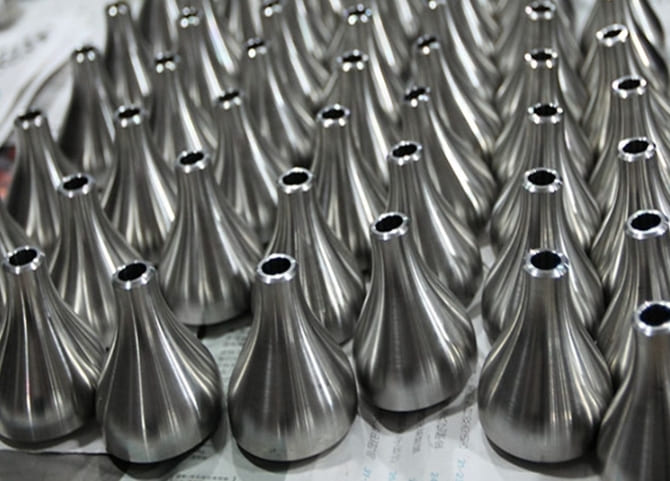
Raw Forged Material
In many machining projects, people often source Inconel 718 by round bar, flat bar, or plate, and forged billet.
- Uncertified bar stock costs about $30-$40 per kg, and although it is cheaper in comparison with other materials, there’s no complete mechanical property documentation.
- Certified stock (AMS/ASTM) costs about $45-$60 per kg. It costs more because there’s mechanical consistency and traceability.
- CNC blanks cost about $55-$80 per kg. They might be the most expensive, but since they are already cut and shaped, it reduces the time needed for machining.
Material Wastage
This is another factor that affects Inconel 718 price for CNC Machining. CNC machining usually produces 50-70% waste, depending on the shape of the part. This waste costs about $50-$60 per kilogram, which greatly increases the overall production cost. For a better understanding, read our guide on CNC Machining in 2025.
Inconel 718 vs. Other Superalloys: Price and Performance
| ALLOY | MAX TEMPERATURE (CELSIUS) |
TENSILE STRENGTH AT ROOM TEMPERATURE (MPa) |
AVERAGE PRICE |
PROS |
|---|---|---|---|---|
| Inconel 718 | 704°C | 1375 | $40-$80 | Strong and resistant to extreme temperatures and corrosive environments. |
| Hastelloy X | 1204°C | 655 | $60-$100 | Good corrosion and oxidation resistance. |
| Titanium Ti‑6Al‑4V | 350°C | 1170 | $60-$100 | Versatile, high strength and low density. |
| Stainless Steel 316L | 870°C | 585 | $7–$12 | Low carbon content and superior in welding. |
For a more detailed analysis, read our guide on everything you need to know about Inconel Machining.
Conclusion
Inconel 718 is the most popular nickel-based superalloy, extensively used in aerospace, automotive, and energy industries. However, getting it at the right price has proven to be a challenge for many buyers. It is not enough to be up to date on today’s rates; you equally have to understand regional pricing, differences in cost based on form, and effective purchasing strategies that will reduce cost. At Ancastings, it does not matter if you are in need of sheet metal fabrication or a CNC-machined component, we are dedicated to providing you with the highest quality customized parts and the best service experience. You can count on us to deliver competitive prices and world-class quality. Contact us today, and let’s help you bring your project to life!
FAQS
Is Inconel 718 Price Going to Increase?
Yes. Inconel 718 prices are volatile and likely to increase in 2025 and beyond due to factors like geopolitical instability, inflation, demand in aerospace and energy, and high demand in nickel. It is advisable to be proactive and consider a contract purchasing option with your supplier.
Can I Use Other Superalloys in Order to Save Money?
Yes, but it depends on your intended use. If it is for industrial use, you might consider other superalloys that are cheaper and with lower nickel or nickel free. However, if it is for aerospace, not using Inconel 718 could lead to a catastrophic failure or regulatory noncompliance. Always speak with a machining expert before choosing alternatives.
How can I verify Inconel 718 quality?
You can verify by:
- Checking for MTC (Mill Test Certificate) or MTR (Material Test Report). Ask for any of these before purchase.
- Using a third party to conduct material testing.
- Buying from certified suppliers and machining experts.