
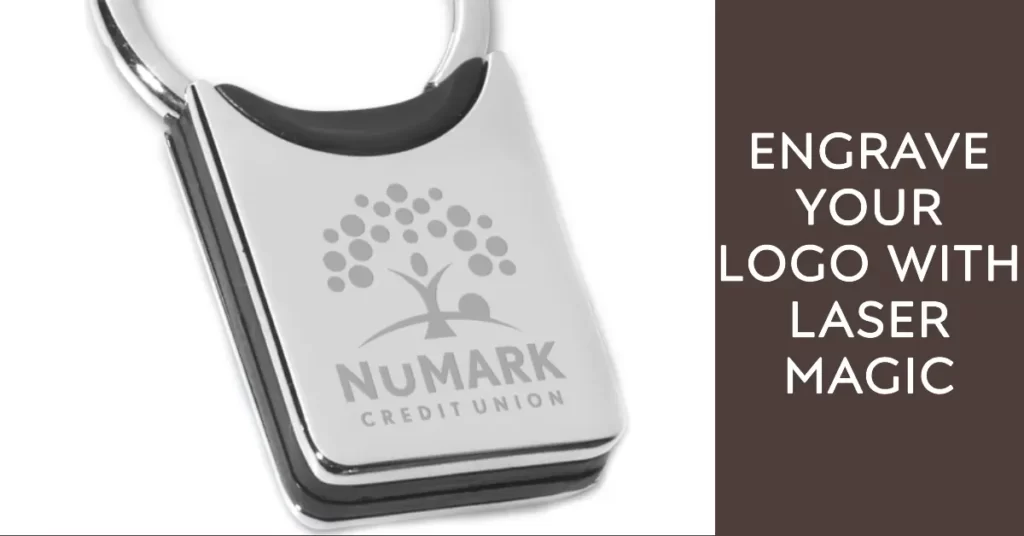
In the modern age, branding extends beyond colors, fonts, or catchy taglines. Tactilely interaction between audiences and brand become significant. Based on such need, laser engraving logos have emerged as a frontrunner. Through this article, we will uncover how lasers meet logos, also exploring the different methods to create logos.
Laser Engraving and Its Significance
Laser engraving employs lasers to engrave or mark an object. The process begins with a laser beam, which is used to vaporize material from the surface, creating precise marks without making any physical contact. Contrary to popular belief, this isn’t just burning away material; it’s a controlled process, ensuring depths less than 0.020 inches in most metals but can be as deep as 0.125 inches in materials like graphite.
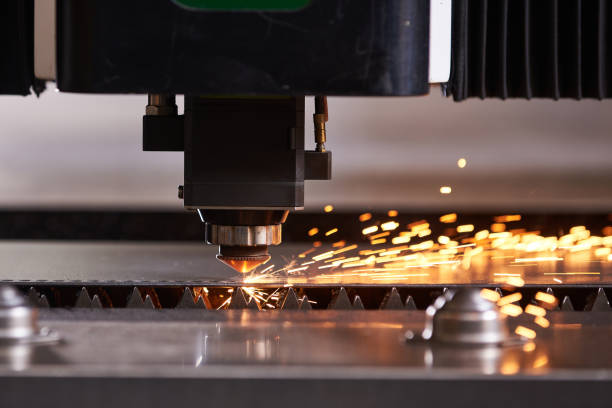
CNC Laser cutting of metal, modern industrial technology. Small depth of field.
Laser engraving process
Key points to consider about laser engraving:
- Precision: Lasers can reproduce intricate designs, from the most delicate of flourishes to complex geometric patterns.
- No Physical Contact: The laser doesn’t wear out or break as it never touches the surface directly.
- Versatility: Suitable for a variety of materials including metals, plastics, ceramics, and even leather.
- Durability: Engravings are permanent, resistant to water, and won’t fade over time.
Table: Common Laser Engraving Parameters
| Material | Engraving Depth (in inches) | Typical Uses |
|---|---|---|
| Metal | 0.020 | Jewelry, Tools |
| Graphite | 0.125 | Sports gear |
| Leather | 0.080 | Fashion |
| Plastics | 0.030 | Gadgets, Toys |
Logos and Characters Engraving
When a logo, which is the very essence of a brand, gets laser-engraved onto a product, it becomes a statement. It’s no longer just about recognition but a declaration of quality and permanence. Engraved logos convey a sense of pride and assurance that the brand stands the test of time, quite literally.
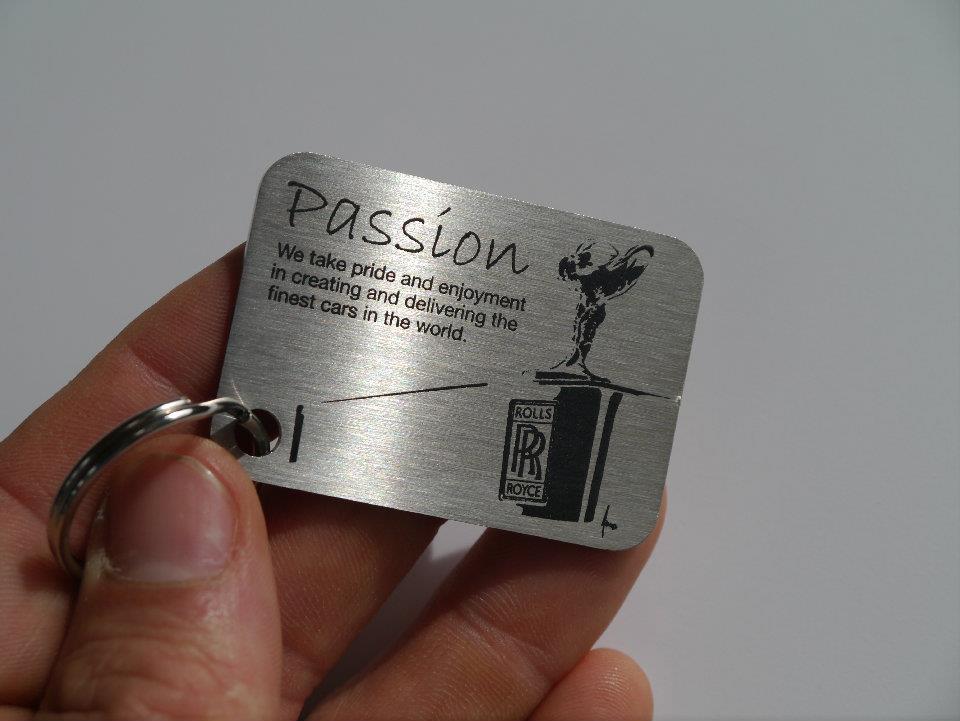
Laser engraved letters
However, logos aren’t the only designs finding their way onto surfaces. Characters, whether they’re part of brand slogans, personal messages, or aesthetic designs, lend
Methods of Manifesting Logos
logos serve as silent ambassadors, echoing the essence of a brand. Just as crucial is the method chosen to manifest these logos onto products. From traditional techniques to cutting-edge technologies, various methods offer unique attributes. let’s take a look at of some the most common methods: silkscreen/pad printing, laser engraving, and other notable techniques.
1. Silkscreen
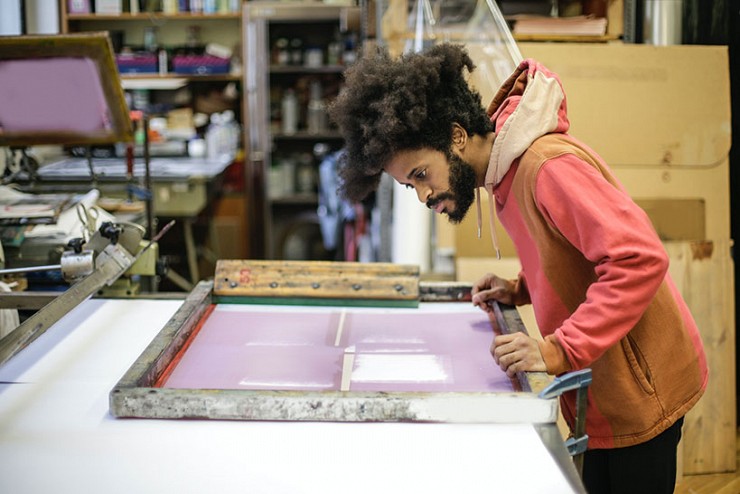
Silkscreen printing, also known as screen printing, is one of the oldest and most popular techniques to transfer logos onto surfaces. Born from the world of art, it’s now a staple in commercial design.
A mesh is used to transfer ink onto a substrate, except in areas blocked by a stencil. Layers of colors are applied one by one, giving depth and vibrancy to the design. It is best for apparel, posters, and other large surface areas.
Advantages: High-quality vibrant prints, economical for large batches, and versatile across multiple surfaces.
2. Pad Printing
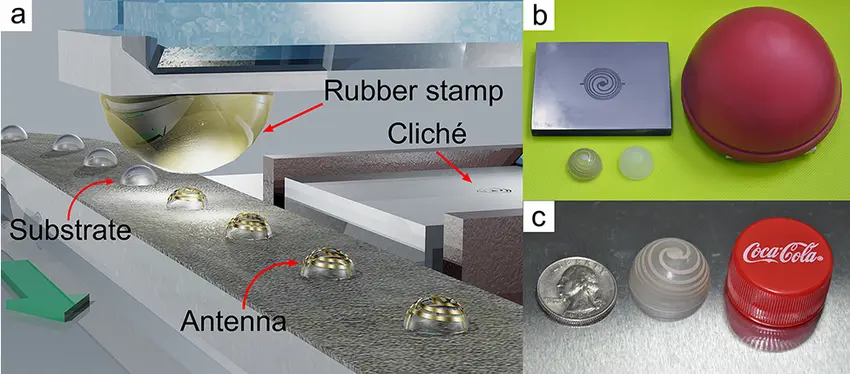
Conversely, pad printing utilizes a silicone pad to transfer the logo from a plate to the product. Its ability to print on uneven surfaces is its claim to fame.
The image is etched onto a plate. A silicone pad picks the ink from this plate and transfers it onto the product. It is irregular surfaces like golf balls, toys, and electronics.
Advantages: Precision on complex surfaces, quick setup times, and ability to mix custom colors
3. Laser Engraving: A Modern Touch
Revolutionizing the world of logo manifestation, laser engraving provides a level of precision and permanence unmatched by most.
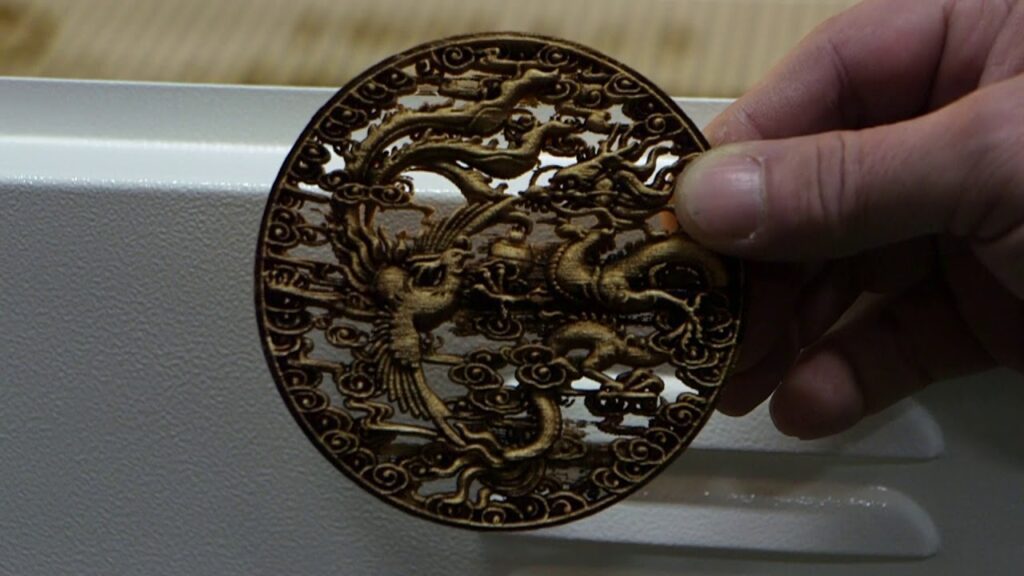
Complex 3D engraving
A focused laser beam vaporizes material from the surface, etching the design. The depth and shading can be controlled by adjusting the laser’s intensity. It is ideal for metals, leather, glass, and wood.
Advantages: Extremely durable imprints, high-resolution details, no ink or chemicals, making it eco-friendly, and adaptable to intricate designs.
Table: Comparison of Printing Methods
| Methods | Best For | Durability | Resolution |
|---|---|---|---|
| Silkscreen | Apparel, posters | Moderate | High |
| Pad Printing | Irregular surfaces | Moderate | Medium |
| Laser Engraving | Metals, leather, glass, wood | High | Very High |
4. Other Prevailing Methods
The vast world of logo manifestation isn’t just limited to the aforementioned techniques. Several other methods have their own space in the branding universe:
- Embroidery: Using thread to craft logos, primarily on apparel. Offers a tactile and premium feel.
- Digital Printing: Direct printing using digital methods, suitable for intricate designs and short print runs.
- Heat Transfer: Using heat to transfer a design onto a product. Ideal for t-shirts and mugs.
- Debossing/Embossing: Creating indented or raised reliefs of logos, mainly seen in leather goods and stationery.
Crafting a Logo: The Step-by-Step Laser Engraving Process
Example of laser engraved logo
Branding plays a crucial role in businesses, and logos are its beating heart. But how do these logos come to life, especially through the lens of laser engraving? Let’s embark on the meticulous journey of creating a laser-engraved logo, step by step.
Table: Logo-engraving process
| Step | Description | Key Points | Details |
|---|---|---|---|
| Conceptualization and Design | Before the laser touches a material, groundwork is needed. | Brainstorming, Drafting, Finalization | Drawing inspiration, evolving sketches into digital designs, refining based on engraving surface and aesthetics. |
| Material Selection | The canvas is vital. Selection hinges on product purpose, appearance, and durability. | Common Choices, Thickness, Compatibility | Range from metals to acrylics and leather. Impact on engraving depth and clarity. Ensuring materials are laser-friendly. |
| Calibration and Machine Setup | Precision is essential. This phase aligns the machinery with the task. | Laser Power, Speed Settings, Focus | Determined by material type and thickness. Control over engraving depth. Ensuring laser precision for clarity. |
| The Engraving Process | The magic unfolds. | Positioning, Test Runs, Laser Movement, Cooling | Secure material on the machine, ensure perfection, controlled etching of the logo, pausing for cooling. |
| Post-Engraving Procedures | The process continues post-laser. | Cleaning, Quality Checks, Finishing Touches | Removing residues, inspecting for depth and clarity, and possibly painting or sealing. |
| Packaging and Dispatch | The final touch for a well-done job. | Protective Packaging, Documentation, Shipping | Ensuring engraved logos’ safety, providing care instructions, and delivering using trusted logistics. |
Dual-Tone Effects: A Play of Contrasts
Venturing beyond single colors or shades, the dual-tone effect combines two distinct hues or materials to craft a visually appealing logo or design. This method particularly stands out when paired with laser engraving.
1. Two-Toned Laser Engraving for Dynamic Effects
A material or surface is pre-coated with a contrasting color before undergoing laser engraving. The laser meticulously removes the top layer, unveiling the base color or material underneath. The two-toned method offers a distinctive dual-color effect, eliminating the need for additional color fills. It’s especially advantageous when you’re looking to emphasize specific elements of a logo or introduce depth. Common Combinations: Some popular pairings include black and silver metal tags, layers of white and blue plastic, and the classic contrast of gold and black in acrylics.
2. Adding Texture with 3D Engraving
Traditional laser engraving is well-reputed for depth and precision, but 3D engraving elevates this. By introducing textures and three-dimensional reliefs, this method offers an enhanced tactile experience. The secret lies in manipulating laser power levels and focal points. Adjusting these variables allows for engraving at varied depths, giving life to a textured, 3D appearance. Applications: Such detailed craftsmanship is popularly opted for unique signages, awards, and bespoke jewelry where the tangible texture adds significantly to the charm.
3. Inlay Techniques: Inserting Elegance
The elegance of inlay techniques is undeniable. It’s the art of embedding materials, be it wood, metals, or gemstones, into depressions. When married with laser engraving, the result is an intricate design filled with contrasting materials that catch the eye. Firstly, a design undergoes deep laser engraving, ensuring enough space for the inlay. Following this, the chosen inlay material is precisely cut, ensuring it snugly fits the engraved space before being securely glued. Benefits: Not only does this method magnify aesthetic appeal, but it also injects luxury. This makes it the go-to choice for premium branding items, opulent jewelry, or upscale promotional materials.
4. UV Printing atop Engraving
For those with an affinity for vibrancy, combining UV printing with laser-engraved surfaces presents a compelling option. With UV-cured inks known for their durability and adherence capabilities, the outcome is impressive. Advantage: The real win here is the possibility of full-color printing. This means gradients, intricate color patterns, and detailed designs seamlessly imprinted on engraved surfaces, resulting in a visually stunning product.
Let’s Start A New Project Today
Ancastings’ Laser Engraving Service
Ancastings stands as a high-quality and innovative laser engraving service provider. Offering precision like no other.
- Precision Perfected: Ancastings ensures each engraving is flawlessly executed, highlighting even the minutest details of your logo.
- Diverse Materials: From metals to acrylics, our equipment can handle a variety of substrates.
- Quick Turnaround: We understand the value of time and ensure speedy deliveries without compromising on quality.
- Custom Solutions: Every brand is unique, and so are our engraving solutions, tailored to fit individual brand requirements.
- Trusted by Brands: Renowned names trust our services for their engraving needs, underscoring our unmatched reputation in the industry.
Conclusion
In a time marked by intense competition and a focus on branding, differentiation is not just optional; it’s crucial. The approach taken to feature a brand, particularly through its logo presentation, can notably influence how it resonates with consumers. Laser engraving, noted for its precision and durability, provides a high-end touch that is challenging for other techniques to match. When combined with additional methods like inlays or UV printing, laser-engraved logos don’t just aid in brand identification but also convey a sense of luxury and meticulousness.
FAQs
How long does a laser-engraved logo last?
Laser-engraved logos are permanent and resist fading, ensuring a lasting brand presence.
Can any logo be laser-engraved?
Most logos can be engraved; however, high-resolution designs ensure the best results.
What materials can be used for laser engraving logos?
Common materials include wood, metals, glass, leather, and some plastics.
How does laser engraving differ from traditional printing?
Unlike printing, laser engraving etches the design into the material, offering durability and a tactile experience.
Is laser engraving environmentally friendly?
Yes, since it doesn’t use inks or chemicals, it’s an eco-conscious choice.
How does Ancastings’ Laser Engraving Services enhance logo designs?
Ancastings offers precision, advanced machinery, and expertise, ensuring logos are engraved with utmost perfection.