
Today’s healthcare depends highly on medical implants. These implants assist many people to enhance their body functions, regain mobility and to increase their quality of life.
In this comprehensive guide you will find thorough information about the manufacture of medical implants. It also covers materials, production stages and other notable considerations in the manufacturing procedure.
What Are Medical Implants?
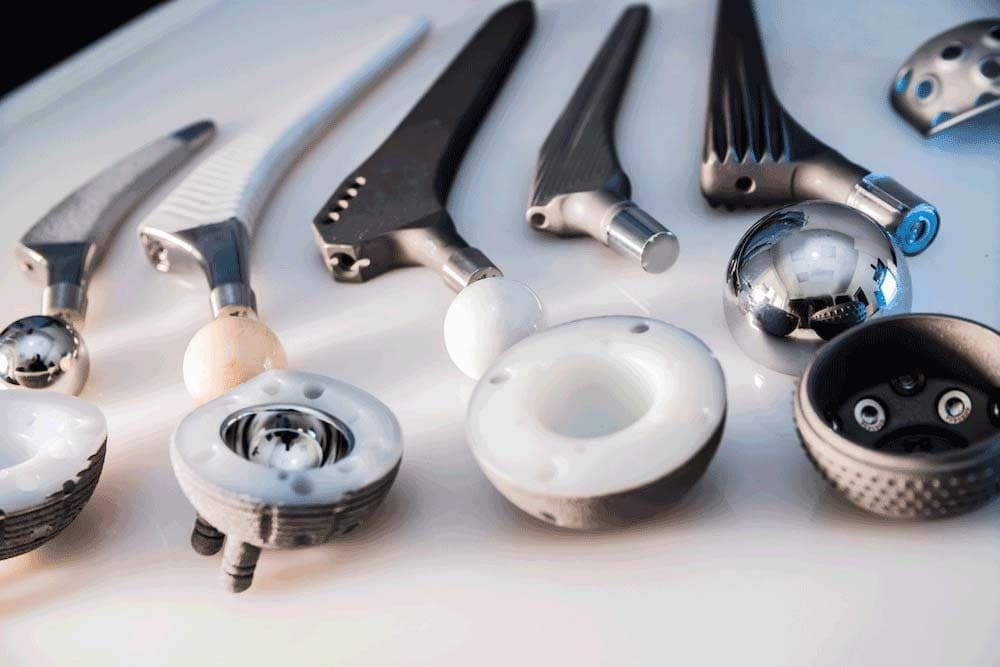
In simple terms, medical implants are devices that medical teams install inside or on surface of a patient’s body. Their primary purpose is to help, replace or increase natural bodily functions. Some implants remain in the body permanently whereas others are for short term use; this depends on what the patient needs.
Types of Medical Implants
Many types of implants are utilized in healthcare. The most commonly used types are:
Cardiovascular Implants
These implants help the heart. Pacemakers, stents and artificial heart valves are typical examples. They keep arteries open and assist control blood flow.
Orthopedic Implants
Surgeons use them to repair bones, joints or spinal cord trauma. Implants include screws, plates, rods and artificial joints. These devices aid in restoring a patient’s ability to move.
Breast Implants
They are filled with saline or silicone. Doctors use them for cosmetic reasons or breast reconstruction following illness or surgery.
Dental Implants
Dentists implant titanium posts into the jawbone to replace missing tooth roots. These posts keep dental bridges or crowns in place.
Neurological Implants
These involve devices like brain stimulators & cochlear implants. They help people regulate their brain activity, hear better or treat chronic medical conditions.
Most Common Medical Implant Manufacturing Processes
Picking the right manufacturing procedure is very important. The method you pick affects safety, cost as well as overall performance of implant.
Traditional Manufacturing Approaches
CNC Machining
anufacturers use CNC machining to produce accurate and detailed components for medical implants from polymers & metals. This procedure gives smooth surfaces, a high degree of precision and uniform results.
It is particularly suitable for dental, orthopedic and cardiovascular parts that must fulfill stern accuracy standards. Ancastings is expert in machining of stainless steel, titanium as well as medical grade polymers.
Forging and Casting
This process changes metal into dependable, strong implant components. Forging amplifies a metal’s strength by compressing it which makes it best for load‐bearing implants like joint replacements. Casting, on the other hand, lessens material waste and creates components with intricate shapes.
Both of these approaches are great for large‐scale manufacturing and they fulfill the strength demands of structural & orthopedic implants.
Modern Manufacturing Processes
Additive Manufacturing (3D Printing)
Additive manufacturing produces implants by forming layers of polymer or metal powder. It helps in production of intricate structures and personalized designs for individual patients. Additive manufacturing is particularly handy for making porous implants that facilitate bone growth into them.
Injection Molding
This method is perfect for large‐scale manufacturing of plastic implant components. It functions by melting medical‐grade polymers and injecting them into molds which results in repeatable & steady components. Engineers usually utilize injection molding for dental parts, spinal cages as well as outer housings.
Sterilization
Every medical implant has to be sterilized for patient safety. Typical sterilization techniques are ethylene oxide gas, gamma radiation and steam. The selection of methods depends on the implant’s material, shape and regulatory standards.
Criteria to Select the Best Process
The ideal manufacturing procedure should be based on implant’s design, material and intended use. Implants with personalized or intricate shapes usually require 3D printing. For mass production, forging or injection molding is typically favored. For components with accurate measurement requirements, CNC machining is the best pick.
Common Materials Used in Medical Implant Manufacturing
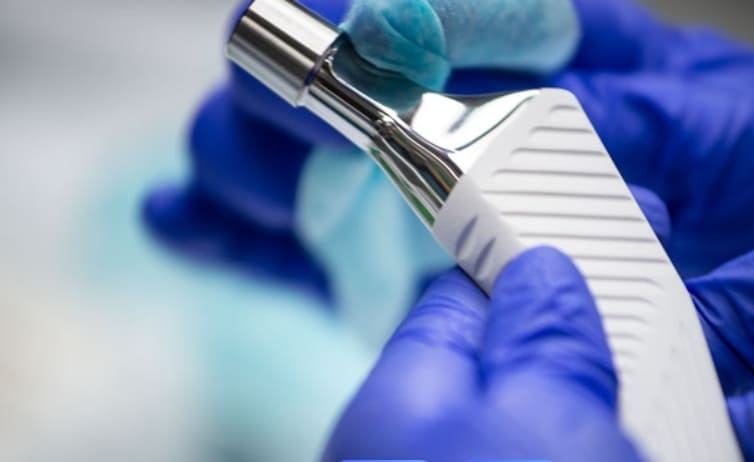
Picking right material is very important in manufacturing medical implants. Aspects such as biocompatibility, strength and corrosion resistance must be evaluated. The purpose of the implant decides which material is best‐suited.
| Material | Advantages | Disadvantages | Uses | Reason for Use | Expense |
|---|---|---|---|---|---|
| Cobalt‐Chromium Alloys | Corrosion‐resistant; high wear resistance; good structural properties | Potential for metal ion release; less ductile | Mainly used in dental prosthetics & joint replacements | apt for articulating surfaces in joint implants | Normal to high |
| Titanium & Alloys (e.g., Ti‐6Al‐4V) | High strength‐to‐weight ratio; great biocompatibility; corrosion‐resistant | Costly; challenging to machine because of hardness | Broadly used in dental & orthopedic implants; Highly feasible | Favored for load‐bearing implants because of biocompatibility & strength | High |
| Tantalum | Corrosion‐resistant; great biocompatibility; radiopaque | Limited availability; Very costly | Used in dental & orthopedic implants | Perfect for porous implants encouraging bone in‐growth | Very high |
| Stainless Steel (316L) | Good mechanical strength; budget‐friendly | Not perfect for long‐term implantation; lower corrosion resistance | Used for surgical instruments & temporary implants | Low | |
| Alumina (Ceramic) | Wear‐resistant; biocompatible; chemically inert | Hard to machine; brittle | Used in dental implants & hip prostheses | good for articulating surfaces because of low wear rates | Normal |
| Zirconia (Ceramic) | Wear‐resistant; very hard; aesthetic (tooth‐colored) | Danger of fracture under stress; brittle | Used in some orthopedic & dental implants | Favored in dental uses for biocompatibility & aesthetics | Normal |
| UHMWPE (Ultra-High-Molecular-Weight Polyethylene) | Biocompatible; superior wear resistance | lower Structural integrity; susceptible to oxidative degradation | Utilized in joint replacement liners | Mainly used as bearing surface in joint prostheses | Low to normal |
| PEEK (Polyether Ether Ketone) | Good structural properties; radiolucent; biocompatible | Costly; lower strength than metals | Used in orthopedic implants & spinal cages | Alternative to metals in load‐sharing uses | High |
| Gold and Platinum | Corrosion‐resistant; biocompatible; radiopaque | Soft metals; very costly | Used in dental applications & pacemakers | Used where biocompatibility & electrical conductivity are necessary | Very high |
| Magnesium Alloys | Increase bone growth; biodegradable | Hydrogen gas release; quick corrosion | Investigated for biodegradable implants | Capable for temporary implants that dissolve after healing | Normal |
| Silicone (Polymer) | Biocompatible; flexible; inert | Danger of leakage; can degrade over time | Used in facial prosthetics & breast implants | Favoured for soft tissue implants because of flexibility | Low to Normal |
| Niobium | Corrosion‐resistant; great biocompatibility | Costly; limited structural integrity | Used in dental implants & pacemaker leads | Good for uses that need great corrosion resistance | High |
| Bioactive Glass | Resorbable; stimulates bone growth | Limited structural integrity; brittle | Used in coatings and bone grafts | Good for bone regeneration uses | Normal |
| Hydroxyapatite (Ceramic) | Biocompatible; increases bone in‐growth | Not good for load‐bearing alone; brittle | Utilized as coating on implants | Usually used as a coating to increase osseointegration | Normal |
| Polylactic Acid (PLA) and Polyglycolic Acid (PGA) | Eliminates need for removal surgery; biodegradable | Degradation can cause inflammation; lower structural integrity | Used in fixation devices & absorbable sutures | Perfect for temporary fixation devices that degrade over time | Low to Normal |
Important Factors in Implant Manufacturing
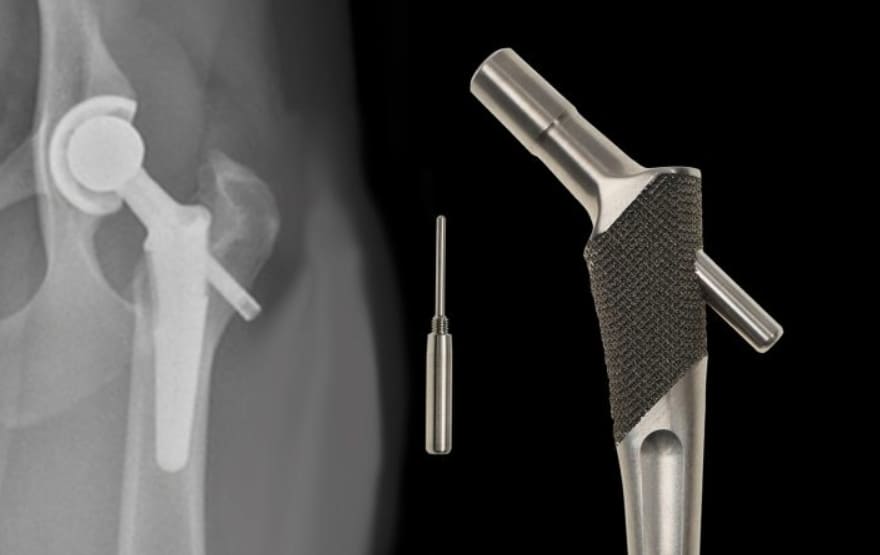
Implant manufacturing is not limited to just giving it the right shape. Neglecting proper testing increases the danger of device failing. Engineers use stern quality control techniques to protect patients.
Regulatory Standards
Medical implants have to meet very strict safety requirements.
- ISO 13485 establishes standards for quality management during manufacturing.
- ISO 10993 examines those materials that do not cause any negative impact and are safe for the body.
- ISO 14644 defines cleanroom protocols to handle contamination.
Adhering to these standards keeps patients safe, decreases possibility of failure and engineers can avoid costly compliance problems.
High Accuracy
Implants have to meet stringent needs for finish & size. Even small errors can affect the efficiency of the implant. Ancastings uses modern inspection tools and CNC machines to meet high standards.
Biocompatibility and Sterilization
Each & every used material should not cause negative biological reactions and must be safe for the body. Besides being biocompatible, the material must endure sterilization processes like ethylene oxide, gamma radiation or steam. Their properties must be maintained even after sterilization so that the implant stays safe & effective.
Documentation and Traceability
Thorough documentation is vital for each & every manufacturing stage. This involves machining details, material certificates and inspection records. These documents are essential for both fulfillment of regulatory requirements and quality assurance.
Clean Room Standards
ISO Class 7 & 8 cleanrooms help avoid contamination. These regulated zones shield implants during production & packaging stages which guarantees that they will remain safe and germ‐free for utilization.
Testing and Quality Check for Manufactured Medical Implants
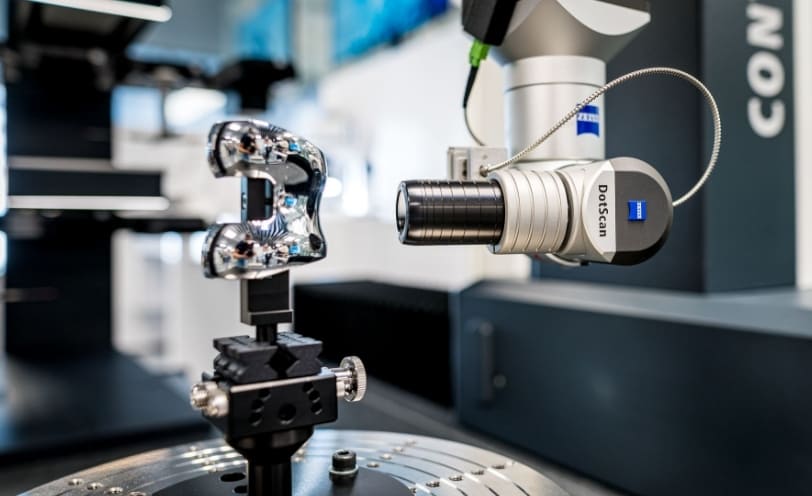
It is insufficient to depend solely on looks to affirm the suitability of an implant. The implant must go through meticulous testing to make sure that it meets biological, mechanical and safety merits.
Mechanical Testing
Start with mechanical simulation with software like Abaqus, ANSYS or COMSOL Multiphysics. These software aid manufacturers figure out how the implant will manage fatigue, stress and wear before it is manufactured.
After production, mechanical testing is conducted to test the wear resistance and its real strength. This stage is essential for implants that support heavy loads like hip joints or spinal cages.
Biological Testing
Biological tests analyze negative effects which include irritation, cytotoxicity or allergic reactions. All procedures comply with ISO 10993 to test for the biocompatibility of implant.
Non‐Destructive Testing (NDT)
Perform Non‐Destructive Testing (NTD) to test manufactured implants without damaging them. Different approaches like X‐ray, ultrasound and dye penetrant inspection aid find concealed defects such as voids or cracks within the implant.
Validation and Verification
In the last phase, validation and verification check that each & every implant comply with regulatory and quality standards. Ancastings keeps comprehensive documentation and complete process regulation to fulfill audit and compliance requirements.
Future Advancements in Medical Implant Manufacturing
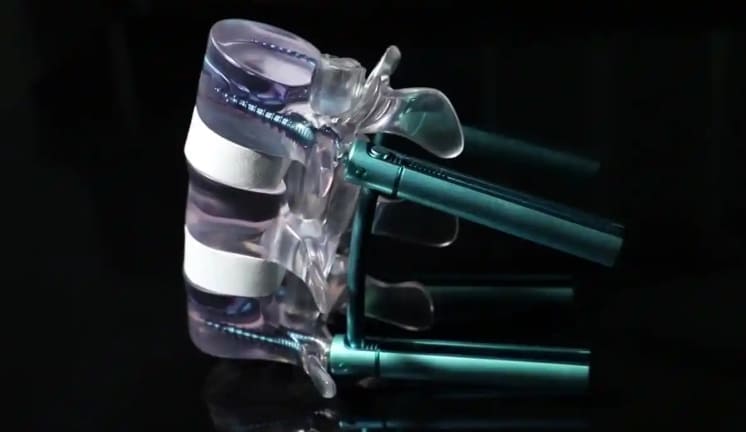
Advances in medical implant technology are ongoing. Being ahead in this sector means being aware of new advancements in smart, patient‐specific as well as eco‐friendly implants.
Smart Implants
A key advancement is the development of smart implants. It involves sensors that can measure performance, supervise healing or send live data straight to healthcare specialists.
Customized Implants
Implant design is moving toward customized solutions. Through 3D scanning & modeling, engineers create patient‐specific implants tailored to each person’s distinctive anatomy.
Advanced Materials Science
Advances in materials science are also opening newer possibilities. The development of advanced biomaterials – like hybrid ceramics & bioresorbable metals – result in lesser side effects and better results.
Sustainable Production
There is a growing focus on sustainability. Industries are embracing energy‐saving production processes and sustainable materials to minimize waste.
Contact Ancastings for Custom Medical Implant Manufacturing
Ancastings supports medical equipment industries with their remarkable experience in materials, accurate machining as well as process validation. We manage each & everything from prototypes to mass production which guarantees that all components meet international standards. Contact our experts to talk about your personalized medical implant specifications and also learn how we facilitate the supply of safe, premium‐quality products to the market.
To Sum Up
Production of medical implants needs strict following of regulations, accuracy and in‐depth knowledge of materials. From design stages to testing each & every step plays a key role. Complying with stringent guidelines will give you well‐performing implants. Work with skilled suppliers like Ancastings to get premium‐quality and dependable implants.
Contact us today to discuss your project and meet the highest medical production requirements.
How to authenticate a medical implant design before starting production?
Begin with digital simulations with software tools such as Abaqus, ANSYS or COMSOL Multiphysics. This software permits you to evaluate mechanical behavior. After that perform structural tests to examine wear resistance, integrity and biocompatibility as directed by ISO 10993 guidelines.
Do medical implants come with high price?
Yes medical implants usually come with a high price tag. Aspects like design intricacy, material options and level of production standards affect the price. High‐quality materials such as cobalt‐chrome, titanium and bioresorbable metals are more expensive yet provide better protection and long‐term efficiency.
Can we apply coatings on medical implants?
Yes, we can do coatings on these implants to enhance their functionality. Useful options are hydroxyapatite, bioceramics, extracellular matrix proteins, and biological peptides or growth factors. They either decrease surface wear or aid bond the implant to bone.
Which suppliers provide medical implant production services?
Suppliers like Ancastings have notable experience in processing materials, machining as well as validation of medical implants. Select suppliers that have a proven track record of making accurate medical components and have ISO 13485 certification as well.