
Copper is a very important material in several industries because it lasts for a long time and has very good electrical conductivity. Being aware of its melting point is essential for many industrial operations such as in manufacturing & electronics sectors.
This blog post gives information about melting point of copper, factors that affect it as well as techniques for melting copper and its applications.
What Is the Melting Point of Copper?
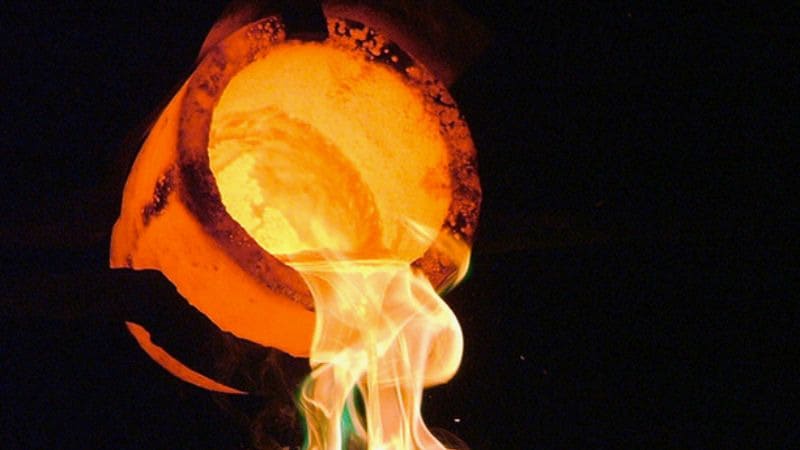
Copper melts at about 1,984°F (1,085°C) and changes from a solid to liquid state. This temperature is known as its melting point. Since copper melts at a very high temperature, it is ideal for applications where strength and heat resistance are required. Industries such as aerospace, electronics, automotive as well as manufacturing use this feature.
Also see: What Is Copper? Everything You Need To Know
Why Copper’s Melting Point Matters
The melting point of copper has a profound effect on its use in industry. The reasons for this are as follows:
Material Properties
The melting point of copper has a great effect on its electrical conductivity, material strength as well as manufacturing ease.
Industrial Applications
Several industries – i.e., aerospace, electronics & automotive – utilize copper because it can withstand extreme temperatures. Manufacturers must know the melting point to make products that can function in harsh environments.
Safety and Efficiency
Manufacturers must melt copper at the correct temperature for process efficiency & worker safety. If the temperature is too low or too high, then machine damage or product imperfections can occur; due to this precise temperature control is critical.
Factors Affecting Copper’s Melting Point

A number of factors affect copper’s melting point. You can get your desired results by taking these factors into account during manufacturing:
Alloying Agents
Copper is combined with alloying agents such as tin, zinc or nickel to produce copper alloys. These alloys melt at varying temperatures as compared to pure copper. Both bronze (copper‐tin) & brass (copper‐zinc) have low melting points. This property allows them to be melted and shaped more easily in industrial operations.
Also see: 2024 Comparison Guide: Bronze vs. Brass vs. Copper
Purity
Pure copper melts at approximately 1,984°F (1,085°C). This melting point gets lowered in the presence of impurities. Copper must be able to withstand extreme temperatures in certain industries such as electronics and aerospace. Maintaining the correct melting point is critical for best performance in these industries.
Pressure
Processing copper under high pressure increases its melting point. This is very important in high pressure operations such as extrusion & forging. In such a situation, controlling the temperature very well becomes even more important.
Particle Size
The size of copper particles affects its melting. In contrast to larger particles, smaller particles generally melt at lower temperatures. This factor is particularly important in casting & extrusion.
Environmental Settings
Temperature & air pressure also have a great role in melting point of copper. Controlled environments or harsh conditions can affect the way copper melts. For example, changes to melting process may be needed to maintain accuracy at high altitudes.
Taking these factors into account is very important for optimal processing and for the production of quality copper products.
Industrial Importance of Copper’s Melting Point
The melting point of copper is very important in multiple industries because it impacts performance and behavior of the material:
HVAC Systems and Heat Exchangers
Because copper transfers heat rapidly, it is broadly used in heat exchangers. The metal’s ability to withstand extreme temperatures is essential for HVAC systems. This feature guarantees dependable temperature control as well as consistent system performance over time.
Electronics and Electrical Industry
Copper’s great corrosion resistance and electrical conductivity make it indispensable for wiring, connectors and circuit boards. Awareness of its melting point helps manufacturers make sure that these parts perform well in high‐temperature environments.
Manufacturing Procedures:
- Extrusion: Melting point is also important in extrusion, where copper is forced through molds to create particular shapes. During this process, keeping the temperature stable results in strong, dependable profiles as well as consistent quality.
- Forging & Casting: Several industrial components are made by shaping copper through forging or casting. Accurate control of melting point reduces quality issues and guarantees that the finished products comply with required standards.
Aerospace parts
Copper parts are used in aerospace systems that withstand very high temperatures. The metal’s melting point permits these parts to work reliably & safely even in harsh environments.
Automotive Parts
Copper is utilized in automotive parts such as electrical systems and radiators. These parts have to tolerate extreme temperatures. The high melting point of copper helps them maintain their function and strength even in heat conditions.
Copper Alloys and Their Melting Points
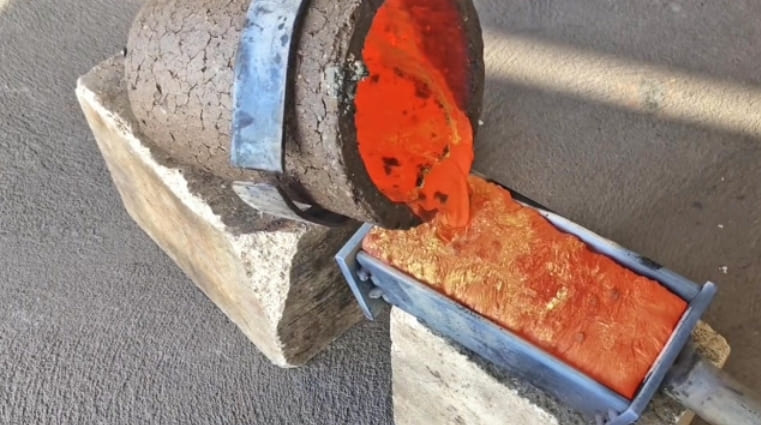
The melting points of copper alloys are not the same as those of pure copper. Here are some of the most common examples:
- Bronze (Copper‐Tin): Bronze usually melts between 1,700°F and 2,000°F (927°C to 1,093°C).
- Brass (Copper‐Zinc): Brass melts at a lower temperature as compared to pure copper. Its melting point is typically 1,650°F (900°C).
- Nickel Copper: Depending on amount of nickel, this alloy usually has a melting point that is close to that of copper, approximately 1,850°F (1,010°C).
- Beryllium Copper: This alloy melts at high temperatures, usually around 1,800°F (982°C). It is appreciated for both its electrical conductivity and strength as well.
Methods of Melting Copper
There are a number of methods commonly employed for melting copper, and each of them is suitable for certain uses:
Induction Furnaces
In induction furnaces, electromagnetic induction heats the copper to melt it. This process gives controlled and effective heating. Induction melting is broadly used in small to medium‐scale manufacturing.
Electric Arc Furnaces (EAFs)
EAFs are mainly used to melt copper on industrial scale. These furnaces create heat from an electric arc. They permit precise temperature control which makes them good for mass production.
Crucible Melting
In this method, copper is melted in a crucible using electric & gas heat. It is ideal for casting detailed or small components. Crucible melting provides flexibility for custom designs & applications.
The selection of melting method is determined by the temperature accuracy required, the scale of production and the complexity of the components needed.
Uses of Molten Copper
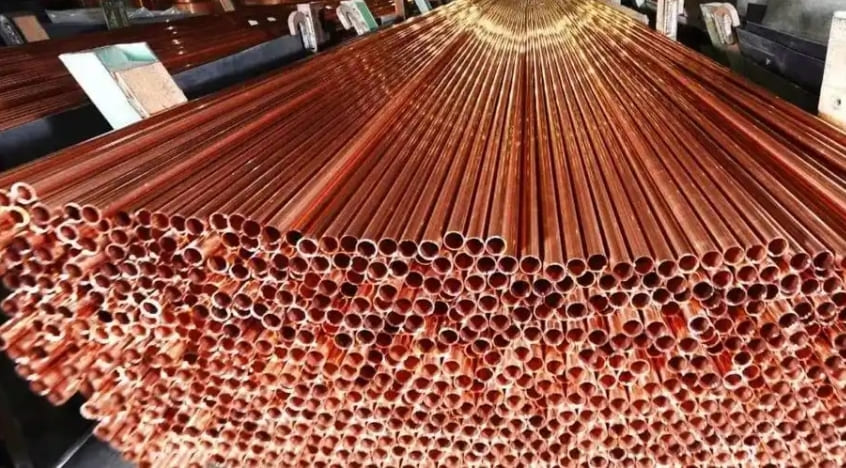
After copper is melted, it is used for numerous purposes in various industries:
- Welding: Workers usually use molten copper for welding in HVAC and plumbing work. Its long‐lasting properties and strong conductivity make it ideal for joining copper parts in difficult conditions.
- Casting: Engineers pour molten copper into molds to make pipe fittings, electrical parts as well as decorative items.
- Thermite Reactions: In thermite reactions, molten copper is very important as these reactions are used for cutting or welding metals. In these reactions, copper reacts with other metals to produce extreme temperatures.
These uses show how molten copper helps in a broad range of construction, manufacturing as well as industrial activities.
To Sum Up
Being aware of the melting point of copper is necessary for its better use in multiple sectors. It helps increase performance, maintain safety and obtain best quality results in industries such as electronics, aerospace & manufacturing. When you are welding, casting or making alloys then managing melting point of copper becomes critical for achieving optimal performance.
Contact us at Ancastings for your copper and alloy needs, and let our expertise help you achieve superior results.
Yes, copper works efficiently at extreme temperatures. Its good thermal conductivity and high melting point lead to its frequent use in electrical components, heat exchangers & aerospace parts.
Yes you can melt copper at home with the help of torch or furnace. But this requires a temperature of about 1,984°F (1,085°C). This temperature is difficult to reach without special equipment.
Copper melts at approximately 1,085°C.
Copper melts at 1,984°F (1,085°C) which is higher as compared to the melting point of silver that is 1,763°F (961°C).
Zinc is added to copper to form brass, which melts at a lower temperature than pure copper. Brass typically melts at 1,650°F (900°C). Thus it is easier to melt & shape for certain uses.