
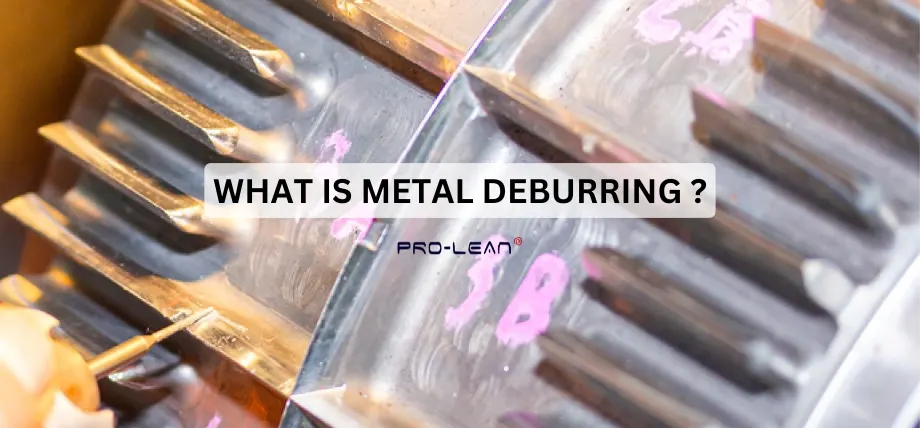
In manufacturing and high-volume production, it is important to achieve a high-quality surface finish on metal parts to ensure functionality. Metal deburring is a crucial process that essentially involves removing any sharp edges or imperfections. These imperfections are called burrs and are a result of machining metal components.
Burrs are unwanted raised and extending edges or any kind of protusions that are unwanted and can cause performance or safety lapses. This article will delve into the deburring process and why it is important in high-quality manufacturing.
What Is The Deburring Process?
Deburring is the process of removing burrs (unwanted tiny protrusions on the edges) from metal parts to achieve a smooth and defect-free surface. Burrs are formed during the machining of metal and plastic components, such as cutting, milling, or drilling.
The deburring process uses various methods and tools to remove these imperfections to ensure the metal part is safe for handling or for any further post-processing, like coatings and electroplating.
Deburring is important because burrs can cause interference fit issues during assemblies and increase wear on any moving and mating parts.
Some of the deburring tools used include abrasive brushes, sandpaper, or advanced deburring machines to grind and smooth out any irregularities to get a finer surface finish to improve functionality.
Why Is Deburring Important?
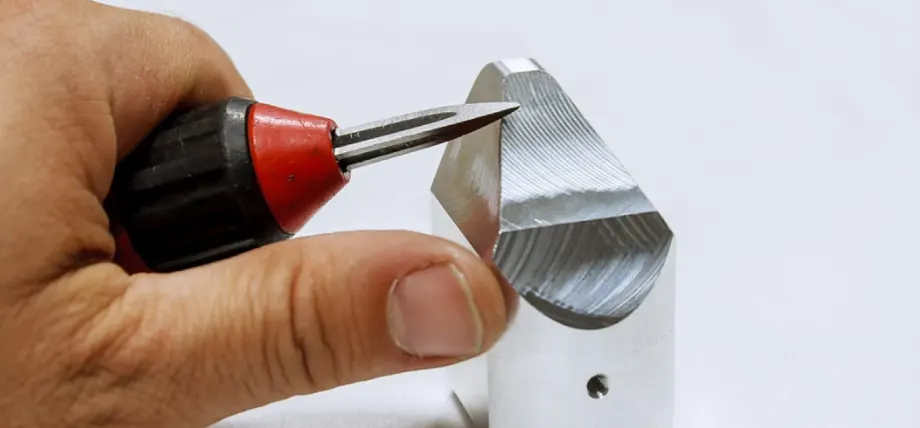
Deburring metal piece
Deburring is essential in metal surface finishing and part manufacturing because it ensures precision and safety to handle for workers. Sharp edges on metal parts can also cause misalignment and failure during quality testing.
In experience, deburring, also improves the durability of metal parts because it removes stress points caused by burrs. This is specially important because it can lead to cracks and material failure under loading. It also improves the sheet metal surface finish after fabrication processes like bending and cuting.
In circuit board manufacturing, deburring ensures that metal components are free of imperfections that can cause issues in electrical conductivity.
What Types of Burrs Can Be Found on Metal Parts?
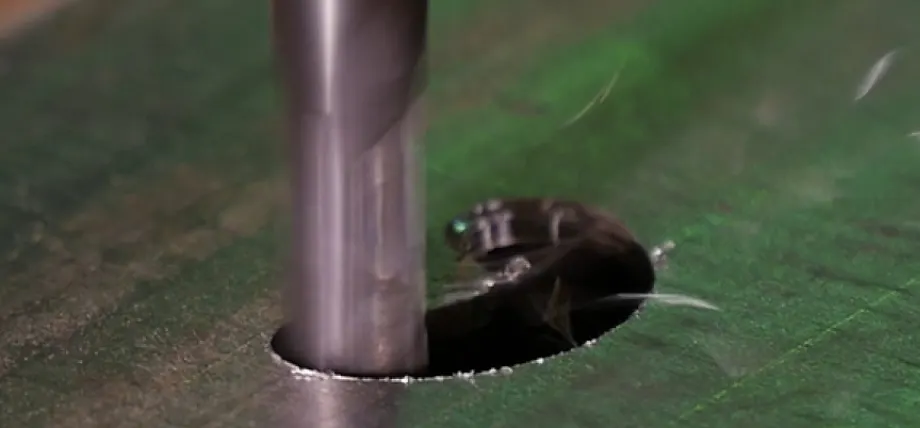
Edge burrs
Burrs vary in size, shape and even how they form depending on the machining process and material properties. You need to understand the different types of burrs for the correct deburring method.
- Rollover Burrs: These are the common types and are formed as a result of material being pushed over the edge of a part during cutting and maching. These burrs are curled or bent ridges.
- Breakout Burrs: These burrs are formed when the materila breaks off unevenly. Often jagged edges have breakout burrs.
- Compression Burrs: When material deforms during machining, due to material properties or machining parameters, it creates burrs. Poisson burrs form under compressive forces.
- Tear Burrs: Tear burrs are not extrememly common but form when material tears during machining leaving behind sharp, irregular protrusions.
Try Ancastings Now!
What Are the Different Deburring Methods Available?
Manual Deburring
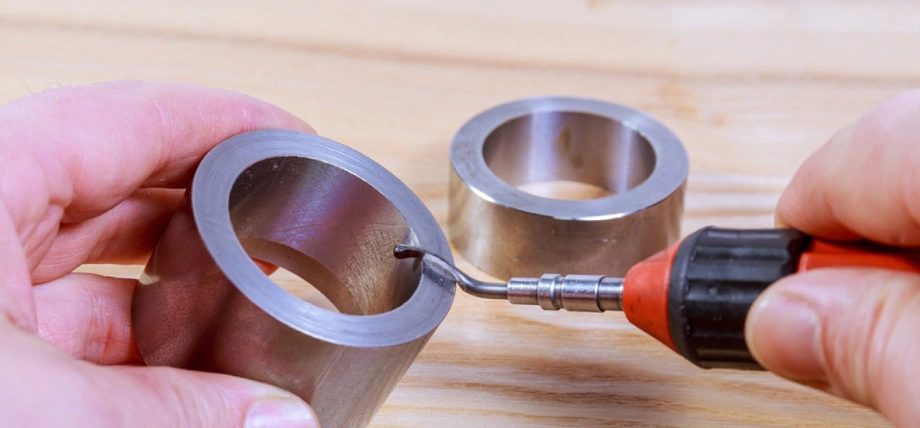
Manual deburring
Manual deburring involves using handheld tools and can be performed by technicians. Simple tools like sandpaper or abrasive pads can manually remove burrs. This is the most cost-effective method for small-volume productions.
Mechanical Deburring
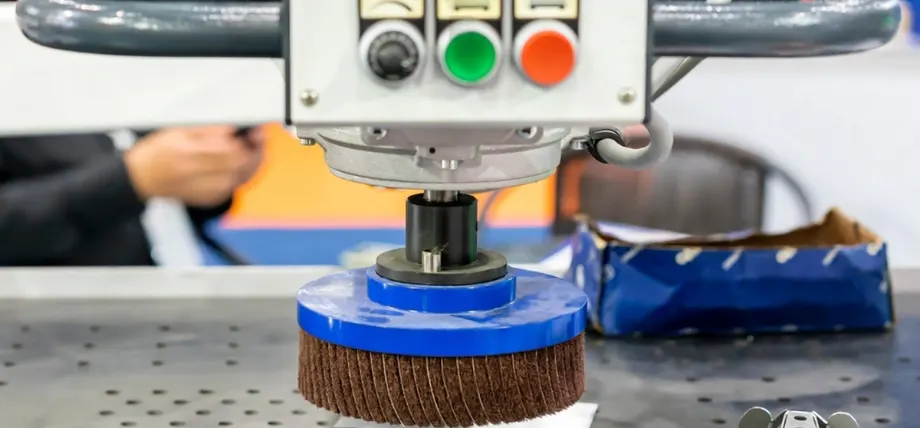
Deburring machine
Mechanical deburring uses deburring machines that have abrasive materials, brushes or grinding wheels to remove burrs. These machines are used when high-volume parts are manufactured.
Electrochemical Deburring
Electrochemical deburring uses an electric current to dissolve burrs in an electrolyte solution. It is useful to deburr complex shapes and for precision parts.
Thermal Deburring
Thermal deburring involves placing the parts in chambers where controlled gas explosions burn away burrs.
Laser Deburring
Laser deburring uses high-intensity lasers to vaporize burrs completely. Aerospace parts use a wide range of deburring methods, including laser deburring, because of the nature of these intricate components.
How to Choose the Right Deburring Tools?
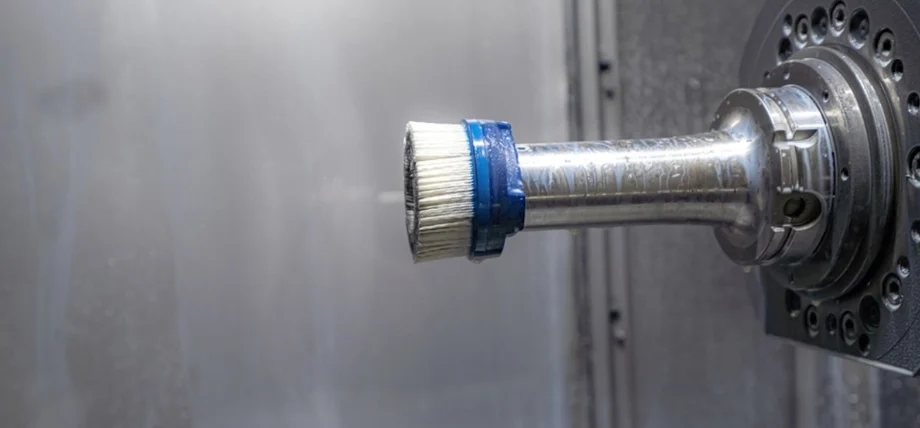
Automatic deburring tool
Choosing the right deburring tool is critical to achieving a high-quality surface finish efficiently. Some of the factors that can help you decide on the deburring tool and the level of automation in the deburring method include:
- Manual Tools: Manual tools include tools like deburring knives, hand scrapers, or abrasive pads. These are suitable for easy-to-reach burrs and burrs that exist on one-off parts. This method requires skilled technicians for consistency in tolerances.
- Air Turbine Tools: Air turbine tools are high-speed tools and are excellent for deburring metals. They offer much higher precision and control over complex configurations. Air turbine tools are usually used in industries like aerospace
- Deburring Machines: Automated deburring machines are equipped with brushes and abrasive belts. Some deburring machines use abrasive flow machining (AFM), waterjet deburring, and vibratory finishing. Deburring machines are ideal for high-volume production for speed.
- Special Cases: For advanced cases, tools like laser deburring systems and electrochemical deburring is used for high precision.
When choosing tools, you need to decide on the cost and efficiency required for the surface finish. For instance, air turbine tools may be a better option for versatile options, while laser deburring is ideal for soft and delicate parts.
Benefits of Deburring
Mainly, deburring is used to make sure the parts assemble and function properly. Aesthetic and part handling safety is another reason manufacturers make sure to deburr parts.
- Safety: Burrs are essentially sharp protruding edges, removing sharp edges prevents injuries to end users making them safe to handle.
- Functionality: A smooth surface ensures a proper fit and functionality during assembly, which reduces wear and adds to performance.
- Better Surface Finish: Deburring creates a smooth and aesthetic surface finish. It is important for the surface of parts that need to be coated or further processed.
- Increased Durability: Deburring increases durability of parts by improving fatigue life because these burrs are stress risers and eliminating them reduces crack initiation extending the lifespan of metal parts.
- Cost Effectiveness: Deburring parts through machines can reduce labor costs while making it a cost-effective solution for large-scale production runs.
Try Ancastings Now!
Surface Finishing at Ancastings
Ancastings-Tech offers a wide range of surface finishing processes, including deburring service, coatings, and plating for machined parts in both low- and high-volume production. Our deburring process removes sharp edges and burrs before parts move to coating, assembly, or final inspection.
You can explore our surface finishing capabilities as part of CNC machining post-processing and request a free quote online.
Conclusion
Metal deburring is an important process in CNC manufacturing. Ensuring metal parts are free of burrs, sharp edges, or imperfections that can compromise functionality.
By using methods from manual deburring to advanced electrochemical processes, you can achieve a smooth surface finish. The choice of deburring tools depends on the part geometry and volume of parts.
FAQ
What is the purpose of deburring?
Deburring removes sharp edges and burrs from metal parts through sanding or rubbing abrasion pads on the surface.
What is the process of deburring?
Deburring process involves removing burrs and unwanted ridges using tools or machines to create a smooth, defect-free surface on metal parts
What are deburring tools used for?
Deburring tools like air turbine tools or automated machines are used to remove burrs and sharp edges off of the surface of machined parts
What is the difference between deburring and polishing?
Deburring removes any protrusions and sharp edges, while polishing aims to enhance the aesthetic appearance and smoothness of a surface. The primary objective of polishing is to not deburr the edges or surface but it is a byproduct.
What is deburring meaning?
Deburr means to remove sharp edges and hang from metal or other material parts to ensure a smooth surface.