
“From industries like medicine to aircraft, the micro CNC milling process has become a widely adopted method for producing tiny gadgets because of its ability to achieve small tolerances.”
The miniaturization trend is observable, which entails the making of products with tiny components from a few milli to microns. This trend is relevant to automotive and biomedical industries, aerospace and electronics industries, and the communication industries. The above requirements have forced the use of precision micro-machining. It is not just about making small parts; it is about obtaining features on parts, whether large or small, to be as wanted. This means using complicated methods and procedures to increase the precision of the results achieved. This article revolves around micro-machining, its comparison with the conventional techniques, different processes involved in micro-machining, tools utilized in the process, and the different uses of micro-machining in different fields.
Micro CNC Machining Defined
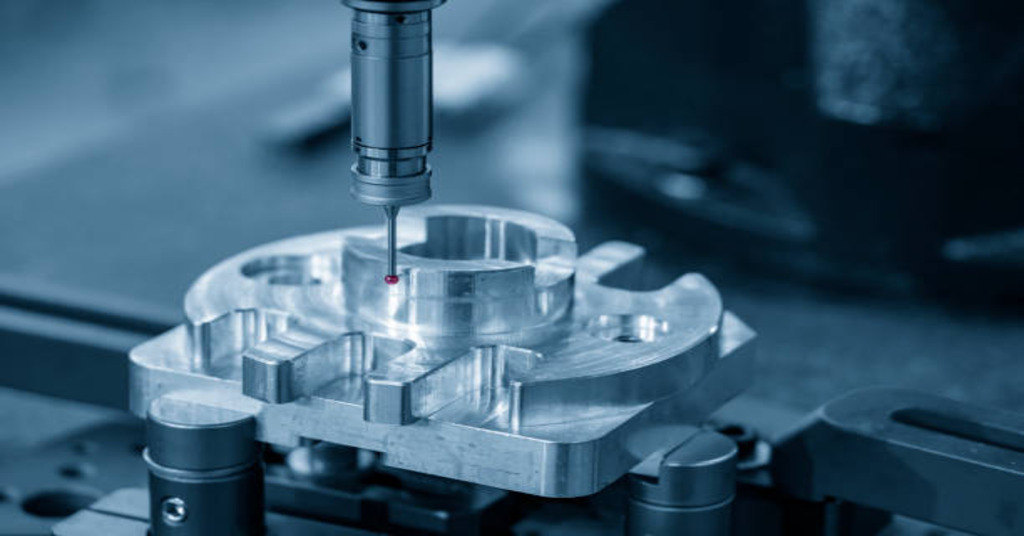
Precision micromachining
Micro CNC machining employs small CNC machines specifically developed to work at the micro level. These accuracy tools, such as micro mills, lathes, and EDMs, can produce small parts with great precision and can even produce features of 1 μm. Controlled by Computer-Aided Design/Computer-Aided Manufacturing software, these machines translate the 3D designs into instructions on cutting, milling, and shaping materials such as metals, plastics, ceramics, and silicon.
Try Ancastings Now!
Micro Machining to the Traditional Techniques
Micromachining can be distinguished from the conventional machining processes in some ways. First, it can create workpieces with minimal tolerances and small features that other machining processes cannot produce. The tools used in micromachining are smaller in size and have high accuracy; hence, they need more care while handling and positioning for use.
Also, micromachining is versatile regarding the material to be processed, which can be metals, polymers, or composites. This flexibility is desirable in several industries that require parts that are precise and have intricate features. Some of the industries that use micromachining are the manufacturing of semiconductors and medical devices since the process gives high precision, which is necessary for the production of new technology and medical equipment.
Exploring Micromachining Methods
Various micromachining methods are employed across metalworking industries. Some of the most common include;
Mechanical Micromachining:
- High accuracy for detailed components and parts.
- Applied in electronics and medical fields.
- This ensures that the work is highly accurate and has a very smooth surface.
- Sophisticated equipment for micro parts and components.
- Improves productivity in the production of intricate parts.
- It supports the processes of rapid prototyping and accurate manufacturing.
Micro Milling
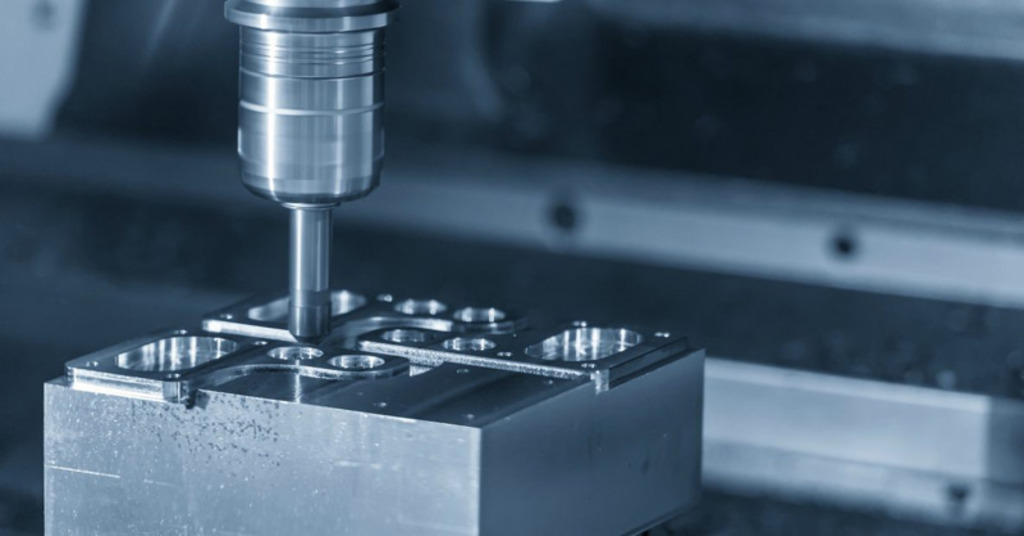
Micro CNC milling
This technique uses a cutting tool that revolves around the workpiece. It removes a small amount of material from the workpiece. It is suitable for creating delicate and intricate patterns and shapes on the material. Suitable for different materials, it gives precision. Usually, it produces micro molds and microfluidic systems. It also manufactures parts for health and electronic instruments. The core features are as follows;
- Small cutters and Computer Numerical Control technology are used.
- Specializes in sculpting complex geometries.
- They are used for small and intricate parts as well as micro molds.
- High in semiconductor and aerospace industries.
- It allows for the creation of prototypes and accurate production.
- Strengthens the competencies in micro-engineering solutions.
Micro Turning:
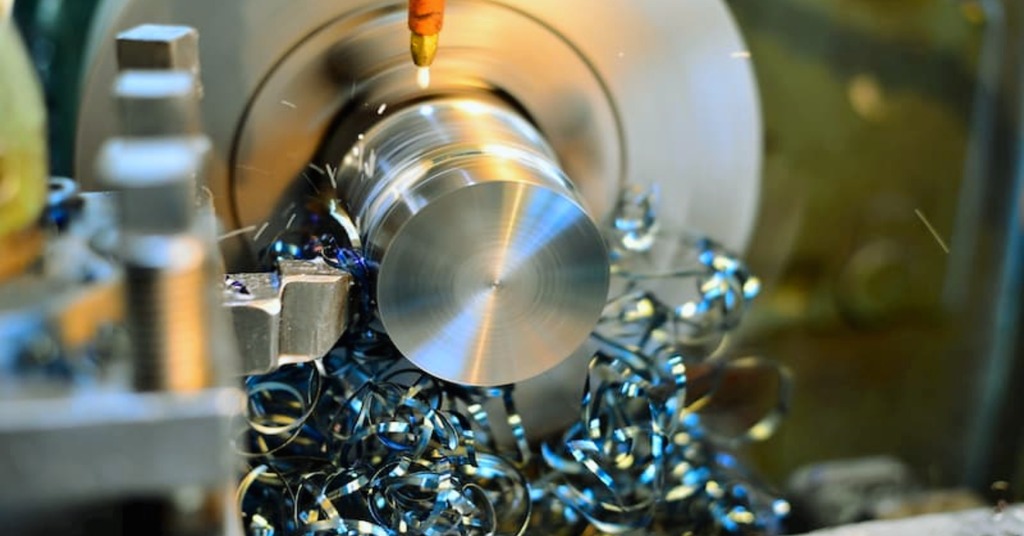
Micro turning
As in the case of the turning operation, micro-turning also entails the rotation of the workpiece. A cutting tool moves along a straight line. This process is done on a smaller scale. It is applied in the making of round or cylindrical parts with a high degree of precision. It allows the detailing of the component to be very high. Some of the examples are miniature pins and micro axles. The advantages include the glossy surface and the high accuracy of the product.
- Creates small cylindrical components accurately.
- Critical for medical devices and aerospace parts.
- Enhances high surface quality and productivity.
- Accompanied by micro milling for diverse manufacturing.
- Allows complex patterns and utilitarian parts.
Micro Drilling:
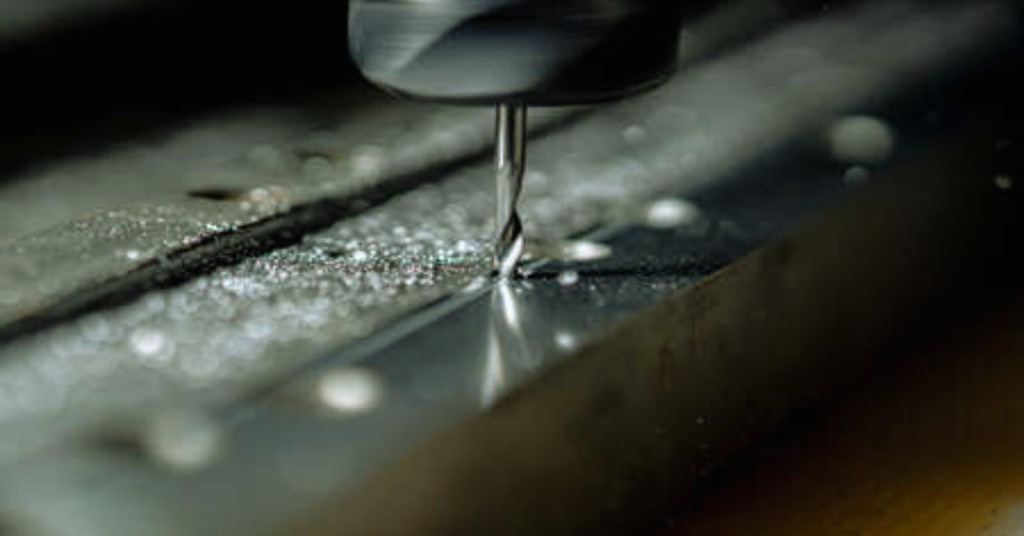
Micro drilling
- Makes tiny, accurate holes for electronics.
- Essential in the manufacturing of PCBs and microfluidic devices.
- Helps to achieve high accuracy in the production of the components.
- Enables the creation of complex assemblies at high rates.
- Facilitates accurate drilling on tiny components.
Micro Grinding:
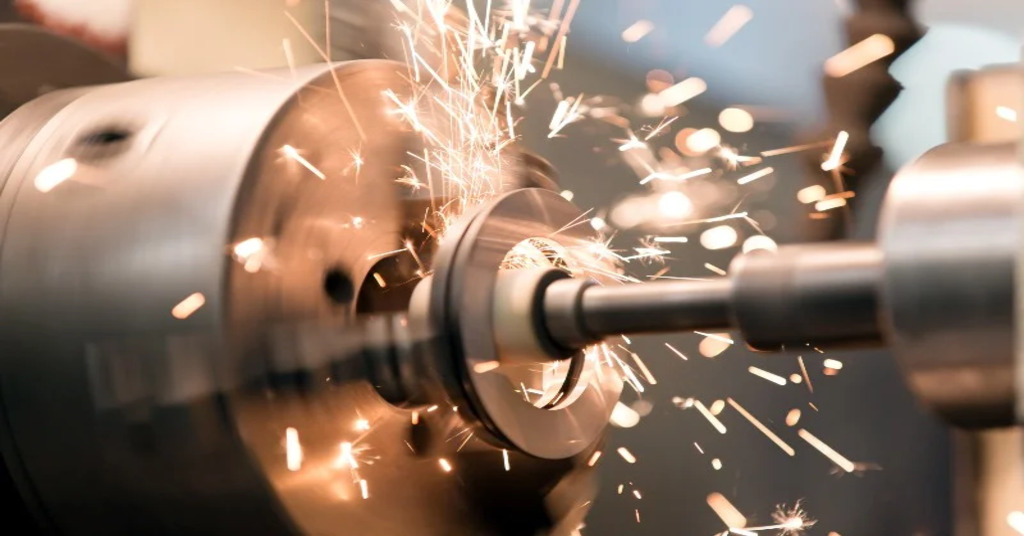
Micro grinding
- It uses fine abrasives for fine surface finishes.
- Crucial for optical and precision parts.
- Polishes part surfaces to high-quality standards.
- Improves the performance in micro-engineering processes.
- They support accurate cutting and shaping of the materials as well as finishing.
- It can be used efficiently in combination with other micromachining processes.
Micro Ultrasonic Machining (Micro-USM):
- Comprises ultrasonic vibrations and abrasives.
- Suitable for use in materials that are difficult to cut, such as ceramics.
- Reduces thermal effects on the material being cut or machined.
- Used in the formation of complex structures in the production of semiconductors.
- It is helpful in supporting high-precision components in the manufacturing of MEMS.
- Improves the competencies in microelectronics and optics.
Thermal Micromachining:
- Employ heat energy for accurate cutting or shaving of the material.
- Suitable for difficult-to-machine materials that are used in the aerospace industry.
- High dimensional accuracy and detailed work can be created.
- Enables the creation of micro features on the surface of a workpiece.
- Recommended for the designs with complicated shapes and high levels of detail in the parts to be created.
- Improves the manufacturing process in sensitive applications.
Benefits of Aerospace Micromachining Parts
- Precision: CNC technology in micromachining is very accurate, and this is particularly useful, especially for aerospace parts, because they are manufactured to stringent standards.
- Efficiency: Micromachining also has the advantages of cutting down personnel costs and, at the same time, shortening the time taken in the production of aerospace parts.
- Versatility: CNC machines are very versatile and can cut metals, plastics, ceramics, and other materials, which makes it possible to shape some parts.
- Consistency: CNC technology also assists in enhancing the degree of accuracy in the process of production and avoiding cases whereby a firm develops substandard products due to different batches.
- Innovation: Micromachining is used in new-generation designs and small components in contemporary aerospace systems like UAVs and microsatellites.
Try Ancastings Now!
Considerations and Limitations For Micromachining
- Initial Investment: The initial costs of micro CNC machines and the implementation of the machines are relatively high. Thus, the costs have to be well understood, and the benefits of the machines have to be viewed in the long run.
- Operational Expertise: CNC machines are operated through a certain level of proficiency and experience; this, therefore, means that those operators who have been used to the traditional form of operating machinery may take some time to get used to the new technology.
- Complexity: CNC machines are ideal for producing intricate parts, but the programming and tooling of the machines are a concern, especially when there is a need to redesign or alter the process.
- Adaptability: CNC machines are most suitable for application in production processes that do not entail a change of design often because this would mean that the machines would have to be reprogrammed or altered in some way, and this takes time.
- Economic Viability: Therefore, it can be concluded that micromachining is effective in manufacturing high-accuracy components; however, the effectiveness of micromachining about time and the degree of detail of aerospace components should be assessed.
Compatible Micro CNC Machining Materials
Micro CNC machining is adaptable to both plastics and metals. The most commonly used metal alloys and plastics include;
Metals and Alloys
Micro CNC machining is versatile and can process almost all types of metals and alloys. Aluminum is preferred because it is light and robust, while stainless steel is preferred because it does not rust. Another material that is commonly used is brass since it is characterized by good machinability and corrosion resistance. For the cases where strength and durability are required, the best material to work with is machining titanium
because of its strength-to-weight ratio and resistance to corrosion. Still, it is challenging and requires special tools to be shaped. Moreover, some materials like Inconel are used because they are very heat and corrosion-resistant and can be used where conditions are severe.
CNC Plastics
This machining also applies to various plastics, and all these plastics have their advantages. ABS is comparatively cheaper and is widely used because of its excellent machinability. POM or Polyoxymethylene is highly stiff, has low friction, and is stable. PEEK (Polyether Ether Ketone) has high-temperature resistance and mechanical strength; therefore, it is highly valued. Other types of plastics are PEI (Polyetherimide), which has high heat resistance and mechanical strength, and PAI (Polyamide-imide), which is very strong when under stress. Also, Polycarbonate, PTFE (Teflon), and Nylon are preferred because of their lightweight electrical insulation, and on top of that, they are cheaper than other materials. If you want to learn more about plastics, here’s our detailed guide to plastic cnc machining.
Ceramics
Ceramics are also widely used in micro CNC machining because of their heat resistance, hardness, and electrical insulation. However, they are relatively brittle, which makes them prone to chipping or cracking during machining operations. This is why it is essential to select the right tools and machining parameters to maintain the quality of the ceramic parts, the surface finish, and accuracy for such uses as electronics and aerospace.
Composites
Micro CNC machining is becoming more and more popular, and among them, fiber-reinforced plastics, especially carbon fiber-reinforced plastics, are becoming more and more popular. These materials are noted for the interaction of the properties of the materials of which they are made; they possess a high strength-to-weight ratio. CFRPs are ideal for application in places where weight is a critical factor and where there is a need for high strength, such as aerospace and high-performance automobiles. When using composites, specific techniques are required to deal with the properties of the material and produce durable components.
Chemical and Electrochemical Micro Machining
Chemical Micro Machining is the process of using chemicals to etch material to create micro features on metals, glass, and silicon. Detailed circuit patterns are used in the semiconductor industry because they offer non-contact etching to minimize mechanical forces.
Electrochemical Micro Machining (ECMM)
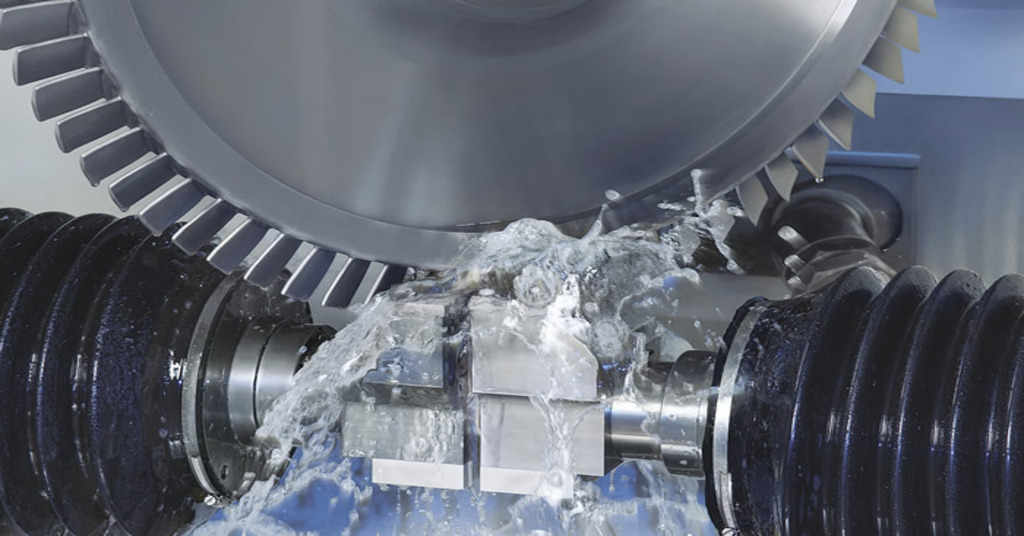
Electrochemical micro machining (ECMM)
Electrochemical Micro Machining (ECMM) is a new-generation process that uses anodic dissolution in an electrolyte solution, which is ideal for cutting hard metal and alloys without applying heat stress. This one can design complex patterns with high surface finish for aerospace, medical, and automotive industries.
Hybrid Micro Machining
Micro-machining hybridization can be described as combining several techniques in the machining process to enhance the accuracy of the process. The hybrid methods use one of the techniques for the geometries and high aspect ratios and another for the next steps, and at times, mechanical and thermal processes are used in sequence.
AHMM correlates the main micromachining with the secondary processes, including ultrasonic, to improve the MRR and, at the same time, reduce the tool wear. It is mainly applied in the aerospace and medical industries since precision is essential in production.
Other Innovative Methods
Micro Abrasive Jet Machining (Micro-AJM) is a process of using high-velocity micro-particles of abrasive to erode material from the surface of brittle material such as glass and ceramics without any effect of heat on the workpiece. It is appropriate for thinning edges, fine finishing of the material, and the shape of the cutting edge. Micro-Focused Ion Beam Machining (Micro-FIB) employs ion beams for cutting and deposition of material, which is essential in the production of semiconductors and MEMS for nanotechnology applications.
Tolerances for Micro Machining
Micromachining leads to small tolerances, and the tolerance is different from the technique that is used. Generally, cnc machining tolerance depends on the material and the intricacy of the part to be produced. Micromachining can attain ±0. 001 mm to ±0. 005 mm, which is somewhat accurate in many applications, as mentioned above. In particular applications, tolerances are as low as ±0—0001 mm.
Thus, in micromachining, the tolerance of different methods varies from one another. Micro milling typically leads to ±0. 005 mm tolerances. These tolerances are made even tighter by high-precision settings. Micro-EDM is highly accurate; the accuracy is usually within ±0. 001 mm to ±0. 003 mm Micro-LBM tolerances are a function of laser power and precision.
Micro-USM usually provides ±0. Of the order of ± 0. 005 mm tolerances, they depend on the material of the part to be produced. Chemical and electrochemical processes achieve ±0. 001 mm tolerances. These methods give better control of the material removal process, resulting in better accuracy. In general, micromachining’s accuracy is valued. This makes it suitable for high-accuracy industries such as the automotive industry.
Try Ancastings Now!
Ancastings: Precision Micromachining Services at Our Platform
Ancastings is a precision manufacturing company focused on precision machining of small, complex, and specialty parts for many global medical device manufacturers. The company is more concerned with designing and manufacturing specific implantable parts for industries such as orthopedic, orthopedic spine, cardiovascular, vascular, endovascular, and pelvic health care. We are committed to new-age segments such as Robot-Assisted Surgery (RAS) and Minimally Invasive Surgery (MIS) and collaborate with OEMs to improve our medical procedures.
Our company is FDA-registered and in compliance with ISO 13485 for quality assurance programs. From the basic training that is carried out at the time of employment to the elaborate processes that are included in each production process, quality is part of our company. This is so because Engineering, Quality, and Manufacturing Operations are closely linked to guarantee that you get the best parts. Explore more about our cnc machining service.
Endnotes
To conclude, Micro CNC Machining is crucial in the manufacturing of small and intricate parts. We have talked about its advantages and disadvantages, the requirement of small tolerance, similar materials, and the factors of success. We also looked at the industries that benefit from this technology and studied the different micro CNC machining techniques. From medical to aerospace, electronics to automotive, we deliver intricate designs to your doorstep. Moreover, our micro CNC machining services are characterized by precision, quality, and reliability due to the use of modern technology and a professional team.