
In our daily lives and industrial production, metallic materials play a crucial role. Generally, metals are divided into two major categories: non-ferrous metals and ferrous metals. Understanding these two categories of metals and their respective characteristics is vital for selecting the appropriate materials to meet different application requirements.
As such, this article will take you on an in-depth exploration of the definitions of non-ferrous and ferrous metals and the differences in their characteristics. We will detail the common varieties within each metal type, and examine their applications in machining and casting.
What are Non-Ferrous Metals?
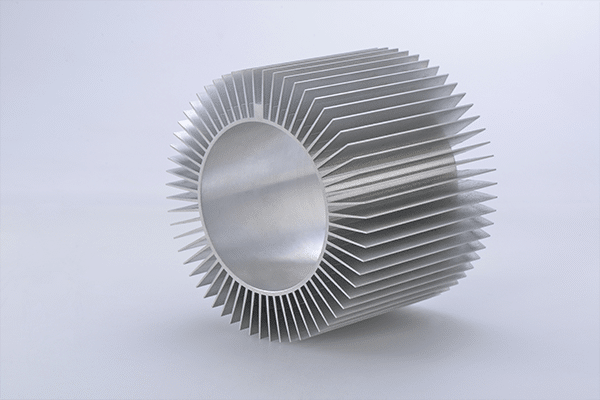
Non-ferrous metals are metals that do not contain iron. They are typically more resistant to corrosion and rust, and lighter in weight. In addition, they often have specialized properties such as high conductivity or malleability. These metals are employed in a wide range of applications due to their unique characteristics.
What are Ferrous Metals?
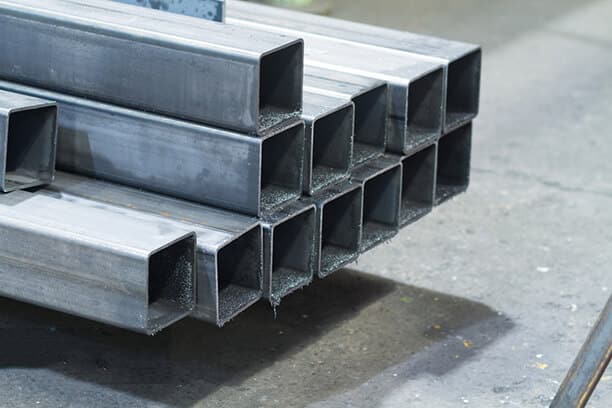
On the other hand, ferrous metals refer to metals that contain iron. They are generally known for their strength and durability, but they are also more susceptible to rust and corrosion when exposed to moisture unless they are treated or alloyed with other elements. Ferrous metals are widely used in construction, manufacturing, and engineering industries.
Properties of Non-Ferrous Metals
When it comes to their properties, non-ferrous metals offer several advantages that make them particularly valuable in various industries:
- Corrosion Resistance: They are generally more resistant to corrosion than ferrous metals, making them ideal for applications exposed to moisture or harsh environments.
- Lightweight: Many non-iron metals, such as aluminum and titanium, are lighter than ferrous metals. Thus, they are suitable for applications where weight is a critical factor.
- High Conductivity: Metals like copper and aluminum are excellent conductors of electricity and heat, making them essential in electrical and thermal applications.
- Non-Magnetic: Most non-ferrous metals are non-magnetic, which is useful in applications where magnetic properties are undesirable.
- Malleability and Ductility: They are often more malleable and ductile, allowing them to be easily shaped and formed into complex structures.
Properties of Ferrous Metals
Ferrous metals are valued for their strength and versatility, but they also have specific characteristics that must be considered in their use:
- Strength and Durability: Ferrous metals, particularly steel, are known for their high tensile strength and durability. As a result, they are fit for structural and heavy-duty applications.
- Magnetic Properties: Many iron-based metals, including iron and its alloys, are magnetic, which is beneficial in certain applications like motors and transformers.
- Susceptibility to Rust: Iron-containing materials are prone to rust and corrosion, especially when exposed to moisture, unless they are treated or alloyed with other elements.
- Density and Weight: The metals are typically heavier and denser than non-ferrous metals, which can be advantageous in applications requiring weight and stability.
- Versatility in Alloying: Iron-rich metals can be alloyed with other elements, such as carbon, chromium, and nickel, to enhance their properties, like strength, toughness, and corrosion resistance.
Non–Ferrous Metal Lists
| Non-Ferrous Metal | Properties |
| Aluminum | Lightweight, corrosion-resistant, easy to fabricate |
| Copper | High conductivity, corrosion-resistant, malleable |
| Lead | Corrosion-resistant, high density, soft |
| Zinc | Corrosion-resistant, medium hardness, easy to fabricate |
| Tin | Soft, corrosion-resistant, low melting point |
| Nickel | Corrosion-resistant, high hardness, wear-resistant |
| Titanium | Lightweight, corrosion-resistant, high strength |
| Brass (Copper-Zinc Alloy) | Corrosion-resistant, good decorative properties, high conductivity |
| Bronze (Copper-Tin Alloy) | Corrosion-resistant, high strength, good decorative properties |
| Magnesium | Lightweight, high strength, easy to fabricate |
| Gold | Precious, corrosion-resistant, high conductivity |
| Silver | Precious, high conductivity, corrosion-resistant |
| Platinum | Precious, high-temperature resistant, corrosion-resistant |
Ferrous Metals Lists
| Ferrous Metal | Properties |
| Iron | High strength, wear-resistant, easy to fabricate |
| Carbon Steel | High strength, good toughness, easy to fabricate |
| Stainless Steel (Iron-Chromium Alloy) | Corrosion-resistant, high-temperature resistant, high hardness |
| Cast Iron | High compressive strength, wear-resistant, easy to fabricate |
| Wrought Iron | High strength, good toughness, easy to fabricate |
| Tool Steel | High hardness, wear-resistant, high-temperature resistant |
| Alloy Steel (Steel with other alloying elements like manganese, nickel, chromium) | High strength, corrosion-resistant, wear-resistant |
| Mild Steel | Medium strength, good toughness, easy to fabricate |
| High-Carbon Steel | High hardness, wear-resistant, high strength |
Applications of Non-Ferrous and Ferrous Metals:
Non-ferrous metals offer valuable properties and find use in:
- Aerospace: We use aluminum, titanium, and magnesium alloys in aircraft and spacecraft for their lightweight and corrosion resistance.
- Electronics and Electrical: Copper powers electrical wires and components, while aluminum serves in power transmission.
- Automotive: Aluminum and magnesium alloys reduce weight and improve fuel efficiency in car body panels and engine parts.
- Construction: Builders use aluminum for facades and window frames, and copper for piping and electrical systems.
Ferrous metals stand out for their strength and durability in:
- Construction: Steel supports building structures, bridges, and infrastructure with high strength.
- Automotive: Manufacturers rely on steel for car bodies and chassis due to its strength and cost-effectiveness.
- Manufacturing: Steel’s wear resistance makes it ideal for tools, machinery, and heavy equipment.
- Energy and Mining: Steel performs well in pipelines, mining equipment, and power plants due to its durability.
Conclusion
In summary, in the field of metal processing, especially CNC machining, both non-ferrous and ferrous metals have their unique advantages. Non-ferrous metals are typically known for their corrosion resistance, low density, and excellent conductivity, making them ideal for applications requiring high corrosion resistance and precision machining, such as aluminum, copper, and magnesium alloys. On the other hand, ferrous metals are more commonly used in structural applications due to their high strength and hardness.
Additionally, Ancastings Precision has extensive experience in CNC machining, able to precisely process various types of non-ferrous and ferrous metals. Whether dealing with complex parts or requiring high precision, Ancastings provides high-quality machining services, ensuring that every project meets the strict demands of its clients. If you have any questions, feel free to consult our engineers or get an instant quote.