
Want to understand how plasma cutting works? As a thermal cutting method, plasma cutting extensively finds uses in various industries due to its efficiency and accuracy. As such, this article will take you through an in-depth look at the principles, processes, applications, as well as the advantages and disadvantages of plasma cutting. Also, you’ll learn about plasma gas generation and the components of a plasma cutter. Hope this article will help you better understand how a plasma cutting machine works.
What is Plasma?
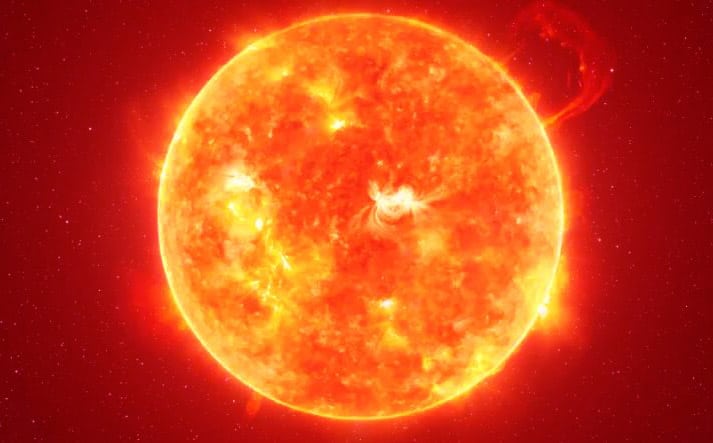
There are three states of matter existing in the world: gas, liquid, and solid. However, there is also a fourth state, namely plasma. Plasma is formed through the ionisation of gases at extremely high temperatures or by the action of strong energy sources. Such energy actions can include high-temperature heating, strong electric fields, or electric arcs. Furthermore, plasma exhibits several advantageous properties, including excellent electrical conductivity and sensitivity to electromagnetic fields. In nature, plasma is ubiquitous, occurring in phenomena such as lightning, auroras, and the sun. Moreover, plasma is widely utilized in various industrial and technological applications, including plasma displays, cutting, and welding.
How to Create Plasma Gas?
Nevertheless, creating plasma isn’t a simple process and depends heavily on the desired type and application of the plasma. Below are some common methods.
- Thermal Ionization: This method involves heating a gas to extremely high temperatures. At these temperatures, the kinetic energy of the gas atoms is sufficient to overcome the electrostatic forces holding electrons to the nucleus, resulting in ionization.
- Electrical Discharge: Passing a high voltage electric current through a gas can also create a plasma. The electric field accelerates electrons, which then collide with gas atoms, ionizing them.
- Laser Ionization: In addition, high-powered lasers can also ionize gases as the intense energy of the laser light directly strips electrons from atoms.
- Radio Frequency (RF) Ionization: Applying a radio frequency electromagnetic field to a gas can also ionize it. The oscillating electric field accelerates electrons, leading to collisions and ionization.
What is Plasma Cutting?
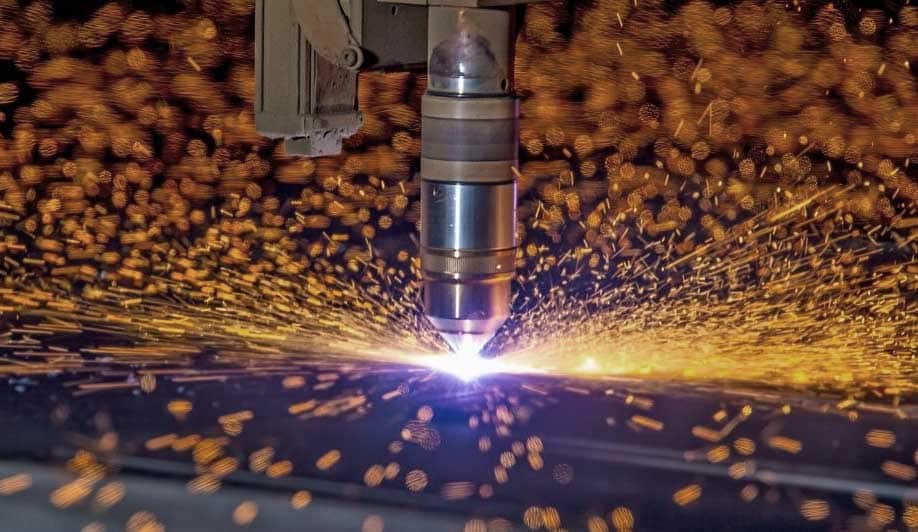
Plasma cutting uses a high-velocity jet of hot plasma to melt and blow materials. Unlike other thermal cutting methods like oxy-fuel cutting, plasma cutting employs an electrically conductive gas, typically compressed air or other inert gases. And such gas is heated to an extremely high temperature from 20,000°C to 30,000°C or more, to form a plasma arc. This plasma arc is then forcefully expelled through a small nozzle, creating a very focused and powerful cutting beam capable of severing various conductive materials with high precision. Especially, it’s effective on electrically conductive materials like steel, aluminum, and stainless steel, offering a faster and cleaner cut.
Components of the Plasma System
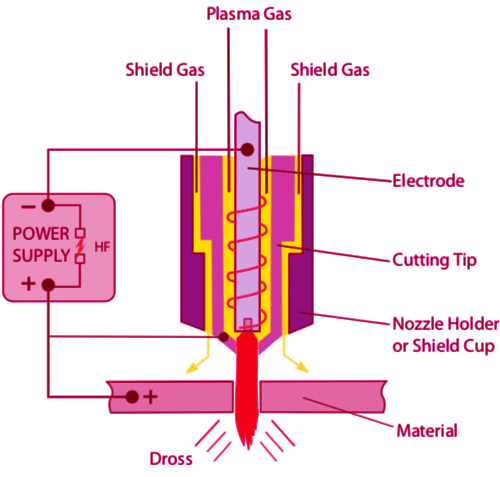
A plasma cutting system combines several key components to generate and control a high-temperature plasma arc. The system’s performance and capabilities rely on these individual parts:
1. Power Supply:
The core functionality of this system involves the conversion of single-phase or three-phase AC line voltage (208-480VAC) to a stable DC voltage output in the range of 200-600VDC, commonly operating at 300-400VDC. This DC voltage sustains the plasma arc. The power supply also regulates the output current, dynamically adjusting according to material type and thickness for optimal cutting performance.
2. Torch:
This handheld or automated device delivers the plasma arc to the workpiece. Crucially, it contains an electrode generating the arc—though its lifespan is limited. Moreover, a swirl ring stabilizes the arc and improves cut quality, while a nozzle precisely channels the plasma. Finally, an optional shielding cap protects the arc from atmospheric contamination.
3. Arc Starting Circuit (ASC):
This circuit generates a high-frequency, high-voltage AC spark, approximately 5,000-10,000 VAC at 1-5 MHz, to initiate the plasma arc within the torch. This spark ionizes the gas, creating the initial conductive path for the main DC arc.
4. Gas Supply:
This provides the compressed gas, including air, nitrogen, argon, or mixtures, necessary to form and propel the plasma arc. Additionally, the compressor must deliver sufficient pressure and flow rate for optimal cutting.
5. Control System:
This regulates power supply output, gas flow, and other parameters for consistent cutting quality. This can range from simple on/off switches to sophisticated computer-controlled systems with digital displays and pre-programmed settings for various materials and thicknesses.
How does a Plasma Cutter Work?
Now that we have learned about the plasma-cutting machine, let’s move on to how it works
Ionization of Gas
To begin, the plasma cutter’s power supply sends a high-voltage current to the electrode, creating an electric arc. This arc ionizes the gas, turning it into plasma. The choice of gas, such as air, oxygen, or nitrogen, depends on the material and the desired cut quality.
Formation of Plasma
Next, the ionized gas is forced through a constricted nozzle, which increases its velocity and temperature. As a result, the plasma stream exits the nozzle at up to 20,000°C, which is hot enough to melt metals like steel, aluminum, and copper.
Cutting the Workpiece
The plasma jet is then directed at the workpiece, where the extreme heat melts the material at the cut point. Additionally, the high-velocity plasma blows the molten material away, ensuring a clean and narrow cut with minimal slag.
Blowback and Clean Edges
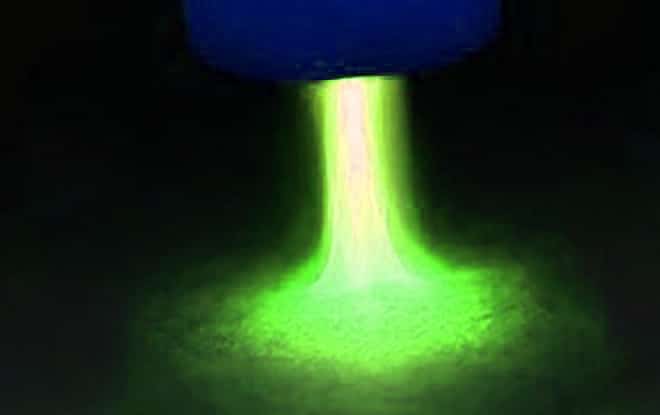
As the molten metal is expelled, it leaves behind a smooth, clean edge. This narrow cut also minimizes the heat-affected zone, reducing the risk of distortion or warping in the surrounding material.
Torch Control and Guidance
The operator controls the plasma torch by guiding it along the cutting path. This can be done manually or with automated systems like CNC. It is important to maintain the correct speed and angle; otherwise, the cut quality may suffer from being either incomplete or excessively wide.
Grounding the Workpiece
Finally, for the plasma arc to function properly, the workpiece must be grounded. This is typically done by connecting the workpiece to the cutting table or using a separate grounding clamp, ensuring that the electrical current flows efficiently.
Pros & Cons of Plasma Cutting
While plasma cutting is an efficient and versatile method, it has both advantages and limitations depending on the material and application. Below are some of the key pros and cons of the process:
Pros
- Speed: Plasma cutting is faster than many traditional cutting methods, especially on thicker materials.
- Precision: It provides accurate cuts, even in intricate shapes.
- Versatility: Can cut a wide variety of metals, including steel, aluminum, and copper.
- Minimal Heat Affected Zone: Unlike other cutting methods, plasma cutting causes minimal heat distortion in the surrounding material.
Cons
- Limited Thickness: While efficient for thinner materials, plasma cutting struggles with very thick metals.
- Quality of Cut: The cut edges may need additional finishing depending on the material.
- Initial Equipment Cost: The cost of a plasma cutting machine can be higher compared to simpler tools like oxy-fuel cutters.
Materials for Plasma Cutting
Plasma cutting is effective for a range of electrically conductive metals. The most commonly cut materials include:
- Mild Steel: This material is easy to cut and widely used in construction, automotive, and fabrication industries due to its excellent conductivity.
- Stainless Steel: While stainless steel can be cut with this process, it requires more precision to avoid heat distortion and achieve clean edges.
- Aluminum: Though it is more challenging due to its reflective nature and oxide layers, aluminum can still be cut effectively with the right settings.
- Copper and Brass: These metals can also be processed, but they require more power because of their higher thermal conductivity compared to steel.
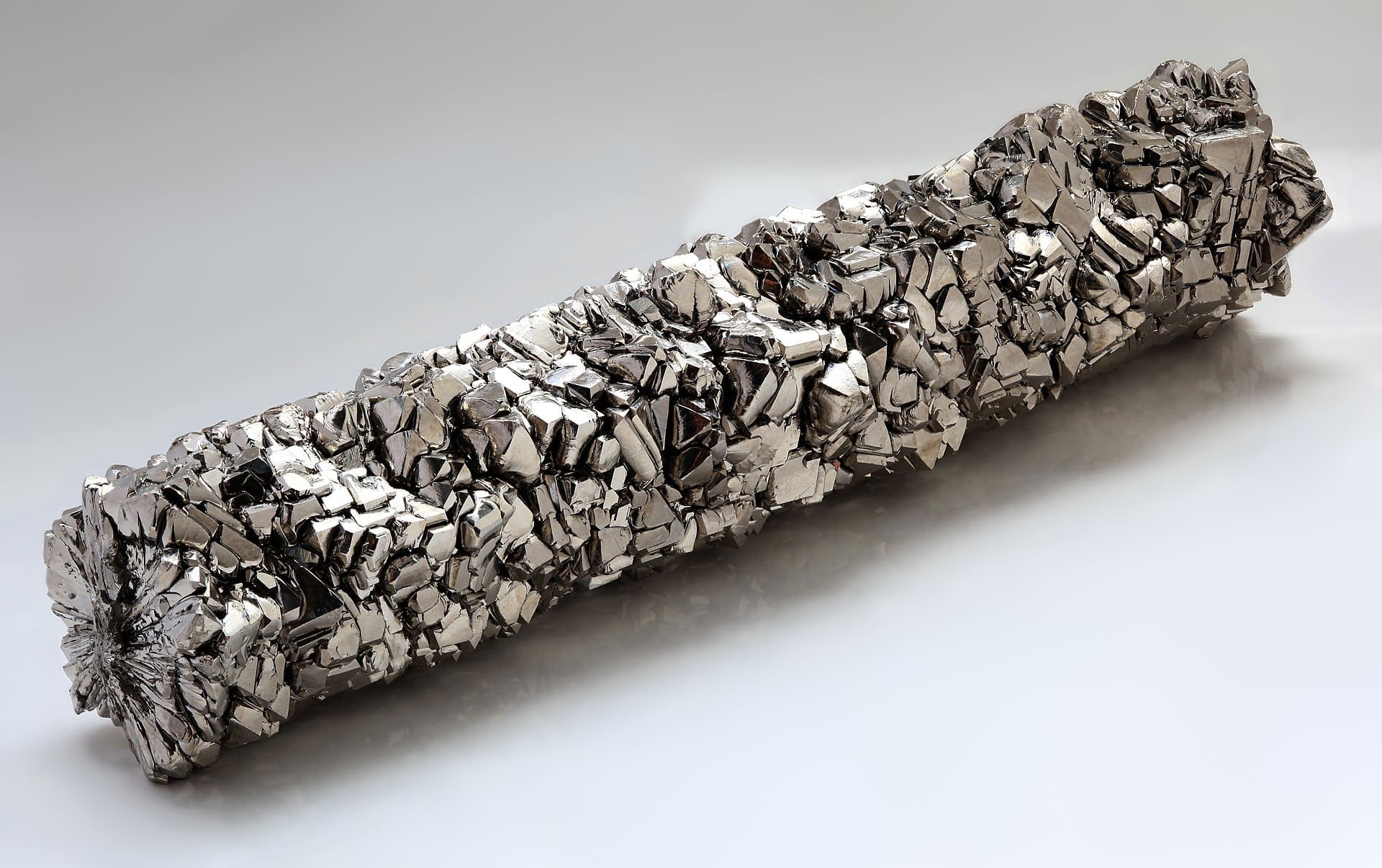
- Titanium: Cutting titanium is possible, though it requires careful control to prevent oxidation and ensure high-quality results.
- Nickel Alloys: Common in aerospace and marine applications, these materials are suitable for cutting, though adjustments may be necessary for different alloys.
Various Cutting Methods at Ancastings
Ancastings is a leading provider of custom manufacturing services, specializing in precision machining and high-quality component production. We cater to industries such as aerospace, automotive, medical, and more, offering tailored solutions for both prototyping and mass production. Our team utilizes advanced technology and a range of cutting methods to ensure the best results for your projects.
We offer a variety of cutting techniques, including:
- Laser Cutting
- Waterjet Cutting
- CNC Milling
- Wire EDM (Electrical Discharge Machining)
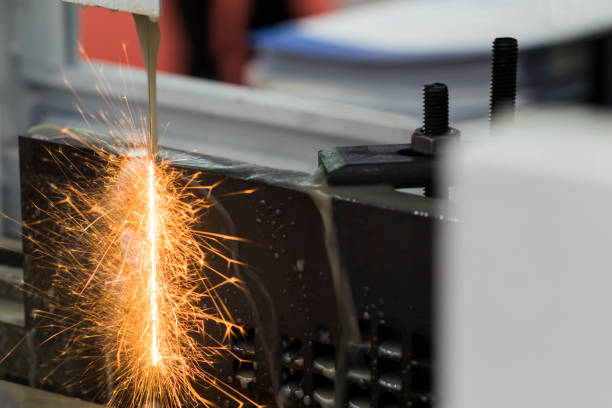
- Plasma Cutting
- Flame Cutting
FAQs
Plasma cutting is most effective on conductive metals like steel, aluminum, and copper. Non-conductive materials like wood or plastic cannot be cut using plasma.
While plasma cutting is efficient for thinner materials (up to 6 inches thick), cutting extremely thick materials may require alternative methods, such as oxy-fuel cutting or waterjet cutting.
Plasma cutting provides good precision, especially for medium to thick materials, but the quality of the cut may require additional finishing, especially on thinner sheets.
The two main types of plasma cutting are air plasma cutting and high-definition plasma cutting. Air plasma cutting uses compressed air and is ideal for thinner materials, while high-definition plasma cutting uses refined gases for better precision and quality, making it suitable for thicker materials.
Yes, plasma cutting is typically cheaper than laser cutting, as it involves lower equipment costs and is more economical for cutting thicker materials. Laser cutting, while offering higher precision, tends to have higher initial costs and operational expenses.