
It can be costly and confusing while choosing between anodizing and powder coating if it is not done in a correct way. Selecting the wrong finish could yield reduced performance, increase maintenance costs and wear.
This detailed guide explains the main differences between anodizing and powder coating. It will help manufacturers and engineers make better choices for their particular needs.
What is Powder Coating?
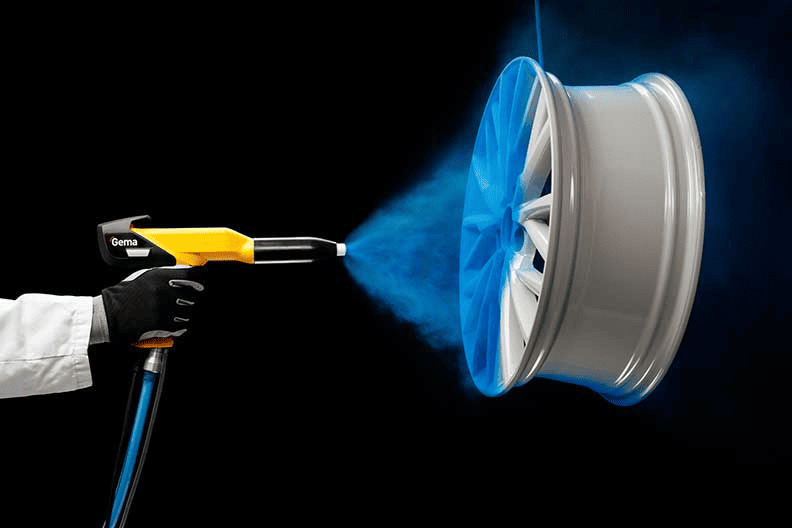
Powder coating is a sophisticated dry finishing method that electrically charges powder particles and applies them to conductive surfaces. The coated item then gets baked in an oven. This forms a tough and attractive finish of superb quality. This process is popular in aerospace, automotive and other industrial operations for its aesthetic appeal and outstanding protection.
Materials Suitable for Powder Coating
Powder coating works well on metals such as steel, aluminum and stainless steel. It can also be coated on some plastics, MDF and composites after proper preparation using UV-cured powders and low-temperatures.
What is Anodizing?
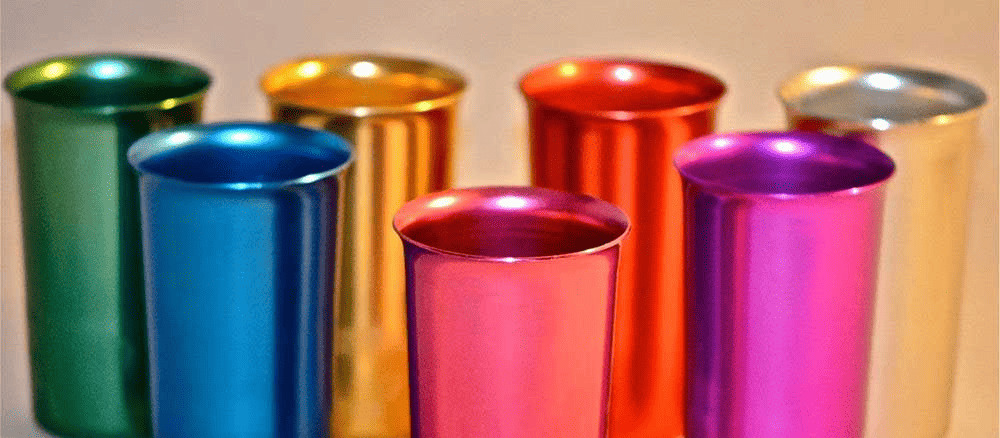
It is an electrochemical process that produces a strong coating of oxide on the metal (mostly aluminium) surfaces that resists corrosion. Anodizing increases electrical insulation, wear resistance and hardness, while giving the ability to add colors. It gives both visual and functional benefits to parts and is used extensively in automotive, aerospace and consumer electronics.
Materials Suitable for Anodizing
Anodizing works best on aluminum, but can also coat magnesium, titanium, niobium, zinc and tantalum. Every metal needs particular process parameters to get best results.
Comparison: Powder Coating vs. Anodizing
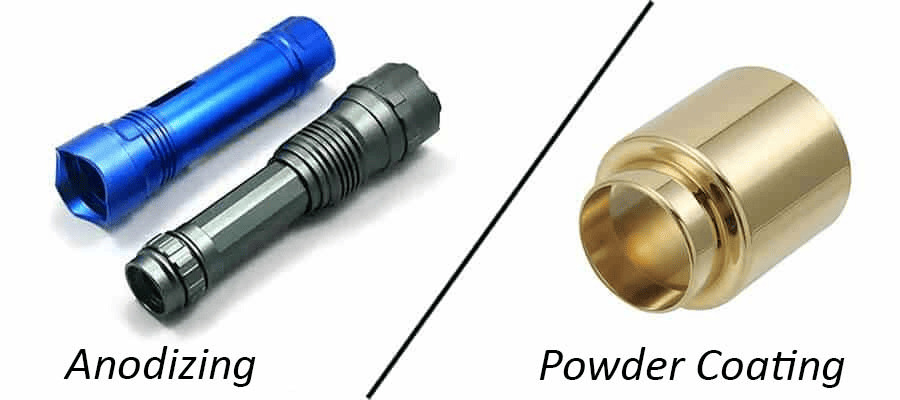
Now that we have gone over the basics, let’s see the main differences between these two common finishing methods.
Process and Application
Powder coating sprays dry powder electrostatically onto a surface, then bakes it in an oven at 350°F to 400°F. On the other hand, anodizing uses an electrochemical process that makes a protective layer of oxide on aluminum. It normally takes 15 to 21 volts of direct current and uses sulfuric acid as an electrolyte.
Powder coating is multifunctional – it is appropriate for different plastics, metals and MDF. This make it best for appliances, car parts and outdoor furniture. Whereas, anodizing mainly operates on aluminum. It really shines in electronics, aerospace and architecture where you need electric insulation and accurate tolerances.
Durability
Anodizing can reduce aluminum’s ability to stretch without breaking because of the hard oxide layer created on the surface. In comparison, powder coating keeps the stretch ability of base metals and this makes it better for parts that need major bending or shaping after treatment.
Appearance and Aesthetic Options
Anodizing gives a metallic look with over 200 color choices. Whereas powder coating delivers more color and finish varieties like glossy, matte, and textured. Powder coating can make special effects like wood grain or marble while anodizing keeps the natural look of metals.
Cost and Maintenance
Powder coating is usually more affordable, in particular for large batches. Prices may range from $4 to $45 per square foot depending on the industrial field. On the other hand, anodizing costs $0.5 to $5 per square foot. Powder coating needs little maintenance but anodized surfaces may require periodic cleaning to preserve the peak performance of metal.
Environmental Impact
Powder coating is more eco-friendly. It generates near-zero Volatile Organic Compounds (VOCs) and facilitates powder recycling. Anodizing produces more waste but mainly its recyclable aluminum hydroxide.
Powder coating uses more energy of about 350 to 420°F because of curing as compared to anodizing which uses less energy but needs proper electrolyte handling.
Benefits of Powder Coating
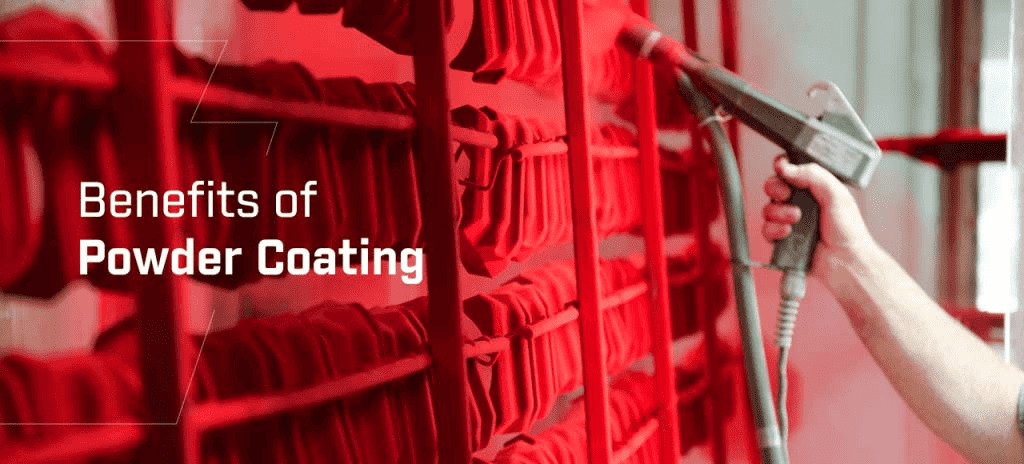
After examining the differences, it’s time to know why powder coating is mostly the preferred choice for many industries.
- Outstanding Durability and Resistance: Powder coating creates an incredibly durable and resistant finish. It produces a robust coating that remains unchanged in harsh environments. The finish has better resistance towards corrosion, UV rays and chemicals. Many powder coatings last 15 to 20 years outdoors. Its thick layer of about 60-80 microns gives abrasion resistant and outstanding impact which outshines traditional liquid paints.
- Broad Range of Color Options: This coating type gives a broad range of color options. There are thousands of textures, finishes and colors available. This contains custom effects and colors like pearlescent or metallic. So, powder coating gives unmatched aesthetic versatility for different fields.
- Uniform Coating Thickness: Powder coating gives stable thickness usually of 2 to 3 mils on surfaces. This uniformity gives better looks, durability and performance.
- Cost-Effective for Large Batches: Powder coating greatly lowers costs for bulk production. Manufacturers can get economies of scale with up to 98% material use and lower labor costs, particularly for over 500 units.
- Easy Cleaning and Maintenance: Powder-coated surfaces don’t need much maintenance. Regular cleaning with water and mild soap is enough. In case of stubborn dirt, washing at low pressure works well.
- Weather and UV Resistance: Powder coatings with UV-blocking additives give better protection against chalking and fading. Its polyester coatings can preserve 50% gloss after an exposure of 500 hours of QUV-A. This guarantee long-lasting durability in outdoors.
Benefits of Anodizing
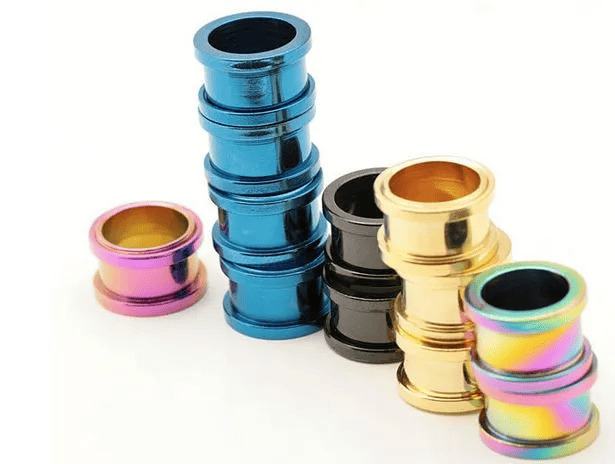
While powder coating has its strengths, anodizing distinguishes itself because of its distinctive properties, particularly for aluminum surfaces.
- Electrical Insulation Properties: Anodized aluminum has impressive electrical insulation with dielectric breakdown values over 2000 volts for hard anodized parts. For example, type III coatings can reach up to 1700 volts per mil. This gives dependable insulation for electronic parts.
- Better Corrosion Resistance: Anodizing generates a protective oxide coating 5 to 30 μm thick. This increases corrosion resistance of aluminum by 1000 times. This layer lasts up to 2 weeks or more in salt spray testing (ASTM B117) which is much better than raw aluminum.
- Improved Adhesion for Paints and Adhesives: Anodized aluminum also adheres better to glues and paints. Its porous surface contributes to stronger bonding with coatings. The oxide layer permits mechanical interlocking. This increases adhesion strength far above untreated aluminum in industrial operations.
- Thermal Management Capabilities: Anodized aluminum has better ability to manage heat. Its thermal conductivity is about 0.6 to 1.3 W/m·K in comparison to 205 to 235 W/m·K for raw aluminum. This maximizes heat dissipation in things like LED heat sinks which in turn increases overall thermal qualities.
- Retention of Metal’s Natural Appearance: Anodizing preserves metallic shine of aluminum while increasing its surface qualities. Clear anodizing preserves up to 80% of the metal’s natural ability to reflect light. This contributes to a smooth and modern look in consumer and architectural products.
How to Choose the Right Finish for Your Project.
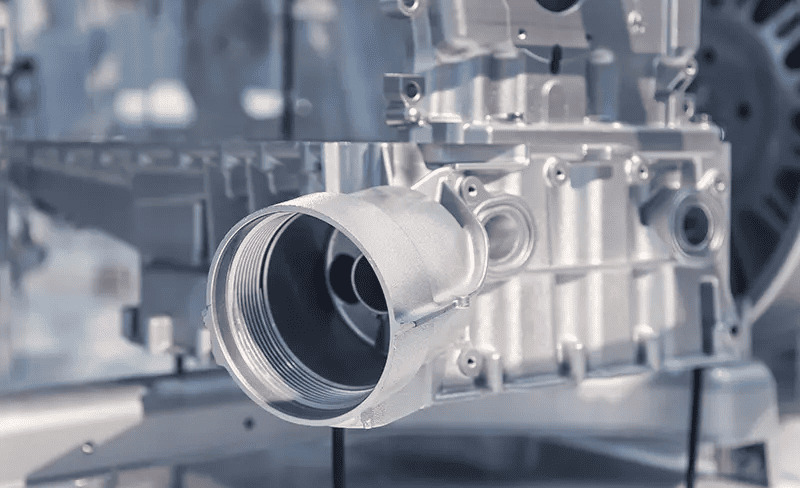
Both anodized and powder coated finishes have particular advantages. So how do you pick the right one? Let’s compare.
Application Requirements
See the particular needs of your project. The better corrosion protection of anodizing makes it an outstanding choice for outdoor architectural pieces exposed to harsh weather. But the textures and color options in powder coating may work better for indoor consumer electronics.
Material Compatibility
Anodizing is mostly used for aluminum, but powder coating can go on more types of metals. If your use case needs multiple metal types, then powder coating may give more stability on different surfaces.
Aesthetic Considerations
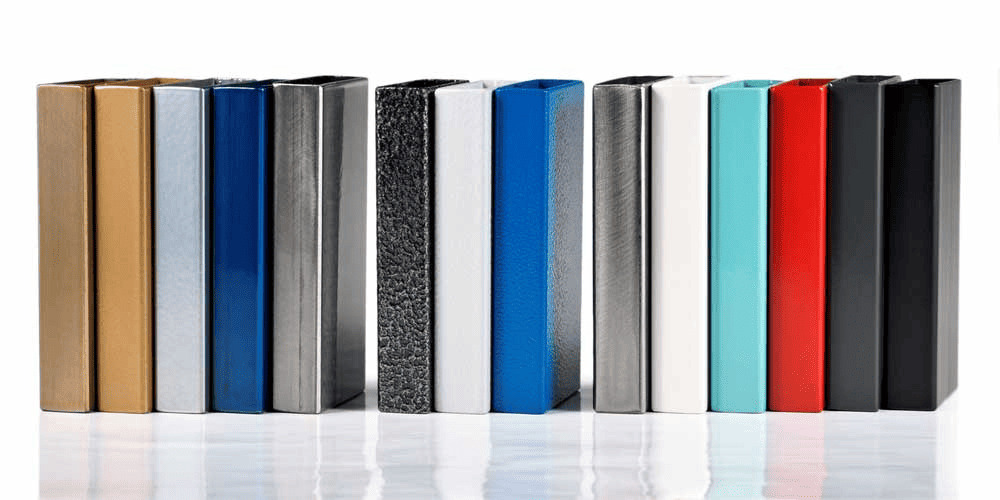
Powder coating gives a huge variety of color choices and finishes, perfect for operations which need distinctive textures or exact color matching. On the other hand, anodizing despite having very few color options, gives distinct metallic look that some designers like.
Durability Requirements
The bonded oxide layer of anodizing mostly gives better durability for situations that need great wear resistance like industrial machinery or automotive parts. In comparison, powder coating’s thick and uniform layer gives extraordinary protection against scratches and impacts.
Conclusion
Both powder coating and anodizing give unique advantages for surface finishing. Powder coating unmatched in color variety and is budget-friendly for mass batches. On the other hand, anodizing supplies better electrical insulation and corrosion resistance. Decide based on particular demands of your project, taking into account variables like environment, material and intended aesthetics for best results.
FAQ’s
Which surface finish is more eco-friendly: powder coating or anodizing?
Both powder coating and anodizing are environment friendly but powder coating is normally more eco-friendly. It uses no solvents, generates minimal VOCs and permits you to recycle extra powder. All this lowers the overall environmental impact.
Can powder coating be applied to materials other than aluminum?
Yes, powder coating can be applied to materials other than aluminum which includes composites, plastics, steel and even wood.
Is powder coating or anodizing better for corrosion resistance in outdoor environments?
Anodizing usually gives better corrosion protection outdoors. Its integrated oxide layer shields better against harsh elements, particularly in industrial or coastal zones.