
As a precise and efficient form of CNC machining, sheet metal laser cutting plays a crucial role in metal fabrication. It allows for highly accurate and flexible metal processing, offering significant advantages in speed, precision, and adaptability.
As such, In this article, we will explore the diverse applications of sheet metal laser cutting, its core principles, and how the process works. Additionally, we’ll explore the types of lasers involved and practical tips for optimizing laser-cut metal parts.
What is Sheet Metal Laser Cutting?
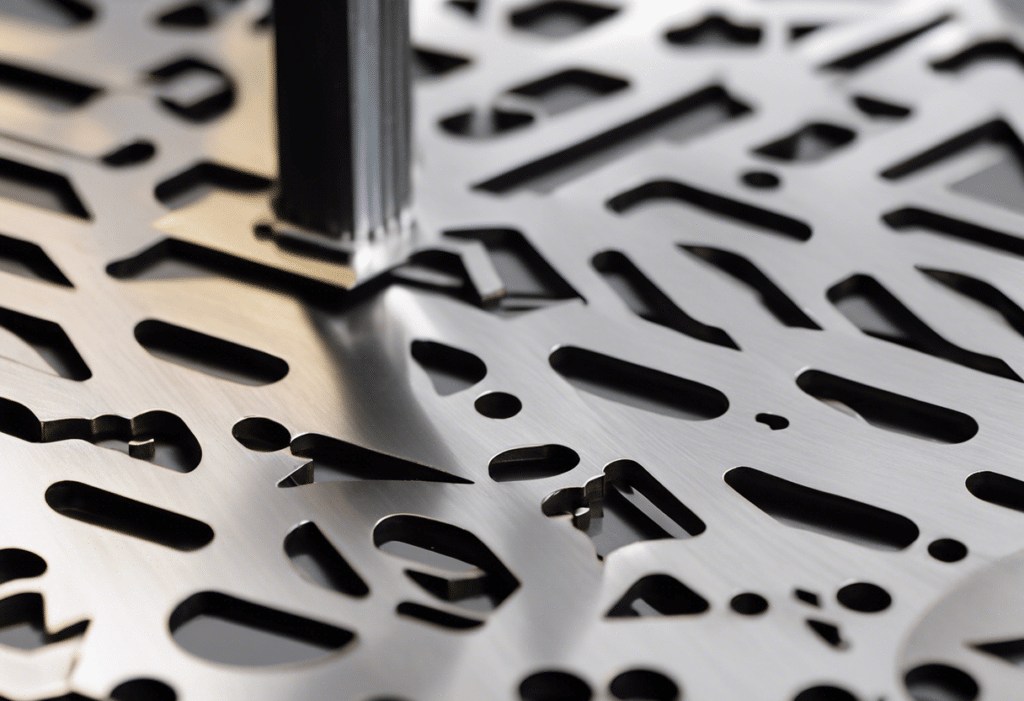
Sheet metal laser cutting is a fabrication process that uses a high-powered laser beam to precisely cut or engrave metal sheets. Controlled by a CNC system, the laser emits a focused beam of light that heats and melts the metal at targeted locations, allowing for clean and intricate cuts or shapes. This method is extensively employed due to its ability to produce highly accurate parts while minimizing material waste. Additionally, it is available in a wide variety of metals, including steel, aluminum, and copper.
How does it Work?
Sheet metal laser cutting involves several key steps that allow for precise and efficient cutting of metal sheets. Here’s how the process works:
1. Design Preparation
Using CAD software, the designer creates the design of the part and converts it into a format compatible with the laser cutting machine.
2. Material Setup
Loading the metal sheet onto the laser cutting machine. However, the material can vary in thickness and type, such as stainless steel, aluminum, or copper.
3. Laser Cutting Process
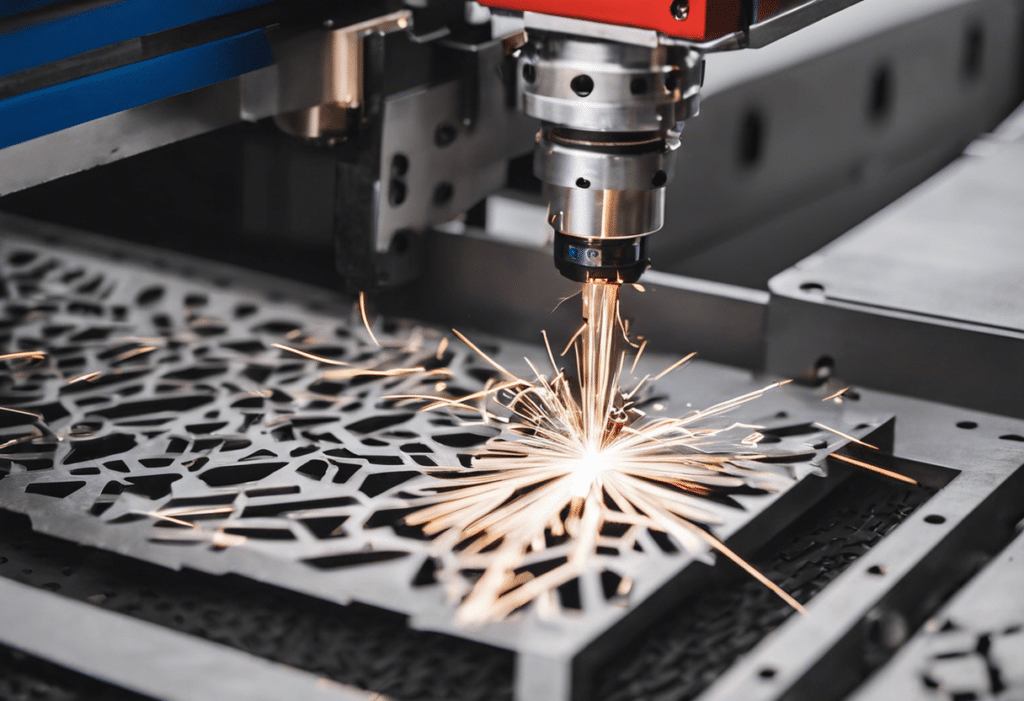
This is the most important step in the process. The laser cutting machine emits a concentrated beam of light generated from a laser source, such as a fiber or CO2 laser. First, mirrors and lenses direct the beam, focusing it to a very fine point, which allows the laser to achieve high energy density at the cutting area. Next, operators introduce an assist gas like nitrogen or oxygen to the cutting zone, which helps remove molten material and enhances cut quality depending on the gas used. Subsequently, the laser head moves according to the programmed design, directing the focused beam onto the metal sheet. This process melts or vaporizes the material along the path, creating the desired shape. Finally, technicians adjust both the cutting speed and laser power based on the type and thickness of the material being processed.
It also should be noted that there are three methods to cut sheet metal.
- Laser Beam Flame Cutting: This process involves using a laser to ignite the material, typically with oxygen as an assist gas. It’s effective for thicker materials but can produce a rougher cut compared to fusion cutting.
- Laser Beam Sublimation Cutting: In this technique, the laser energy vaporizes the metal directly without melting it. This method is suitable for very thin materials and is often utilized for intricate designs, as it minimizes heat-affected zones.
- Laser Beam Fusion Cutting: This method uses a focused laser beam to melt the material. Assist gases like nitrogen or oxygen help remove the molten metal, bringing about a clean cut. It’s ideal for thin to medium-thickness materials.
4. Finishing
The laser-cutting process leads to clean edges with minimal burrs. Depending on the requirements, further finishing processes like deburring or polishing should be applied.
Types of Lasers for Cutting Sheet Metal
Various types of lasers are popular for cutting sheet metal, each possessing distinct characteristics. Below are several commonly used types:
- CO2 Lasers: These are gas lasers that produce a high-quality beam, effective for cutting a wide range of materials, including metals. They are versatile but typically less efficient than fiber lasers for metal cutting.
- Fiber Lasers: Known for their efficiency and precision, fiber lasers use optical fibers to generate the laser beam. They are particularly suitable for cutting thin to medium-thickness metals and have a smaller spot size, allowing for detailed cuts.
- Crystal Lasers: Crystal lasers can be used for both cutting and welding. They offer good performance for various metals, though they are less common than fiber lasers for cutting applications.
- Diode Lasers: These lasers are typically used for thinner materials and lower-power applications. While they are less common for heavy-duty metal cutting, they can be effective for specific tasks. Additionally, crystal lasers produce their beams using either Nd: YAG or Nd: YVO crystals.
Pros and Cons of Sheet Metal Laser Cutting
Overall, sheet metal laser cutting is a powerful technology with significant benefits, especially for precise and high-volume production, but it also comes with some challenges that need to be considered.
Benefits:
- Precision and Accuracy: Laser cutting provides highly accurate cuts, allowing for intricate designs and tight tolerances.
- Minimal Material Waste: The narrow kerf reduces scrap material, making it an efficient choice for production.
- Versatility: Suitable for a variety of metals and thicknesses, including stainless steel, aluminum, and brass.
- Speed: Faster than traditional cutting methods, increasing overall productivity.
- Automation: Easily integrated with CNC systems for automated operations.
- Clean Cuts: Produces smooth edges with minimal burrs, reducing the need for additional finishing.
Limitations:
- Initial Cost: The equipment and setup costs can be high, especially for advanced laser systems.
- Heat-Affected Zone: Although minimal, there are still some heat-affected zones that may affect the material properties.
- Thickness Limitations: While effective for various thicknesses, very thick materials may require slower speeds or alternative cutting methods.
- Operator Skill: Requires skilled operators for setup and maintenance, particularly for complex applications.
Applications of Laser Cutting
Laser cutting has a wide range of applications across various industries due to its precision and versatility. Here are some common applications:
- Manufacturing: Mechanical parts, housings and frames
- Aerospace: Structural components, engine parts
- Automotive: Body panels, interior components
- Electronics: Circuit boards, casings
- Signage and Displays: Custom signs, point-of-sale displays
- Art and Design: Decorative elements, jewelry
- Medical Devices: Surgical tools, implants and prosthetics
- Construction: Structural steel, architectural features
Tips for Laser Sheet Metal Cutting Parts
To optimize the laser cutting process and ensure cut quality, here are some practical tips:
- Material Selection: Choose the right material for your application, considering factors like thickness, reflectivity, and cutting requirements.
- Optimize Cutting Speed: Adjust the cutting speed according to material thickness and type to achieve the best quality and efficiency. The thicker materials call for slower speeds.
- Use Appropriate Assist Gases: Select the right assist gas, like oxygen or nitrogen, to enhance cut quality. Oxygen can provide a faster cut but may produce a rougher edge, while nitrogen yields cleaner cuts.
- Design Considerations: Optimize your CAD design for laser cutting by ensuring sufficient spacing between parts and avoiding sharp internal corners to minimize stress concentrations.
- Focus Lens Maintenance: Regularly clean and inspect the focus lens to maintain optimal beam quality and cutting performance.
- Minimize Heat-Affected Zones: Keep cutting speeds high enough to reduce heat buildup, which can affect the material properties.
- Monitor Machine Settings: Continuously monitor laser power, speed, and gas flow during cutting to ensure consistent results.
Sheet Metal Laser Cutting Service at Ancastings
Ancastings Precision offers sheet metal laser cutting services that include precision cutting for various metals. Our capabilities allow for intricate designs and tight tolerances and are suitable for industries like manufacturing, aerospace, and automotive. With advanced laser technology, we provide efficient and cost-effective solutions, ensuring minimal material waste and high-quality finishes for custom components. If you have any questions, please feel free to contact our experts or ask for an instant quote.