The conventional manufacturing method known as computer numerical control (CNC) machining involves using high-velocity cutting tools controlled by a computer to remove material from a rigid workpiece to expose a completed item.
As a result of the high degree of automation in this procedure, product teams can “set it and leave it” with the confidence that they will always get accurate, exact, and repeatable components. In addition, CNC machining is often a very cost-effective method of manufacturing. Additionally, it is compatible with a wide variety of materials, which gives product teams a high degree of creative freedom.
The versatility, adaptability, and low cost of CNC machining may lead product teams to believe that the opportunities are without limit. Depending on the dimensions of the component, a few essential factors need to be taken into account. Everything you want to know about the most effective methods for machining components that are either very large or extremely small is provided here.
Considerations for Large Part CNC Machining
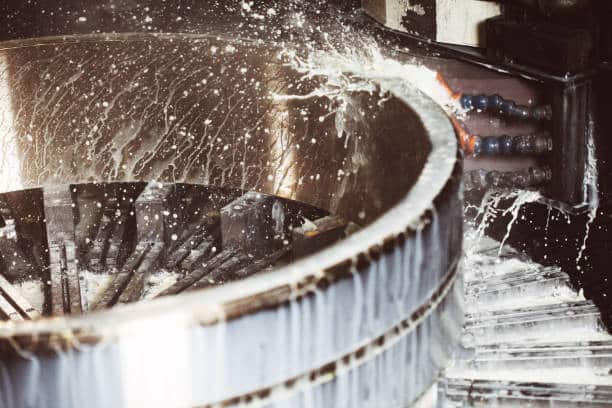
Machining large parts using a CNC machine is not a simple production process. The size disparity is the root cause of this issue, and as a result, numerous factors need to be taken into mind.
Design
To manufacture high-quality large parts of any product, one must first grasp the factors influencing the product’s design. The following are some considerations to realize while manufacturing such components:
- Temperature: When machining large parts, the temperature is an essential factor to consider. In most cases, heat is produced during CNC machining. For instance, one of the ways it may create heat is via the process of friction. The dimensions of the workpiece are subject to alteration whenever there is a temperature change.
- Stress & Distortion: Working with large parts utilizing massive CNC machining increases the likelihood that stress may be introduced into the process. The manufacturing process may distort the workpiece when subjected to stress.
- Work Zone: The machines that are used for the machining of large components need to have a greater reach and a wider work zone.
It is essential to make a note of the criteria stated above. Accordingly, before commencing the procedure, you need to make a note of how to go about doing things. This will be covered in the discussion about the setup option further down.
Preparation
Understanding the many pieces of equipment needed for machining a large part is essential to the preparation process. In addition, it is essential to construct a location that can house massive and weighty components and equipment. To be ready for the procedure, you may prepare yourself by performing the following:
- Eliminate Collision Chances: When cutting large parts, collisions are likely because of the increased size. Thus, preventing such tendencies is crucial. CAD file optimization eliminates collision. First, verify the design-enclosure interior relationship. CAD files are further optimized for collisions in case of any possibility.
- Support the Weight: When dealing with a larger part, one has to work with a greater amount of weight. As a result, it is essential to take precautions against weight by utilizing weight supports.
- Use a CNC Router: Because cutting big components requires dealing with large parts using CNC machining, the preparation might include using a CNC router. Because of their large work envelopes, CNC routers are an excellent choice for the procedure.
- Prepare Loading Equipment: It is possible that loading equipment is not one of the essential instruments required for the process of cutting large parts. Nevertheless, they are necessary because of their ability to assist in the loading and unloading of huge and difficult-to-move components.
Machining
Machining large parts requires careful consideration of the appropriate setup and familiarity with the tools required for the procedure. The large component targeted throughout the production process is the cause for this.
Setup
Large component machining allows for a wide variety of setup adjustments and modifications. The size of the component has a significant role in each one. To make the procedure easier, the following are some setup techniques.
- Open up the Machine: You can work huge pieces by opening up the machine without raising the temperature. To maintain the part’s integrity while simultaneously lowering the temperature, you may insert a cooling time between the various procedures.
- Divide the Operation into Segments: To facilitate the process of setting up the operation, separate the components into smaller units whenever it is feasible to do so. There is also the possibility of incorporating this into the design phase.
- Slid & Spin Big Parts: Large pieces are typically difficult to manipulate. You will need to use an impromptu rig to cut rectangular components. You will be able to work on various sections of the piece of work by moving the sections along the impromptu rig that the rig provides. When working with circular pieces, you should rotate them so you may work on either side.
Tools
The tools used in CNC machining with standard diameters are not quite the same as those used in larger-diameter machining. Even though they function in the same manner as conventional CNC machining, it is necessary to prepare such tools to do larger-diameter milling. As a result, you will always have standardized machining tools for larger diameters, such as large turnings, large boring machines, large CNC mills, and so on.
Design and Machining Considerations for Small Parts
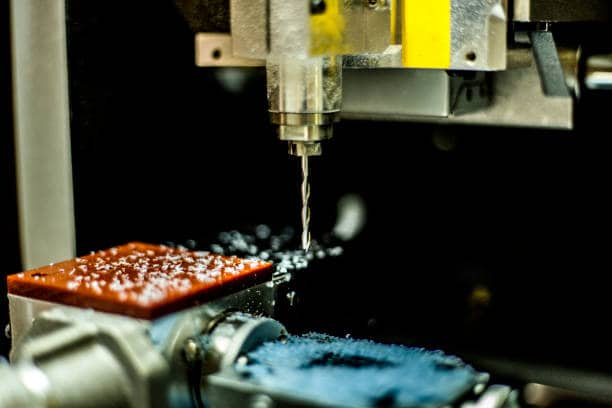
Although small CNC-machined components are lighter and may be produced more efficiently, custom machining small parts present a fair proportion of difficulties. The production of small parts is technically challenging, and machining extremely small parts may often make it challenging to ensure that the finished product will be of excellent quality. Product teams can’t conduct an accurate inspection unless they can see what they are manufacturing. Features less than 0.005 inches in size are difficult to discern with the human eye. In addition to these difficulties, machining small parts necessitates sophisticated machinery.
To get through these obstacles, product teams often simply need to make a few little tweaks here and there. The component needs to be suitable for CNC machining as long as the design is improved so that it may be manufactured more easily. In addition, teams may have a 3D microscope on board to improve the accuracy of their inspections of small CNC machined parts by allowing them to zoom in on the characteristics of the components and their surface finishes.
Producers should only employ high RPM equipment when it comes to producing smaller CNC machined components. This enables them to use smaller drills while still being able to efficiently access all of the nooks and corners of the part.
Conclusion
Utilizing CNC machining, it is feasible to make high-quality components of various materials, dimensions, and forms; nevertheless, product development departments and machinists need still be cautious of the size of the parts they create. Machining large components may be difficult and cumbersome, and it can be challenging for engineers to inspect the quality of every minute detail on relatively small parts.
It is possible to make adjustments to the design and manufacturing phases to guarantee the correct and exact fabrication of very small or very large components. You can make something wonderful, regardless of its size, if you design it from the start with machinability in mind and use the production workarounds.
Ancastings – CNC Machining Large & Small Parts Manufacturer
For large or small part machining, you can benefit from the expertise of an experienced manufacturing partner. At Ancastings, we are delighted to utilize years of CNC machining experience to manufacture the high-quality parts our customers exactly want in a fast production run. Get started on your project with an instant quote.
Other Articles You May be Interested in:
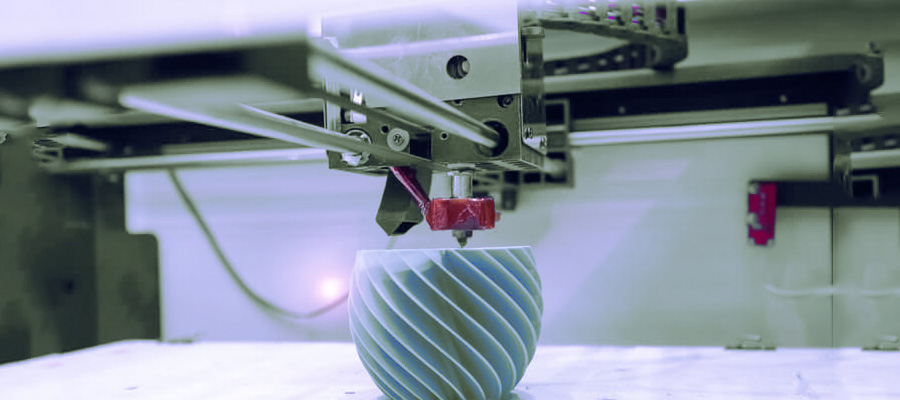
FDM Introduction
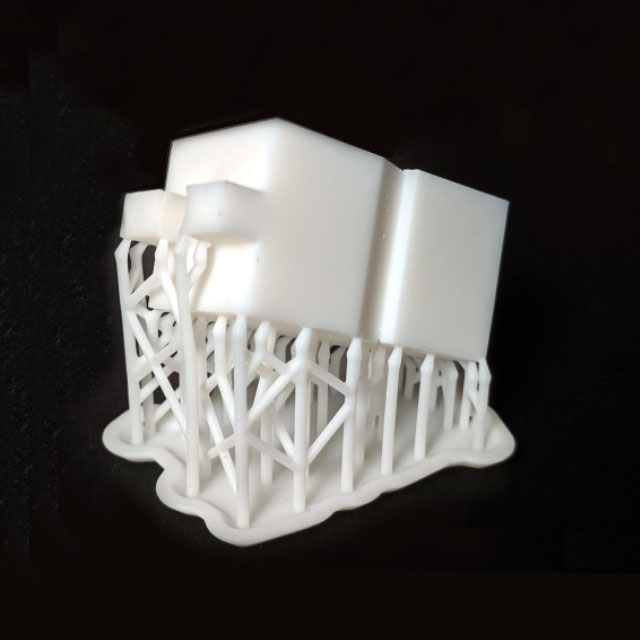
SLS Introduction