Quick connection technologies, such as snap-fit joints, are a widely adopted solution due to their convenience and affordability. This mechanical joint method achieves a detachable fastening connection through elastic deformation. Furthermore, it is widely employed across various industries, including electronics, home appliances, and automobiles.
Therefore, this article will explore snap-fit joints in detail, covering their definition, different types, as well as the pros and cons, to help readers fully understand this important connection mechanism.
What are Snap Fittings?
Snap-fit employs a technology that utilizes the shape and elasticity of mating components to achieve a detachable fastening. In other words, relying on the accurate design, the parts can engage and interlock during assembly. Generally, this type of connection commonly finds in plastic parts for their flexible features.
Through the explanation above, we have understood what a snap fit is. So, what is a snap-fit joint? Snap fit joints refer to the specific parts or components that achieve the snap-fit connection. These joints usually include protruding snap parts and corresponding grooves or holes. Examples like ballpoint pen caps and Lego bricks.
How do Snap-fit Joints Work?
Now that we have a basic understanding of snap fit joints, but how do they work? Typically, this working principle involves the following key steps:
- Insertion: The snap part will undergo elastic deformation to accommodate the inserted part.
- Locking: Once in place, the locking feature will recover its original shape allowing it to lock the two components together. This process usually takes advantage of the elastic recoil force of the locking feature, ensuring the robustness of the connection.
- Connection: Even under external forces, the snap-fit joint can maintain the connected state, as the locking feature’s elasticity resists separation.
- Separation: Simultaneously, it requires an external force to separate the snap fit joints to overcome the locking feature.
What are the Different Types of Snap Fit Joints?
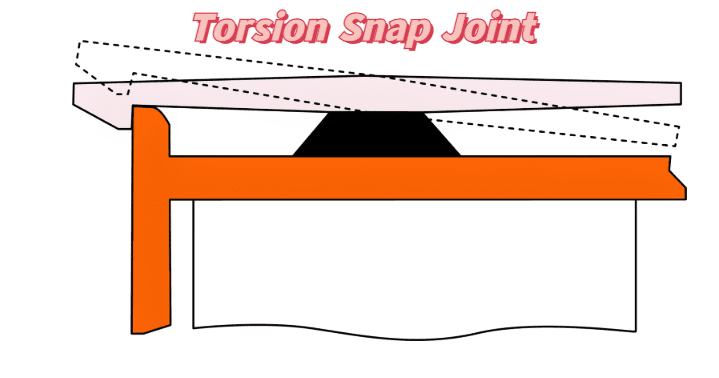
1. Torsion Snap Joint
Torsion snap joints use a snap fit rocker arm and torsion bar to achieve connection through shaft twisting. This type of joint is commonly employed in applications that require torque, such as gearboxes and bumpers.
Benefits
- Withstand larger torque forces
- Provide reliable sealing performance
- Facilitate the manufacture and integrate
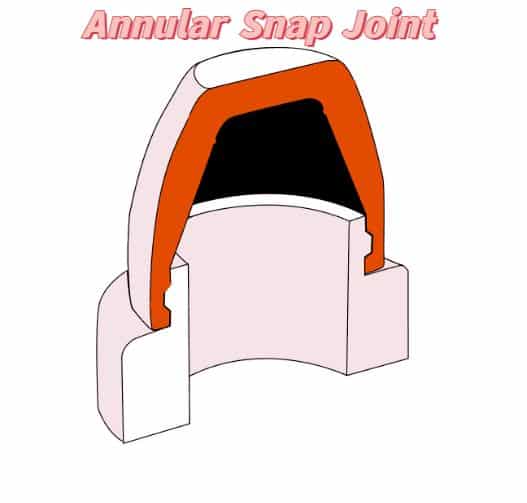
2. Annular Snap Joint
Generally, oval or round parts typically make use of this type of joint, including pen caps and container lids.
Benefits:
- Create a larger contact area and connection strength
- Achieve multi-point synchronized locking, enhancing overall stability
- Suitable for large-size or heavy-duty joint parts
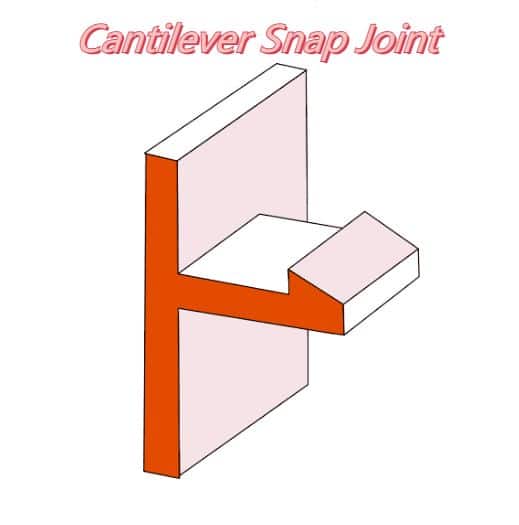
3. Cantilever Snap Joint
Featuring a protruding edge and a catch, the cantilever snap fit is the most common design for connecting plastic components. It allows two parts to be connected or disconnected by a simple inserting and pulling-out motion with both temporary and permanent types. Furthermore, Whether in a cantilever or cylindrical configuration, their function is very similar.
Benefits:
- Help to manufacture and assemble
- Achieve single-point quick snap-fit
- Suitable for connection applications that require frequent disassembly
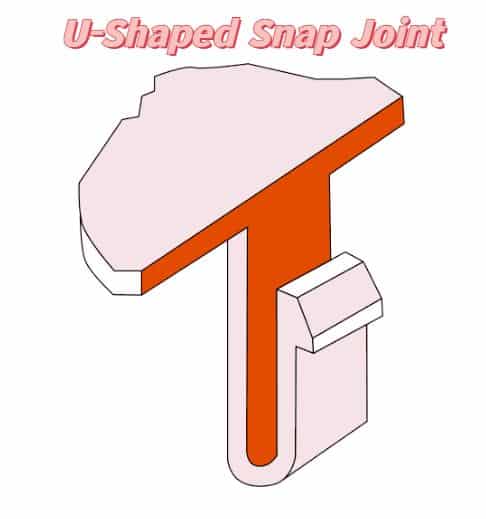
4. U-Shaped Snap Joint
It consists of a U-shaped part that snaps into a corresponding feature on the mating component, creating a secure and reversible connection. You can commonly find this type of connection on the back of TV remote controls.
Benefits:
- Provides larger deformation space and load-bearing capacity
- Withstand larger radial and axial loads
- Suitable for components that require impact and vibration resistance
What are Snap Fit Joints Made of?
Given the elastic properties of snap fit mechanisms, they are typically made from molded plastics. Below is a wide range of plastic materials used in this process.
- ABS – Acrylonitrile Butadiene Styrene
- PETG – Polyethylene Terephthalate Glycol
- Nylon – Polyamide
- PLA – Polylactic Acid
- FDM – Fused Deposition Modeling
- SLA – Stereolithography
- SLS – Selective Laser Sintering
- MJF – Multi Jet Fusion
What are the Pros and Cons of Snap fit Joints?
Snap joints yield great benefits in various applications, but they also have a few limitations. Thus, this section will explore their practical pros and cons in detail.
Benefits:
- Convenience: Snap fittings can be simply assembled or disassembled without the need for special tools like nuts, washers, screwdrivers, or wrenches.
- Durability: In addition to the convenience, they also offer a long service life due to their simple and straightforward working principle. This also makes them easily recyclable, allowing for multiple reuse cycles.
- Flexibility: The flexible design renders possible their integration into a variety of product shapes.
Limitations
- Limited Strength: Snap fit joints may have limited strength compared to other fastening methods, particularly in high-stress applications.
- Complex Production Process: It requires stringent tolerances to achieve the optimal fit and function. As a result, this can lead to challenges in the manufacturing process.
What are Snap Fittings Used for?
Snap fit joints have a wide range of applications due to their convenient and cost-effective nature. Some of the common use cases for snap-fit joints include:
- Consumer Electronics: Using in the assembly of consumer electronics like smartphones, laptops, remote controls, and other portable devices.
- Household Appliances: In various household appliances such as vacuum cleaners, blenders, coffee makers, and other small kitchen and home devices.
- Automotive Industry: Utilizing to assemble interior components, trim pieces, and some exterior parts in vehicles.
- Medical Devices: In the assembly of medical equipment, prosthetics, and other healthcare-related products that require easy maintenance and customization.
- Toys and Sports Equipment: In the construction of toys, sporting goods, and recreational equipment, allowing for tool-free assembly and disassembly.
Snap-fit Design Best Practice In Injection Molding and 3D Printing
Best practices for snap-fit design differ between injection molding and 3D printing, but there are also some common points:
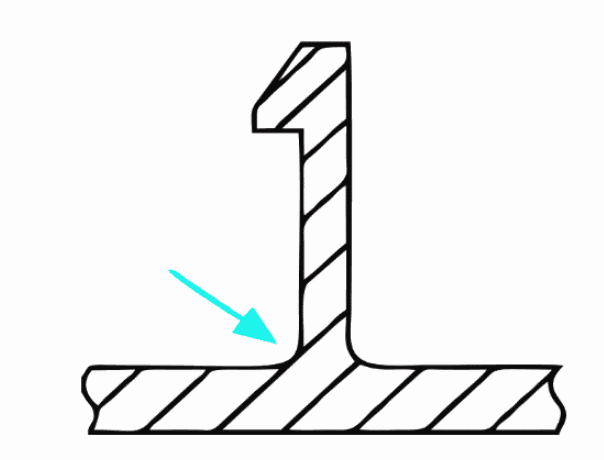
- Fillet: Adding relatively rounded corners at the base of the snap fit can help distribute stress and establish a stronger connection.
- Tapered design: Reducing the cross-section of the snap-fit arm along its length ensures the use of less material and more even stress distribution in the material.
- Increase Hook width: Increasing the width of the snap-fit mating design can improve the strength, with a recommended minimum width of 5mm.
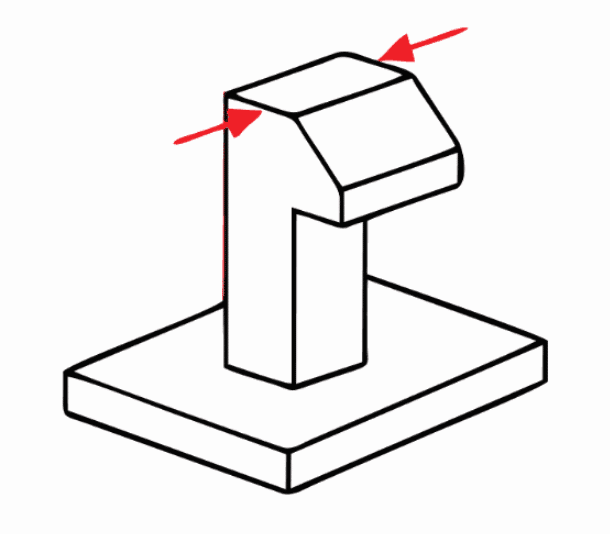
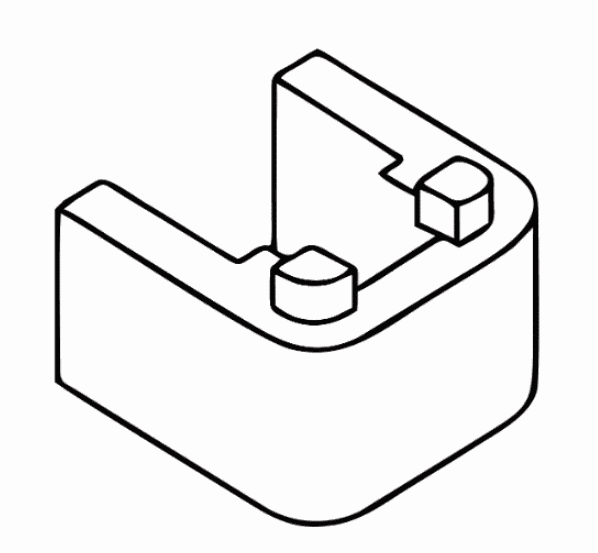
- Add Lugs: Adding protrusions in the component can help with part alignment and transfer some of the shear forces away from the snap-fit.
- Choose Suitable Materials: 3D printing typically uses plastics and resins, so the snap-fit design should be tailored to these materials.
- Simplify the Design: 3D printing allows for complex designs, but overly complex snap-fits may increase printing difficulty and cost.
- Consider Print Orientation: Avoid designing snap fit joint heads that print vertically upwards from the bed, as this can weaken the structural strength.
- Post-processing: Consider post-processing techniques, such as sanding or vapor smoothing, to improve the surface finish and dimensional accuracy of the snap-fit features.
- Clearance and Tolerance: Adjust the clearance and tolerance between the mating snap-fit features to achieve the desired fit and ease of assembly/disassembly.
Conclusion
Snap fit joints are an indispensable component and offer a convenient and efficient approach to creating detachable mechanical connections. It’s good for us to fully appreciate their value for their ubiquitous applications.
Additionally, Ancastings Precision has more than 10 years of custom CNC machining experience. We specialize in custom CNC machining services from design, rapid prototyping, and complex parts geometry to low or large-volume production. Therefore, we can achieve the right types of fits for your specific requirements. Feel free to contact us for your projects or ask for an instant quote.
Other articles you may be interested in:
Welding Joints: Different Types and Applications
Welding joints are critical connections in sheet metal fabrication that determine the strength and durability of a structure. This article will delve into the various types of weld joints, exploring their unique applications and symbols. Additionally, we’ll discuss the pros and … Read more
What is Sheet Metal Welding