Different steel grades and designation standards exist, varying by country, company tradition, and engineering practice. The complexity of steel grade equivalence arises from each country having its own standardization system, leading to different names for steels with similar compositions and properties.
To ease communication, we provide a table showing steel grades across nine popular national standards, illustrating their equivalences. Explanations of how each standard designates steel grades are provided in the last part with examples.
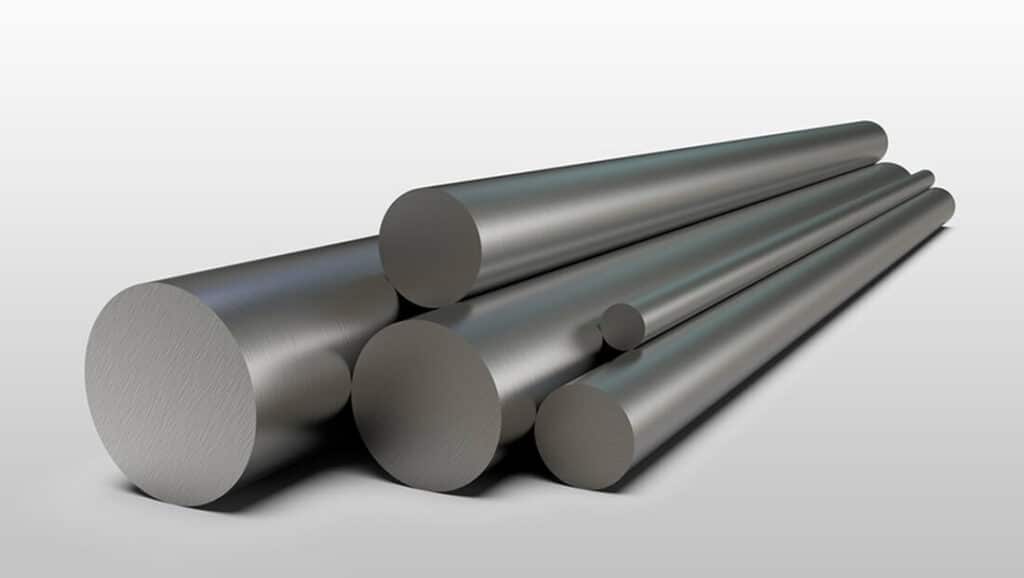
Cross-Reference Table of Steel Grading Systems
Steel grades are categorized into four main types based on their chemical composition and properties: Carbon Steel, Alloy Steel, Stainless Steel, and Tool Steel. While these categories cover common steel types, they are too general for specific uses. Thousands of sub-types exist, each needing unique classification and naming.
The table below provides a cross reference for nine steel grade standards:
| EN steel number (Europe) | EN steel name (Europe) | ASTM grade (USA) | AISI/SAE grade (USA) | UNS (USA) | DIN (Germany) | BS (UK) | UNI (Italy) | JIS (Japan) |
| Carbon Steels | ||||||||
| 1.1141 1.0401 1.0453 |
C15D C18D |
1010 1018 |
CK15 C15 C16.8 |
040A15 080M15 080A15 EN3B |
C15 C16 1C15 |
S12C S15 S15CK S15C |
||
| 1.0503 1.1191 1.1193 1.1194 |
C45 | 1045 | C45 CK45 CF45 CQ45 |
060A47 080A46 080M46 |
C45 1C45 C46 C43 |
S45C S48C |
||
| 1.0726 1.0727 |
35S20 45S20 |
1140/1146 | 35S20 45S20 |
212M40 En8M |
||||
| 1.0715 1.0736 |
11SMn37 | 1215 | 9SMn28 9SMn36 |
230M07 En1A |
CF9SMn28 CF9SMn36 |
SUM 25 SUM 22 |
||
| 1.0718 1.0737 |
11SMnPb30 11SMnPb37 |
12L14 | 9SMnPb28 9SMnPb36 |
230M07 Leaded En1B Leaded |
CF9SMnPb29 CF9SMnPb36 |
SUM 22 SUM 23 SUM 24 |
||
| 1.1555 | C120U | C125W | BW1C | C120KU | SK2 | |||
| Alloy Steels | ||||||||
| 1.7218 | 4130 | 25CrMo4 GS-25CrMo4 |
708A30 CDS110 |
25CrMo4 (KB) 30CrMo4 |
SCM 420 SCM 430 SCCrM1 |
|||
| 1.7223 1.7225 1.7227 1.3563 |
42CrMo4 | 4140/4142 | 41CrMo4 42CrMo4 42CrMoS4 43CrMo4 |
708M40 708A42 709M40 En19 En19C |
41CrMo4 38CrMo4 (KB) G40 CrMo4 42CrMo4 |
SCM 440 SCM 440H SNB 7 SCM 4M SCM 4 |
||
| 1.6582 1.6562 |
34CrNiMo6 | 4340 | 34CrNiMo6 40NiCrMo8-4 |
817M40 En24 |
35NiCrMo6 (KB) 40NiCrMo7 (KB) |
SNCM 447 SNB24-1-5 |
||
| 1.6543 1.6523 |
20NiCrMo2-2 | 8620 | 21NiCrMo22 21NiCrMo2 |
805A20 805M20 |
20NiCrMo2 | SNCM 200 (H) | ||
| 1.5415 | 16Mo3 | A240 A/B/C | K12822 K12320 K12020 K11820 |
15Mo3 | 1503-243B 240 243 |
15Mo3 16Mo3 |
STBA12 | |
| Tool Steels | ||||||||
| 1.2363 | X100CrMoV5 | A-2 | T30102 | X100CrMoV51 | BA 2 | X100CrMoV5-1 KU | SKD 12 | |
| A-3 | T30103 | |||||||
| A-4 | T30104 | |||||||
| A-6 | T30106 | |||||||
| A-7 | T30107 | |||||||
| A-8 | T30108 | |||||||
| A-9 | T30109 | |||||||
| 1.2365 | X32CrMoV3-3 32CrMoV12-28 |
H10 | T20810 | X32CrMoV3-3 32CrMoV12-28 |
SKD 7 | |||
| 1.2379 | X153CrMoV12 | D-2 | X153CrMoV12-1 | BD 2 | X155CrVMo12-1 | SKD 11 | ||
| 1.2510 | O-1 | 100MnCrW4 | Bo 1 | 95MnWCr-5 KU | ||||
| Stainless Steels | ||||||||
| 1.4310 | X10CrNi18-8 | 301 | S30100 | |||||
| 1.4318 | X2CrNiN18-7 | 301LN | ||||||
| 1.4305 | X8CrNiS18-9 | 303 | S30300 | X10CrNiS18-9 | 303S 31 En58M |
X10CrNiS18-09 | SUS 303 | |
| 1.4301 | X2CrNi19-11 X2CrNi18-10 |
304 | S30400 | X5CrNi18-9 X5CrNi18-10 XCrNi19-9 |
304S 15 304S 16 304S 18 304S 25 En58E |
X5CrNi18-10 | SUS 304 SUS 304-CSP |
|
| 1.4306 | X2CrNi19-11 | 304L | S30403 | 304S 11 | SUS304L | |||
| 1.4311 | X2CrNiN18-10 | 304LN | S30453 | |||||
| 1.4948 | X6CrNi18-11 | 304H | S30409 | |||||
| 1.4303 | X5CrNi18-12 | 305 | S30500 | |||||
| 1.4401 1.4436 |
X5CrNiMo17-12-2 X5CrNiMo18-14-3 |
316 | S31600 | X5CrNiMo17 12 2 X5CrNiMo17 13 3 X5CrNiMo 19 11 X5CrNiMo 18 11 |
316S 29 316S 31 316S 33 En58J |
X5CrNiMo17 12 X5CrNiMo17 13 X8CrNiMo17 13 |
SUS 316 SUS316TP |
|
| 1.4404 | X2CrNiMo17-12-2 | 316L | S31603 | 316S 11 | SUS316L | |||
| 1.4406 1.4429 |
X2CrNiMoN17-12-2 X2CrNiMoN17-13-3 |
316LN | S31653 | |||||
| 1.4571 | 316Ti | S31635 | X6CrNiMoTi17-12 | 320S 33 | ||||
| 1.4438 | X2CrNiMo18-15-4 | 317L | S31703 | |||||
| 1.4541 | 321 | S32100 | X6CrNiTi18-10 | 321S 31 | SUS321 | |||
| 1.4848 | GX40CrNiSi25-20 | A351 HK40 | J94204 | SEW 595 GX40CrNiSi25-20 | 310C40 | SCH22 | ||
| 1.4859 | GX10NiCrSiNb32-20 | N08151 | GX10NiCrSiNb32-20 | |||||
| 1.4878 | X12CrNiTi18-9 X8CrNiTi18-10 |
321H | S32109 | |||||
| 1.4906 | X7CrNiNb18-10 | 347H | S34709 | |||||
| 1.4512 | X6CrTi12 | 409 | S40900 | SUH409 | ||||
| 410 | S41000 | |||||||
| 1.4016 | 430 | S43000 | X6Cr17 | 430S 17 | SUS430 | |||
| 440A | S44002 | |||||||
| 1.4112 | 440B | S44003 | ||||||
| 1.4125 | 440C | S44004 | X105CrMo17 | SUS440C | ||||
| 1.4104 | 430F | S44020 | X14CrMoS17 | SUS430F | ||||
| 1.4057 | X17CrNi16-2 | 431 X | S43100 | X16CrNi16 | 431S 29 | SUS431 | ||
| 1.5423 | 16Mo5 | A335 P1 | 4520 4419H 4419 |
K11522 | 16Mo5 | STPA12 | ||
| 1.7715 | 14MoV6-3 | A335 P2 | K11547 | 14MoV6-3 | 660 | STPA20 | ||
| 1.7335 1.7338 |
13CrMo4-5 10CrMo5-5 |
A335 P11 | K11597 | STPA23 | ||||
| 1.7375 1.7380 1.7383 |
10CrMo9-10 11CrMo9-10 12CrMo9-10 |
A335 P22 | K21590 | 17175 10CrMo910 | STPA24 | |||
| 1.7362 1.7366 |
X11CrMo5 X12CrMo5 12CrMo19-5 |
A335 P5 | 501 502 |
K41545 S50100 S50200 |
STPA25 | |||
| 1.7386 | X11CrMo9-1 X12CrMo9-1 |
A335 P9 | 503 | S50400 S50488 K90941 |
STPA26 | |||
| 1.4903 | X10CrMoVNbN9-1 | A335 P91 | K91560 | X10CrMoVNbN9-1 | ||||
| 1.4905 1.4906 |
X11CrMoWVNb9-1-1 X12CrMoWVNbN10-1-1 |
A335 P92 | K92460 | X11CrMoWVNb9-1-1 X12CrMoWVNbN10-1-1 |
||||
| 1.4539 | X1NiCrMoCu25-20-5 | 904L | N08904 | |||||
| 1.4547 | X1CrNiMoCuN20-18-7 | S31254 | ||||||
| 1.4565 | NIT50 | S20910 | ||||||
| NIT60 | S21800 | |||||||
Nine Steel Grades Numbering Systems Explained
Steel grades convey information like chemical composition, properties, fabrication processes, and forms. Grading is crucial for fabricators, engineers, and consumers, providing a standard way to communicate steel properties.
Below are common international standards and their steel grade numbering systems, along with explanations and examples for each.
UNS (USA)
The Unified Numbering System (UNS) identifies metals and alloys, including steels, with a unique alphanumeric code. The UNS designation includes a letter prefix and a five-digit number, but doesn’t directly indicate chemical composition or steel properties.
Prefix for Steels:
– ‘S’ for stainless steel.
– ‘G’ for carbon and alloy steels.
– ‘T’ for tool steels.
The five-digit number is unique to each steel composition and doesn’t inherently convey the steel’s properties.
Examples:
– S30400: A common stainless steel, known as 304 stainless steel.
– G10200: Represents a carbon steel similar to AISI/SAE 1020 steel.
EN (Europe)
The EN (European Norm) standard uses numbers and letters for precise identification of steel types and properties. The prefix usually includes “EN” and digits for the specific standard. Additional letters and numbers indicate the steel’s main properties and processing details.
Examples:
– S235JR: A structural steel with a minimum yield strength of 235 MPa.
– EN 1.4301: A type of stainless steel, commonly known as 304.
– C45E: A carbon steel with 0.45% carbon, suitable for engineering purposes.
DIN (Germany)
DIN standards by the German Institute for Standardization classify steels with alphanumeric codes indicating type, chemical composition, properties, and uses. The first part usually denotes the steel type, while subsequent sections detail its composition and properties.
Examples:
– St37-2: A structural steel with a yield strength of 370 N/mm².
– X5CrNi18-10: A high-alloy stainless steel with approximately 0.05% carbon, 18% chromium, and 10% nickel.
AISI/SAE (USA)
AISI/SAE standards classify steels using a four-digit system. The first two digits indicate primary alloying elements, and the last two represent carbon concentration.
Examples:
– 1020 Steel: A low-carbon steel with 0.20% carbon.
– 4140 Steel: An alloy steel with chromium, molybdenum, and 0.40% carbon.
For more details on AISI/SAE steel grades, you can refer to this blog: AISI/SAE Steel Grades System Explained
ASTM (USA)
ASTM standards categorize steels with a letter (usually ‘A’ for ferrous metals) followed by a number representing a specific steel type.
Examples:
– ASTM A36: A common structural steel.
– ASTM A516 Grade 70: A carbon steel plate for pressure vessels.
BS (Great Britain)
British Standards (BS) use a combination of letters and numbers to classify steels. Prefixes like ‘BS EN’ indicate harmonization with European Norms.
Examples:
– BS EN 10025 S355: A structural steel with a yield strength of 355 MPa.
– BS 970 080M40: A medium carbon steel with about 0.8% carbon content.
UNI (Italy)
UNI standards classify steels with prefixes and numbers indicating type and properties.
Examples:
– UNI Fe360: A structural steel with 360 MPa yield strength.
– UNI C40: A carbon steel with approximately 0.40% carbon.
JIS (Japan)
Japanese Industrial Standards (JIS) classify steels with a combination of letters and numbers indicating type and properties.
Examples:
– JIS SS400: A structural steel with 400 MPa tensile strength.
– JIS SUS304: A stainless steel grade with good corrosion resistance.
– JIS SCM435: A chromium molybdenum steel with specific properties.
Conclusion
In conclusion, understanding steel grade standards is vital for industry professionals who deal with design, engineering, and manufacturing, ensuring precise communication and selection of materials for specific applications. The cross-reference table provided here serves as access to nine common international steel standards to enable the use of the correct steel grades for specific projects, resulting in enhanced performance and reliability of their products and services.
Your Steel CNC Machining Solutions Provider – Ancastings Precision
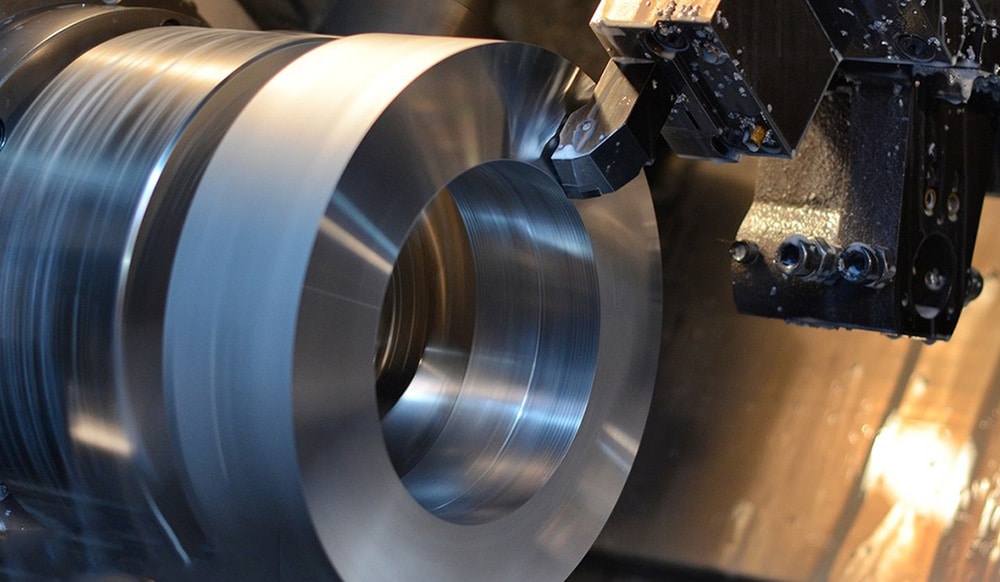
Ancastings Precision offers expertise in Steel CNC machining. Our experts are proficient in various standards and steel properties, to help you select the right steel for your project. Get an instant quote for reliable manufacturing of steel parts today!
Other Articles You May Be Interested in:
AISI/SAE Steel Grades System Explained
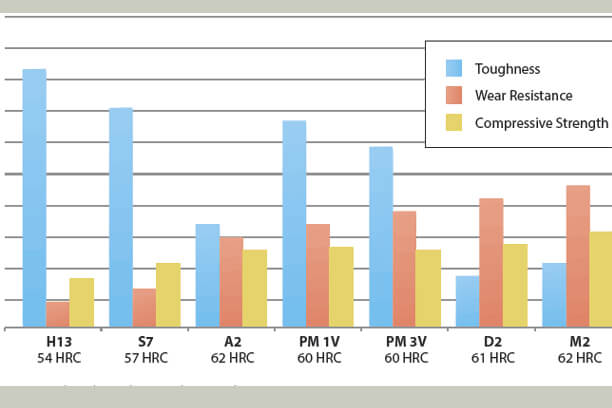
Guide to Tool Steel: Types, Properties, and Uses