
“From intricately detailed 3d parts to manufacturing bulk volumes, vacuum forming is a valuable process. Explore its benefits, limitations, and applications in this comprehensive guide.”
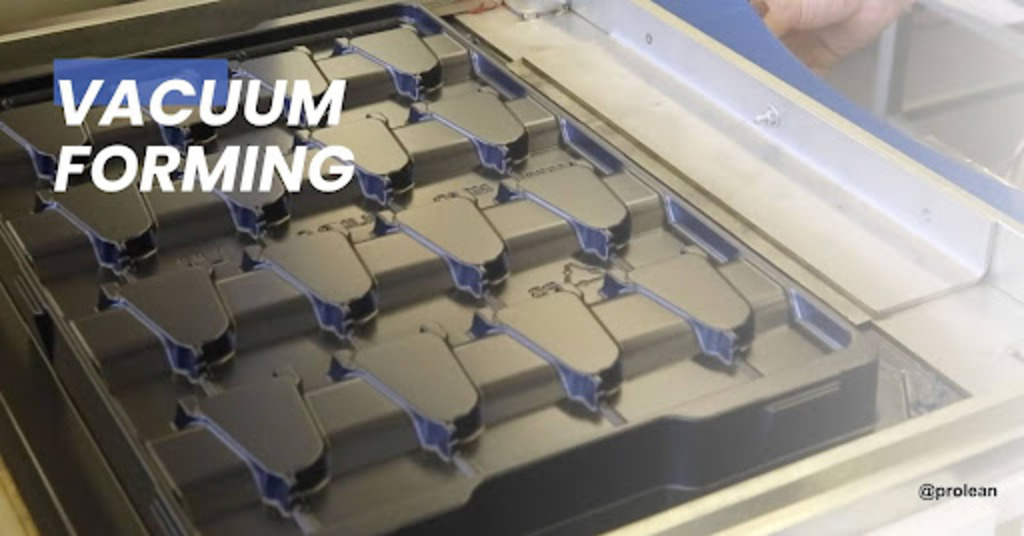
In plastic working industries, vacuum forming refers to a short-run thermoforming plastic process used for low-volume parts production. Typically, it finds its extensive use across pharmaceutical and automotive manufacturing industries because of its high efficiency and economical cost over molding. Moreover, it helps replicate delicate feature prototypes from medicare blister packs to suspension and interior components of automobiles. However, various factors need to be considered for optimal results in terms of the right choice of material, as well as operating process parameters like temperature, pressures, and speed of imitation. Etc.
This blog provides helpful information about the vacuum casting process, including how it works, its key steps, industrial applications, advantages, limitations, and other important considerations for product development and low-volume manufacturing.
What is Vacuum Forming?
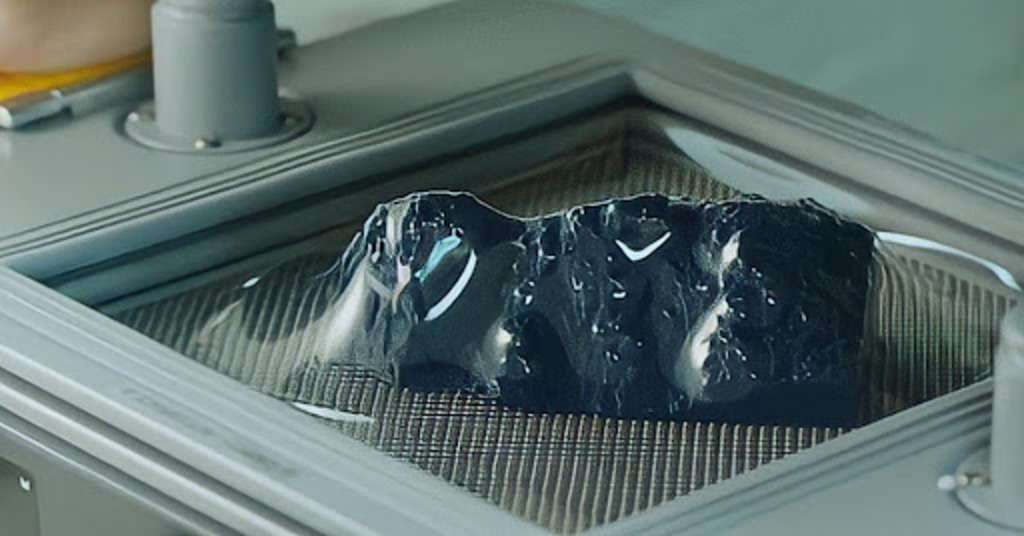
Vacuum Forming
Vacuum-forming plastic is a conventional plastic fabrication or extrusion process that uses sheets around a thickness (6-10 mm) of thermosets, or thermoplastics for manufacturing various industrial-use 3D items. In operation, the vacuum pressure is created which sucks the intended plastic material into the customized mold which entails the shape, and the exact part specifications. The optimal vacuum air pressure and temperature required for the process is 9.8 to 12.25 psi. Approx. Inches of vacuum and a temperature range of 115 – 165 ˚C respectively.
It usually takes minimum time to shape exact part specifications, unlike traditional techniques, which take several days to weeks to bring to market for the intended use. In addition, industrial vacuum forming is a relatively economical process for bulk production requirements.
Try Ancastings Now!
Vacuum Forming: Process Workflow
Here’s a step-by-step process guide to the custom vacuum forming process.
- Firstly, the predetermined shape of the desired plastic part or product is designed using 3D CAD software.
- Then, mold designers create the perforated and peripheral or angled vacuum molds to process thermoplastics. These angled molds are first preheated to facilitate the popping out of plastic products after completing the vacuum-forming process. Materials like cast aluminum, wood, polystyrene, or structural foams are typically used depending on the required strength and the parts’ exact specifications.
- After the mold design phase, it transits into the vacuum former machine. Here, the intended plastic sheet is properly clamped over the forming machine. This clamp grip tights the sheet to avoid any inaccuracy during the process.
- The sheet is then evenly heated through a heating source (twin heaters are usually recommended for applications requiring more uniform heat penetration) depending on the material type being processed. This helps the sheet stretch and melt below the glass transition temperature.
- Then, the stretched heated sheet is pushed to the mold’s surface by creating an air vacuum to remove the trapped air inside the plastic sheet and mold.
- After that, the part is cooled and ejected from the mold for finishing, such as trimming, anodizing, refining textures, etc., depending on the material being molded.
What are the Types of Vacuum Forming Machines?
There are various popular types of vacuum-forming machines widely adopted by plastic fabrication industries. Three common machines among them include;
- Tabletop vacuum-forming machines
- Mid-size vacuum forming machines
- Industrial vacuum-forming machines
- DIY thermoforming machines
Table Top Vacuum Forming Machine
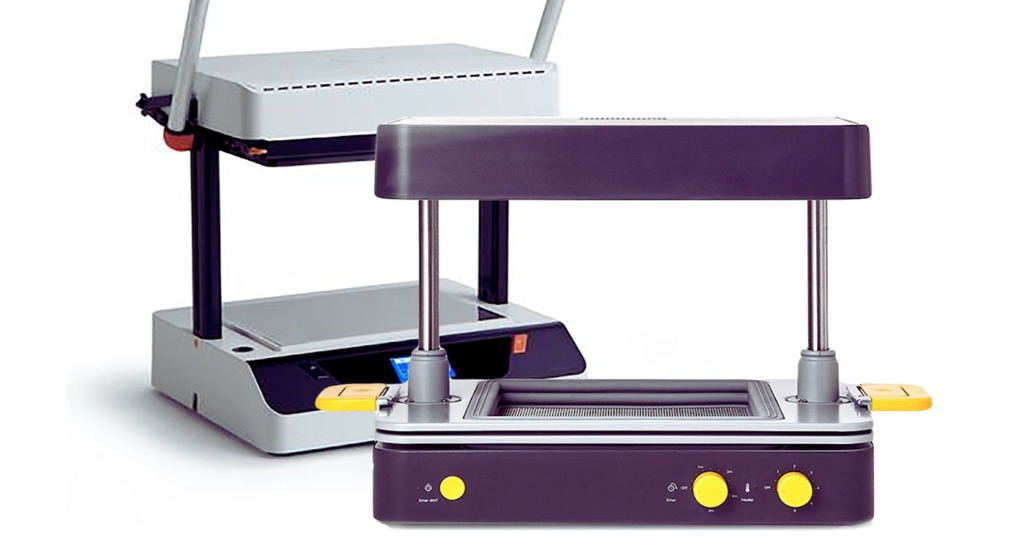
Table Top Vacuum Forming Machine
Tabletop vacuum forming machines are usually designed for personal customized forming applications. These machines are relatively easy to use, compact in shape, and usable to process thermoplastic sheets below 6mm thickness.
Mid Size Vacuum Forming Sheets
These machines are generally used for creating small—to medium-sized prototypes. They enable manufacturers to shape parts in small-scale customized batches by providing easy, semi-automatic control over the forming process.
Industrial Vacuum Forming Machine
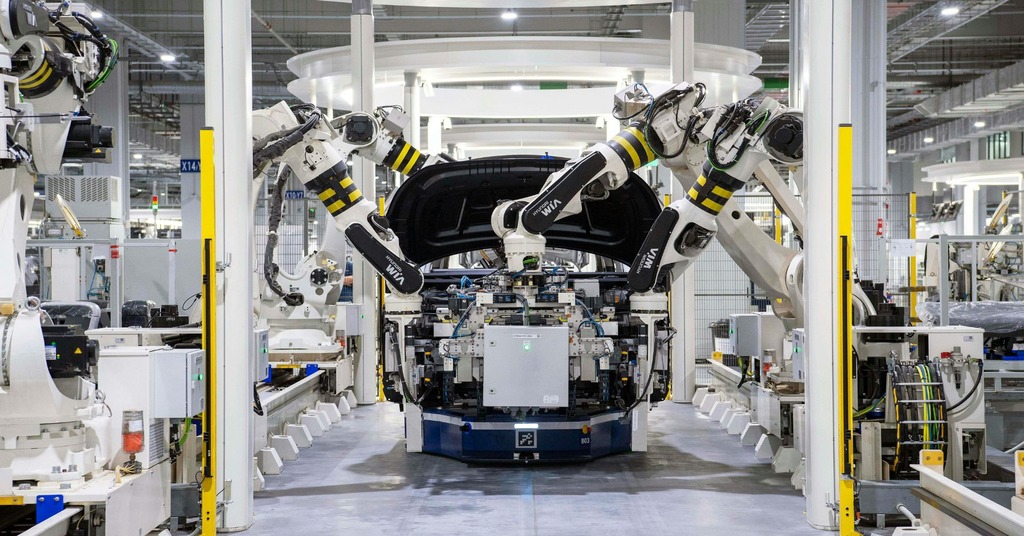
Industrial vacuum forming machine
These machines are specifically designed for commercial applications. Manufacturing Industries like healthcare, automotive, aerospace, consumer products, and packaging employ these machines in their in-house production lines. Industrial vacuum-forming machines give more economic advantages over other machines, as designers can shape even more critical and complicated designs.
DIY Thermoforming Machines
As the name implies, DIY machines are mainly designed for education prospects for teens and children. They are portable, easy to use, and well-suited for simpler designs.
Vacuum Forming Vs. Pressure Forming: Key Differences
Vacuum forming and pressure forming are types of plastic thermoforming or fabrication techniques. Although the terminologies sound the same, they have differences. Let’s examine the distinctive aspects of these techniques.
Table: Difference between vacuum forming, & pressure forming
|
Aspect |
Vacuum Forming |
Pressure Forming |
|
Process |
A plastic forming process uses a thermoplastic sheet to turn the shape of a mold for 3-dimensional plastic parts fabrication. |
It combines vacuum, & air pressure to transform sheets into the desired 3D product. |
|
Means of Forming |
It uses a vacuum to draw heated plastic over a mold under 15 psi (approx.) |
The molds, air, and vacuum pressure up to 100 psi are generally combined. |
|
Tooling Requirements |
Usually, use positive or male (convex) tooling. |
Typically, negative tooling is used, which is female or concave. |
|
Intended Applications |
Medical, enclosures, and casings for kiosk devices, transmissive interior components |
Mainly applicable to intricate automotive and electronic parts. For instance, tubing and monitor bezels. |
Try Ancastings Now!
Materials Used In Vacuum Forming Process
There are several compatible materials, from thermoplastics to thermosets, that are being processed by the thermoforming plastic process. These materials are known for their peculiar characteristics and accommodate abundant benefits in terms of durability and ease of manufacturability. Some of the commonest thermoplastics materials are mentioned below;
- ABS (Acrylonitrile Butadiene Styrene)
- Delrin or Acetal
- PETG (Polyethylene terephthalate glycol)
- PMMA (Acrylic)
- (HDPE) High-density polyethylene
- (PC) Polycarbonate sheets
- ( PS) Polystyrene
- Polyvinylidene fluoride (PVDF)
Related To: Top 9 Materials Used in Injection Molding
Advantages of Custom Vacuum Forming
Custom vacuum forming provides numerous benefits to manufacturers. Some of their advantages are given by;
- Vacuum forming usually requires low mold and tooling costs. Further, a single mold can be used for multiple shots.
- The process can quickly transform designs into required shapes, and products. Therefore, it is considerably time-efficient to incorporate large batches of parts in a short time, unlike traditional techniques where parts require several days to bring to market.
- Vacuum forming provides compatibility to process various grades of thermoplastics.
- It’s highly adaptable to shape parts that require more detailed feature designs and rapid prototyping.
- The fabrication of multiple parts is relatively easier than conventional processes.
- Vacuum forming is deemed to be an affordable process, as it provides design flexibility and mold customization by allowing designers to add more textures, colors, and modifications during in-process parts manufacturing.
- The process produces durable yet lightweight products. Moreover, material wastage during vacuum forming is minimal and can be recycled later. Therefore, it has no impact on the environment and proves to be a sustainable product-forming process.
- The initial setup requires a minimal budget and cost on utility.
Disadvantages of Custom Vacuum Forming
However, vacuum forming has some limitations, too. Let’s figure out their downsides;
- Vacuum forming is limited to parts demanding highly delicate precision and accuracy. It only accommodates more simple part geometries.
- The process is expensive and inefficient for large batches because a mold can process one design simultaneously.
- Vacuum forming often suffices rough surfaces. Therefore, additional processes like after-part trimming, polishing, etc., may be needed to get the optimal surface finish, which adds an extra cost to the process.
- The repetitive use of a single mold during vacuum forming may cause mold design flaws, eventually impacting the part’s fabrication. These defaults can be complex to recoup later and influence the overall project budget.
- Vacuum forming is generally used for thin sheets of thermoplastics. Features, like bosses and ribs, are challenging to incorporate from thermoforming. In addition, thicker sheets may be prone to warping and cavitation issues during the process. Therefore, plastic sheets must kept stretched to reduce the risks of thin wall formation.
Applications of Vacuum Forming
The vacuum-forming process is widespread across many industries because it produces lightweight yet high-quality parts. Some of the most familiar industries include;
Automotive Industry
Custom vacuum forming helps shape car interior and exterior parts. It’s an economical process and helps OEM designers create lightweight and durable parts for automobiles, such as; spare wheels, interior panels, blanks, and interior engine parts.
Healthcare Industry
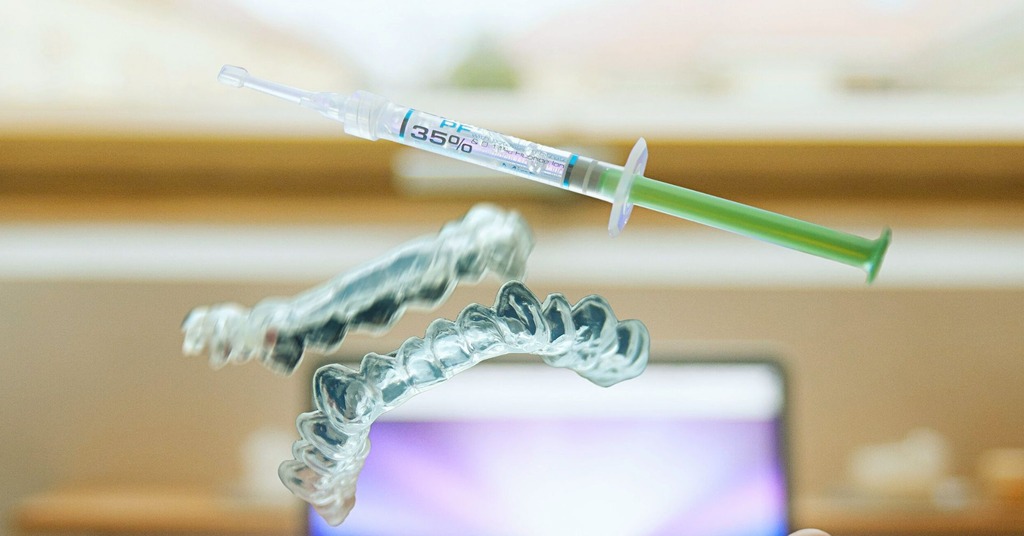
Vacuum-formed medical products
Multiple sterilized parts commonly used for patients’ safety are made through vacuum forming. Medicare professionals benefit from producing devices such as housing and enclosures for implantable machines, syringe components, and packaging trays. Moreover, vacuum-formed parts entail properties like resistance to chemicals, contaminants, and rust.
Aerospace Industry
The aircraft interior and exterior parts generally require compact, fire-resistant, and weightless parts to improve component functionality and overall performance. These parts adhere to industry-stringent quality standards. Some of the common vacuum-formed parts include interior panels, seat shells, tray tables, and air ducts.
Consumer Goods Industry
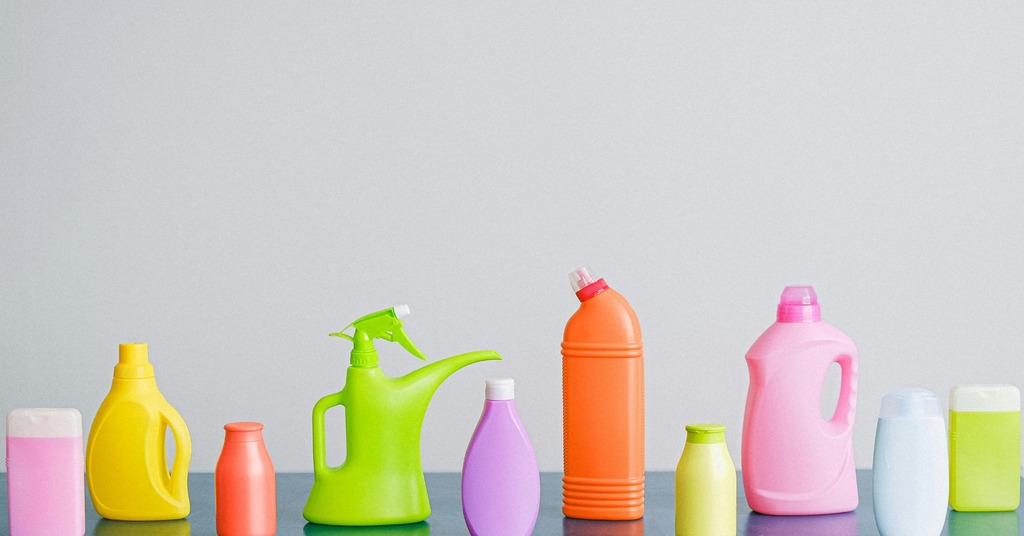
Daily used plastic accessories
Vacuum forming helps produce multiple everyday-use consumer products. It imparts features to parts, such as enhanced visuals, aesthetics, and textures, and increases durability and longevity. Some examples include travel accessories, baby toys, storage boxes, disposable plastic bottles, home decor, point-of-purchase stands (POPs), and electronic device housings.
Packaging Industry
Vacuum forming plays a significant role in the packaging sector, creating hygienic and sterilizable parts to preserve freshness. It is notably an efficient technique for enhancing a product’s longevity, visibility, and protection. Examples include clamshells, blister packs, etc.
Try Ancastings Now!
Get Advanced Quality Vacuum Forming Services at Ancastings
Are you searching for high-quality, and affordable solutions to vacuum-form your projects? Trust ancastings for help. Our logistics, and sales department provides you best on-demand parts manufacturing solutions for satisfactory customer relations.
Our services comply with ISO 9001 quality management systems. As a leading vacuum casting service provider, we support projects from rapid prototyping through low-volume production. Our team delivers high-quality cast parts with excellent surface finishes, fast lead times, and a wide range of material options. Moreover, our engineers and product developers guide you from initial design to product development to make sure, you have made an appropriate choice of materials, all while in your budget range without compromising on stringent quality standards.
Contact us now, and get an instant quote!
Summing Up
Vacuum forming has become a widely used process to manufacture parts with high repeatability, and performance. It turned the focus of industrialists to manufacturing parts due to its compatibility with many engineered-grade plastics and polymers. Moreover, it offers great flexibility in terms of customization, and personalization manufacturing.
However, there are a few limitations linked to the process like warping and cavitation. Despite this, it has versatile benefits and helps many manufacturing sectors, from aerospace to consumer goods industries, by providing top-quality parts in minimal turnaround.
FAQs
Q1. What are the determinants to consider when deciding whether vacuum casting is the right process choice for your project?
While vacuum forming provides versatile benefits, it may not be an appropriate choice in the following scenarios: complicated design patterns and when you need parts in bulk volume. In these, go for an alternative process to vacuum forming, like injection molding or CNC machining.
Q2. Vacuum Casting vs. vacuum forming: Are they the same?
However, vacuum casting, and forming, even share similarities in the process. There are distinctions in materials utilization. In vacuum forming, plastic sheets are usually used to shape parts. Vacuum casting, in contrast, uses liquid resin for part making.
Q3. What are the common issues in the vacuum-forming process?
The parts or products can cause warping and cavitation during the process due to inadequate vacuum pressure and overheating causes.
Q4. What thickness of material sheets can be vacuum formed?
Generally speaking, a thermoplastic sheet with a thickness between 0.0005 and 0.50 ’’ can be used depending upon the intended application and the material being vacuum formed.
Q5. What are the applications of vacuum forming in food industries?
Vacuum forming finds massive applications across food industries by providing sanitized food-grade products such as cartoony plastic eggs and fruit containers.
Resources
Jim Throne Consultant, (2011), Thermoforming: Applied Plastics Engineering Handbook; Retrieved from Science Direct